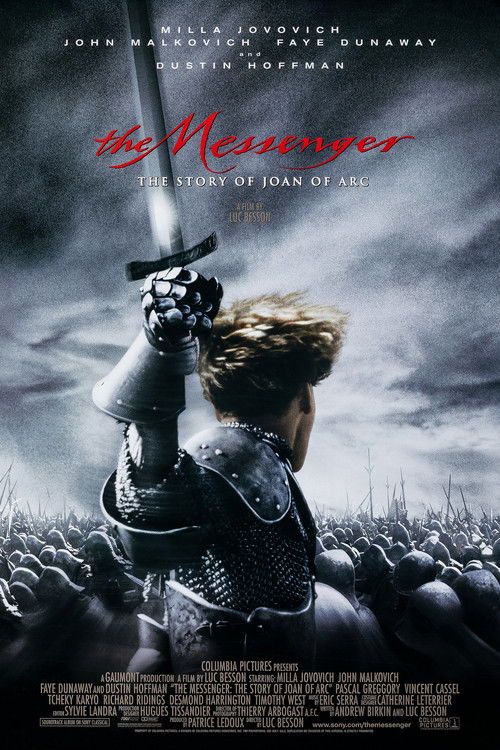
Historical film set during the Hundred Year War.
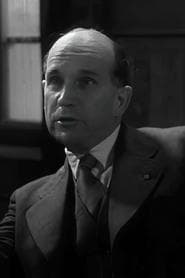
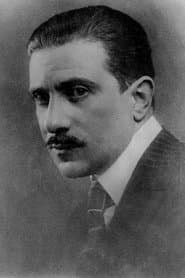
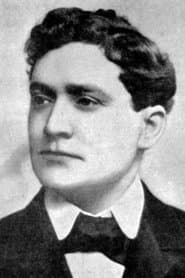
Henri Étiévant
as
Ernest Maupain
Paul Amiot
François Angely
Blanchard
Paul Capellani
Georges Dorival
Fernand Godeau
Henry Krauss
Robert Maire
Alexander, the King of Macedonia, leads his legions against the giant Persian Empire. After defeating the Persians, he leads his army across the then known world, venturing farther than any westerner had ever gone, all the way to India.
Lithuania in the 19th century: While the first railway-road is built from Warsaw to Moscow throughout the country people are still facing slavery and oppression from the elite. A fight between the Robin-Hood-like gang leader Laurynas and the greedy landowner Laurnyas emerges.
Peter Weiss’ monumental 1965 stage play, among the greatest artworks on the Holocaust, condenses the testimonies of witnesses and the accused during the Frankfurt Auschwitz Trials of 1963-1965. This ultra-faithful film adaptation builds, across four hours, in its intensity and graphically described detail.
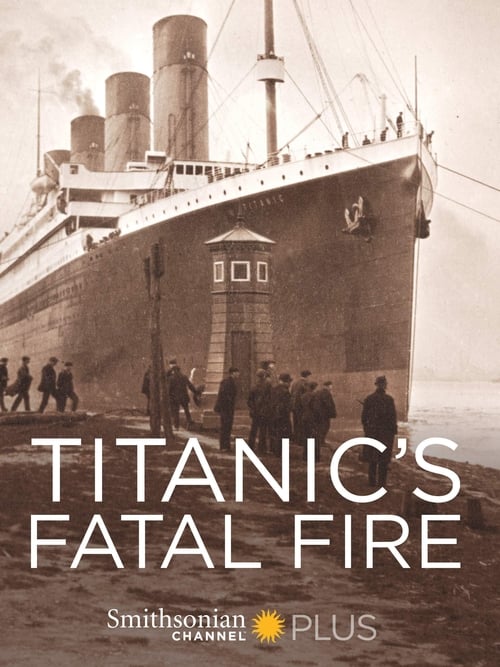
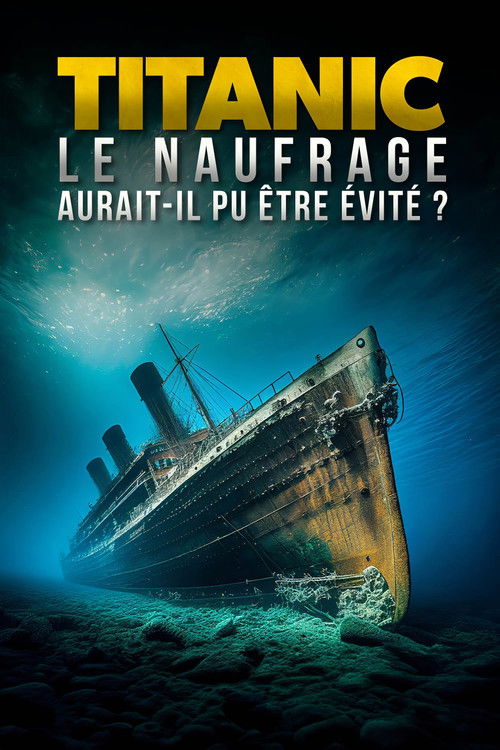
The sinking of the RMS Titanic remains one of the most enduring and mysterious tragedies of the 20th century. For decades, investigators and amateurs alike have floated theories for why it occurred and who was to blame for the extraordinary loss of life, but no one answer could fully explain what happened. Until now. To mark the 100th anniversary of the infamous disaster, Smithsonian Channel will premiere Titanic's Final Mystery. The two-hour special investigates a century of theories and uncovers astonishing new forensic evidence that proves the most likely theory for the case.
Australia was colonized in the late 1700s. Pemulwuy, a man of the Bidjigal tribes — from the region that is today modern-day Sydney — led a 12-year resistance against British settlers moving into his people’s traditional lands.
The true story of how businessman Oskar Schindler saved over a thousand Jewish lives from the Nazis while they worked as slaves in his factory during World War II.
In the final days of the American Civil War, an emigre Hungarian military officer attempts to map the situation of the enemy. Many veterans of the 1848 War of Independence in Hungary fought on the northern side. Experienced Fiala, Boldogh who struggles with homesickness and the reckless Vereczky all experience their enforced emigration in different ways and news of impending peace elicits different reactions from them all.
King Charles VI declares that Knight Jean de Carrouges settle his dispute with his squire, Jacques Le Gris, by challenging him to a duel.
Gurkha troops battle Communist insurgents during the Malayan Emergency.
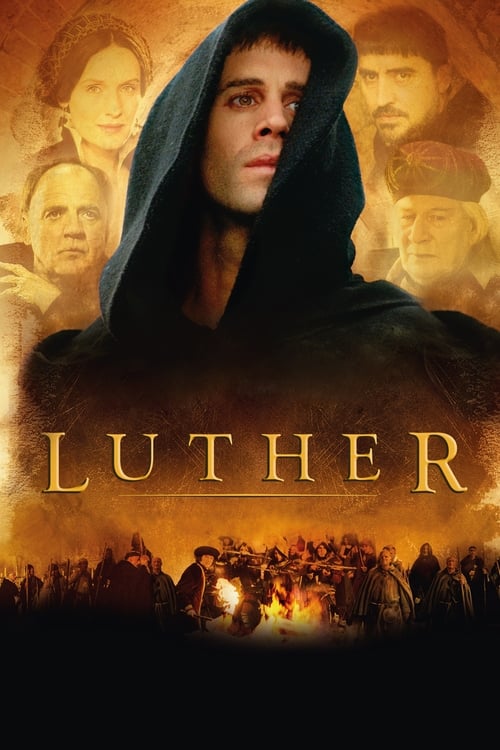
During the early 16th century, idealistic German monk Martin Luther, disgusted by the materialism in the church, begins the dialogue that will lead to the Protestant Reformation.
Helena Petrovna von Hahn, called Madame Blavatsky, was an extraordinary personality of her time, regardless of how we decide to observe her philosophy. This film does not praise her work; nor does it defy and debunk what she stood for, in spite the fact that she was one of the most controversial figures of the 19th century.
Tells the life story of Danish author Karen Blixen, who at the beginning of the 20th century moved to Africa to build a new life for herself. The film is based on her 1937 autobiographical novel.
A dying man in his forties recalls his childhood, his mother, the war and personal moments that tell of and juxtapose pivotal moments in Soviet history with daily life.
Between the end of the Second World War and the abolition of the "offence of homosexuality" in 1982, 10,000 sentences were handed down in France. Sentences in correctional courts, fines and sometimes imprisonment, the convictions were mainly against men. The last witnesses of this period speak out and tell of four decades of clandestine life, just before the tragedy of AIDS.
The Prophet Joseph Smith is dead, killed by a mob. Enemies of the LDS Church think the church will die with Joseph. In fact, that danger is a real possibility. The crisis is undeniable, and the saints in Nauvoo are in chaos.
In the final hours of April 14, 1912, the RMS Titanic, on her maiden voyage from Southampton to New York, collided with an iceberg and ‘the unsinkable ship’ slowly sank. It was one of the most tragic disasters of the 20th Century. Fifteen hundred seventeen men, women, and children lost their lives.