A documentary short by Barbara Bingley-Verseman about the creation of a monumental outdoor mural by her twin sister, LA-based Kat Bing, and Parisian artist Kekli in the lead up to the Paris 2024 Olympics
Katbing
as Self
Kekli
Renaud Cousin
Andre Lahori
Eric Surmont
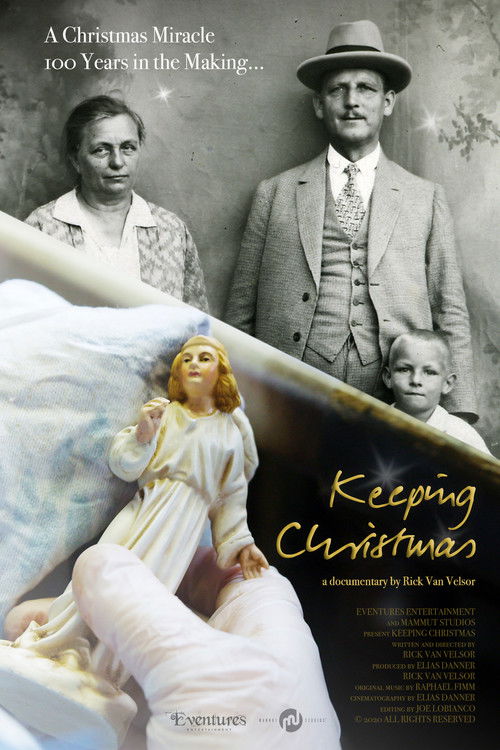
Biography of a man who over came a physical handicap and went on to invent and create a successful company that made unique Christmas ornaments. A life hindered by a pandemic, depression, two world wars, fire and the annexation of his homeland by the Russians. A story of family, perseverance, grit, luck and love.
A brief visualisation of NASA’s historic spacecrafts Mariner, Pioneer, Voyager, and Dawn, exploring the solar system, culminating in the New Horizons mission.
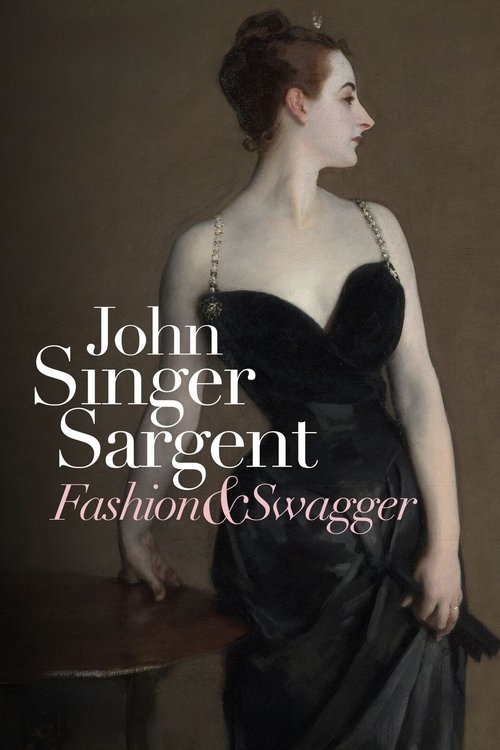
Filmed at the Museum of Fine Arts, Boston and the Tate Britain, London, the exhibition reveals Sargent’s power to express distinctive personalities, power dynamics and gender identities during this fascinating period of cultural reinvention. Alongside 50 paintings by Sargent sit stunning items of clothing and accessories worn by his subjects, drawing the audience into the artist’s studio. Sargent’s sitters were often wealthy, their clothes costly, but what happens when you turn yourself over to the hands of a great artist? The manufacture of public identity is as controversial and contested today as it was at the turn of the 20th century, but somehow Sargent’s work transcends the social noise and captures an alluring truth with each brush stroke.
The cartoon based on the works of Alexander Pushkin was created on the basis of drawings from the exhibition "Pushkin through the eyes of children".
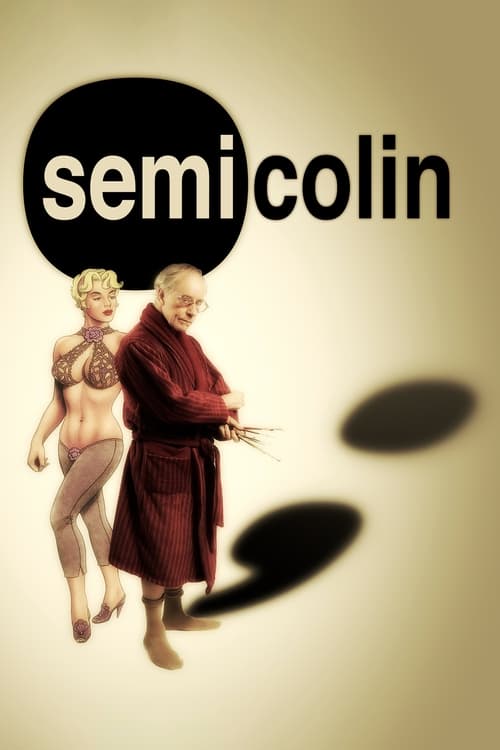
Challenging all notions of genre, Semi Colin is a living, breathing art installation. Part performance, part art, part social comment, Colin philosophizes on his life's obsessive work as an erotic artist.
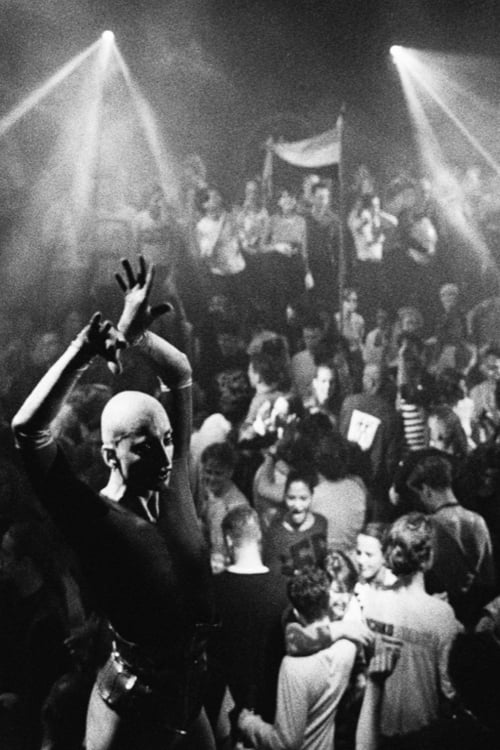
About the art explosion in Amsterdam during the 1980's when artists of all sorts found spaces and places and the legendary club RoXY (1987-1999) was created.
The memory lives on in Yukio Saeki's memory. At 83 years old, he still hears the echo of the sea in Japan, near Hiroshima, and the atomic bomb falling from the sky.
An aging, reclusive painter shares stories about his life and brushes with death.
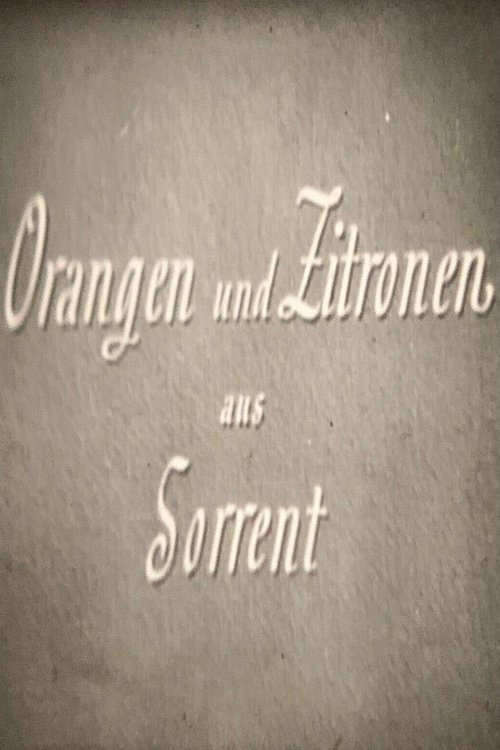
On the Sorrento peninsula, orange and lemon groves stretch all the way to the coast. In the orange plantations, the high wooden frames are covered with mats to protect the trees from intense sunlight. The function of the artificial irrigation system is demonstrated. The oculation of trees is demonstrated in a young plantation. The oranges are cleaned on the spot, then sent to the laundry, cleaned, dried and made ready for dispatch. In a lemon plantation, many pickers stand on ladders on a tall tree and remove the fruit. The lemons are sorted, wrapped in tissue paper and packaged in home and large-scale factories. Before being exported, the goods are checked again for quality.
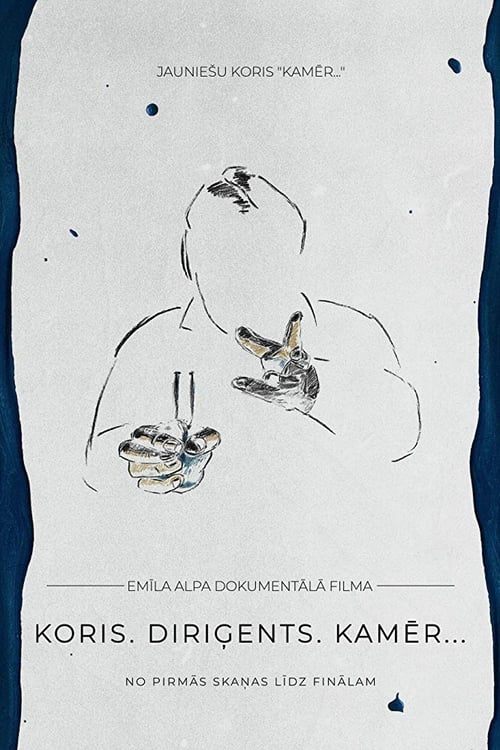
A documentary about the well-known Latvian youth choir “Kamēr...” and its journey to the Tolosa Choral competition. A debut from a 20 year old singer of the choir, the film offers a deeply personal insight into the most difficult challenge the choir has ever faced. After the head conductor leaving, the choir has just 2 months to get used to a new leader. A test for the new conductor who has to prove his worth at one of the most important competi-tions of the choir’s history. It’s do or die, as nothing less than a victory will be accepted. Following the choir every step of the way, the director puts the audience in a first-row seat at rehearsals, performances, discussions and spectacular moments that can only be seen through the eyes of a singer. An unprecedented view of the personal battles and achieve-ments, that lead up to a real-life story, never captured before.
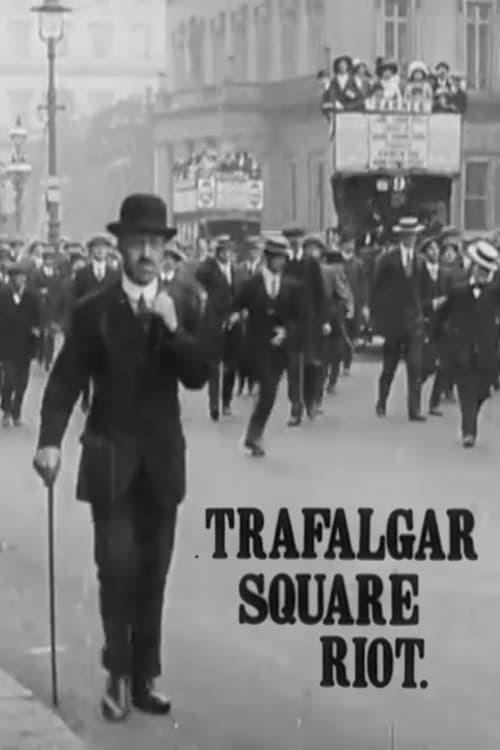
A suffragette demonstration led by Sylvia Pankhurst ends in chaos as police prevent a march on Downing Street.
For the first time, doctors and nurses who cared for Britain's first AIDS patients in the 1980s tell of the extraordinary situation they found themselves in and the rules they had to break to help patients forgotten by the state.
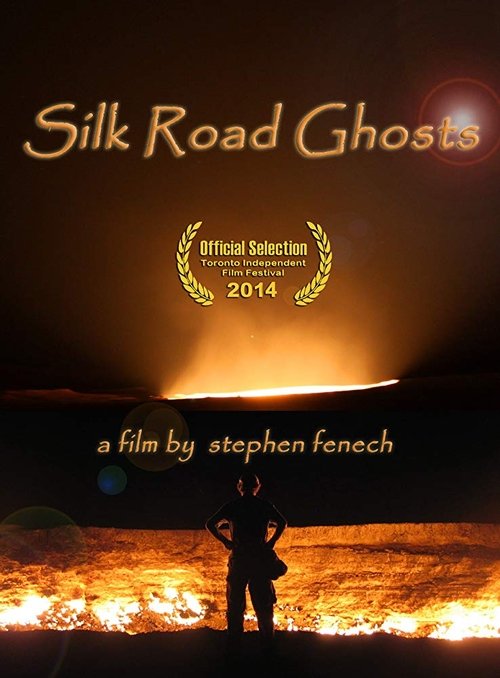
Silk Road Ghosts takes the viewer off the beaten path as I ply a circuit, following in the footsteps of the ancient conquerors, passing through some of the more remarkable parts of Central Asia's Silk Road. From Almaty in Kazakhstan, I set out towards a daunting rendezvous with the Darvasa Gas Crater in Turkmenistan. Along the way I dot many of the road's pivotal locations, bearing witness to its myriad ghosts which served to glorify the annals of our planet's history.
Stuart Iredale was born with Fragile X during the 1950s; a time when the disability was little know. At 60 years old Stuart was correctly diagnosed.
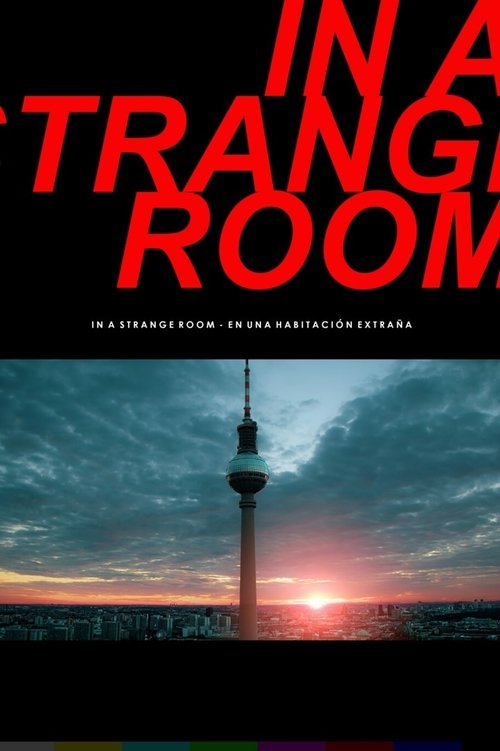
In the summer of 2008, Enzo travels to Berlin to work on a creative documentary and find a former lover.
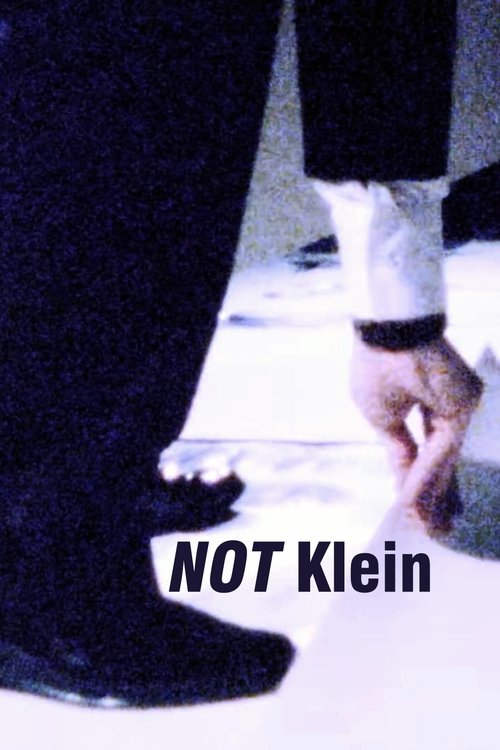
Mike Bidlo’s performative re-creation of Yves Klein's, "Anthropométries de l'époque bleue" at the Palladium in NYC.