Amagi Goe, based on Seicho Matsumoto's novel, has created numerous stars through its visualizations. Erika Ikuta will take on the difficult role of the main character in this adaptation.
Erika Ikuta
as Hana
Goro Kishitani
as
Masato Hagiwara
Mayumi Wakamura
Eita Okuno
Yui Okada
Yukiko Shinohara
A dynamic story depicting the rise to power of Oda Nobunaga. The story of a young man on the battlefields of the Sengoku era, who possessed character and courage, and who became a great commander and ruler, while some called him a great dictator. A film adaptation of the novel by Sohachi Yamaoka.
In the teeming black markets of postwar Japan, Shozo Hirono and his buddies find themselves in a new war between factious and ambitious yakuza.
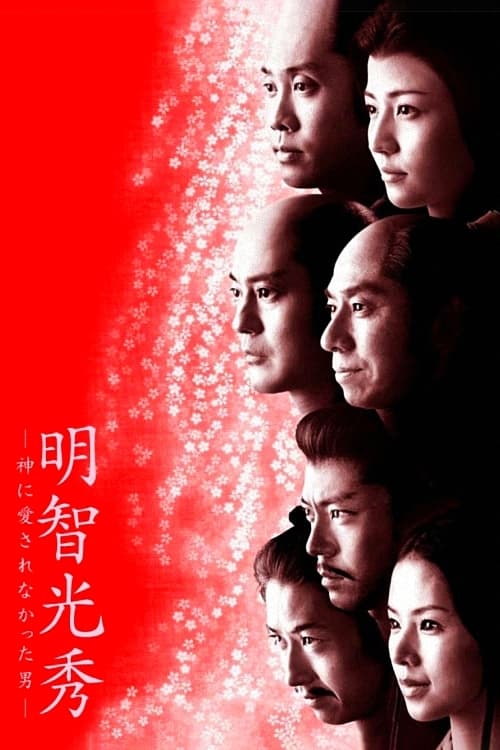
The famed leader Oda Nobunaga had two right-hand men who contributed to unifying the nation. One was Akechi Mitsuhide and the other Kinoshita Tokichiro, both rivals of each other for higher promotions. Eventually Mitsuhide was recognized for his work and was given a castle. However, Nobunaga's ambition to conquer the nation did not allow Mitsuhide to live happily in his territory. That is when an idea flashed across Mitsuhide's mind… Akechi Mitsuhide, the man who was considered to be the most intelligent general of the warring states era. What was the truth about him, Oda Nobunaga's best general and murderer?
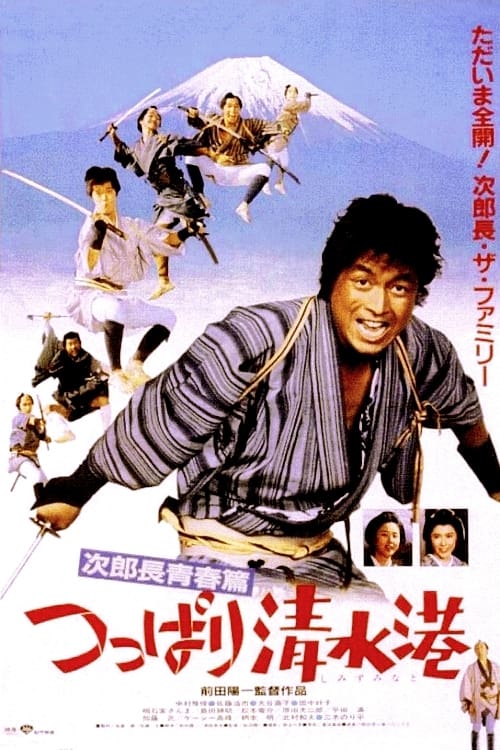
On the day his mother dies, young gambler Jirocho swears in front of her grave that he'll never gamble again. But, that night, Jirocho heads to a gambling den, where he bets the condolence money for his mother's funeral. No surprise to learn he loses the lot. Not the hard-boiled yakuza story it seems, this is a comedy featuring many new artists who were making a name for themselves at the time.
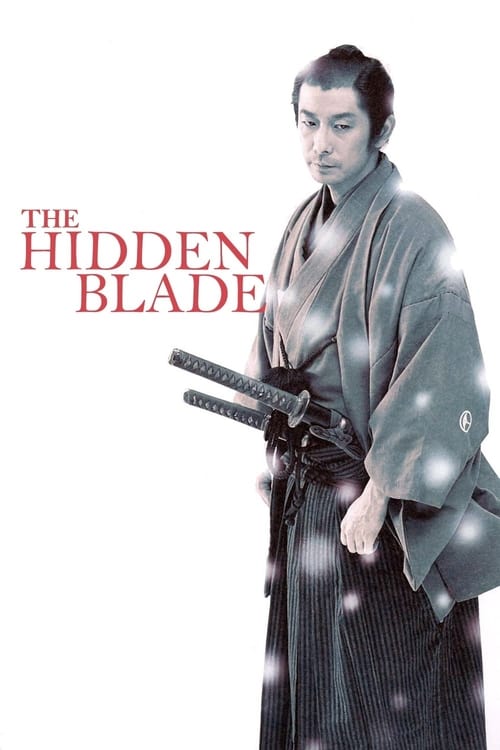
Set in 19th Century Japan a young samurai who finds himself in love with a farm girl leaves his home to begin a new life. He has to take stock of his new life when he is put to the test and ordered to kill a traitor who just happens to be his dearest friend.
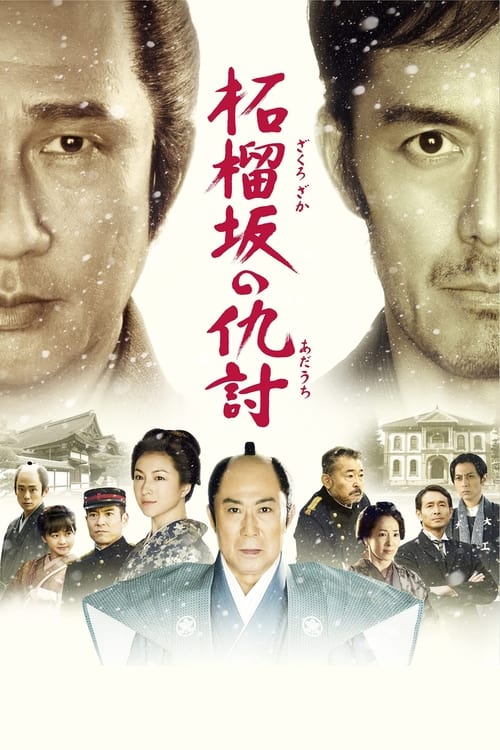
At Sakurada Gate in 1860, the shogun’s chief minister and his retinue of bodyguards are ambushed and annihilated. Bearing the responsibility and shame for this failure is Shimura Kingo, master swordsman and chief of the guard. Forbidden to take his own life in atonement, he is instead tasked with hunting down the remaining assassins; however, fate intervenes and now only one is left. Devoted to his late lord and his duty, he relentlessly pursues the sole remaining assassin for the next thirteen years. But times are changing in Japan and the way of the sword has become outlawed. What does this mean for Kingo?
Early summer, Keiichi had just moved to a remote mountain village. As he becomes close friends with a group of girls, he was enjoying his life in the village. However when he starts to become suspicious that his friends may be deeply involved in successive murders that occur every summer, the situation around Keiichi gradually starts to turn into something more sinister.
Young women in a small Japanese town look to revive their home's declining fortunes by building a Hawaiian village tourist attraction.
A rebellious ninja in 17th century Japan takes refuge with a fisherman and his family.
Nora Moran, a young woman with a difficult and tragic past, is sentenced to die for a murder that she did not commit. She could easily reveal the truth and save her own life, if only it would not damage the lives, careers and reputations of those whom she loves.
Wataru's outwardly liberal views on marriage are severely tested when his daughter declares her love for a coworker and is adamant to live her own way, instead of agreeing to an arranged marriage. Outwitted by his female relatives, Hirayama stubbornly refuses to admit defeat.
The family of an older man who runs a small sake brewery become concerned with his finances and his health after they discover him visiting an old mistress from his youth.
Momotaro carries this sword into battle against injustice in shogunate Japan. Aided by ninja he must now wage a furious battle against the terrible “Ran” clan, villains in league with Ohara Ukon, a bitter samurai nursing a grudge against the shogunate. Together the ruthless conspirators will threaten the foundations of shogunate rule over Japan. Only the relentless slashing sword of Momotaro may save the nation from the Ran clan's army of killers.
Kotani Zenzaemon, a ronin who has a side job making brushes in a tenement house in the back alley, is watching Omine, who lives with him, from Kichizo, a resident of the same tenement house and a boatman. is asked to Kichizo and Mine have eloped and got married, but she feels empty in her boring daily life, and she wants to take a break by crossing the bridge over the river. On the other hand, Kichizo forbids him from crossing the bridge, fearing that his whereabouts will be known to others. Zenzaemon superimposes the appearance of these two people on the appearance of his former self and his wife, whom he killed himself.
The news that the fifth Shogun Tsunayoshi was seriously ill caused a fierce struggle for the post of sixth shogun between the Mito faction and the faction of Chief Adviser Yanagisawa Yoshiyasu. Two mysterious love stories develop against the background of a violent conspiracy that arose because of a strange painting in the sand. And then the empty-headed ronin Morio Jushiro will flash his enchanted sword in this unique, thrilling story full of unexpected twists. Adapted from the novel "Sunae Jubaku: Asahishinbunsha" by Seji Hajime.
In 16th century Japan, peasants Genjuro and Tobei sell their earthenware pots to a group of soldiers in a nearby village, in defiance of a local sage's warning against seeking to profit from warfare. Genjuro's pursuit of both riches and the mysterious Lady Wakasa, as well as Tobei's desire to become a samurai, run the risk of destroying both themselves and their wives, Miyagi and Ohama.
Down-on-his-luck veteran Tsugumo Hanshirō enters the courtyard of the prosperous House of Iyi. Unemployed, and with no family, he hopes to find a place to commit seppuku—and a worthy second to deliver the coup de grâce in his suicide ritual. The senior counselor for the Iyi clan questions the ronin’s resolve and integrity, suspecting Hanshirō of seeking charity rather than an honorable end. What follows is a pair of interlocking stories which lay bare the difference between honor and respect, and promises to examine the legendary foundations of the Samurai code.
Kanichiro Yoshimura is a samurai and family man who can no longer support his wife and children on the low pay he receives from his small-town clan. He is forced by his love for his family to leave for the city in search of higher pay to support them.
In this film, Hibari plays a dual role as brother and sister. The story involves a journey to Hanagasa for an incognito Lord (Kotaro Satomi) to overthrow an attempted usurpation of his domain, while being harassed by vassals of the usurper (Kensaku Hara). There's also a mysterious ronin played by Jushiro Konoe. The songs are seamlessly woven into the narrative and don't overwhelm the action. While the plot is derivative it is good example of its type and quite enjoyable. Note that there are some flashback sequences in black and white.