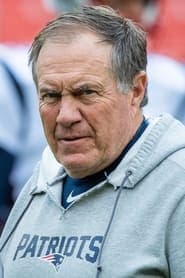
Eight-Time Super Bowl champion, Bill Belichick, takes the 'Madden Cruiser' on an unforgettable road trip through Louisiana's football country, celebrating it's rich history and culture.
Bill Belichick
as Self
Tom Brady
Erin Andrews
The true story of the greatest turnaround in college football history.
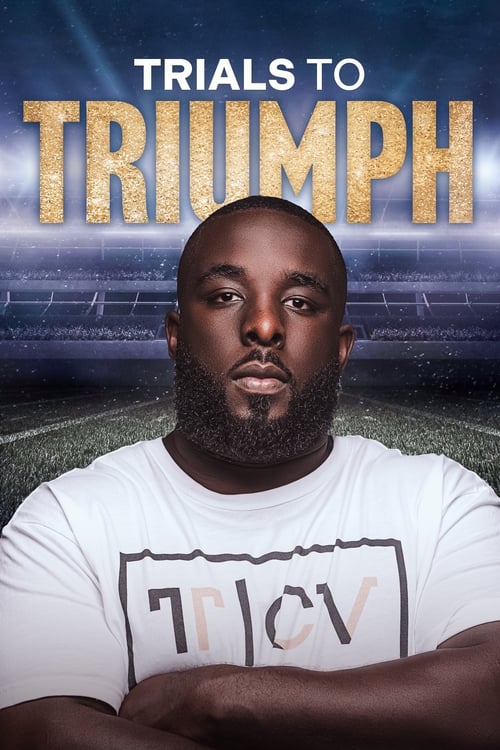
Follows the story of Freddie Stevenson from his meteoric rise through high school and college football to a chaotic life afterwards that led him to reinvent himself and rise up all over again. This documentary connects similar stories of struggle and redemption from motivational speaker Tony Gaskins, "General Hospital" star Maurice Benard, NFL and CFL player Delvin Breaux, and more. These stories are raw and uncut, just as they want to to tell them.
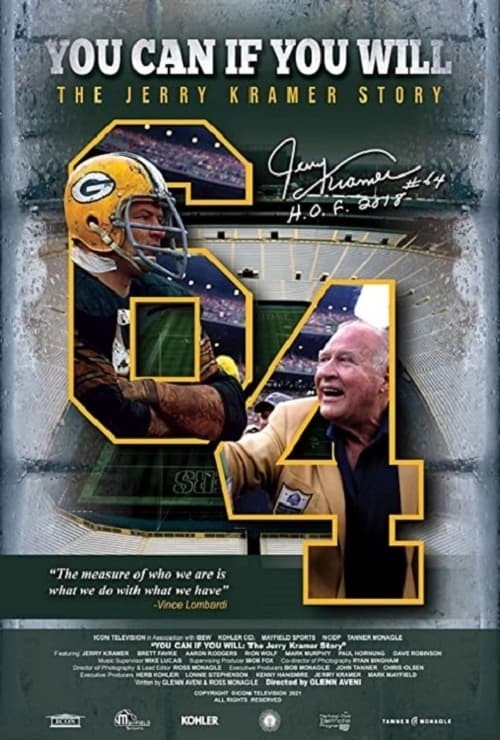
Chronicles Jerry Kramer's life from a small-town family, to NFL legend, to best-selling author. Jerry's story is not without struggle, personal tragedy, and a perplexing 50 year wait to be inducted into the Pro Football Hall of Fame.
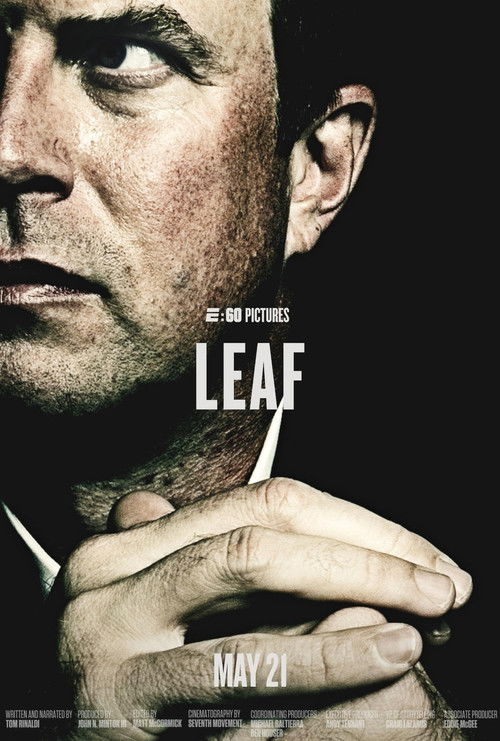
From can't miss future NFL star to incarcerated addict, former San Diego Charger Ryan Leaf shares insight into the choices and mistakes he made that changed his life forever.
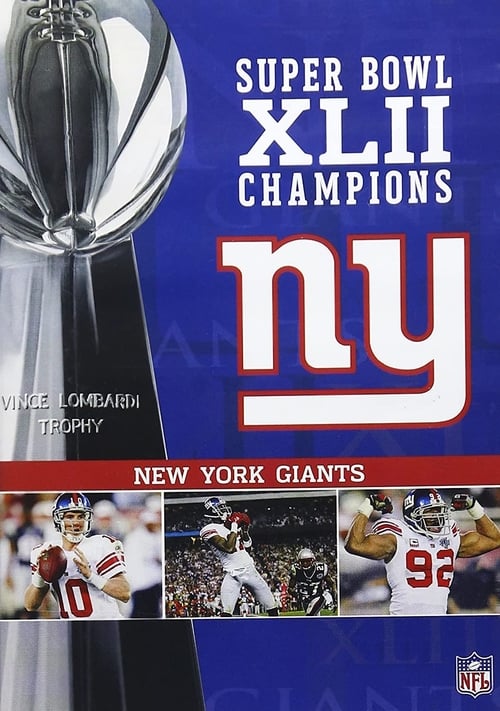
Relive the NFC champion New York Giants and the AFC champion New England Patriots epic battle for Super Bowl XLII with special player commentary from the world champion New York Giants
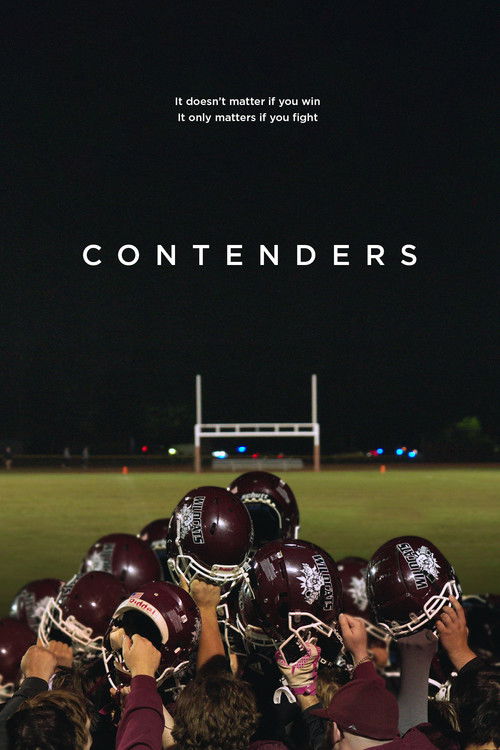
An underdog sports documentary about a long suffering high school football program and their turnaround when a former player comes back as the head coach.
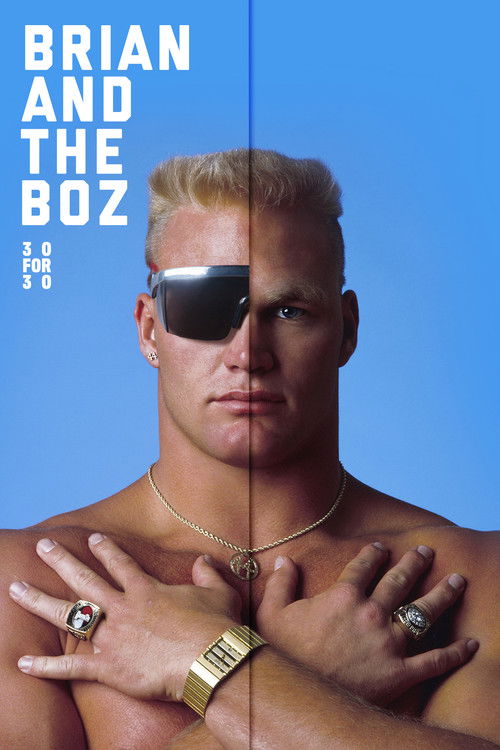
In some ways, Barry Switzer and Brian Bosworth were made for each other. The Oklahoma coach and the linebacker he recruited to play for him were both out-sized personalities who delighted in thumbing their noses at the establishment. And in their three seasons together (1984-86), the unique father-son dynamic resulted in 31 wins and two Orange Bowl victories as Bosworth was awarded the first two Butkus Awards. But then Bosworth's alter ego: "The Boz," took over both their lives and ultimately destroyed their careers. In "Brian and The Boz," Bosworth looks back on the mistakes he made and passes on the lessons he learned to his son. It's a revealing portrait of a man who had and lost it all, and a trip back to a time when enough just wasn't enough.
This compelling documentary explores the fascinating career and life of football's most revered coach, Vince Lombardi.
1969, New York City, 3 teams won World Championships, the Jets, the Mets and the Knicks.
In Chile, where European football (i.e., soccer) is the dominant sport, Coach Carlos Zuniga offers at-risk teenage boys a unique opportunity to learn and play American-style football. He struggles through a grueling season trying to balance teaching the unfamiliar game to his players while fighting for recognition and funding from city officials who have no interest in the sport.
2006 was the Bears' best season in 21 years, as they ended the regular season just one win short of the Super Bowl. Relive every moment of the powerhouse season in which head coach Lovie Smith delivered on his plan to return the team to glory. Rex Grossman led the hard-hitting offense with 23 touchdown passes, while Devin Hester earned an NFL record for most touchdown returns in a single season in his first year with the franchise.
Pat Tillman never thought of himself as a hero. His choice to leave a multimillion-dollar football contract and join the military wasn't done for any reason other than he felt it was the right thing to do. The fact that the military manipulated his tragic death in the line of duty into a propaganda tool is unfathomable and thoroughly explored in Amir Bar-Lev's riveting and enraging documentary.
A comprehensive reminisce at each chapter of former NFL quarterback Michael Vick’s saga–the incredible rise, shocking fall and polarizing return.
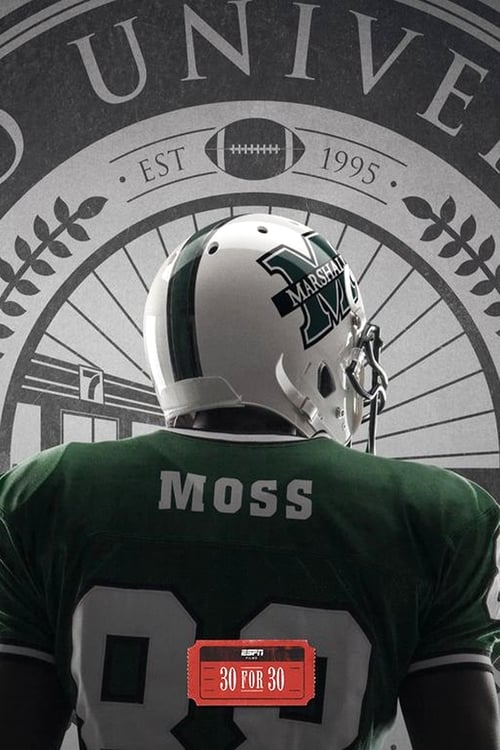
Randy Moss has long been an enigma known for his brilliance on the football field and his problems off it. Sometimes there's even been an intersection of those two qualities. "Rand University" gets to that crossing by going back to where he came from - Rand, West Virginia - and exploring what almost derailed him before he ever became nationally known for his extraordinary abilities as a wide receiver.
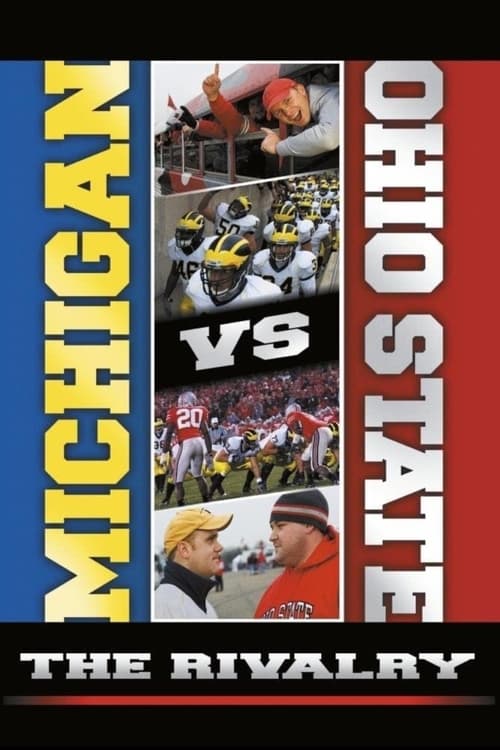
Steeped in a rich tradition dating back to their inaugural meeting in 1897, this rivalry extends beyond the pursuit of a Big Ten title, and is renewed each year through the pageantry and colliding cultures that distinguish the two schools.