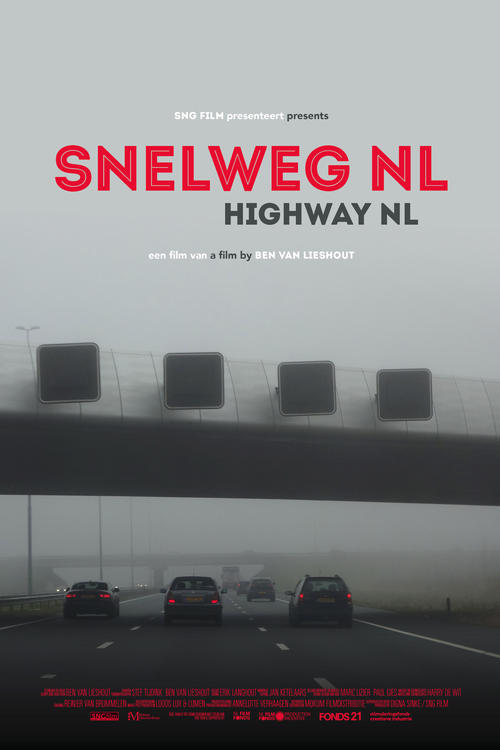
The mineral oil tax and its use are taken as an opportunity to examine the topics of road construction and motor vehicle traffic using the example of West German federal highways.
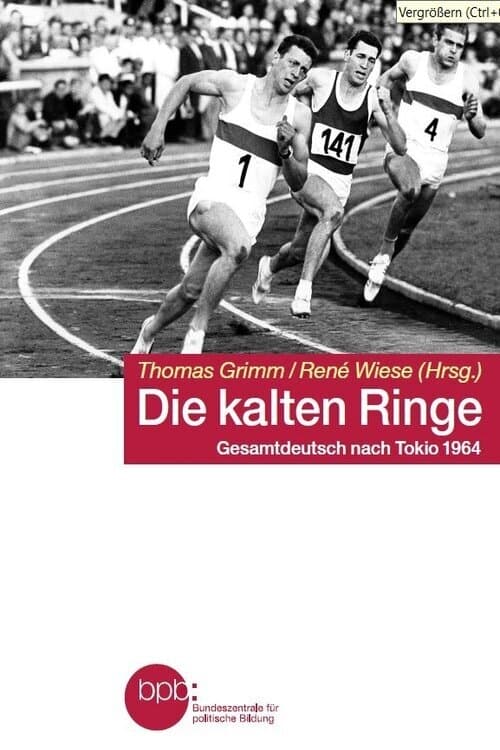
19 years after the dropping of atomic bombs in Japan, the Olympic Games of 1964 took place in Tokyo. In the midst of the cold war, the games are supposed to become a symbol for a peaceful world. Especially the divided Germany is expected to prove this: By order of the IOC, both German states must participate in Tokyo with a joint team despite deep ideological rifts. The fact that athletes from both German states still had to compete against each other in order to form a joint team for the 1964 Olympic Games in Innsbruck and in Tokyo is all but forgotten. The film tells the story of the East-West German team of 1964 for the first time and is simultaneously a current document about the relation of sports and politics in international relations.
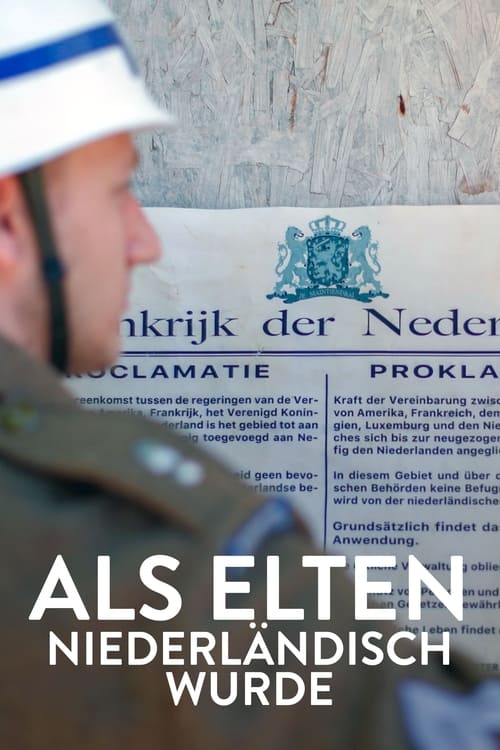
It is an unknown chapter of the German post-war history: On April 23rd, 1949, the kingdom of the Netherlands occupied German soil as a pledge for demanded war reparations. Part of the annexed territories was also the small municipality of Elten. While the people of Elten were initially afraid of the occupation, the time “with Holland” actually became a miracle of prosperity and economy about which many people from Elten still rave today. The occupation period ended with the largest organized smuggling in the history of the federal republic of Germany. The Documentary shows this in never before released 8 mm footage!
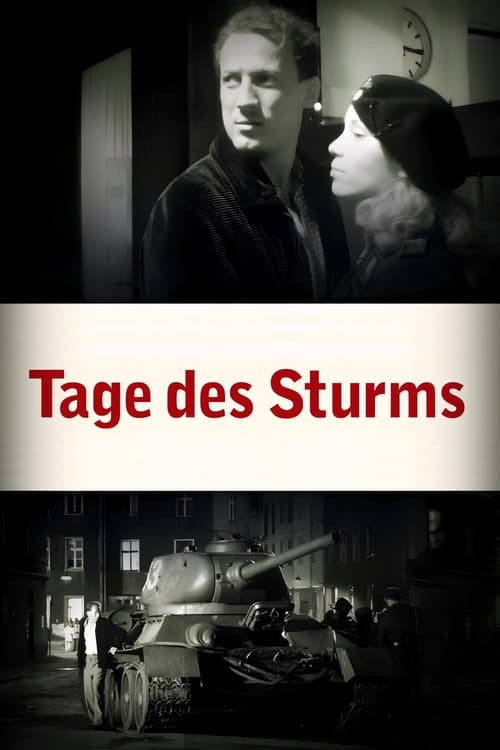
On June 17, 1953, there was an outrageous action between the Elbe and the Oder: the people in the GDR refused obedience to their political leadership. The story takes place in Bitterfeld and tells the story of a family involved in the political events around 17 June.
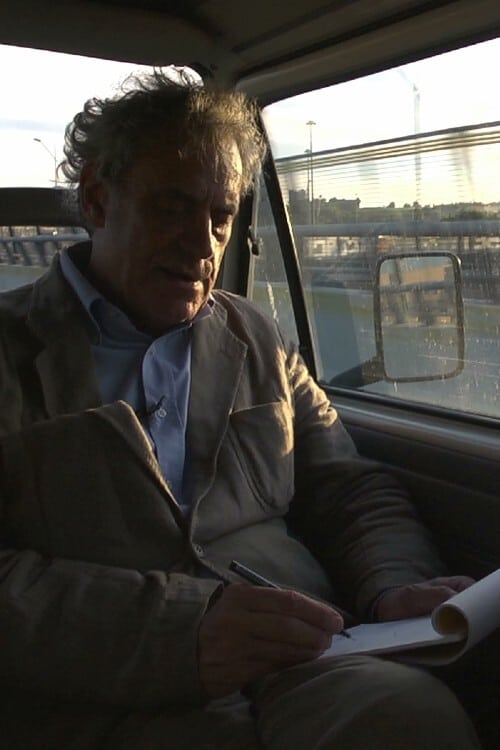
Bosnian Croat writer Miljenko Jergović and Serbian writer Marko Vidojković replace one another by the steering wheel of Yugo, a symbol of their common past while driving on the Brotherhood and Unity Highway that stretched across five of six republics of Yugoslavia.
Germany's first Open Source movie. A gonzo style documentary.
Sexual minorities were oppressed, imprisoned and murdered by the Nazis. Paragraph 175 criminalized homosexual men during the Nazi era – but the Nazis also discriminated against lesbians and trans people. They should be excluded from the national community. More than 50,000 queer people have been proven to have been persecuted. The documentary highlights three poignant fates in the context of Nazi terror.
In 1945, 160 German cities lay in ruins and the loss of millions of lives, billions in material assets and countless cultural treasures was mourned throughout Europe... With the question “How could it happen?”, the film goes back to the year 1914, when the “primal catastrophe of the 20th century” took its course with the First World War.
In May of 1942, across the rugged sub-Arctic wilderness of Alaska and Canada, thousands of American soldiers began one of the biggest and most difficult construction projects ever undertaken-building the Alaska Highway. This program tells how young soldiers battled mud, muskeg, and mosquitoes; endured ice, snow, and bitter cold; and cut pathways through primeval forests to push a 1,520-mile road across one of the world's harshest landscapes.
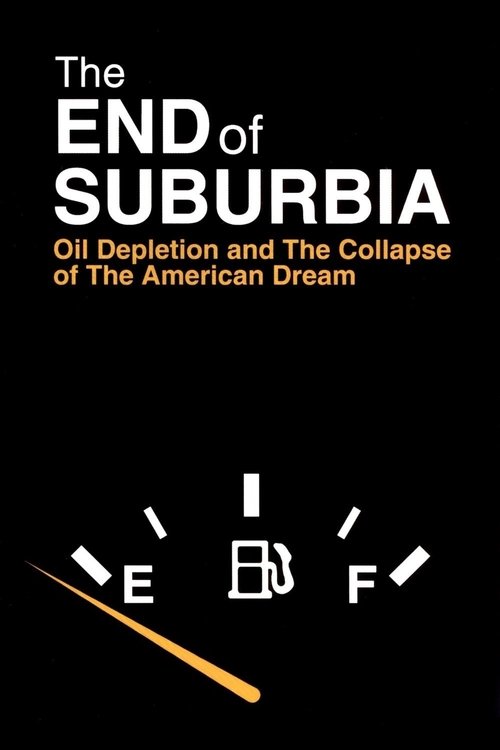
Since World War II North Americans have invested much of their newfound wealth in suburbia. It has promised a sense of space, affordability, family life and upward mobility. As the population of suburban sprawl has exploded in the past 50 years Suburbia, and all it promises, has become the American Dream. But as we enter the 21st century, serious questions are beginning to emerge...
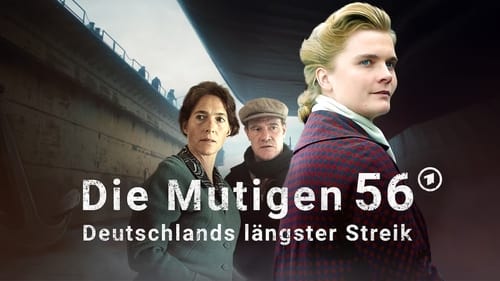
Emma Freese is desperate when her husband Alfred falls ill at the Howaldtswerke in Kiel. How is the family supposed to get by without their wages? The war has scarred this generation, but now things are supposed to be looking up. The workers want their fair share and are fighting for an income that also gives them room to live. In October 1956, 34,000 metalworkers in the shipyards and factories of Schleswig-Holstein walk off the job to fight for justice and their dignity. This strike is still regarded as the toughest and longest in Germany. Employers and politicians stand in the strikers' way.
The night of November 8, 1923, is arguably the most significant and transformative in the history of the twentieth century. A localised uprising in the Bavarian capital of Munich, led by a small man with a toothbrush moustache and a poisonous yet compelling grandiloquence, would have repercussions that would lead to the political shackling of an entire nation, the most abhorrent crimes of the century and a world war. You might say, Adolf Hitler came of age amid the smell of sweat and sawdust of a Munich beer hall. In the political chaos of 1923, he was a local irritant, gaining popularity among workers and soldiers, the ethos of his Nazi Party spreading like a virus. His first attempt at attaining true power came with an attempted putsch on the already separatist government of Bavaria, which left him imprisoned.
The Stammheim trial against the leadership of the first generation of the RAF was one of the most elaborate in the Federal Republic of Germany. Through this trial, Stammheim also became a place of identity for the RAF. The docudrama uses the perspective of Horst Bubeck, who as a prison officer in the cell wing had the most intensive contact with the prisoners, to shed new light on the history.
Prejudices, ignorance, and racism still leave their mark on the everyday life of black Germans, respectively Europeans, until today. How do Afro-Germans deal with their history? Which colonial-racist patterns still shape our society today? With insights into various historic epochs, it is made clear that THE history of the Black people does not exist. And neither exists THE history of white people.