The documentary film follows the life and career of Milen Tsvetkov against the backdrop of historical events in Bulgaria that have transformed journalism and the media market in the country since 1989.
Milen Tsvetkov
as self (archive footage)
'Oski' is an intimate portrait of a young prodigy and the culture that surrounds him. A film documenting a year in the life of skateboarding sensation Oskar ‘Oski’ Rozenberg as he transforms from cool street skater to celebrity sportsman competing in the Olympics. The demands of being a sportman with a shot at the gold medal in Tokyo weighs hard on Oski. It’s obvious that he is not your everyday athlete. Can his sport, and his culture survive the transition from underground to mainstream? And will he loose himself and everything dear to him in the process? 'Oski' explores the history of a subculture at a pivotal point in its history and how a humble and different thinking athlete, loved and adored by thousands of skateboarders all around the world, struggles to find his own path in life as an adult and sportsman.
Starting as a documentary on the sexually liberated culture of late-Sixties Denmark, Sexual Freedom in Denmark winds up incorporating major elements of the marriage manual form and even manages to squeeze in a montage of beaver loops and erotic art. All narrated with earnest pronouncements concerning the social and psychological benefits of sexual liberation, the movie, is a kind of mondo film dotted with occasional glimpses of actual sex.
In 1972, Moody Anderson bought a ghost town and brought it back to life. Nearly four decades later, Moody faces the heart-wrenching task of dismantling and selling his collection of Americana artifacts used in hundreds of films, from Lonesome Dove and The Texas Chainsaw Massacre to the Coen Brothers' remake of True Grit.
A collection of bloopers and outtakes from an enormous selection of Hollywood classic productions spanning from the 1930s through the 1980s.
A special highlighting fifty years in the history of television. Includes tributes to Lucille Ball, Carol Burnett, Walter Cronkite, Jackie Gleason, Bob Hope and Ed Sullivan. Clips of classic television moments are presented.
A brief look at the history of "Homicide: Life on the Street", one of the best shows on television and its ratings history as well as some of the people on the show, as well as behind the camera. The primary focus of this PBS documentary is the "Subway" episode which aired on December 5, 1997 on NBC. This two-hour documentary follows the "Subway" episode from conception to award nominations.
In the summer of 1961, a group of young Italian anthropologists made a clandestine journey through Spain, in order to record popular songs that supported anti-Franco resistance. As a result of their work, they were prosecuted and their recordings were censored. Sixty years later, and guided by Emilio Jona, aged 92, the last living member of that group of travellers, we recover the unpublished recordings and reconstruct the journey, today, across an emotional and political landscape, regaining historical memories through these songs, as relevant today as they were then.
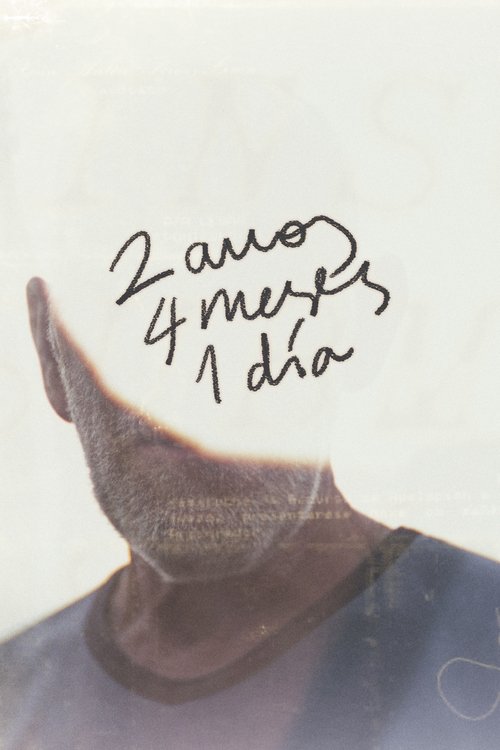
With no choice, César faced leaving his family behind, quitting his job and joining the Army. In an unprecedented chain of events he became the first conscientious objector in Galicia (Spain) to be put in prison. Now, nearly thirty years later, Two Years, Four Months, A Day takes a look at what made him do it.
Take a stroll down Sesame Street and witness the birth of the most influential children's show in television history. From the iconic furry characters to the classic songs you know by heart, learn how a gang of visionary creators changed the world.
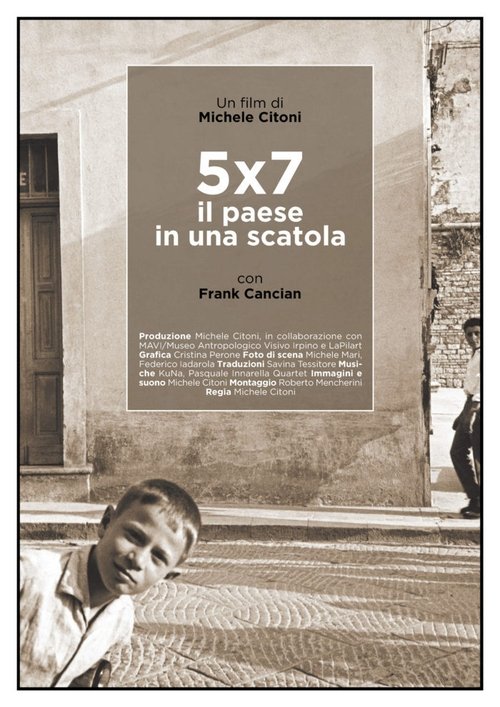
A beautiful collection of pictures ties Frank Cancian, an elderly photographer and retired professor of anthropology, American with origin from Veneto, to the people of Lacedonia, a small town in southern Italy. Thanks to the rediscovery of the photos taken in 1957 by the young Cancian in that rural village where he had arrived almost by chance, the story resumes there where it was interrupted 60 years earlier. And the thread of memories ties back to people and places, bringing with itself some essential reflections on how photography can become an ethnographic look at small communities.
A retrospective of the work of the late actor Warren Oates, with clips from his films and interviews with cast and crew members who worked with him.
A countdown of the top 40 "Blackadder" moments chosen by cast and crew members, celebrity fans and 15 genuine Blackadders.
Filmmaker Maarten de Schutter attempts to reconstruct the lost memories of his mother, AIDS activist and feminist anthropologist Martine de Schutter. Ten years after she was killed by Russia in the Donbas War, Maarten tries to assemble what’s left behind of her life and their shared past.
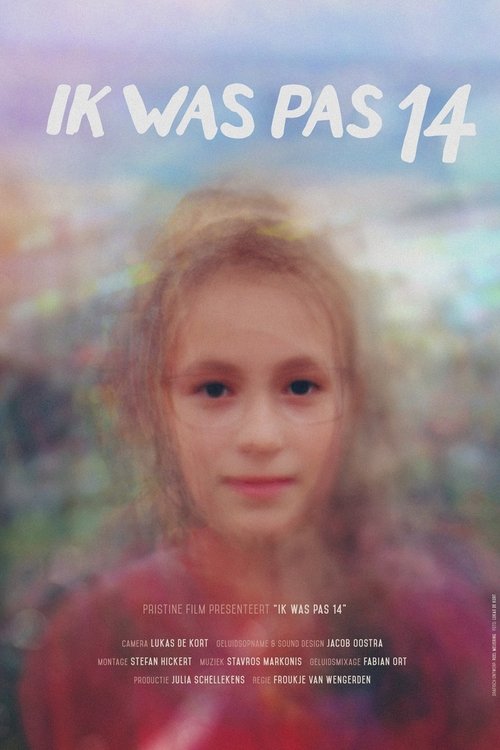
Filmmaker Froukje van Wengerden’s 86-year-old grandmother shares a powerful memory from 1944, when she was just 14. As her story unfolds, we see a group of contemporary 14-year-old girls. Their procession of portraits permits the spectator to see simultaneously forward and back, into the future and towards the past. A miraculous testimonial that uses eye contact to focus the viewer inward and evoke unexpected emotions.
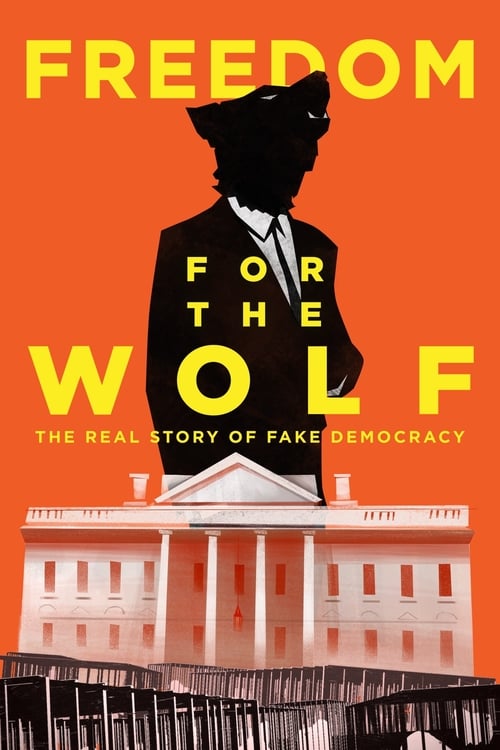
The Real Story of Fake Democracy. Filmed over three years in five countries, FREEDOM FOR THE WOLF is an epic investigation into the new regime of illiberal democracy. From the young students of Hong Kong, to a rapper in post-Arab Spring Tunisia and the viral comedians of Bollywood, we discover how people from every corner of the globe are fighting the same struggle. They are fighting against elected leaders who trample on human rights, minorities, and their political opponents.
Within the video, two screens coexist. On the primary screen, a repetitive action takes place - the photo in the hands is periodically blurred. The focus of the viewer's attention is shifted to the secondary screen, which is more dynamic. The face in front of the camera, resembling clay, tries to take on images from archival photographs and video recordings.
It was aboard the legendary and sturdy Peugeot 504 and Renault 12 that most North African families made the "route du bled," a ritual return to their homeland for summer vacations in Morocco or Algeria. The film chronicles a summer migration across the Mediterranean from the 1970s to the 1990s. The memory of these epic journeys punctuates the history of North Africans in France with bittersweet nostalgia, where travel stories blend industrial automotive heritage with personal memories.
Into the Current tells the story of Burma's unsung heroes -its prisoners of conscience -and the price they pay for speaking truth to power in a military dictatorship.