After his documentary 'Once upon a time Libreville' made in 1972, director Simon Auge recalls the memories of his city dating and what it has become in modern times. "You have to live with your time," he concludes.
Simon Augé
as Simon Augé
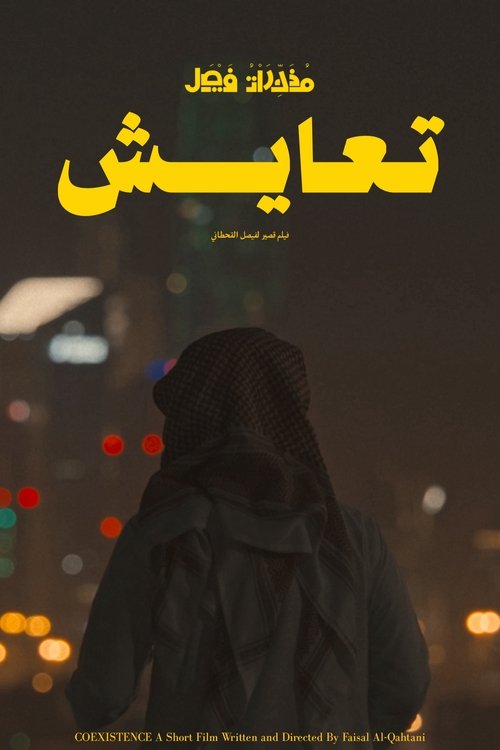
Faisal’s memoirs are the reality of fictional individuals who do not exist. They simply shape the words echoing in their minds onto paper through me. This signifies that their topics are not up for discussion or external solutions. Rather, they are messages with no intended destination.
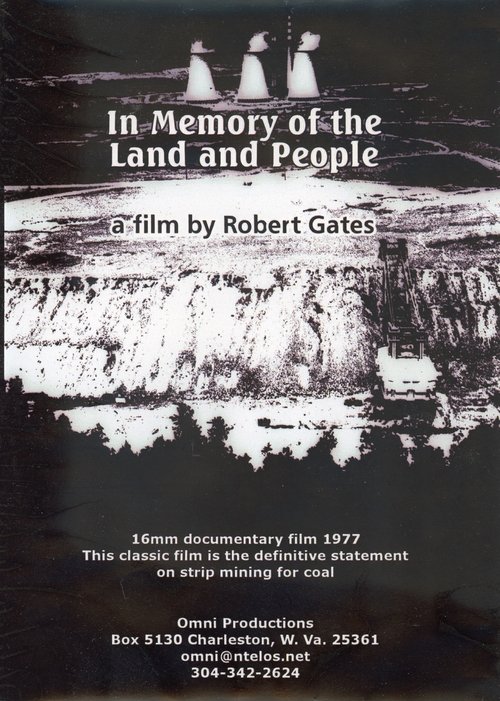
“…It is a film that tells in hurried film sequences and a resonant musical score juxtaposing the sublime, funereal despair of Bartok agains tthe gut-bare tones of folk music. Gates has through his filming technique and meticulously selected mining sites, captured all the outrage and sorrow and indignity to the land and its people that strip mining represents. The film is one that all Americans should see, for it shows extremely well the price we have to pay for strip mined coal.” - Dale A. Burk, The Montana “Missoulian”
The new documentary from Apprehensive Films follows eight Home Haunters in their pursuit to transform their nice suburban homes into visions of the macabre. Their obsession with Halloween has lead them to spend thousands, dedicate countless hours and resources to acheive their horrific attractions and to scare the daylights out of unsuspecting trick-or-treaters. We'll meet all sorts of different haunters from basic yard haunts to one's so extreme they go beyond their property lines. Special features include: Trailers, Spotlight on Hauntcast, Larry Scholl's Tiki Room, Alternate Opening and Behind the Scenes at Night Frights.
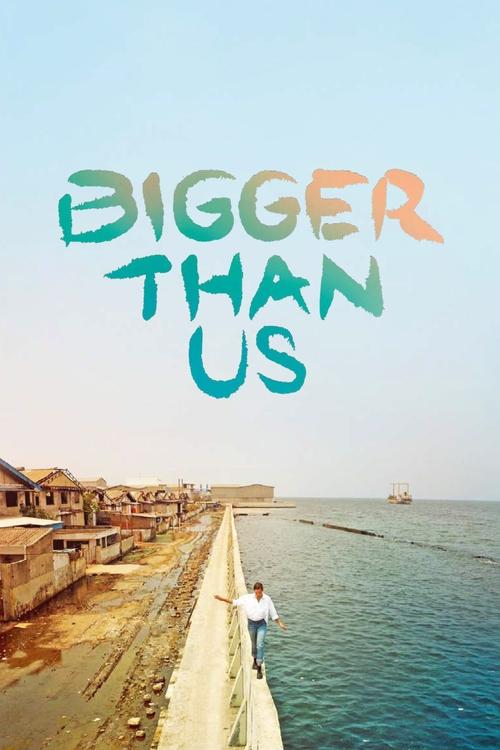
For six years, Melati, 18, has been fighting the plastic pollution that is ravaging her country, Indonesia. Like her, a generation is rising up to fix the world. Everywhere, teenagers and young adults are fighting for human rights, the climate, freedom of expression, social justice, access to education or food. Dignity. Alone against all odds, sometimes risking their lives and safety, they protect, denounce and care for others. The earth. And they change everything. Melati goes to meet them across the globe. At a time when everything seems to be or has been falling apart, these young people show us how to live. And what it means to be in the world today.
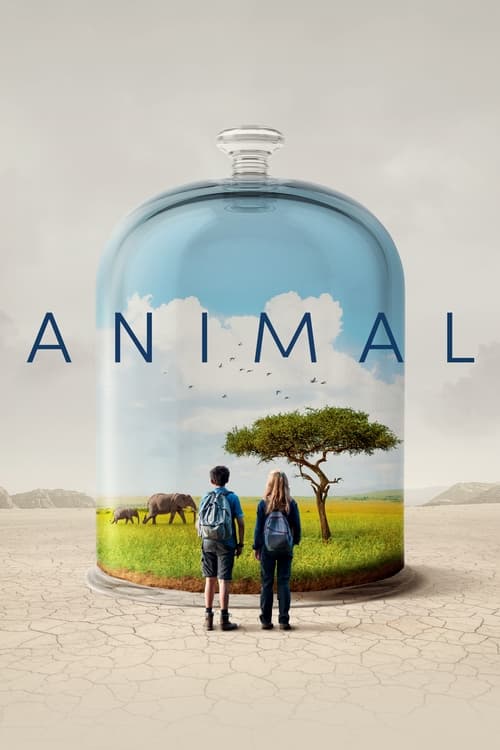
16-year-old Bella and Vipulan are part of a generation convinced its very future is in danger. Between climate change and the 6th mass extinction of wildlife, their world could well be inhabitable 50 years from now. They have sounded the alarm over and over, but nothing has really changed. So they’ve decided to tackle the root of the problem: our relationship with the living world. Over the course of an extraordinary journey, they come to realize just how deeply humans are tied to all other living species. And that by saving them… we’re also saving ourselves. Humans thought they could distance themselves from nature, but humans are part and parcel of nature. For man is, after all, an Animal.
At Brandenburg Gate in Berlin, a man jumps over a barrier. Within seconds, five police officers catch him and push him to the ground. He laughs loudly. Evidently, this is exactly what he was aiming for. Dario is disappointed with current climate policies and sees only one solution: strike out and resist. His resistance has already led to several outstanding criminal proceedings against him in Germany. A request from Switzerland comes at just the right moment to prove himself further: the activist group “Klimastreik” is looking for someone who is willing to commit a “crime”.
Every night women are forced to feel obliged to take precautions in order to feel safe on a night out. This is the story behind the victims of the serial spiking frenzy. A student documentary shot, directed and edited by Naomi Long Music composed by James Roberts Hearing the unsettling realities for women on nights out; Millie Robinson, Zara Mansell, Annie Foulkes and Janice Asare
An on-the-scene documentary following the events of September 11, 2001 from an insider's view, through the lens of two French filmmakers who simply set out to make a movie about a rookie NYC fireman and ended up filming the tragic event that changed our lives forever.
Takes us to locations all around the US and shows us the heavy toll that modern technology is having on humans and the earth. The visual tone poem contains neither dialogue nor a vocalized narration: its tone is set by the juxtaposition of images and the exceptional music by Philip Glass.
It's a warm spring night, and the bee cowboys of Prince Edward Island begin rounding up their hives.
Some 220 miles above Earth lies the International Space Station, a one-of-a-kind outer space laboratory that 16 nations came together to build. Get a behind-the-scenes look at the making of this extraordinary structure in this spectacular IMAX film. Viewers will blast off from Florida's Kennedy Space Center and the Baikonur Cosmodrome in Russia for this incredible journey -- IMAX's first-ever space film. Tom Cruise narrates.
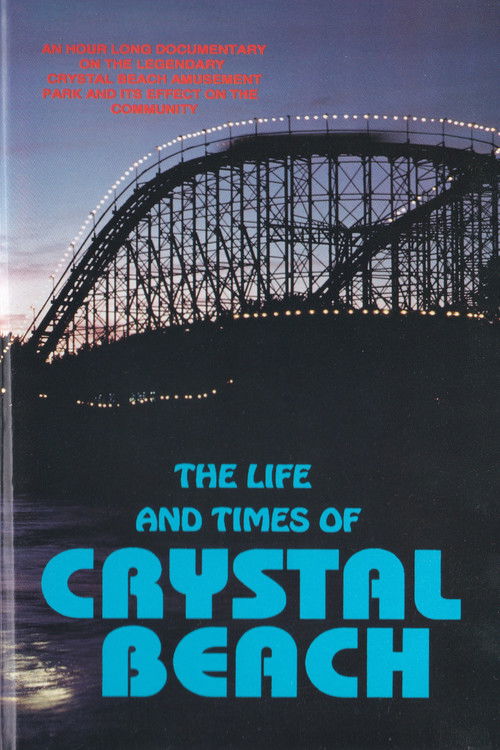
A documentary about the Crystal Beach Amusement Park from inception to its eventual demise and the effect it had on the Crystal Beach community.
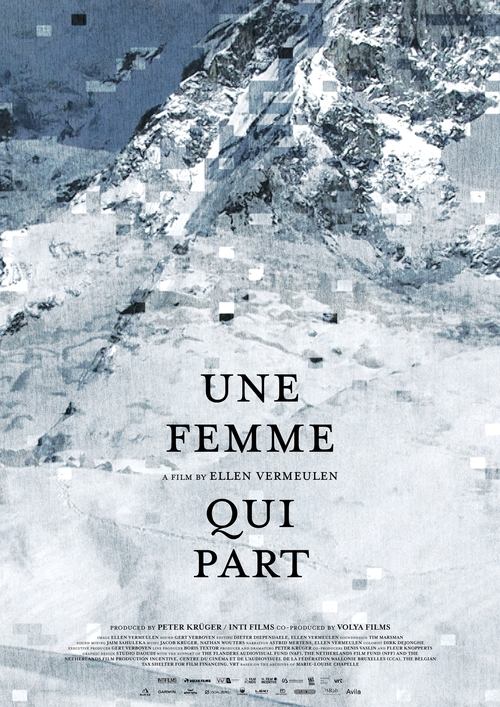
In 1952, Marie-Louise Chapelle was the first French woman to reach an unclimbed peak in the Himalayas. Years later, filmmaker Ellen Vermeulen follows in her footsteps. An intimate journey through snow landscapes in which personal ambitions, social constraints, and the complexity of being a woman take center stage.
THE YES MEN FIX THE WORLD is a screwball true story about two gonzo political activists who, posing as top executives of giant corporations, lie their way into big business conferences and pull off the world's most outrageous pranks.
The day with the sky neither too blue nor too grey. With a hint of red. The train crowded and the backpacks between the feet. The loves on every corner, the ones we pretend not to see.
“Shellmound” is the story of how one location was transformed from a sacred center of pre-historic cultures to a commercial mecca for modern people. What began as a Native American burial ground three thousand years ago, was transformed first into an amusement park, and later an industrial age paint factory. Now, the tainted ancient soil sits beneath the glittering lights of Banana Republic, Victoria’s Secret, and the AMC movie theaters. “Shellmound” examines the decisions made during the recent toxic cleanup, excavation, and construction of the Bay Street mall through the eyes of the city of Emeryville, the developer, the archaeologists, and the native Californians who worked on the site.