Loti García Haoa
as Self
Henri García
as Self (archival footage)
Rodrigo Fernández
Ana María Barón Parra
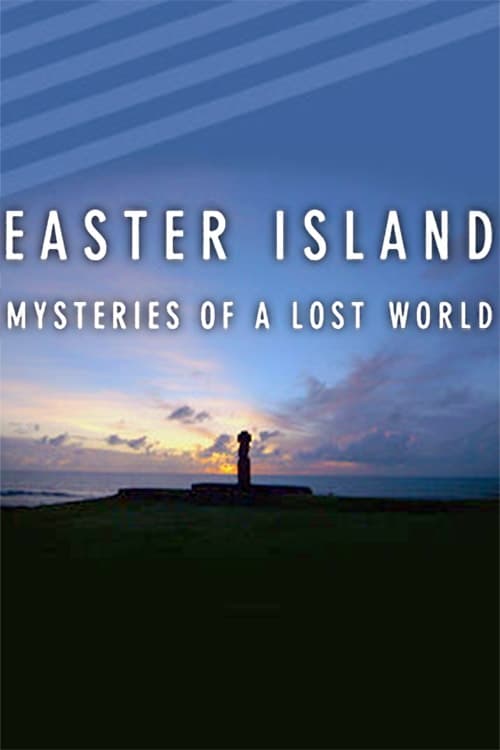
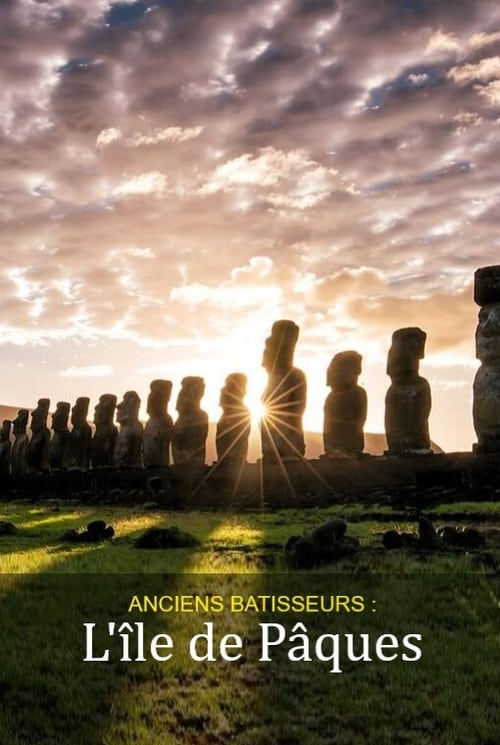
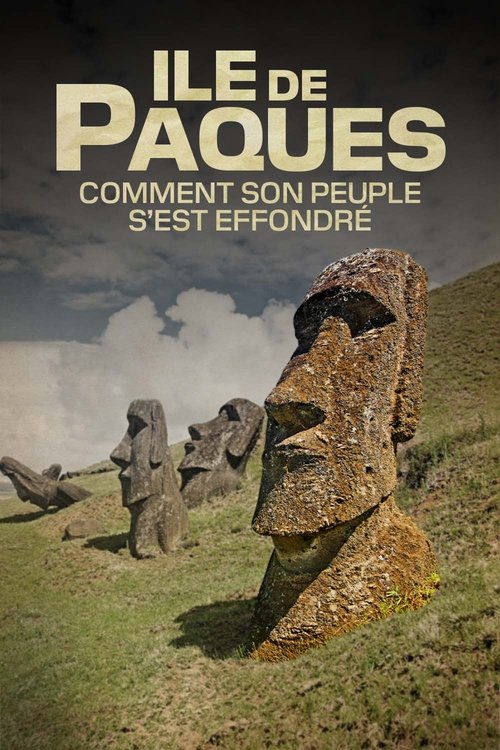
This is a tiny island, lost in the middle of the Pacific Ocean. But it stirs up passions: the Easter Island. Because it owns one of the most precious treasures of humanity: the famous stone statues called moai. Who was this Rapa Nui people who created such a masterpiece? Where did these men and women come from? How did they disappear ?
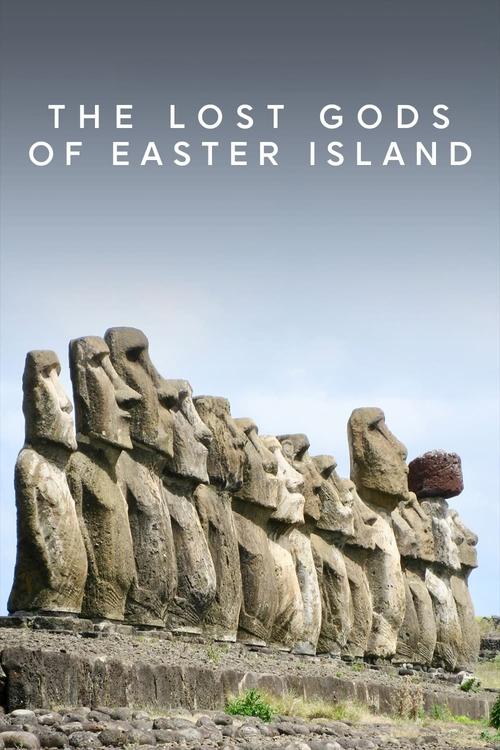
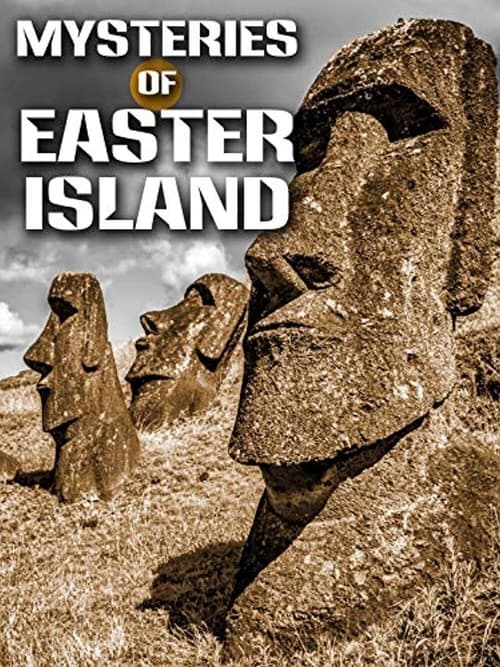
Easter Island has long been the subject of curiosity and speculation. A triangle of volcanic rock in the South Pacific, Easter Island is over 2000 miles away from the nearest population center, making it one of the most isolated spots on Earth. It is best known for the giant stone statues, known as the Moai, that dot the coastline.
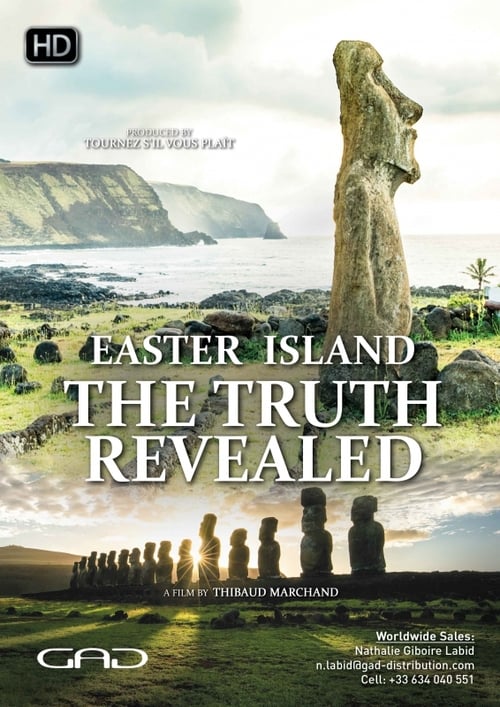
How were the giant stone heads of Rapa Nui – also known as Easter Island – carved and raised, and why? Since Europeans arrived on this remote Pacific island over 300 years ago, controversy has swirled around the iconic ancient statues and the history of the people who created them. Now, a new generation of researchers is overturning old theories, revealing the rich history, innovation, and resilience of the Rapanui people, and uncovering intriguing new evidence about where they – and their practice of monumental stone building – came from.
The contrast between the majestic statues of Easter Island and the desolation of their surroundings is stark. For decades Easter Island, or Rapa Nui as the islanders call it, has been seen as a warning from history for the planet as a whole - willfully expend natural resources and the collapse of civilization is inevitable.
A simple, carved figure bought at an auction in New York leads David Attenborough on a global journey from Russia to Australia, from England back to the Pacific. On the way he delves into a history of the stunning stones on Easter Island.
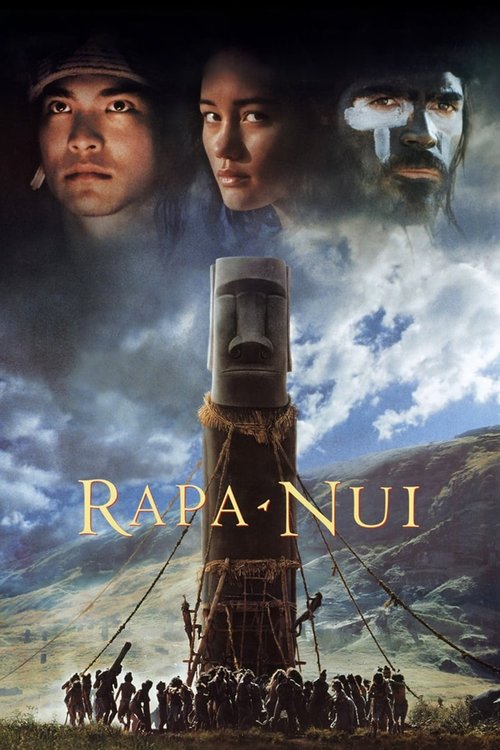
Inter-tribal rivalry leads to a competition to erect a huge Maoi statue in record time before Make can take part in the race to retrieve the egg of a Sooty Tern. The reward for winning this race is to rule the island for one year.
Summoned into life by a god-like deity, two Easter Island statues engage in a fierce battle in outer space.
Although first glance reveals little more than stones and sand, the desert is alive. Witness moving rocks, spitting mud pots, gorgeous flowers and the never-ending battle for survival between desert creatures of every shape, size and description.
William Hart McNichols is a world renowned artist, heralded by Time magazine as "among the most famous creators of Christian iconic images in the world". As a young Catholic priest from 1983-1990 he was immersed in a life-altering journey working as a chaplain at St. Vincent's AIDS hospice in New York city. It was during this time that he became an early pioneer for LGBT rights within the Catholic church. "The Boy Who Found Gold" is a cinematic journey into the art and spirit of William Hart McNichols. The film follows his colorful life as he crosses paths with presidents, popes, martyrs, and parishioners, finding an insightful lesson with each encounter. McNichols' message as a priest, artist and man speaks to the most powerful element of the human spirit: Mercy.
The Remix: Hip Hop x Fashion highlights the hidden female figures that have curated and shaped hip-hop’s dynamic streetwear and ultimately swayed the entire fashion industry.
Raúl Juliá: The World’s a Stage is a warm and revealing portrait of the charismatic, groundbreaking actor’s journey from his native Puerto Rico to the creative hotbed of 1960s New York City, to prominence on Broadway and in Hollywood. Filled with passion, determination and joy, Juliá’s brilliant and daring career was tragically cut short by his untimely death at age 54.
A history of the political and social repression carried out by the ruthless regime of Spanish dictator Francisco Franco between 1936 and 1975 that focuses on the lives of gays and lesbians during those dark years and the death of the Spanish gay poet Federico García Lorca.
Both Mahmoud and Zeinab join hands to search for the original version of the first Egyptian independent film that was made back in the 1980s, all copies of which were either destroyed or confiscated for unknown reasons by the government film agency, an entity that governed film production and distribution at the time.
Since the late 18th century American legal decision that the business corporation organizational model is legally a person, it has become a dominant economic, political and social force around the globe. This film takes an in-depth psychological examination of the organization model through various case studies. What the study illustrates is that in the its behaviour, this type of "person" typically acts like a dangerously destructive psychopath without conscience. Furthermore, we see the profound threat this psychopath has for our world and our future, but also how the people with courage, intelligence and determination can do to stop it.
Short documentary about Lalo Parra Bello, a film director and actor from Ayacucho. Through his story, we discover the filmmakers of a growing industry that, despite its rapid growth, remains largely unknown because it operates far from the capital.
Black and white evokes nostalgia for The Great Depression. Things were so cheap, including lives. We see daredevils (desperate people) compete for money prizes. Baby prepares for WW2. [Originally a 70mm projection-performance, 1982, by Ken and Flo Jacobs. From THRILLS AND CHILLS (Castle Films, c. 1930)].
Documentary made by Marianne Thieme in which the chances of a plant-based society are examined.