For the first time a camera filming a Spanish military academy. The film documents the transformation of some boys who dream of flying and flying planes just military school How the war?
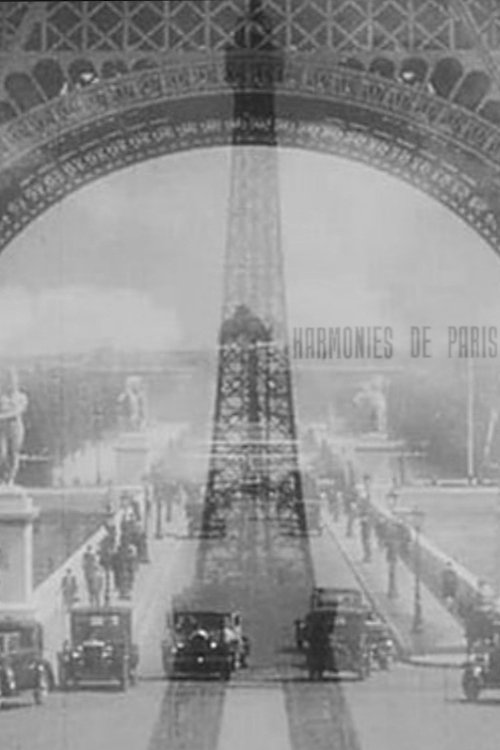
Harmonies de Paris, restored by the Cinémathèque Française in the 1990s, was shot entirely on panchromatic film and was meant to be a documentary tour of Paris in thirteen thematic chapters. The subject is a tourist group arriving in the French capital by airplane, which explains the many shots of monuments and other canonical places.
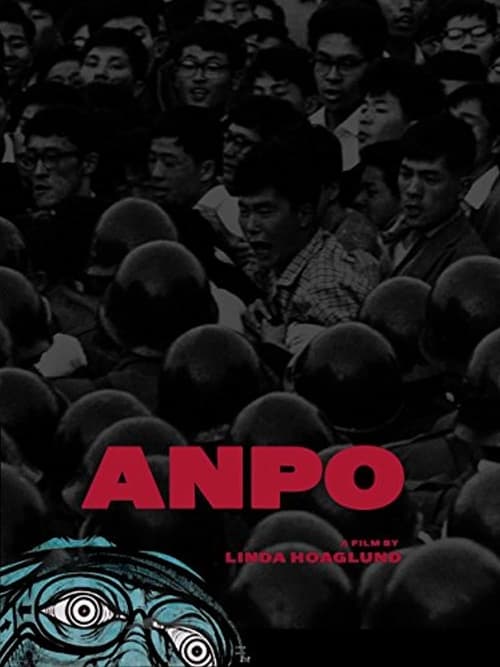
ANPO: Art X War tells the story of Japan's historic resistance to U.S. military bases in Japan through an electrifying array of artwork created by Japan's foremost artists. The film articulates the insidious, lasting impact that the U.S. military presence has had on Japanese lives, and the creative processes that artists have devised to transmit the spirit of resistance.
Born This Way is a portrait of the underground gay and lesbian community in Cameroon. It follows Cedric and Gertrude, two young Cameroonians, as they move between a secret, supportive LGBT community and an outside culture that, though intensely homophobic, is in transition toward greater acceptance.
Beth B takes us into the 21st century underground and reveals a secret world where cutting-edge performers are taking hold of a taboo art form, Burlesque, and driving it to extremes that most people have never seen. It's satire. It's parody. It's a populist blend of art and entertainment that gives new meaning to the word "transgression." Above all, it's a lot of fun, and it will blow your mind.
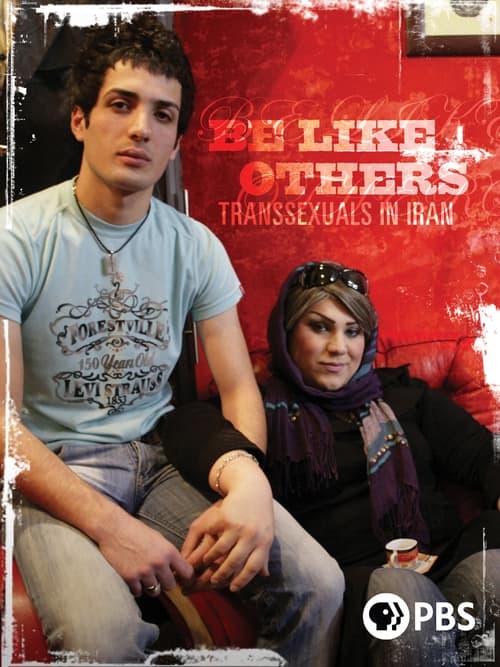
An intimate and unflinching look at life in Iran, seen through the lens of those living at its fringes, 'Be Like Others' is a provocative look at a generation of young Iranians choosing to undergo gender reassignment surgery.
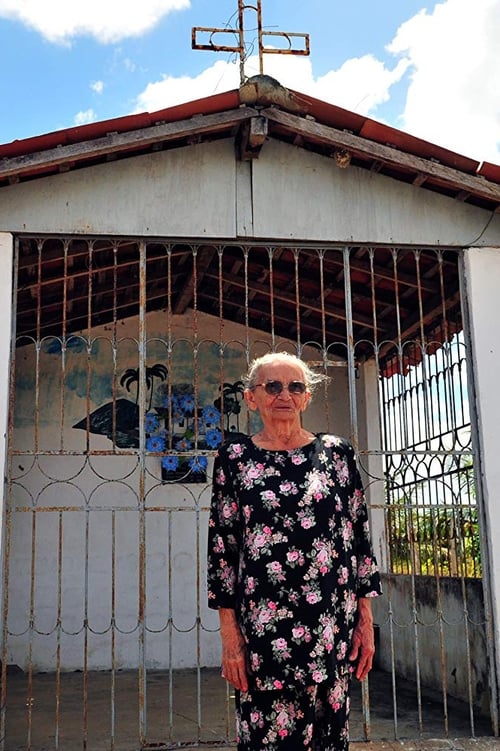
Short documentary about a woman known from a film by Eduardo Coutinho.
Su Friedrich's personal essay charting the destruction of Williamsburg, Brooklyn. After living in the neighborhood for 20 years, the filmmaker was one of many who were forced out after the city passed a rezoning plan allowing developers to build luxury condos where there were once thriving industries, working-class families, and artists. Filmed over many years, it is a scathing portrait of one neighborhood's demolition and transformation.
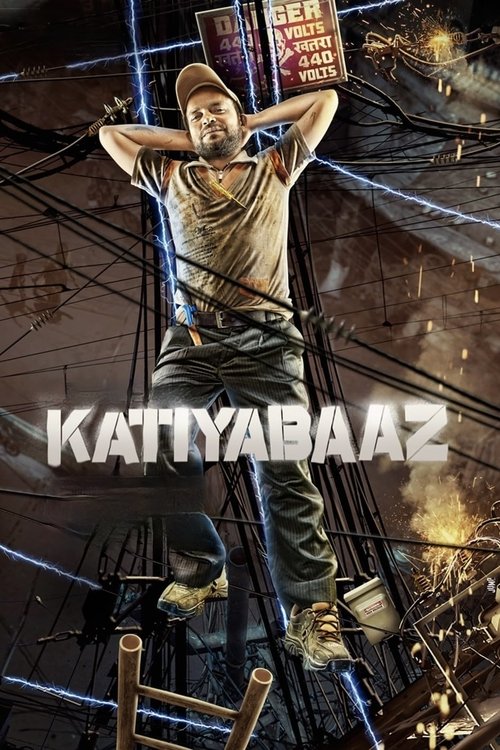
In Kanpur, India, an electricity thief provides Robin Hood style services to the poor in the face of day long power-cuts. Meanwhile the first female chief of the local electricity supply company has vowed to put an end to all illegal connections, for good. In a summer of crisis, both come to terms with India's energy poverty.
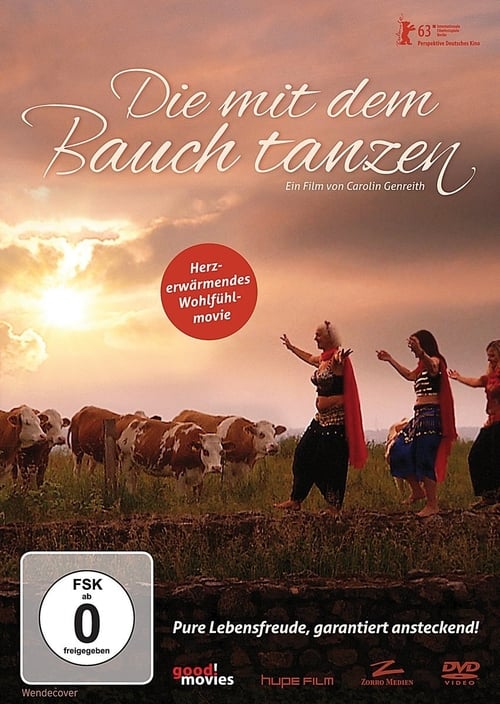
Director Carolin Genreith takes a warmly ironic look at her mother and her female friends but also addresses her own fears and vanities. A vibrant portrait which looks beyond the borders of one twentysomething’s coolly urban lifestyle in Berlin to examine the travails of menopause – as well as the art of banishing one’s fear of ageing with a well-placed hip thrust.
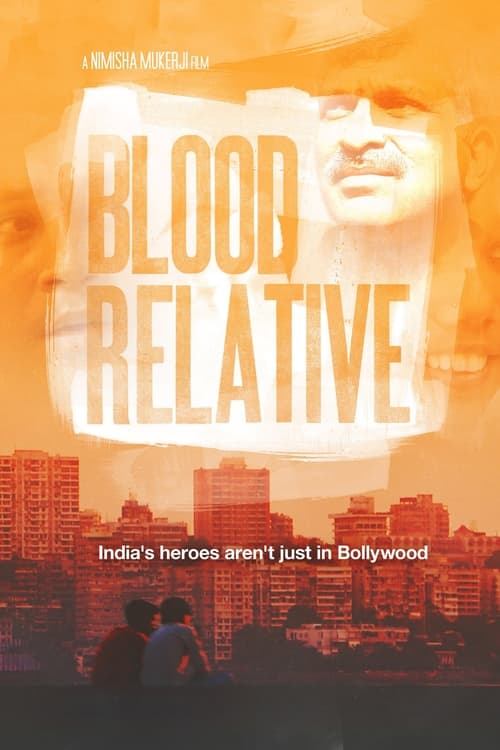
Proving that India's heroes aren't just in Bollywood, Blood Relative follows the remarkable story of an activist fighting to save two young adults who are dying from the blood disease thalassemia. Suffering stunted growth and lacking access to medication, they remain trapped in the bodies of children. Chronicling one man's battle, the film exposes modern India"s broken healthcare system.
Marble—in its raw state and as a noble product—is the matter that Quarry is made of. The film portrays two distinct interiors, a large underground marble quarry in Vermont, and several showrooms of Manhattan luxury condos. In between stands a solid reflection about the material choices associated to these architectures and the stone's value within a speculative economy.
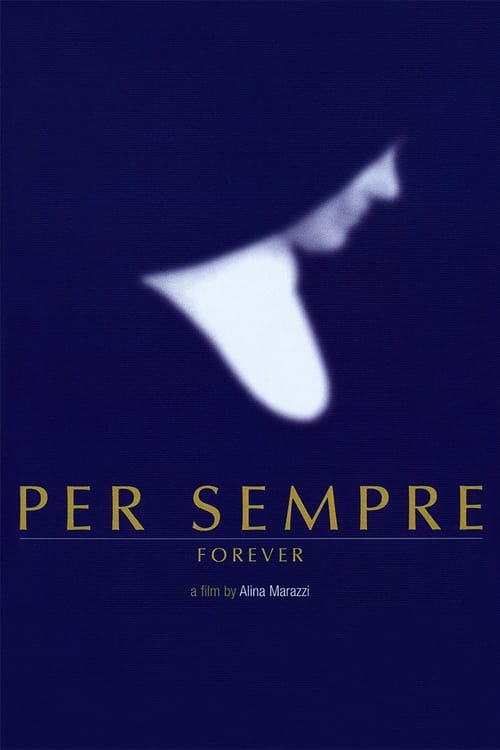
Per Sempre (Forever) examines the reasons that spur certain women to choose a religious life within a monastic community. The film starts with the fundamental question that prompts the film director to confront this reality: how is it possible, today, for a woman to make an extreme and permanent choice, one that will last forever?
Raül, a farmer who tries to grow organic food, hires Iurie, a Moldavian wrestling fighter, to help him in the fields. Slowly, their personal histories intertwine with those of three solitary women.
Documentary that traces the last months of Michael Jackson's life, examines the circumstances that led to his untimely passing, and explores the controversy surrounding a death that many say could have been prevented.
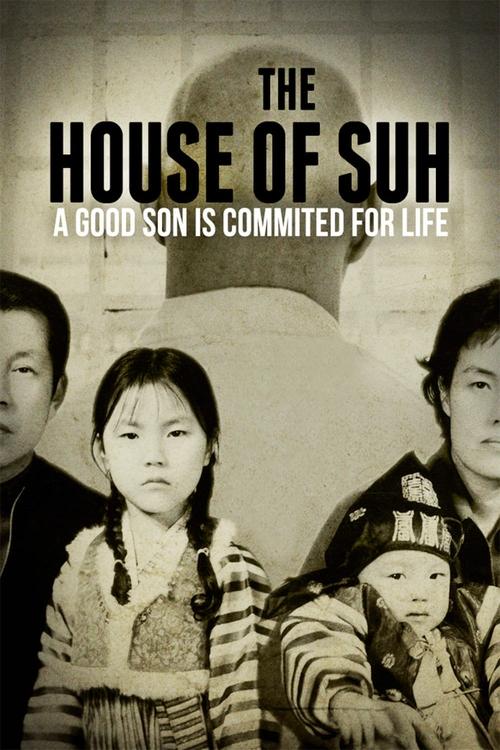
The House of Suh” tells the story of Andrew and his sister Catherine, and how the values, conflicts, and dysfunctions of their Korean immigrant family led to the murder of Robert O’Dubaine. Eloquently narrated by Andrew, the documentary highlights issues of assimilation and the struggle between freedom and responsibility, raising questions about guilt, innocence, and the illusive gray area in-between.
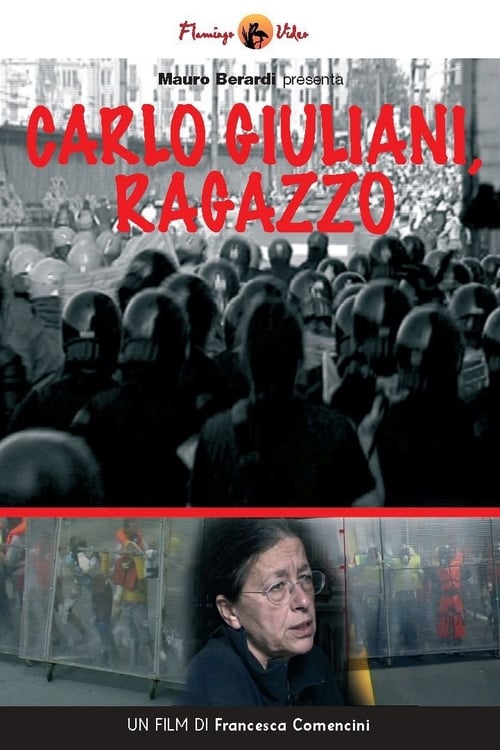
The film recounts Carlo Giuliani’s day of July 20 and, parallel to it, the July 20 of the march of the ‘disobedients’, or the ‘white overalls’, among whose ranks Carlo died. An individual’s story is told in all its absolute concreteness, the friends he meets, the snack bar he goes to for a bite, the roll of scotch tape he picks up on the street; whereas a multitude’s story is told in all its epic tragedy, the night under the rain, the colossal preparation against the march, the advance behind shields, the attack of which the multitude was victim, the defense that gets organized.
America Undercover goes to the Madison Hotel in the skid-row section of downtown Los Angeles and talks to some of the desperate people living there. It talks to a prostitute and heroin addict named Becky, a drug dealer and traveler names John, and an heavy drinking alcoholic named Jack Woodrow Wilson.
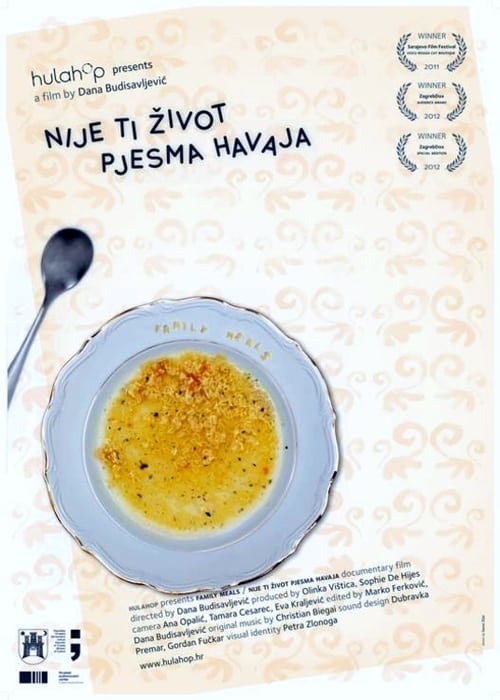
Do you remember the last time you've talked to your parents? What did you talk about? Have you gone step further from weather forecast and daily politics? Five years after last gathering, a birthday celebration brings together an ordinary four member family. They start questioning what made them turn away from each other... Can having a conversation about buried family secrets help them eat without cramps in the stomach in the future? Can a failed birthday cake help them overcome the past? Through the ritual of family meals, the film tells how important is for us to feel accepted by our loved ones.
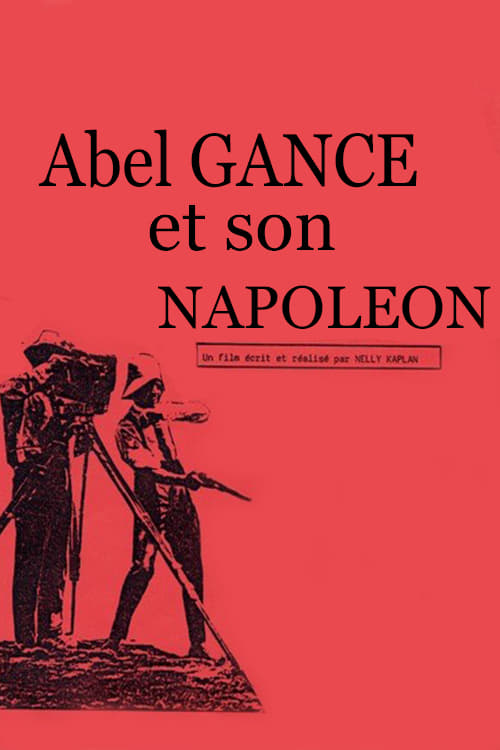
This documentary focuses on the making of the 235-minute, silent epic Napoleon, the masterpiece of French director/writer/actor Abel Gance. Napoleon showcased Gance's talents with the camera, his use of multiple-images (like a split screen), and his handling of crowded action scenes -- all brought forward in this documentary by his later assistant, Nelly Kaplan. While Gance was shooting Napoleon in 1925-26, he and his crew were also being filmed for a documentary titled Autour de Napoleon. The only extant reels from that documentary are included in this film, as well as views of Gance's unique "triptychs" -- three different scenes lined up side-by-side across a super-wide screen to convey the effect of a panorama, or of three separate interludes. Nelly Kaplan put together this documentary using old footage, such as Gance filming the famous snowball fight at the Brienne military school and still photographs and excerpts from Gance's production diaries.