The career and legacy of Spanish-Dominican photographer Wifredo García.
Freddy Ginebra
as
Carlos Acero
Ruiz Guadalupe
Casasnova
Rafael Sánchez Cernuda
Wilfredo José García
Margarita García de Vargas
Ángela Caba
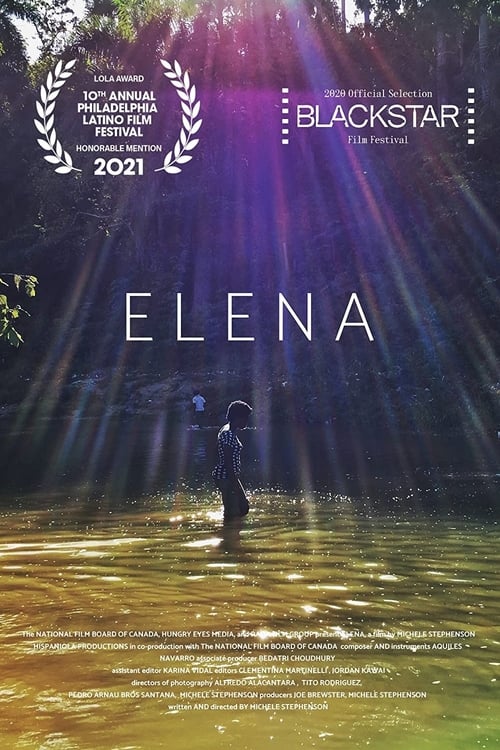
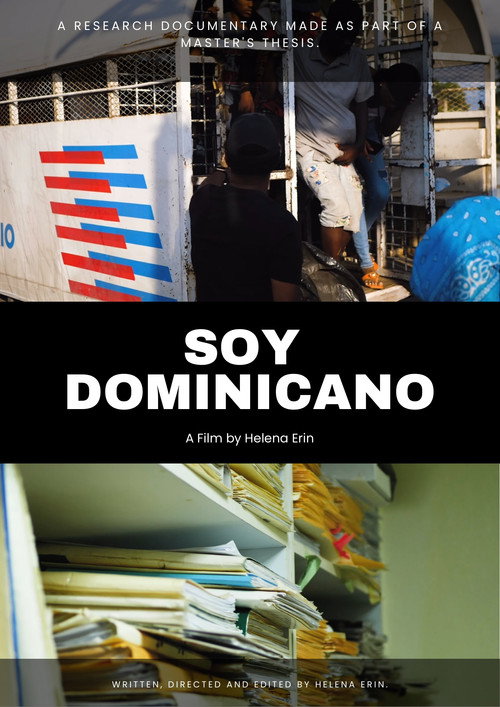
In 1937, tens of thousands of Haitians and Dominicans of Haitian descent were exterminated by the Dominican army, on the basis of anti-black racism. Fast-forward to 2013, the Dominican Republic's Supreme Court stripped the citizenship of anyone with Haitian parents, retroactive to 1929, rendering more than 200,000 people stateless. Elena, the young protagonist of the film, and her family stand to lose their legal residency in the Dominican Republic if they don't manage to get their documents in time. Negotiating a mountain of opaque bureaucratic processes and a racist, hostile society around, Elena becomes the face of the struggle to remain in a country built on the labor of her father and forefathers.
Two top baseball prospects in the Dominican Republic face fierce competition and corruption as they chase their big league dreams.
Director Michèle Stephenson’s new documentary follows families of those affected by the 2013 legislation stripping citizenship from Dominicans of Haitian descent, uncovering the complex history and present-day politics of Haiti and the Dominican Republic through the grassroots electoral campaign of a young attorney named Rosa Iris.
About the history of the Dominican Republic's visual arts from the perspective of color given by the incidence of light in the island, alongside the historical events that defined its master artists.
Portrays the adventure of the first Dominican expedition to reach the top of Mount Everest in Nepal. It contrasts the highest mount in the world with the low lands of the Caribbean, as the three climbers surpass the difficult track to the top. At the same time, three Dominican children, son of fishermen, start their own challenge in climbing the highest mountain in the island.
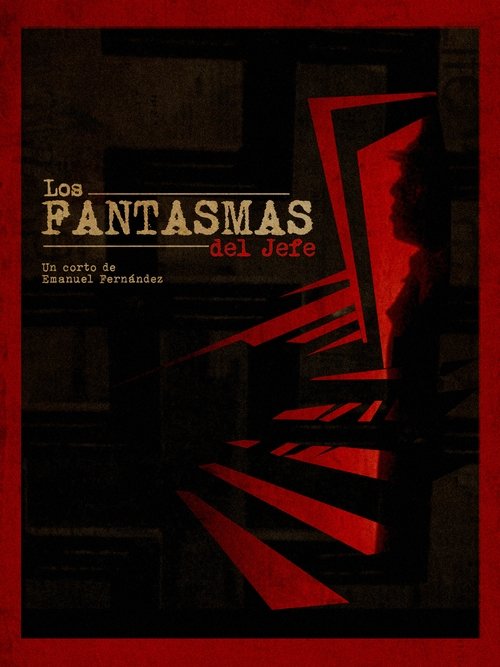
The past drags itself into the present day, taking us back to the era of the Dominican Republic's greatest dictator, while we explore the traces of Nazism in the corners of the island. This short documentary borders on a dark and little-known aspect of Dominican history, taking the viewer on a subversive journey through time and memory.
Artist Rolf Schulz's pursuit to make his dreams come true through his endless toil to complete the majestic Mundo King Castle on a hill in the Dominican Republic
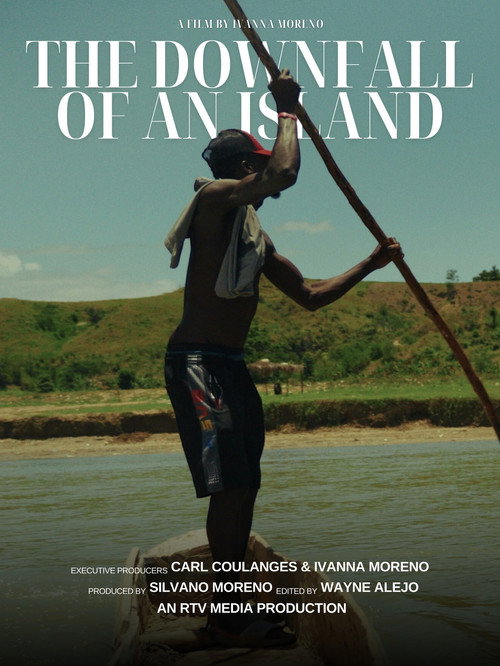
The movie tells the story of the people who live along Yaque del Norte, the longest and most important river in the Dominican Republic, and how that stream of water plays an essential role in their lives.
In the Dominican Republic, as early as 1512, African slaves escaped from Spanish plantations and lived with the island’s Taíno Indians or on their own in mountainous jungles in the remote frontier land of Hispaniola. These people who were known as “cimarrones,” meaning “maroons,” created their own independent communities that have survived for centuries and until recently remained isolated from mainstream Dominican society. These resilient and resourceful “outlaws” have long developed their own celebrations, many of which mock a society that enslaved and branded them. Cimarrón Spirit explores carnival traditions such as the ritualistic fire burning of the masks and costumes of “Judas,” “Cocorícamo,” and “Tifúas,” as figures important to the cimarrón culture of Elias Piña.