“This film is a reading and critical analysis of Michelangelo’s artistic language compiled with the visual language of cinema.”
Carlo Ludovico Ragghianti
as Narrator (voice)
The Victorian era is often cited for its lack of sexuality, but as this documentary reveals, the period's artists created a strong tradition surrounding the classical nude figure, which spread from the fine arts to more common forms of expression. The film explains how 19th-century artists were inspired by ancient Greek and Roman works to highlight the naked form, and how that was reflected in the evolving cultural attitudes toward sex.
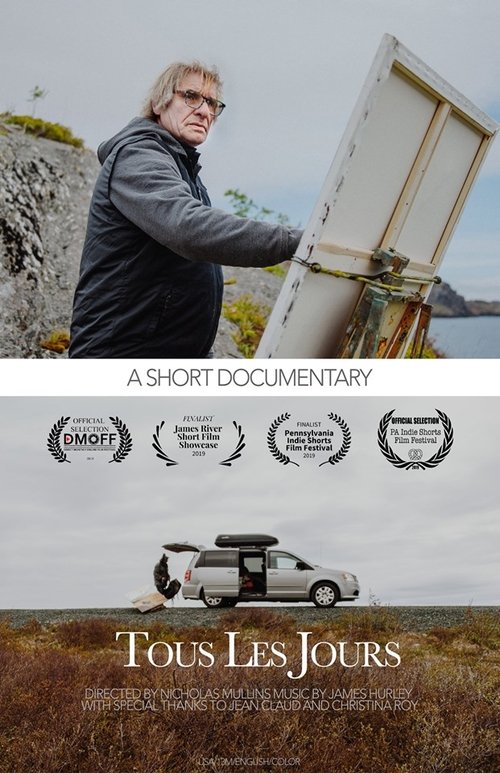
In rocky Newfoundland, renowned French artist Jean Claude Roy gathers his paints and sets off to face the day. Whether it be freezing snow, violent wind, or pouring rain, he commits vibrant colors to canvas and conquers the day by weaving crooked beauty out of difficulties.
This documentary explores the perspectives of three Venezuelan artists from three different generations on what it means to be an artist in Venezuela.
Tarology follows Enrique through the streets of New York City as he shows us how to see the tarot - not superstitiously, but through the eyes of an artist - and how we are surrounded everyday by both the beauty and the symbolism of this ancient and often misunderstood tradition.
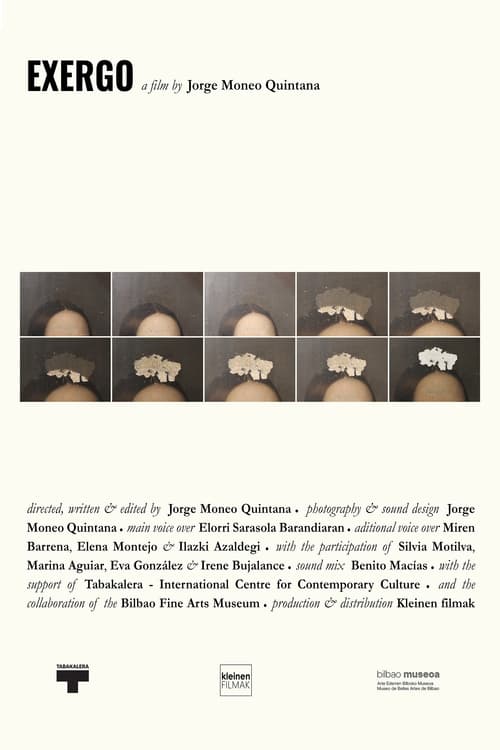
Departing from peripheral details of some paintings of the Bilbao Fine Arts Museum, a female narrator unravels several stories related to the economic, social and psychological conditions of past and current artists.
On the 45th anniversary of GrETUA – the Experimental Theatre Group of the University of Aveiro – photography and its subjects narrate a journey through the memories of generations upon generations who helped shape this space of learning and creation. "There is no birthday party, this is all a photograph" reflects on memory through the emotional language of these encounters.
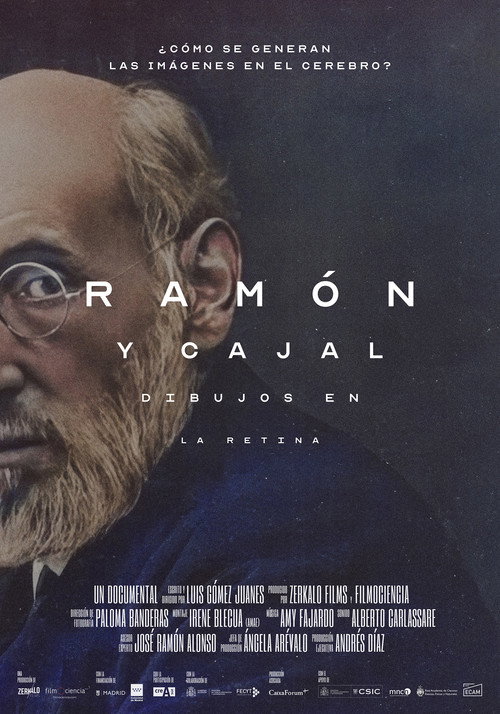
“Ramón y Cajal: drawings on the retina” is a documentary about the Nobel Prize winner that explores, from a contemporary perspective, his fascination with images as a bridge between the reality of the physical world and that created in the brain, with a new integrative approach to his artistic and scientific facets and his legacy, told through the experiences and points of view of researchers, artists, historians, family members, and other experts who consider Cajal a visionary who transcended his own science. In one of the laboratories, a machine answers Cajal's last question: how are images formed in the brain?
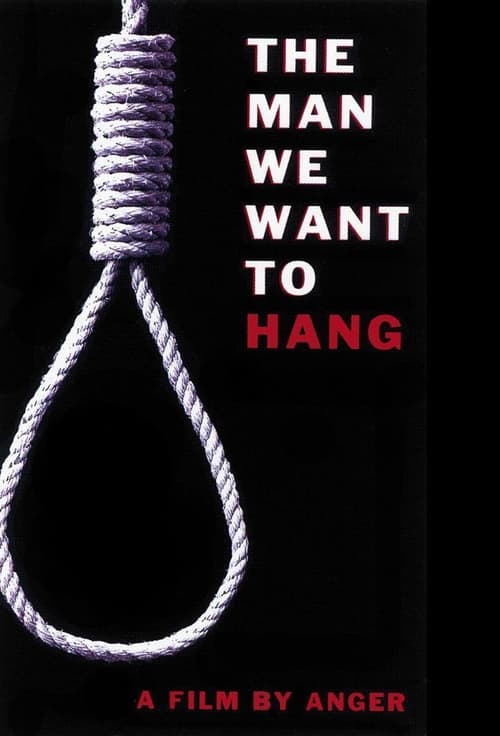
"The Man We Want to Hang" is a 12-minute short, consisting of Anger filming borrowed paintings done by legendary and controversial occultist Aleister Crowley.
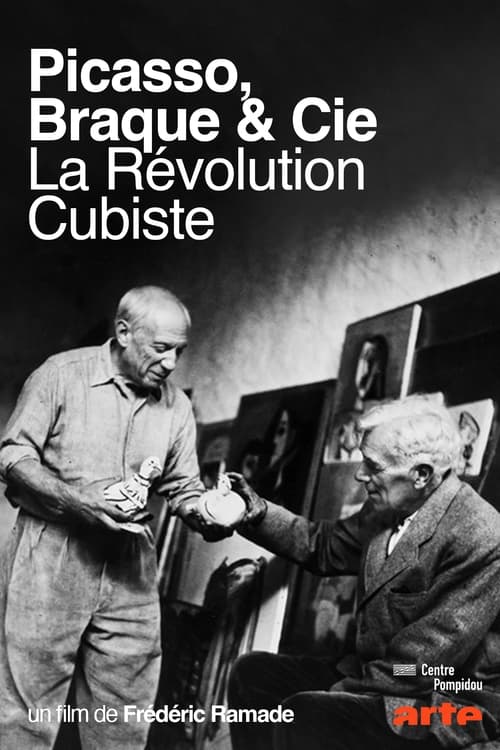
In 1906, Georges Braque and Pablo Picasso were 24 and 25 years old. The Butte Montmartre is their Parisian sanctuary where artists in need of recognition meet. Braque and Picasso become friends to the point of never leaving each other. For the moment, their paintings do not interest many people; only Apollinaire, then aged 26, and the young gallery owner Daniel-Henry Kahnweiler, 22, saw immense potential in them. And in addition to their passion for painting, these four inseparable boys share the same appetite for modernity. Collages, diversions of materials and geometrization of forms: cubism opened the way to abstraction. A revolution initiated by Picasso and Braque, which profoundly changed the course of the history of modern art.
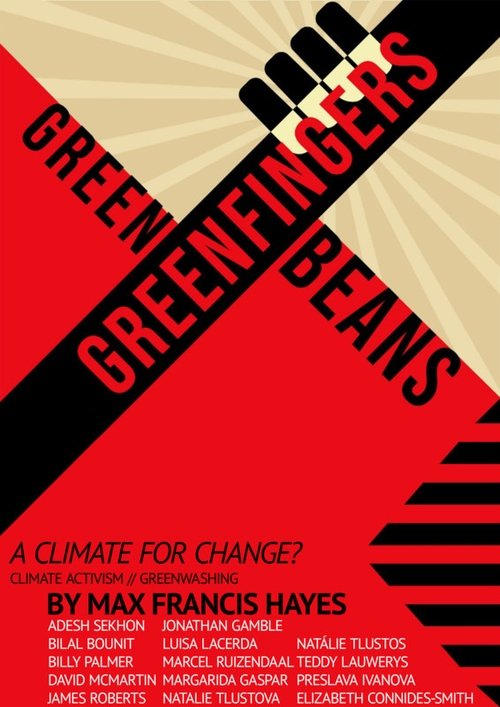
Following fateful scientific reports, protestors pose the argument for a better future against the vested interest of industry. Small to large, individual to collective, where do I fit into this?
The work of painter Joan Miró is more alive than ever 35 years after his death. Grandson Joan Punyet travels the world and paints the picture of his grandfather-seeker, for whom freedom in creation was a necessity. Miró was very attached to his homeland and this is regularly reflected in his often experimental concepts. Fellow artists talk about their collaboration with Miró and rare images show us the artist at work, right up to his last days.