This award-winning 1982 documentary includes in-depth interviews with Willem and Elaine de Kooning as well as archival footage of Willem de Kooning, Franz Kline, and Harold Rosenberg in conversation.
Willem de Kooning
as Self
Franz Kline
Harold Rosenberg
Elaine de Kooning
Dustin Hoffman
Arshile Gorky
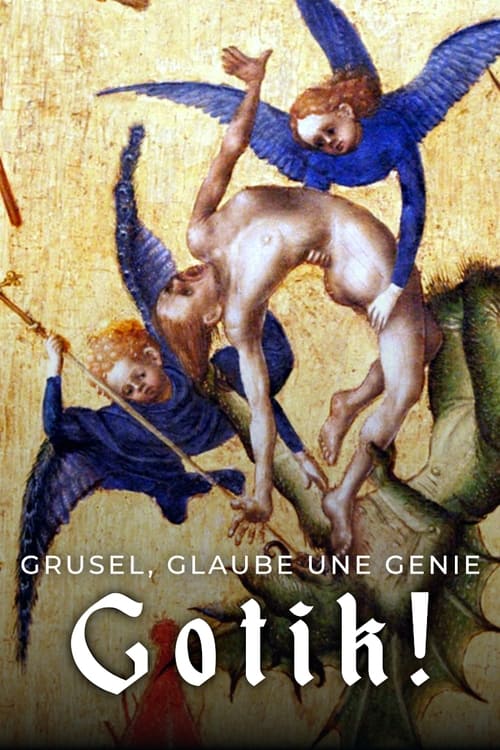
Death and the devil, nudity and eroticism, horror in blazing colours, Gothic art cast a spell over people 500 years ago. In these image-poor times, art deliberately and skilfully played with the emotions of the viewer, triggering fear, devotion, but also rapture. Art documentary on German gothic art of the late-middle ages.
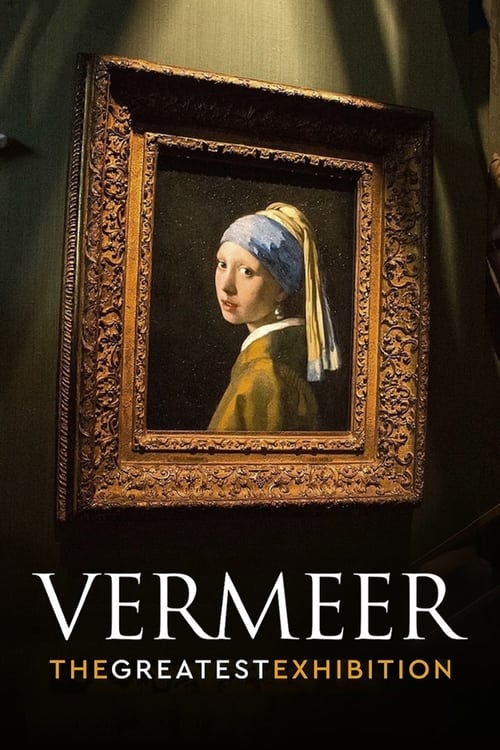
With loans from across the world, this major retrospective will bring together Vermeer’s most famous masterpieces including Girl with a Pearl Earring, The Geographer, The Milkmaid, The Little Street, Lady Writing a Letter with her Maid, and Woman Holding a Balance. This film invites audiences to a private view of the exhibition, accompanied by the director of the Rijksmuseum and the curator of the show.
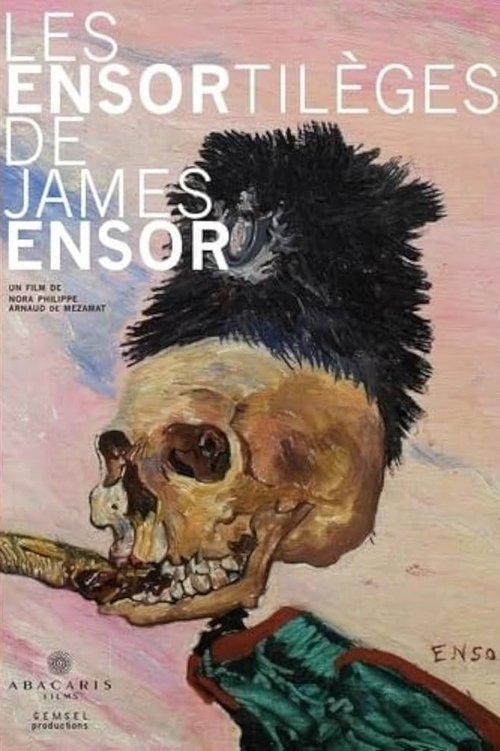
This film explains what James Ensor (1860-1949) meant for the development of art and makes palpable where he got his inspiration from.
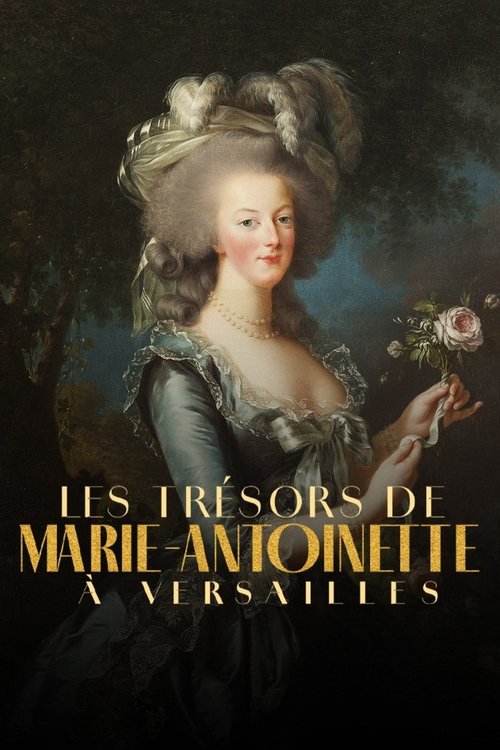
Over time, Queen Marie-Antoinette, who was the most hated woman of her time, experienced a spectacular return to favor. Today, historians and curators show another character: an independent and loving woman in constant search of intimacy who knew how to keep her secrets; a woman with refined, feminine and modern taste who marked her time. At Versailles, in this sublime setting cut off from the world where she barricaded herself, Marie-Antoinette cultivated her own style and influenced, throughout Europe, the tastes of her time.
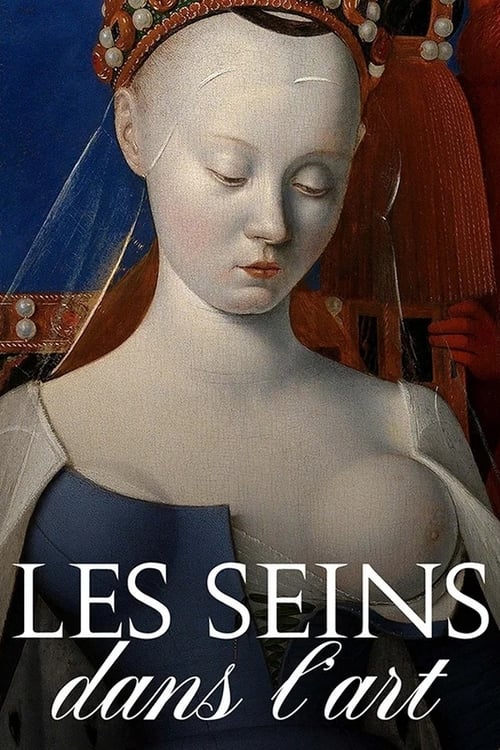
The female breast has been a motif for as long as there has been art. For centuries, people have been creating works that showcase this intimate and emotionally charged part of the body. Today, female artists are questioning traditional ideals of beauty and countering the male-dominated perspective of the breast with their own.
Quest for Beauty is a film documentary on the life and prolific art career of William Schickel who was a prominent 20th century Catholic artist. Schickel had a very prolific art career spanning sixty-plus years; he produced a large body of mostly commissioned work in painting, sculpture, stained glass, and architectural design. He is most well-known for his renovation of the Abbey of Gethsemani in Kentucky, where he worked personally with Thomas Merton. His works can be found in numerous private collections and museums, including the Vatican Museum. The film explores his Quest for Beauty and the challenges he faced, and his vision for the Church and his heart for unity in the Body of Christ.
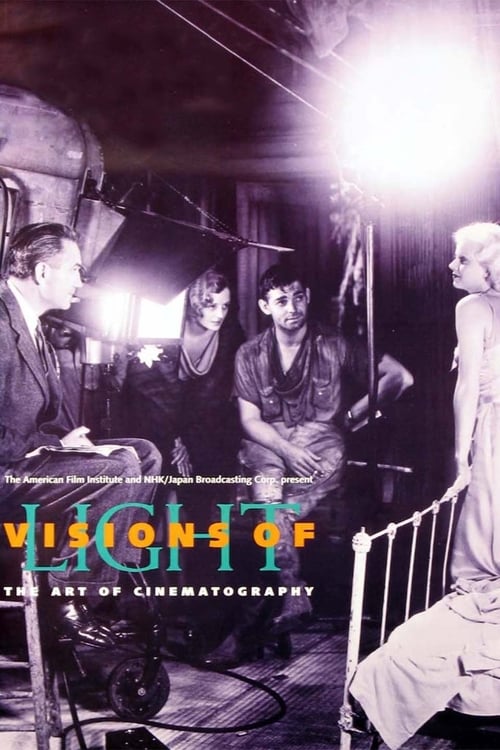
Cameramen and women discuss the craft and art of cinematography and of the "DP" (the director of photography), illustrating their points with clips from 100 films, from Birth of a Nation to Do the Right Thing. Themes: the DP tells people where to look; changes in movies (the arrival of sound, color, and wide screens) required creative responses from DPs; and, these artisans constantly invent new equipment and try new things, with wonderful results. The narration takes us through the identifiable studio styles of the 30s, the emergence of noir, the New York look, and the impact of Europeans. Citizen Kane, The Conformist, and Gordon Willis get special attention.
On the 45th anniversary of GrETUA – the Experimental Theatre Group of the University of Aveiro – photography and its subjects narrate a journey through the memories of generations upon generations who helped shape this space of learning and creation. "There is no birthday party, this is all a photograph" reflects on memory through the emotional language of these encounters.
Until his death in 1994, the twentiethcentury master Paul Delvaux was the last surviving member of the first generation of surrealist painters. In this portrait, he reminisces about his family, himself, his art and the various phases of his career. He explains that all his visual ideas are derived from childhood memories and the film shows the way in which these scenes have been incorporated into his work. The painter is seen as a young man (the earliest footage dates from 1945) and the film includes some unique shots of the extraordinary Musée Spitzner.
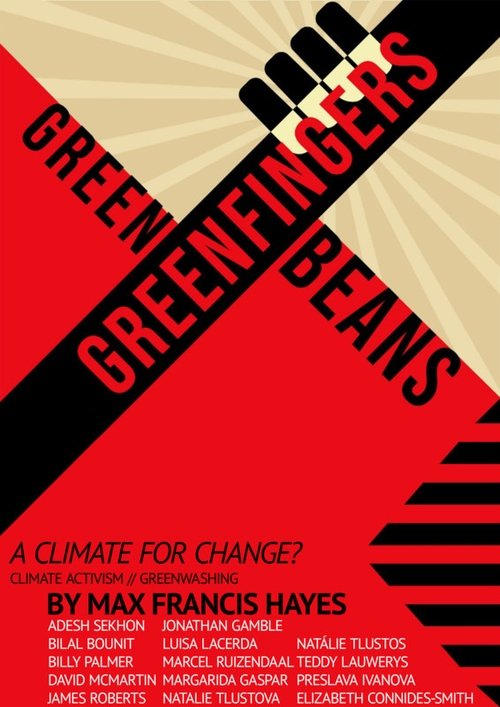
Following fateful scientific reports, protestors pose the argument for a better future against the vested interest of industry. Small to large, individual to collective, where do I fit into this?
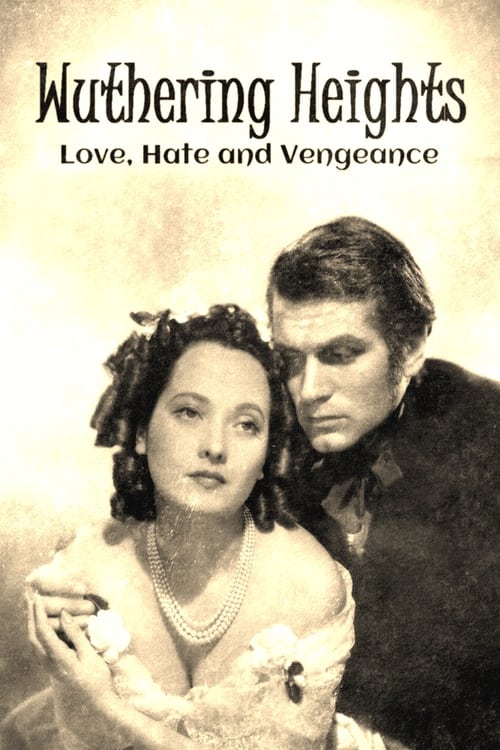
In 1847, British writer Emily Brontë (1818-48), perhaps the most enigmatic of the three Brontë sisters, published her novel Wuthering Heights, a dark romance set in the desolation of the moors, a unique work of early Victorian literature that stunned contemporary critics.
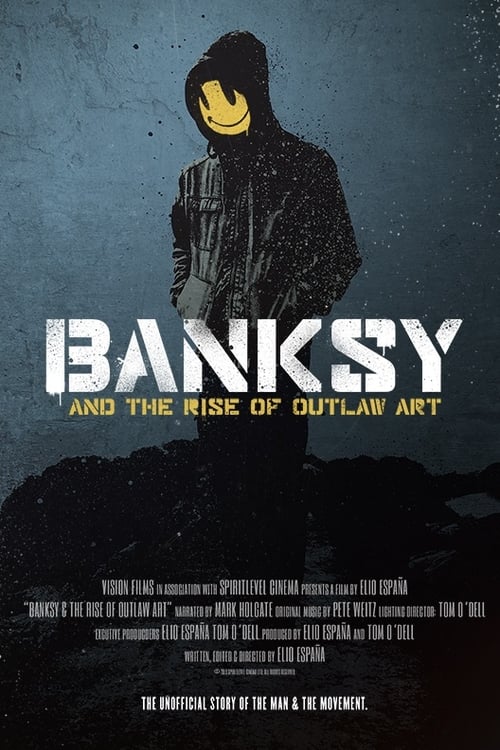
Banksy is the world's most infamous street artist, whose political art, criminal stunts and daring invasions have outraged the establishment for over two decades. Featuring rare interviews with Banksy, this is the story of how an outlaw artist led a revolutionary new movement and built a multi-million dollar empire, while his identity remained shrouded in mystery.
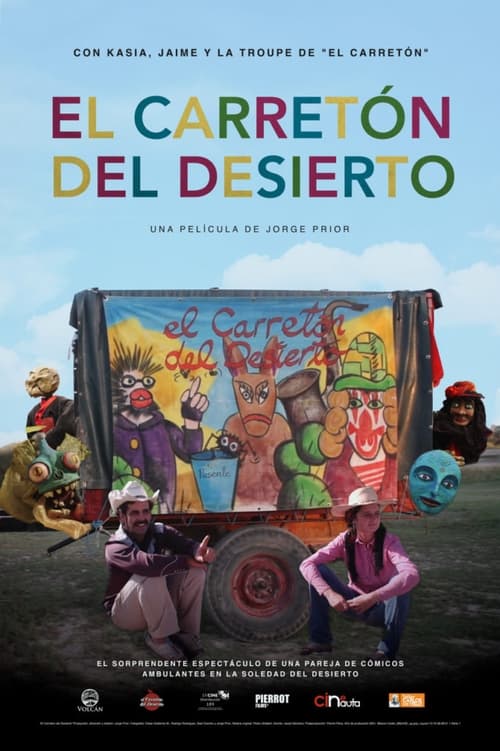
A couple of artists travels through the Mexico desert to present their puppet show.
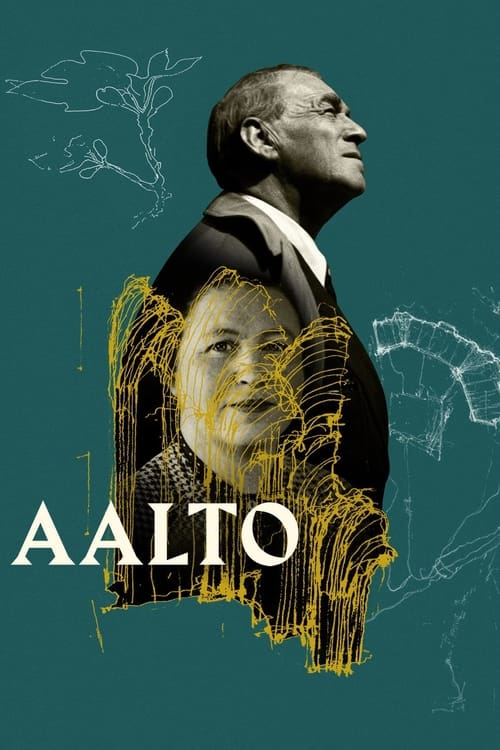
Aalto is one of the greatest names in modern architecture and design, Aino and Alvar Aalto gave their signature to iconic Scandic design. The first cinematic portrait of their life love story is an enchanting journey of their creations and influence around the world.
Romantic art was a response to the social upheavals of the 19th century, as shown by works by its emblematic painters Friedrich, Venetsianov and Delacroix.
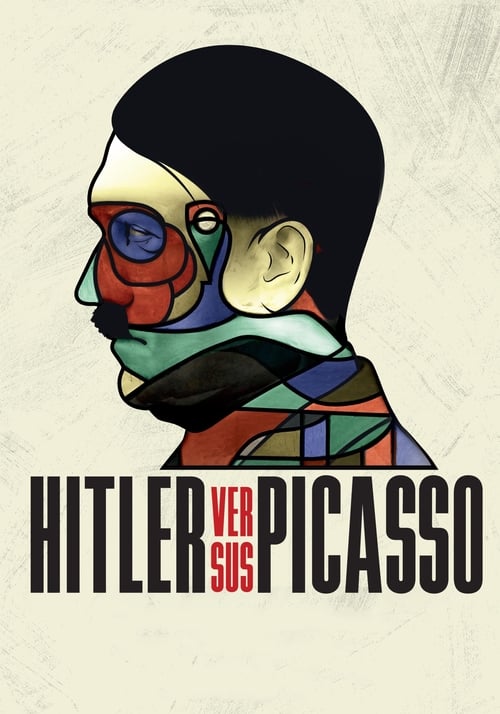
In 1937 the Nazi regime held two exhibitions in Munich: one to stigmatize “Degenerate Art” (which they systematically looted and destroyed) and one, personally curated by Hitler, to glorify “Classic Art”. This immersive new documentary reveals the Nazi’s complicated relationship with classical and modern art, displaying an incredible number of masterpieces by Botticelli, Klee, Matisse, Monet, Chagall, Renoir and Gauguin amongst others, intertwined with human stories from the most infamous period of the twentieth century. A state-of-the-art detective story exploring the Nazis’ obsession with creative expression, Hitler versus Picasso combines history, art and human drama for an unforgettable cinema experience.
Three boys are asked to call a friend they haven't seen or contacted in a long time. Their conversations reflect on childhood memories, feelings, and the meaning of friendship.