Launch of a competition, organized by the newspaper O Século, entitled Statues of Portugal.
Cooperação "girls" do Teatro Maria Victoria
as Dancers
Ester do Monte
as A estátua
Eugénio Santos
as O ardina

Documentary about 4 large architectural landmarks that projected Portugal abroad.
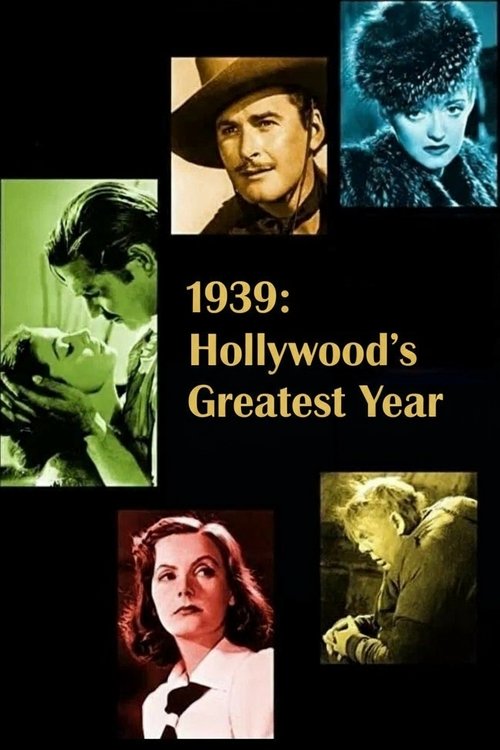
This documentary focuses on 1939, considered to be Hollywood's greatest year, with film clips and insight into what made the year so special.
An exploration —manipulated and staged— of life in Las Hurdes, in the province of Cáceres, in Extremadura, Spain, as it was in 1932. Insalubrity, misery and lack of opportunities provoke the emigration of young people and the solitude of those who remain in the desolation of one of the poorest and least developed Spanish regions at that time.
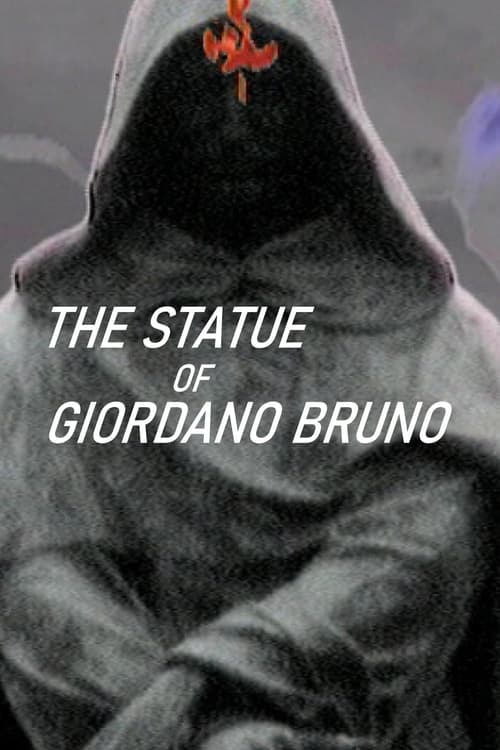
This film was made out of the capture of a live animation performance presented in Rome in January 2005 by Pierre Hébert and the musician Bob Ostertag. It is based on live action shooting done that same afternoon on the Campo dei Fiori where the philosopher Giordano Bruno was burned by the Inquisition in 1600. A commemorative statue was erected in the 19th century, that somberly dominate the market held everyday on the piazza. The film is about the resurgence of the past in this place where normal daily activities go on imperturbably. The capture of the performance was reworked, shortened and complemented with more studio performances.
How the Monuments Came Down is a timely and searing look at the history of white supremacy and Black resistance in Richmond. The feature-length film-brought to life by history-makers, descendants, scholars, and activists-reveals how monuments to Confederate leaders stood for more than a century, and why they fell.
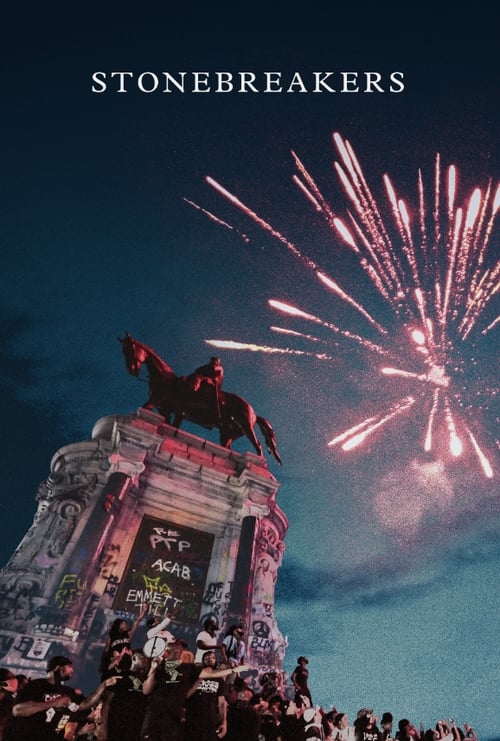
In a year of uprisings and political unrest, Stonebreakers documents the fights around monuments in the United States and explores the shifting landscapes of the nation's historical memory.
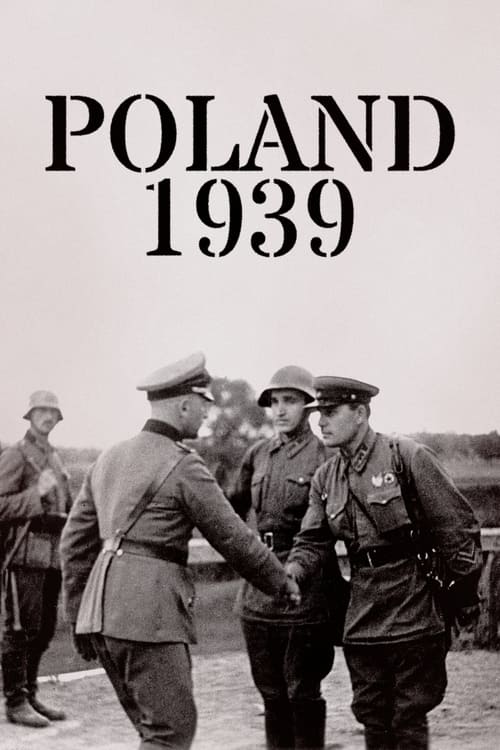
September 1st, 1939. Nazi Germany invades Poland. The campaign is fast, cruel and ruthless. In these circumstances, how is it that ordinary German soldiers suddenly became vicious killers, terrorizing the local population? Did everyone turn into something worse than wild animals? The true story of the first World War II offensive that marks in the history of infamy the beginning of a carnage and a historical tragedy.
Documentary short film on the city of Évora, Portugal. Usually regarded as the first film of the Portuguese New Wave.
The story of the rape of Nanking, one of the most tragic events in history. In 1937, the invading Japanese army murdered over 200,000 and raped tens of thousands of Chinese. In the midst of this horror, a small group of Western expatriates banded together to save 250,000. Nanking shows the tremendous impact individuals can make on the course of history.
The life and career of the hailed Hollywood movie star and underappreciated genius inventor, Hedy Lamarr.
A poetic journey through the paths and places of old Castile that were traveled and visited by the melancholic knight Don Quixote of La Mancha and his judicious squire Sancho Panza, the immortal characters of Miguel de Cervantes, which offers a candid depiction of rural life in Spain in the early 1930s and illustrates the first sentence of the first article of the Spanish Constitution of 1931, which proclaims that Spain is a democratic republic of workers of all kind.
By combining actual footage with reenactments, this film offers both a documentary and fictional account of the life of Adolf Hitler, from his childhood in Vienna, through the rise of the Third Reich, to his final act of suicide in the waning days of WWII. The film also provides considerable, and often shocking, detail of the atrocities enacted by the Nazi regime under Hitler's command.
The film looks at men and women of color in the U.S. Merchant Marine from 1938-1975. Through chronicling the lives of these men and women who, with a median age of 82, are beset with a host of life-threatening illnesses, the movie tells how they navigated issues of racism, disparities in the workplace, gender and familial relations.
During the worst days of World War II, the British government asks the mathematician Alan Turing to unravel the mysteries of the German Enigma encryption machine, an impossible task to accomplish without the invaluable information that Hans-Thilo Schmidt, a disenchanted but greedy German citizen, had been handing over to the French secret services since 1931.
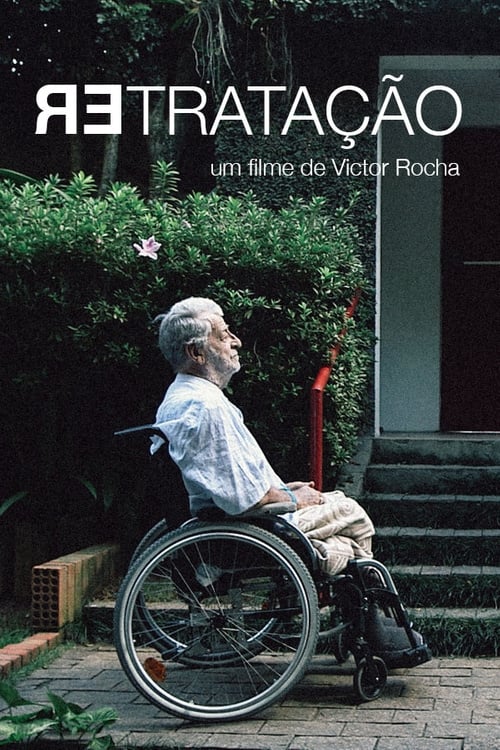
Fernando Lemos, a Portuguese surrealist artist, fled from dictatorship to Brazil in 1952 searching for something better. The movie follows the last moments of his journey and the struggle for the preservation of his legacy, trying to fulfill his last great desire: to be a good dead man.
In the 1930’s, the workers of the underground, headed by brigades of writers, are in charge to write in real time "the history of the Moscow Metro". Based on their narratives, partially unpublished, the film recounts the first lines construction of the most beautifiul underground in the world, in the light of this "big literary Utopia", stoped by the purges of 1937-38.