Aghilas, a young Algerian, is consumed by a life that offers him nothing in his native country. The prospect of an elsewhere will push him and a group of harraga to accomplish a dangerous crossing.
Fleeing their war-torn homeland, forty thousand Algerians come to Montreal, Quebec in the 1990’s. Many are refused refugee status and are not allowed to study or work normally. Years go by, children are born and Canada becomes home. Then comes 911. Deportations begin.
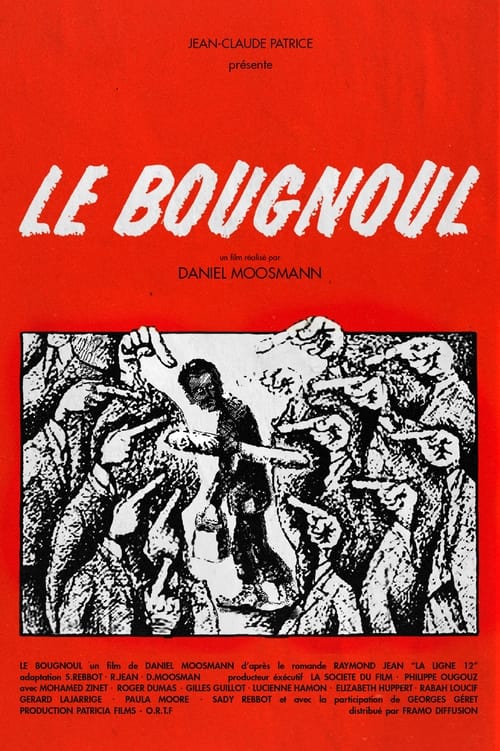
A construction worker on a construction site in the Paris suburbs, Mehdi takes the bus to return home after work. Wishing to get off while the vehicle is stationary in a traffic jam, the driver refuses: while restarting, the bus hits the car in front of it. The bus driver attacks Mehdi whom he holds responsible for the incident, claiming that it is forbidden to “talk to the stagehand”. Mehdi is implicated in court and his lawyer tries to draw attention to the living conditions of immigrant workers.
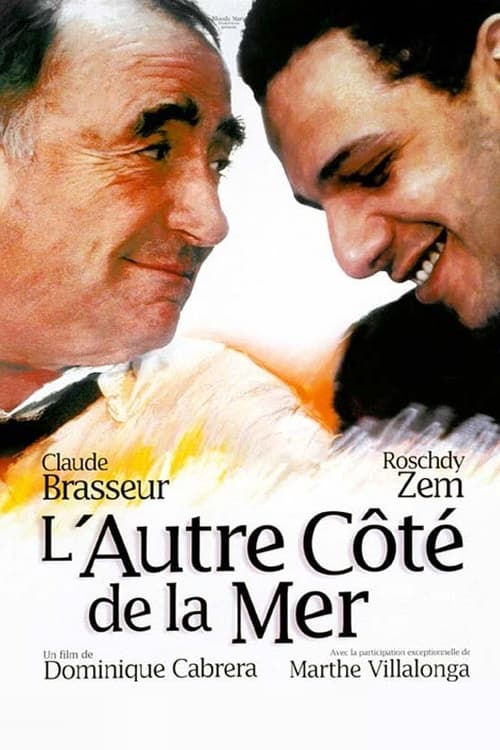
This film deals with the aftermath of the Algerian war of liberation. Georges Montero, an Algerian-born Frenchman, manages an olive canning factory in Oran. He travels to Paris for a cataract operation. Marinette, his sister, and Belka, his friend and a recent immigrant, want him to return to France permanently. Friction develops between the two friends as Georges is pressured to sell his factory. Friendship developed between Georges and his surgeon, who as a French Arab has severed ties with his culture and country of origin.
Ali in Wonderland unveils the condition of immigrant workers in Paris in the 1970s. It is a cry of anger against exploitation and racism, uncompromisingly raising the role of the French state, the media, capitalism, and colonization in this system of domination that crushes those who suffer it. In this experimental essay on the condition of Algerian migrants in Giscard's France in the mid-1970s, every aesthetic choice has a precise and legible political motivation and gives body and voice to a figure completely absent from the experimental cinema of the time: that of the immigrant worker. Abouda is one of the children of immigrants seen in the film, and not a simple activist serving a cause, which is why the emotion of her experimental gesture, which she throws in the viewer's face, springs from a ferocity inscribed in her body, from an insatiable anger that inhabits her gaze.
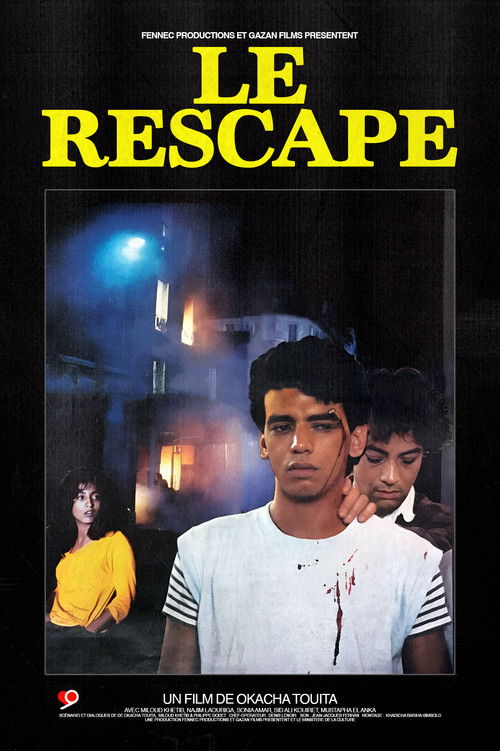
In a working-class immigrant neighborhood slated for demolition, Jo, the son of Ali, known as the Rescuer from the Algerian war, lives idle and delinquent, committing small assaults to pay for his drugs. One day, while attacking Slim's bar, he is arrested by Ben, a young beur cop torn between his roots and the imperatives of his mission to maintain public order. Giving in to the respect and friendship he feels for Ali, Ben agrees to release his son. But alas, far from calming down, Jo drifts deeper into violence, until the inevitable drama.
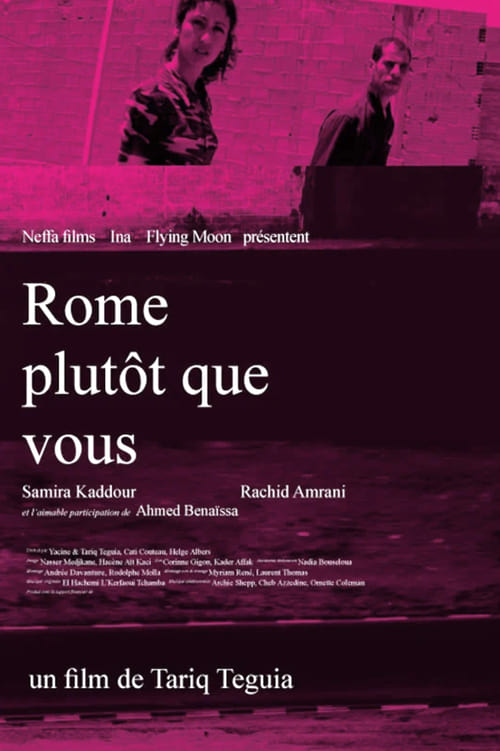
For more than ten years, Algeria has been living a slow war, a war without a front line but having caused more than 100,000 deaths. It is this desert that Zina and Kamel – two young Algerians, sometimes hallucinated and joyful, sometimes dejected and serene – will want to travel one last time before leaving it for elsewhere. A road movie on the territories of a city, Algiers whose construction sites are in decline. Roma wa la n'touma will show that fleeing abroad is not is not a refusal of combat, but an obscure struggle against assignment.
An unemployed Algerian worker leaves Paris by hitchhiking. He soon found himself in Brittany and, seduced by the beauty of wild gorse, eventually established himself as a gorse merchant. But for problems with parking his little cart, he had a rough explanation with a law enforcement officer. The happy intervention of factory workers, the eager kindness they showed him, saved him from despair. This film is part of a trilogy "Them And Us" with the films "Les 3 Cousins" and "Techniquement Si Simple".
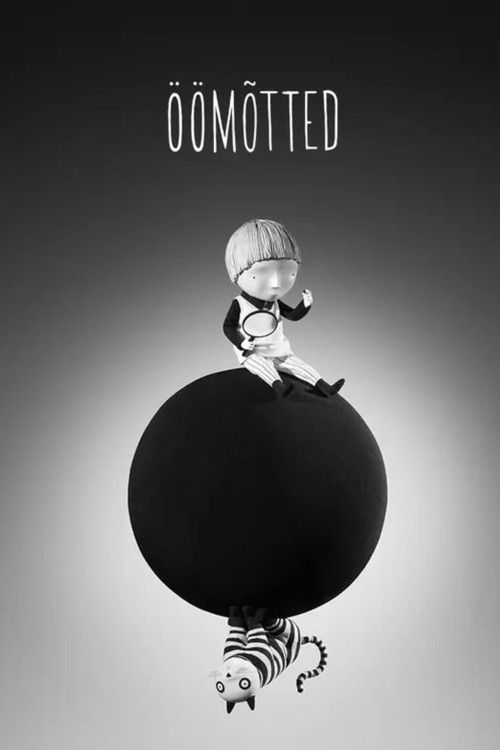
When a boy has trouble falling asleep at night, he begins to ponder his place in the world. If the Earth is just a small marble flying through space, and he is only one child among many, what is the meaning of his existence?
Lovable Sulley and his wisecracking sidekick Mike Wazowski are the top scare team at Monsters, Inc., the scream-processing factory in Monstropolis. When a little girl named Boo wanders into their world, it's the monsters who are scared silly, and it's up to Sulley and Mike to keep her out of sight and get her back home.
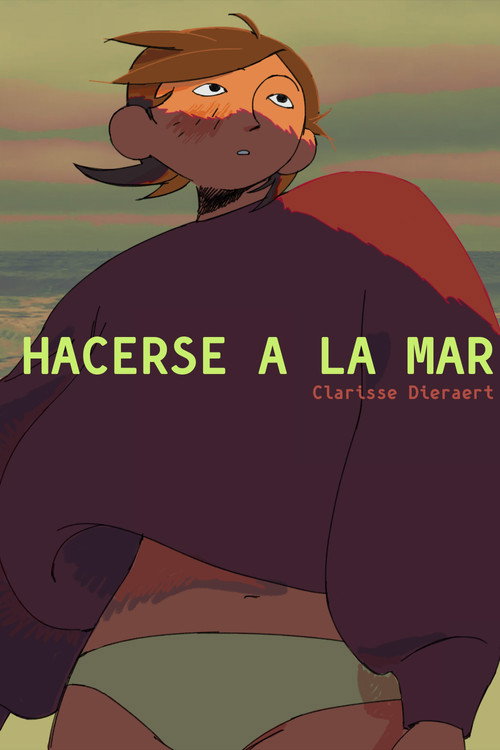
Hacerse a la mar ("set sail" in Spanish) is a short film that combines live action and 2D animation. While a voiceover discusses the concept of forgiveness in religion, an anonymous character seems to want to free himself from the sweater that is constricting him.
Truck driver Teddy's late night stop at a gas station takes a dark turn when he meets the mysterious hooker Katerina, leading to unexpected consequences.
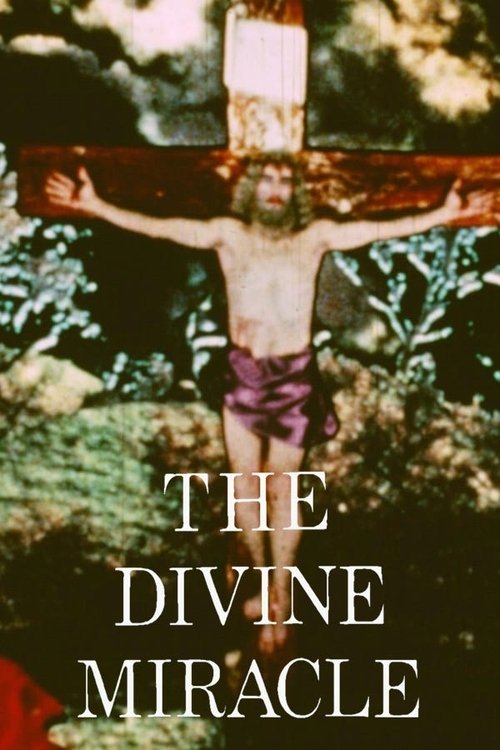
A surrealist translation of Catholic devotional postcard imagery set into unsettling motion. Preserved by the Academy Film Archive in 2008.
An animated documentary film, based on an actual story of a woman from Damascus countryside. Suleima evokes some of childhood memories, when her thoughts refusing injustice had arisen. The film is a portrait of Suleima, and a monitoring of intellectual and social shifts she experiences during the events. The visual environment: has been presented graphically fully of sharp contrasts, and imaginary mixed with reality.
The story of Pixar's early short films illuminates not only the evolution of the company but also the early days of computer animation, when a small group of artists and scientists shared a single computer in a hallway, and struggled to create emotionally compelling short films.
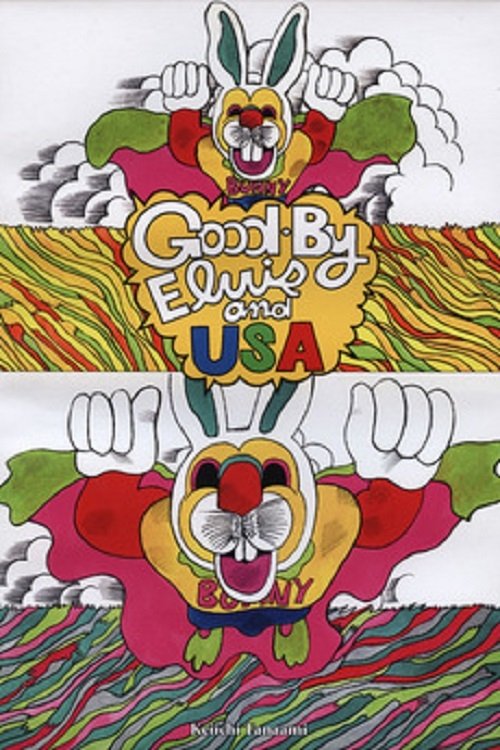
A trippy pop-art collage of phallic objects, naked women and American icons, most notably Elvis Presley.