Jun Zhang
as 主持人
Yakov Kolontarov
as Yakov Kolontarov himself
A documentary that follows two men. One resigned from factory work to study composition because of his love for music. He has more than 100 original songs and once had a music career in Beijing. Eventually he returned to his hometown, Xuzhou, to make a living performing by the roadside because he could no longer afford to eat. The other was born in Taiwan before moving to Xuzhou to stay with his father's family in Xuzhou when he was 15 years old. Soon after his father died he taught himself the piano, music composition, MIDI music production. He had many students, including idols and stars, even as he still lives in a low-rent house, gets by selling e-waste, and educates people who love music for free. They are misfortune, ordinary, dressed in ragged clothes, and sing the most beautiful songs.
Yaqin is a girl eager to see the world. WANG Jiong is a boy who stakes his career on a confession. These two newly graduated friends both want to escape their families and realise their self-worth. But when an imperfect society collides with an imperfect self, when cheerfulness becomes a mask, and when initial aspirations waver in reality, what kind of people will they turn out to be after this stumbling coming-of-age journey?
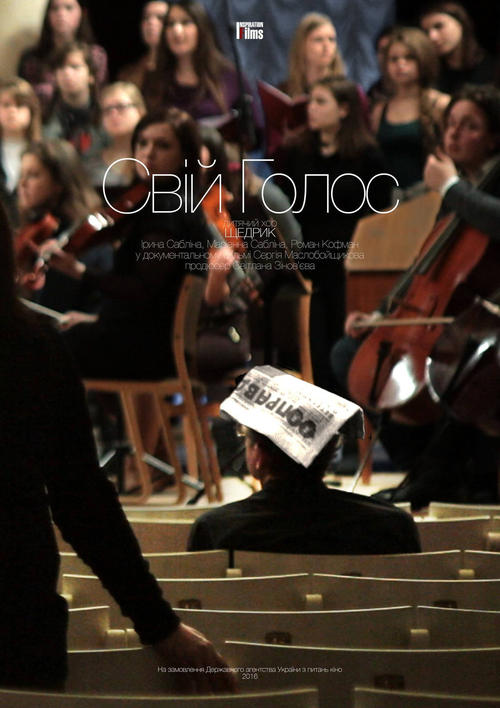
For over a century ‘Carol of the Bells’ has been heard across the globe, but few know this song as ‘Shchedryk’, nor its Ukrainian origins. Own Voice delves into this history, and in so doing provokes a discussion about heritage and a changing world.
A man with broken tooth struggles to put his fake tooth on.
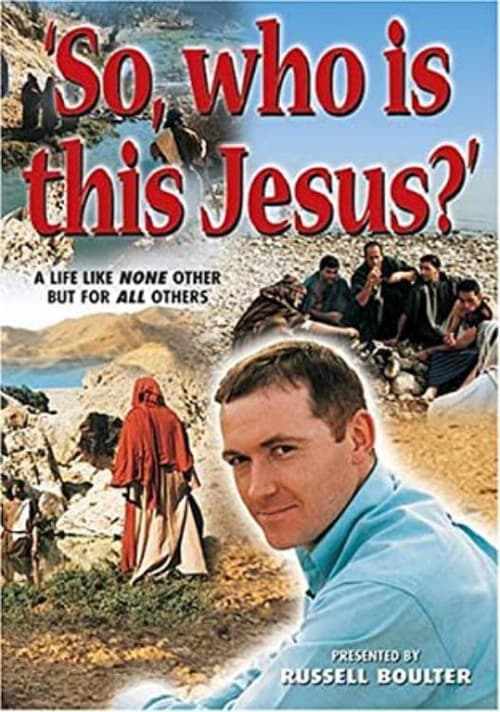
This program has been designed specifically to help people with no previous knowledge of Jesus to have a better understanding of who He is.
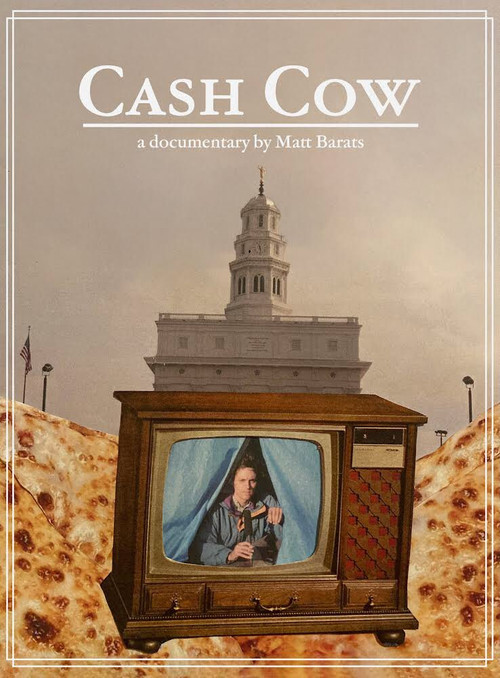
A struggling commercial actor camps for a month, occupying himself with historical research, following the timeline/locations of Joseph Smith’s life. But as financial troubles seem to weigh heavily on him (and his Domino’s Pizza commercial has still not aired yet), a dramatic detour is taken in order to get his life (and the film) back on track.
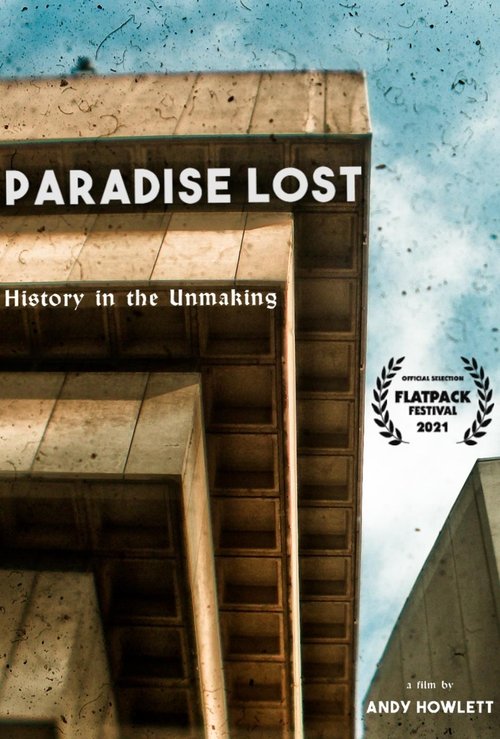
When filmmaker Andy Howlett set out with his camera to document the final days of Birmingham's Brutalist Central Library complex, little did he know the rabbit hole he was stumbling into. Decried by the Council as an eyesore, but hailed by Historic England as an exemplar of postwar design, the story of John Madin's concrete colossus and the fight to save it is a curious one. In this psychogeographic detective story, Howlett weaves together archive footage with on-the-ground explorations in an attempt to figure out why we lost Paradise and how it might be regained.
In May, four red hairballs play in front of the burrow. What fate does the mountain have in store for these young foxes? Will they survive the multiple dangers that threaten them? And above all, who is this animal with hyper-sharp senses that seems to adapt to all situations? Let's leave the path of men and their prejudices to follow the discreet trail of the fox in the heart of the Alps.