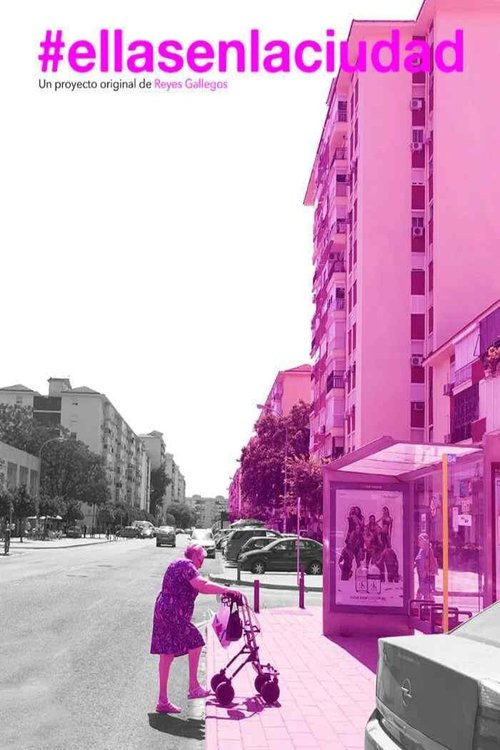
Testimonies about the social and feminine marginality of female residents. The need to face problems through collective discussion. Filmed in a camp in Ochagavía.
In 1949, philosopher and novelist Simone de Beauvoir wrote the groundbreaking The Second Sex, launching a disruptive discourse on women’s oppression and second-class citizenship. This film dissects the origins and relevance of this bible of feminism, charting de Beauvoir’s fact-finding journey across the US to research her book. The timely and fascinating film honors de Beauvoir’s brilliance and limitations, connecting her revolutionary ideas to the pressing issues women face today.
While touring to promote her second studio album "Sucker", Charli XCX tackles what feminism ('the f-word') really means to women in the music industry in a series of interviews with other pop artists.
Punk music icons, Lunachicks, reunite after 20 years in an unfiltered, hilarious, and electric documentary. Packed with rare archival footage, the film traces their rise from gritty NYC teens to feminist trailblazers of the 90s grunge era. Fans and newcomers alike will thrill as the band recounts old antics, rekindles bonds, and embarks on their long-awaited journey back to the stage.
The film tells the story of the Rote Zora, a militant women’s group in the FRG, which in the 1970s and 1980s carried out actions against various facets of patriarchal power relations. Narrations by various contemporary witnesses, interviews with a historian and former Zoras bring the history of the Rote Zora and the women’s movement of the time back to life. The film shows that many of the Rote Zora’s themes are highly topical and offers exciting material for discussion on how to deal with this history today.
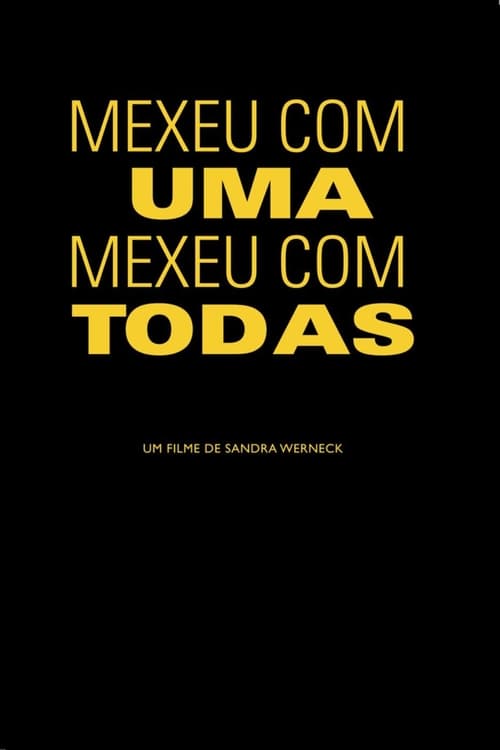
“Touch one, touch us all” is a slogan of the women who took over the streets in Brazil and organized themselves in social networks to face male chauvinist and conservatism. Through testimonies of women who have been subjected to violence, the documentary reveals that, despite legal achievements, the woman still remains vulnerable. Amongst other deponents are Maria da Penha, Joanna Maranhão, Luíza Brunet, and Clara Averbuck.
Let Me Run profiles six inspiring women, famous or anonymous, from yesterday or today, athletes or amateurs, who use sport to gain freedom, while tracing more than 150 years of women's struggle for access to sport.
Raise Her Up follows the historian, advocate, and artist creating a statue of Armine Gosling, marking 100 years of womens suffrage in Newfoundland.
The story behind the growth of women's and girls' volleyball in the United States and how it continues to bolster and empower young women in their development. Featuring direct interviews with players, coaches, and families, as well as footage of the 2022 Big South Qualifier tournament.
Has the time of women finally come? Have their everyday lives truly changed over the past sixty years? Guided by Agnès Jaoui, women—famous and unknown—share their stories across generations. From childhood to retirement, the documentary traces shared experiences shaped by prejudice, but also by hope, strength, and humor. Blending personal archives, historic moments, and social media footage, the film places women at the center of their own story. Welcome to the Time of Women.
A documentary that brings together interviews with 20 activists who address the issue of intersectional feminism and patriarchy in Portugal.
Exploring the concept of the Ecology of Emotions, this musical film portrays an inner journey through the secret garden of creativity put into frame by the nature of Iceland. Hidden Eden is a metaphor for our inner secret garden of creativity. This project bloomed during an art residency in Iceland, sparked by conversations around our shared philosophies on voice and emotional connection. The nature of Iceland inspired us to make the connection on how the landscape reflects the emotional states of creativity and how it helps manage the homeostasis of our inner emotional landscapes. This exchange between emotion and the landscape opens a space for healing. Creativity provides us with the tools to access a garden of our authentic being, nourishing and balancing us. Allowing ourselves to explore the spectrum of our emotions through the lens of our relationship with the Earth invites others to do the same. The creative process can affect our well being and is a key to human evolution.
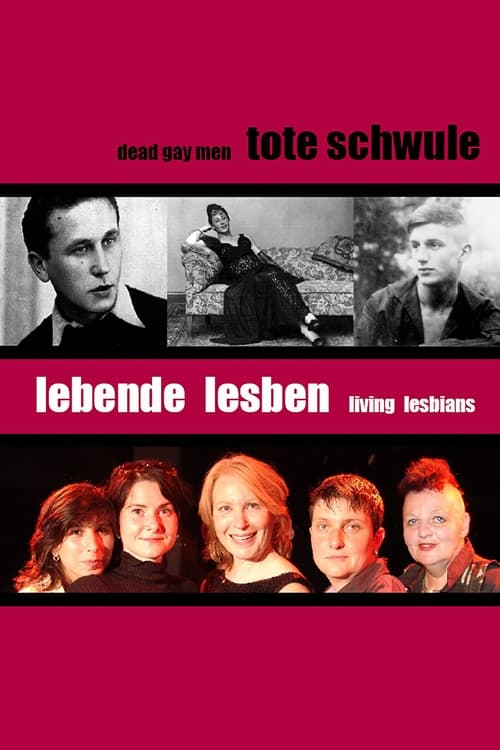
As a result of the Holocaust and later, AIDS, the male homosexual community has sustained bitter losses and, according to Praunheim, lesbian women have now placed themselves at the head of the so-called queer movement. The female protagonists in the film represent two different generations; they also incorporate the past and present status of homosexuals in society.
What images do we associate with abortion and why? Where do these images and the emotional scripts in our head come from? How do they influence women who (want to) have an abortion, how do they shape the general discussion? Franzis Kabisch’s personal desktop documentary investigates these questions with great precision, clarity and humour (yes, humour, too!).
A cheerful documentary about the daily life of a community of Franciscan sisters. “Hasta mañana, si Dios quiere” (See you tomorrow, God willing) is a film born from the desire to understand that mysterious feminine universe that gives up its life and leaves behind family, home, lovers, disobedience, and physical love.