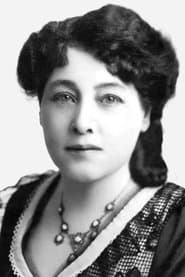
A brief fantasy tale involving a strange fairy who can produce and deliver babies coming out of cabbages. Note: This is a LOST film; the existing film of the same name is the remake from 1900.
Alice Guy-Blaché
as
Dyke Hard is a failed rock group travelling to a battle of the bands competition in the big city. The journey is further filled with bizarre, fierce and passionate encounters with cyborgs, ghosts, a thai boxer, roller derby gals, ninjas, motorcycle gangs and a mysterious billionaire all of whom will do everything to stop the band from making it in time to the battle.
The ghost of a music teacher pushes a young mechanic to start a career in music.
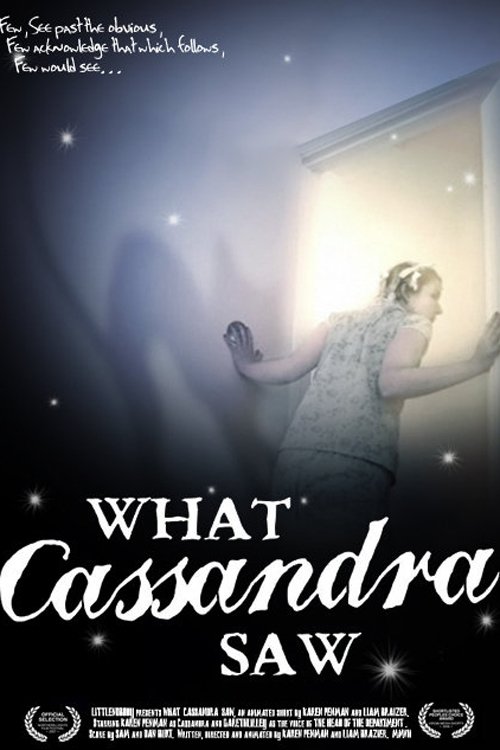
Cassandra discovers by accident the Bureau of Shadows, responsible for making, measuring and resizing our shadows while we are asleep, in this post-modern fairy tale.
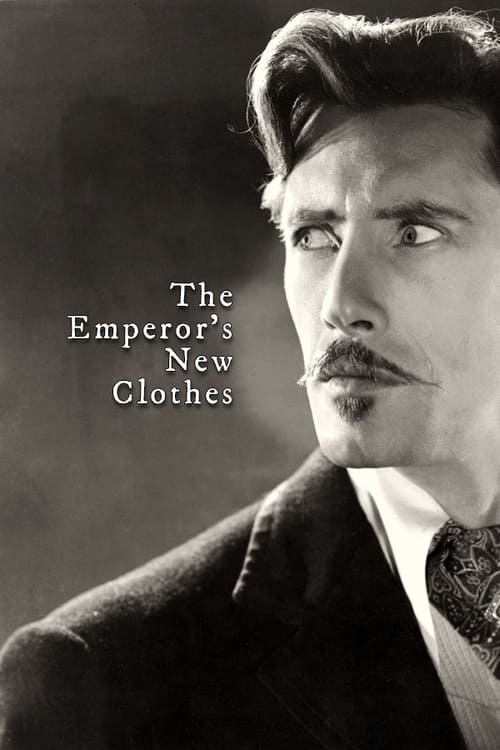
This is a straight version of the old fairy tale, with John Carradine as the Emperor. It was filmed in South Florida, with exteriors in Coral Gables and Miami's Vizcaya. The hero bests the villainous efforts of two scheming tailors who convince the vain king that their clothes are so marvelous that only smart people can see them.
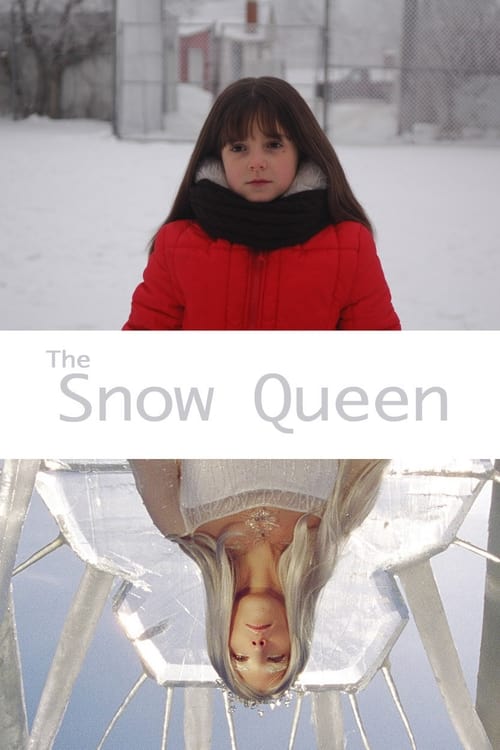
When the real world turns sour, ten-year old Talia finds shelter in a fantasy world of ice and snow. But as life becomes more and more difficult, Talia's daydreams become less protective and more menacing.
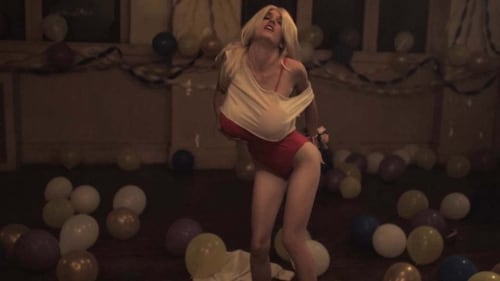
Prom night is ritual, disco balls, expectation, corsages, dresses, holding, sweating, status, entering in twos, balloons, school gyms, dancing slow and fast.
When young dockworker Jude leaves Liverpool to find his estranged father in the United States, he is swept up by the waves of change that are re-shaping the nation. Jude falls in love with Lucy, who joins the growing anti-war movement. As the body count in Vietnam rises, political tensions at home spiral out of control and the star-crossed lovers find themselves in a psychedelic world gone mad.
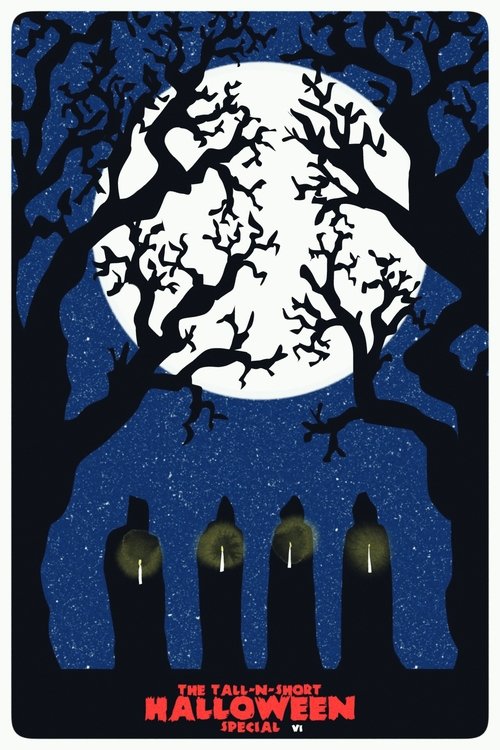
The sixth annual TNS Halloween Special
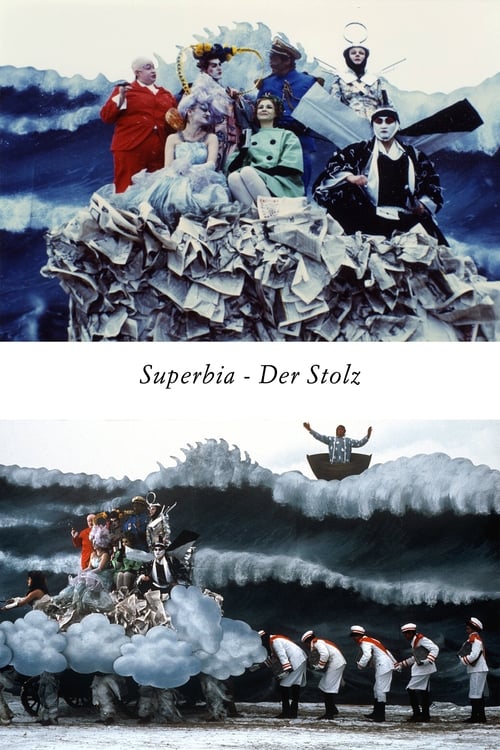
Pride is the first of the seven deadly sins. The introduction is made through early allegorical forms and figures (triumphal procession, dance of death, Baroque tragedy etc.) The triumphal procession of the giant haystack as a symbol of human vanities becomes a military parade of abrupt, functional and arrogant gestures. The most diverse musical fragments and rhythms intone the montage of details in the staged triumphal procession, juxtaposed with documentary images, including marches, ticker-tape parades and military review.
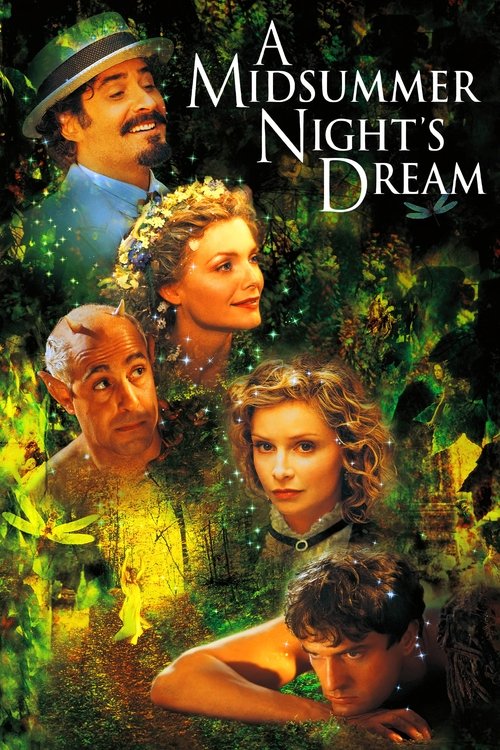
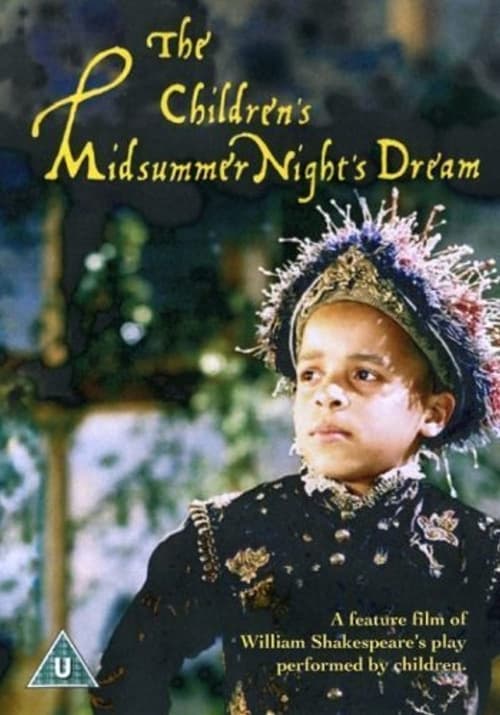
The lovely Hermia is to wed Demetrius, but she truly cares for Lysander. Hermia's friend, Helena, is in love with Demetrius, while other romantic entanglements abound in the woods, with married fairy rulers Titania and Oberon toying with various lovers and each other.
A film adaptation of Shakespeare's comedy using the complete text of the play but performed by child actors.
A dying professor leaves his great-nephew a collection of documents pertaining to the Cthulhu Cult. The nephew begins to learn why the study of the cult so fascinated his grandfather. Bit-by-bit he begins piecing together the dread implications of his grandfather's inquiries, and soon he takes on investigating the Cthulhu cult as a crusade of his own.
Five-year-old Vitka and her teenage cousin Larysa both yearn for a life beyond the archaic rules and restricting confines of their small, godforsaken Ukrainian village. Despite her family's staunch objections, Larysa falls wildly in love with Scar, a handsome ex-convict. Hoping to leave their troubled past behind, the two plot their escape. Scar agrees to take on a criminal job in the city. Larysa, meanwhile, fends off an arranged marriage and awaits his return.
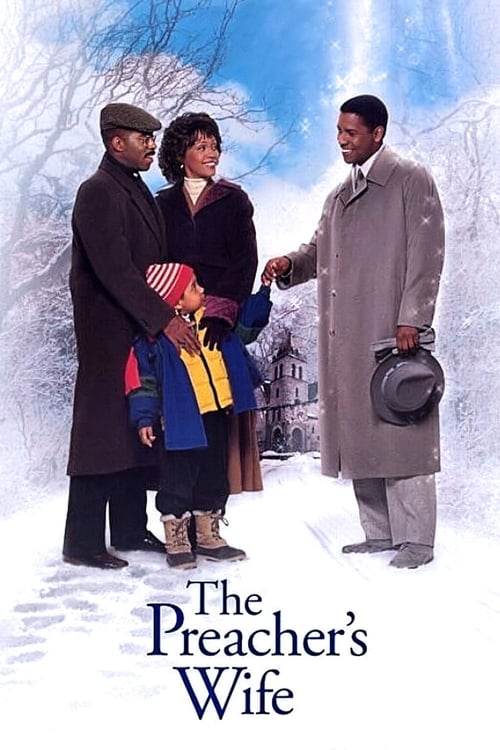
Good-natured Reverend Henry Biggs finds that his marriage to choir mistress Julia is flagging, due to his constant absence caring for the deprived neighborhood they live in. On top of all this, his church is coming under threat from property developer Joe Hamilton. In desperation, Biggs prays to God for help – which arrives in the form of an angel named Dudley.
An American-born Jewish adolescent, Hannah Stern, is uninterested in the culture, faith and customs of her relatives. However, she begins to revaluate her heritage when she has a supernatural experience that transports her back to a Nazi death camp in 1941. There she meets a young girl named Rivkah, a fellow captive in the camp. As Rivkah and Hannah struggle to survive in the face of daily atrocities, they form an unbreakable bond.
Loie Fuller, in her 1920 feature-length film Le Lys de la vie, […] explored the new technique for poetic ends, creating fleeting, dreamlike images that "freed" the medium from "illusionism" and imbued it with fantasy.