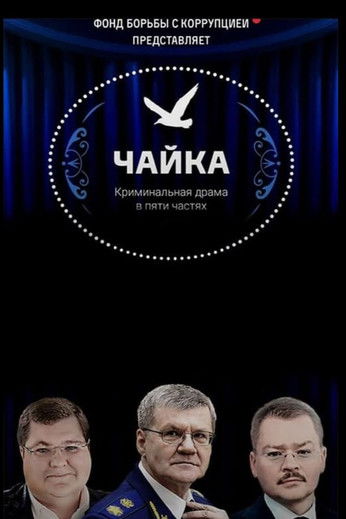
On the eve of Russia's war against Ukraine, a Russian journalist from a pro-Kremlin TV channel brings her rebellious and Westernized teenage daughter on a journey through Putin’s Russia to make her more "Russian".
Zhanna Agalakova
as
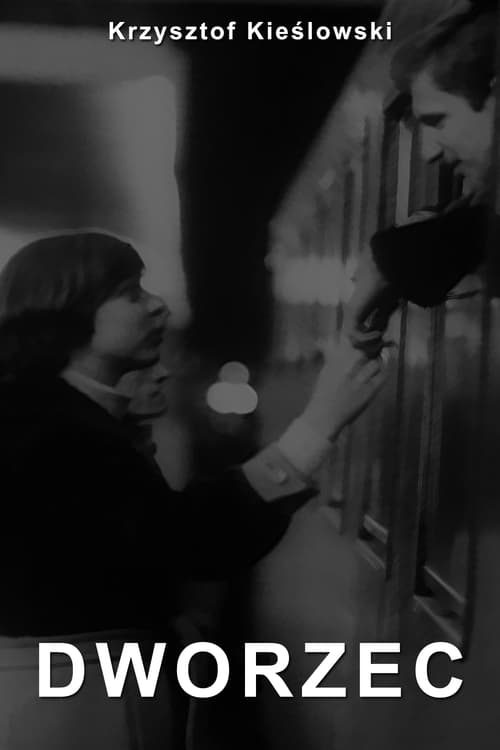
Warsaw's Central Railway Station. 'Someone has fallen asleep, someone's waiting for somebody else. Maybe they'll come, maybe they won't. The film is about people looking for something.
An exploration —manipulated and staged— of life in Las Hurdes, in the province of Cáceres, in Extremadura, Spain, as it was in 1932. Insalubrity, misery and lack of opportunities provoke the emigration of young people and the solitude of those who remain in the desolation of one of the poorest and least developed Spanish regions at that time.
Decades after Ric Routledge reshaped the dog show world, a forgotten storage unit reveals the story he never finished. Built from his own cassette recordings, archival footage, and the voices of those closest to him, Sincerely, Ric is a documentary about ambition, authorship, and what a man leaves behind.
Child abuse, mental illness, and forbidden love converge in this mystery involving a mother and daughter who were thought to be living a fairy tale life that turned out to be a living nightmare.
Pussy Riot make a comeback after a long absence to stand with Ukraine. Their story and their struggle are told through archival footage and interviews with the group’s members.
Over the past few years, Israel's ongoing military occupation of Palestinian territory and repeated invasions of the Gaza strip have triggered a fierce backlash against Israeli policies virtually everywhere in the world—except the United States. This documentary takes an eye-opening look at this critical exception, zeroing in on pro-Israel public relations efforts within the U.S.
Battered, bandaged and playing croquet on crutches, wounded First World War soldiers get a break from the Western Front.
In 2007, fifteen-year-old Chaeyoung is diagnosed with anorexia and committed to a mental hospital. Feeling guilty, her mother, Sangok, tries to trace the source of her daughter’s illness but there is no way to know. Ten years later, the mother and daughter begin a conversation. Relying on Chaeyoung’s diary, drawings, and voice-over, the film explores the history of conflict and pain in mother-daughter relationships through three generations: grandmother, mother, and daughter.
A look inside the Russian assault on Ukraine's second-largest city, Kharkiv, told by displaced families, civilians caught in the fight and first responders.
The documentary tells two very different human fates in the 1920s Soviet Union. Nikolai Vavilov was a botanical genius, Trofim Lyssenko was an agronomist who made great promises and fake inventions. Each of them tried to solve the country's nutritional problem, but only one succeeded.
A Turkish woman in Brighton shares her visual diary. Witness her ups and downs, her intimacy and vulnerability. After revealing hers, the film invites you to confront your ‘tiny little things’. It presents a slice-of-life experience with an abstract flow and deals with one’s existence in this world. There is no escape from family and the things in your mind, even if you are thousands of miles away. The meaning changes constantly, and the camera becomes the extension of her mind. And somebody put that voice in her brain.
Why must a woman change her surname after marriage or divorce? This autoethnographic film explores the issue of women’s changing surnames in Turkey. Some women have taken their cases to the European Court of Human Rights to defend their legal and personal identities. What do men think about this? How do women feel? And what unfolds between the lines of these everyday experiences? The film seeks to make these struggles and emotions visible.
Propaganda film aimed at repopulating the Sudety, which fell into ruin after the Second World War and the subsequent expulsion of Germans from Czechoslovakia. The narrator describes the rebuilt infrastructure and is optimistic about the potential offered by the area to families from all over Czechoslovakia and the world.
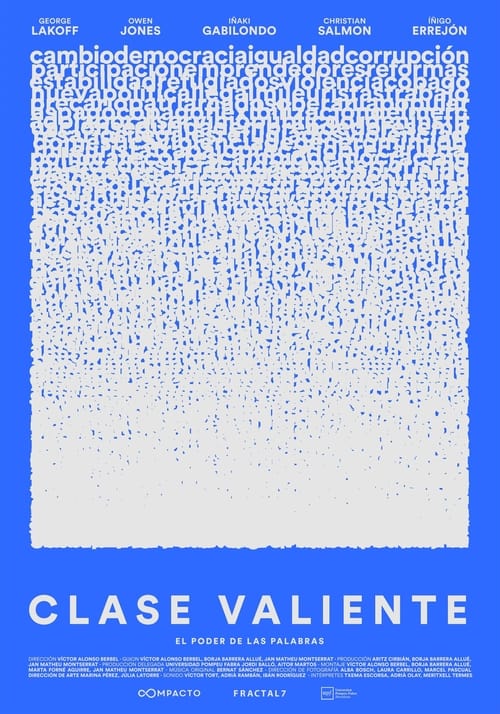
Three college students start a social experiment to prove that reality changes according to the words we use to describe it. Through research, activist actions, and artistic interventions, they analyze the importance of language in the way we understand the world. The documentary includes analysis from more than 20 international experts and leaders in the fields of political communication and information.
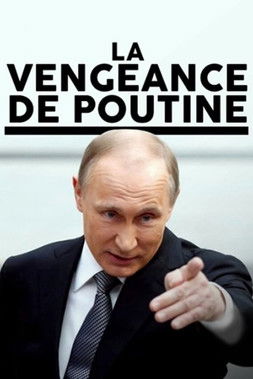
A profile of Putin, exploring his complicated relationship with Ukraine. Why does this neighbouring nation threaten his power and identity?
Vladimir Ilyich Ulyanov, better known as Lenin, is remembered as the instigator of the October Revolution of 1917 and, therefore, as one of the men who changed the shape of the world at that time and forever, but perhaps the actual events happened in a way different from that narrated in the history books…
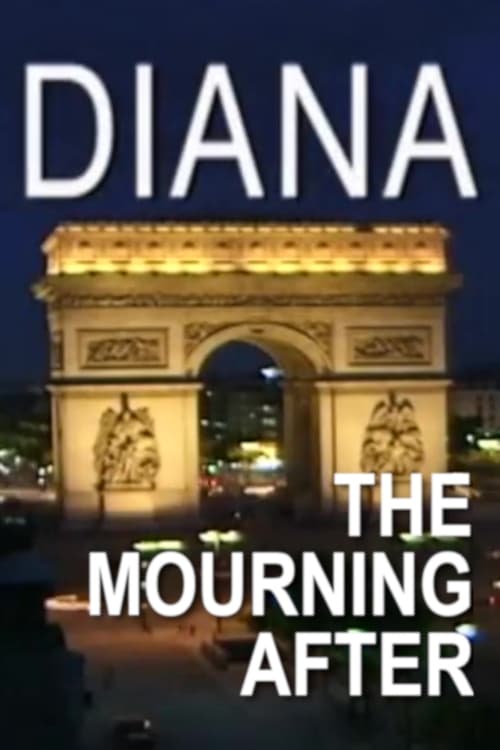
In "Diana: The Mourning After" Christopher Hitchens sets out to examine the bogusness of "a nation's grief", tries to uncover the few voices of sanity that cut against the grain of contrived hysteria. His findings suggested that the collective hordes of emotive Dianaphiles sobbing in the streets were not only encouraged but emulated by the media. In the aftermath of Diana's death a three-line whip was enforced on newspapers and on TV, selling the sainthood line wholesale. The suspicion was that journalists, like the public, greeted the death as a chance to wax emotional in print, as a change from the customary knowing cynicism, to wheel out all those portentous phrases they'd been saving up for the big occasion. Sadly, they just seemed to be showboating; the eulogies, laments and tear-soaked platitudes ringing risibly hollow.
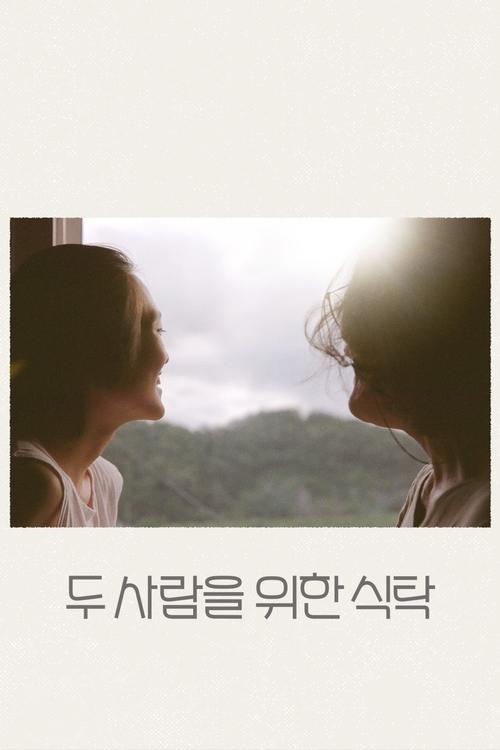
In hopes of building a closer relationship, a girl sits down with her mother, seeking to hear her experiences and aspirations growing up. What starts as a revisit of her mother’s past turns into a revelation about love and the weight of unspoken needs.