Director Guillermo del Toro journeys through a labyrinth of childhood memories, cultural myths and monsters to reveal the origins of his visionary films.
Guillermo del Toro
as Self
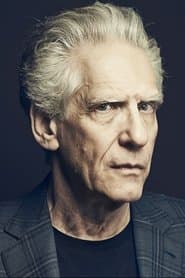
David Cronenberg
as Self (archive footage)
Junji Ito
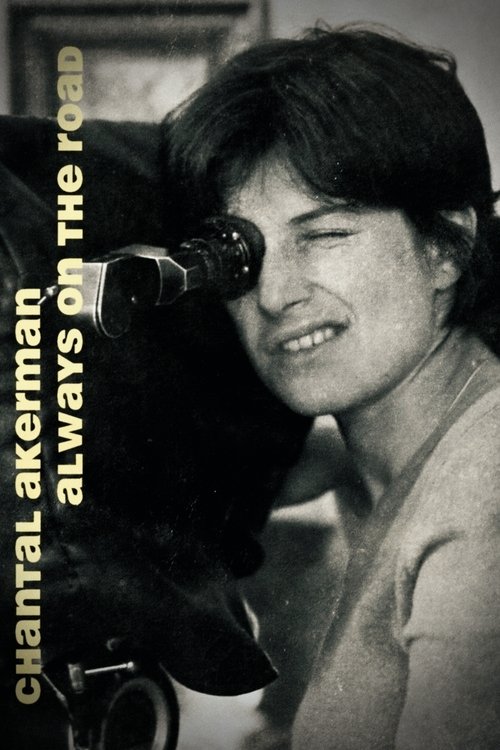
An analysis of the work of Belgian filmmaker Chantal Akerman (1950-2015), an experimental and innovative artist, both in content and form, who has left her mark on cultural memory and on the creations of other artists.
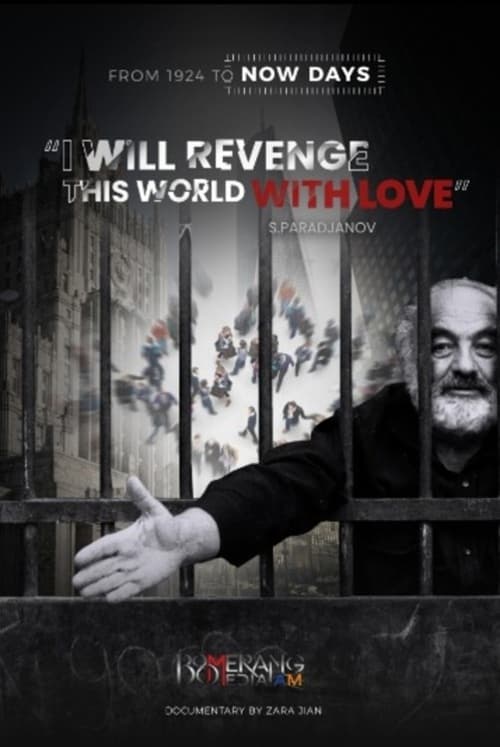
The author of the film decides to leave the country where she lives, in connection with the outbreak of the dramatic events, and return home to Armenia in search of a worthy example and solutions on how to live on. Paradjanov's house becomes a place of inspiration and a point of no return to toxic reality.
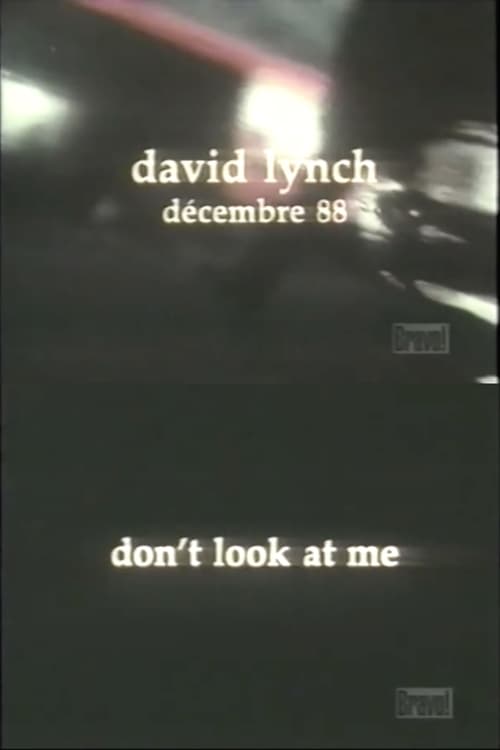
A documentary about American director David Lynch from the Cinéma, de notre temps series.
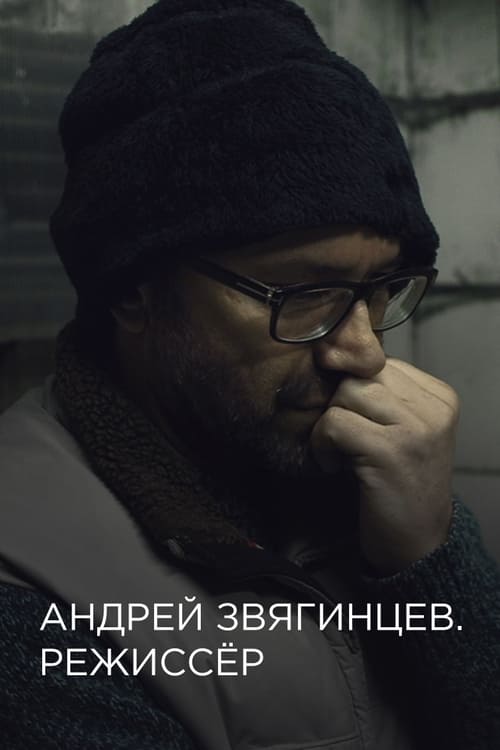
Portrait of director Andrey Zvyagintsev against the background of the filming of his film "Loveless".
An account of the life and work of Russian filmmaker Andrey Tarkovsky (1932-86) in his own words: his memories, his vision of art and his reflections on the fate of the artist and the meaning of human existence; through extremely rare audio recordings that allow a complete understanding of his inner life and the mysterious world existing behind his complex cinematic imagery.
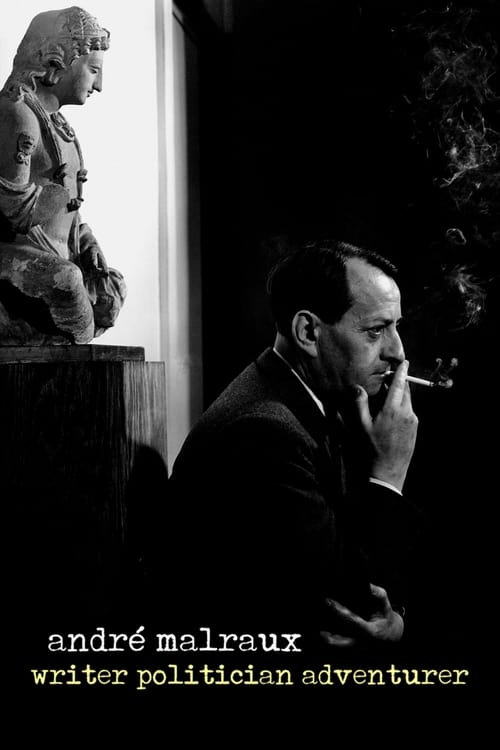
Writer, journalist, explorer, filmmaker, communist militant, freedom fighter. Truths and lies. A plot twist. Politician. General De Gaulle's shadow. Overwhelmed by the weight of power. The numerous exploits of André Malraux (1901-1976).
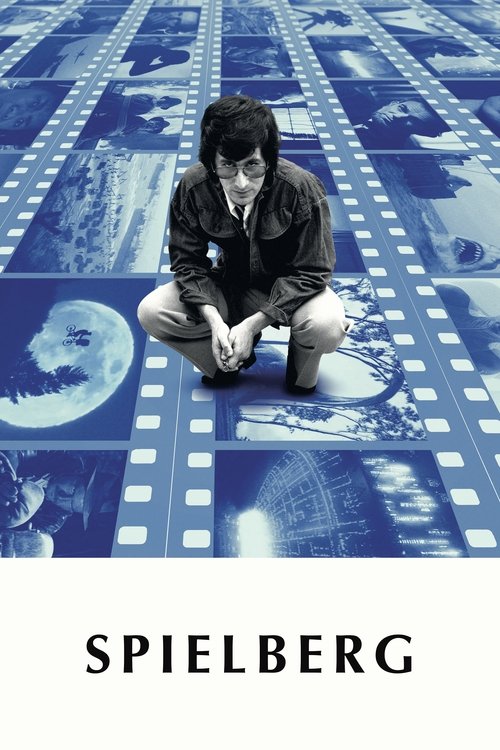
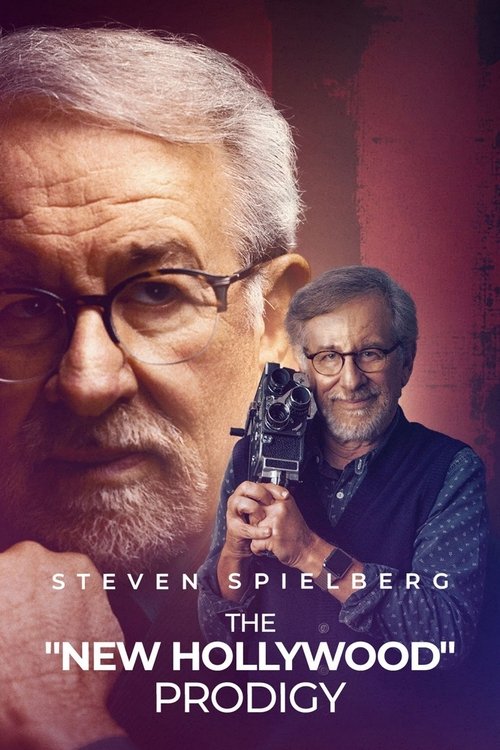
A documentary on the life and career of one of the most influential film directors of all time, Steven Spielberg.
Tati Express dives into Jacques Tati's films and how they look at a changing world throughout the 20th century. It shows how modernity impacts human-beings and goes through that amazing body of work at 100 mph.
A new light on American filmmaker Steven Spielberg, Hollywood’s greatest director, offering a unique perspective on his work and digging into his personal influences.
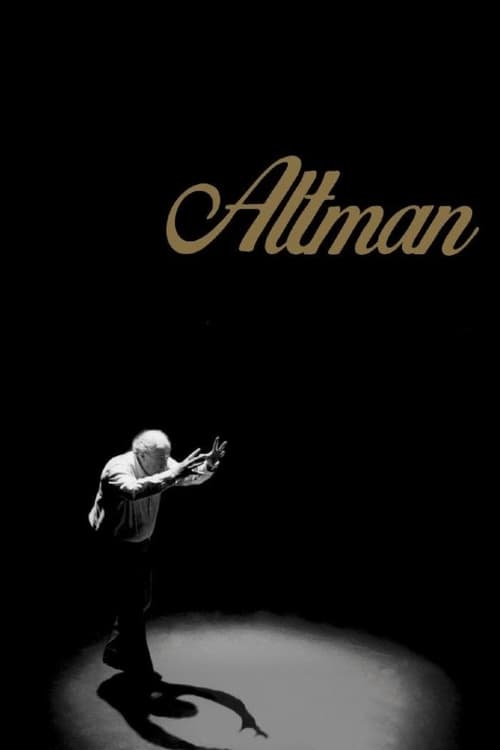
Robert Altman's life and career contained multitudes. This father of American independent cinema left an indelible mark, not merely on the evolution of his art form, but also on the western zeitgeist. With its use of rare interviews, representative film clips, archival images, and musings from his family and most recognizable collaborators, Altman is a dynamic and heartfelt mediation on an artist whose expression, passion and appetite knew few bounds.
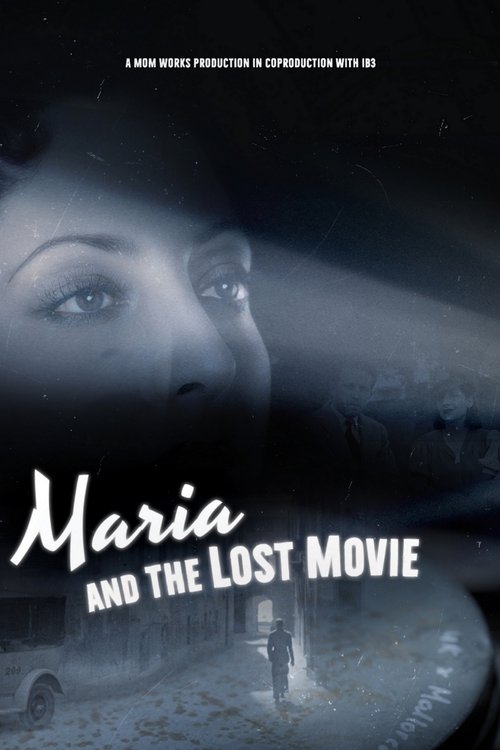
The pianist Miguel Ángel Lozano embarks on a personal and artistic journey with the purpose of reconstructing the life of his grandmother, Maria Forteza (1910-60), singer and pioneer of Spanish sound films.
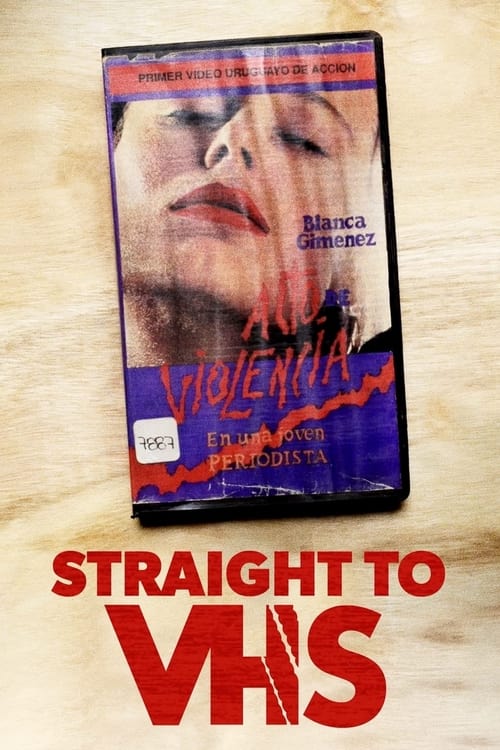
Act of Violence Upon a Young Journalist is a film shot in 1988 and released on VHS in 1989; a mysterious cult work of Uruguayan cinema surrounded by strange theories about Manuel Lamas, its unknown creator. Until now.
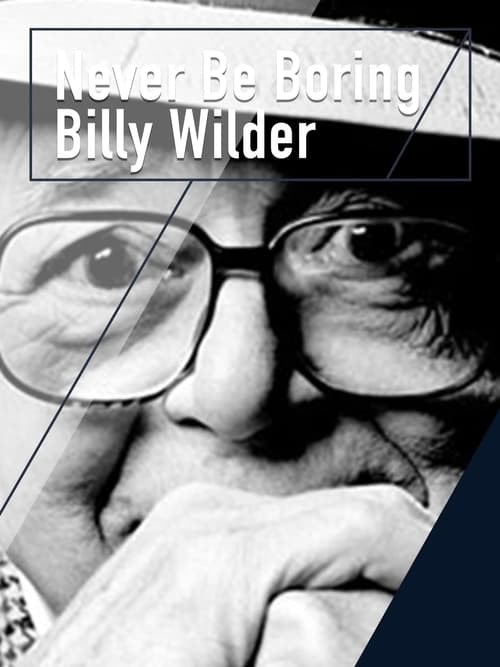
A funny walk through the life story of Billy Wilder (1906-2002), a cinematic genius; a portrait of a filmmaker who never was a boring man, a superb mind who had ten commandments, of which the first nine were: “Thou shalt not bore.”
For more than 40 years Kathryn Bigelow has been making films that explore male violence. With movies like Blue Steel, Point Break, The Hurt Locker and Zero Dark Thirty, the Oscar winning American filmmaker has impressed with hard-hitting moviemaking that holds a mirror up to contemporary America and the world.
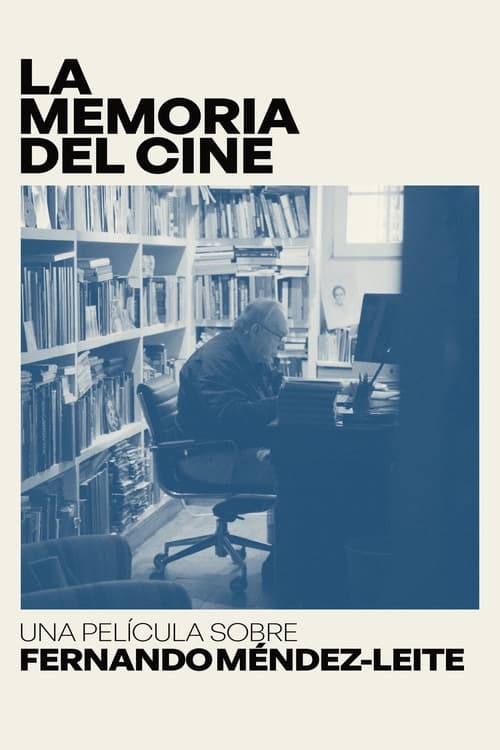
A look at the life and work of Spanish filmmaker and film critic Fernando Méndez-Leite, as he writes his memoirs and a novel with autobiographical resonances.
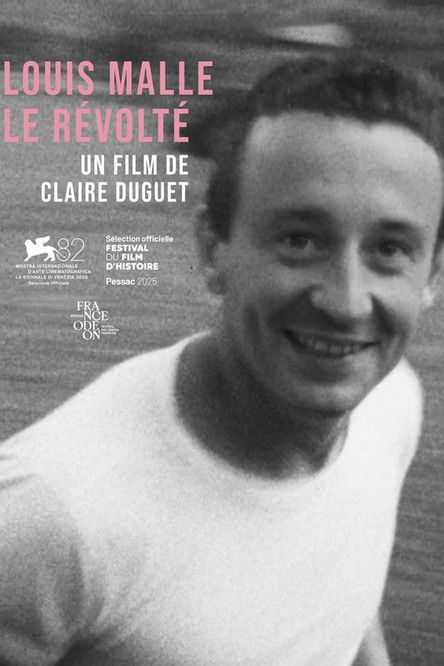
Documentary based on Louis Malle.
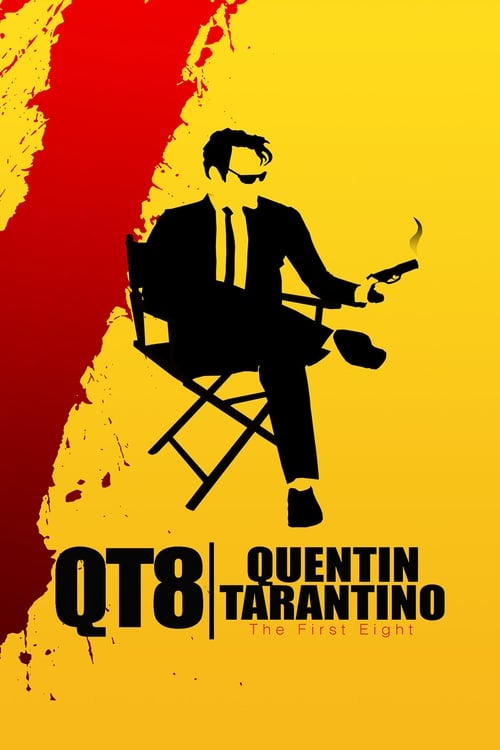
A detailed account of the life and artistic career of legendary filmmaker Quentin Tarantino, from his early days as a video club manager to the scandalous fall in disgrace of producer Harvey Weinstein. A story about how to shoot eight great movies and become an icon of modern pop culture.
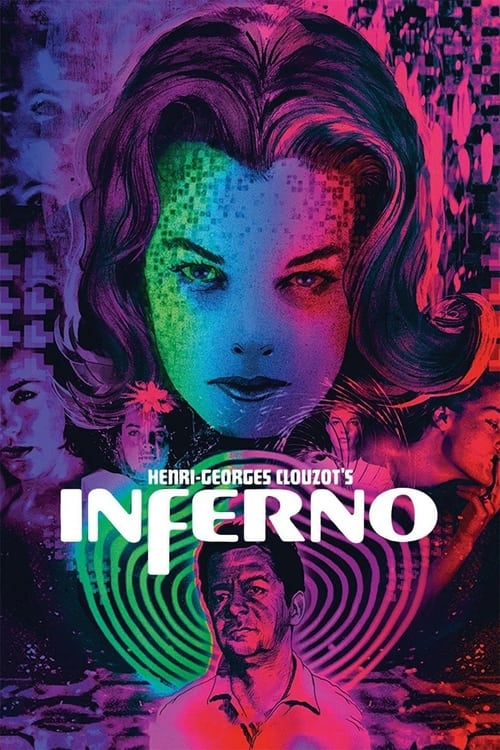
In 1964, Henri-Georges Clouzot's production of L'Enfer came to a halt. Despite huge expectations, major studio backing and an unlimited budget, after three weeks the production collapsed. This documentary presents Inferno's incredible expressionistic original rushes, screen tests, and on-location footage, whilst also reconstructing Clouzot's original vision, and shedding light on the ill-fated endeavor through interviews, dramatizations of unfilmed scenes, and Clouzot's own notes.