A young biologist embarks on an adventurous cycling trip through Patagonia, investigating the problematic coexistence between livestock farmers and wild pumas.
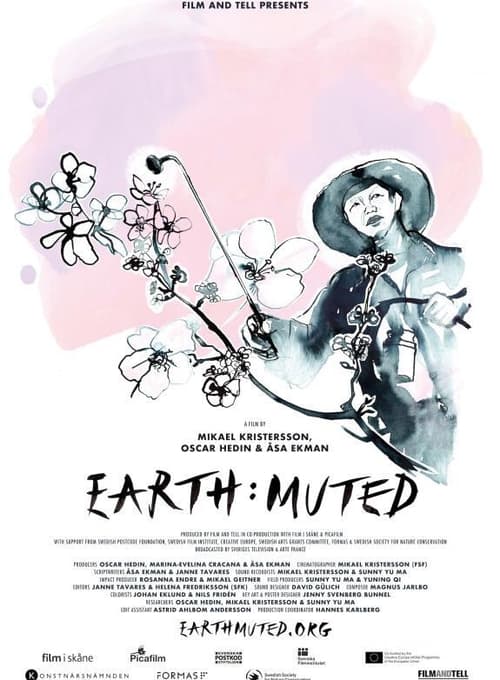
Three farming families in Hanyuan, China, strive to give their children a good life in the midst of an ecological crisis, as widespread use of pesticides leads to a dramatic decline in bees and other pollinating insects in the valley.
A look at the state of the global environment including visionary and practical solutions for restoring the planet's ecosystems. Featuring ongoing dialogues of experts from all over the world, including former Soviet Prime Minister Mikhail Gorbachev, renowned scientist Stephen Hawking, former head of the CIA R. James Woolse
The fascinating landscape formations of Iceland in the North Atlantic bear witness to the beauty and primal power of nature. They were created through the interaction of powerful volcanic, geological and biological processes that have been changing the face of the earth for billions of years. This is what the Earth might have looked like four billion years ago. Iceland is the realm of ice and fire. Nowhere else is there such a high density of volcanoes. The landscapes, which are continually reshaped by eruptions, make the island a natural laboratory full of clues about the formation and development of the earth. The documentary follows a group of scientists through the most active areas of Iceland, along a mountain range that has emerged from the ocean. On the slopes of the volcanoes, in the fog of the fumaroles and on streams and rivers, the three researchers explore how the first forms of life populated the earth's surface and in what evolutionary steps they took over the earth.
The bleakness of Antarctica is a fallacy. The ice continent is full of life and offers a biodiversity of which only about two percent are known. Much of it is under water and could determine the future of human beings. When the northern lights cover the ice landscape in summer, the animals in the Antarctic are in a paradisiacal state. Whales blow their fountains in the sky, penguins fly like small rockets into the water, seals dive for crabs under the glittering ice floes. From the bay of the Ross Sea to the ice shelf, from the huge penguin colonies to steaming volcanoes, a life in rhythm with the ice. But the consequences of climate change are slowly becoming apparent here too. While some species are dying, others are spreading. They could bring new viruses and bacteria with them, and new dangers for humans too. The structure of nature has gotten off course. How many generations will still be able to experience the magic of Antarctica?
Composed of serious and funny musical scenes, an exploration of the virtues of translation and desire for communication between humans and birds. Told by a narrator from the future, after the sixth mass extinction, an observation of the attempts made to establish a possible exchange.
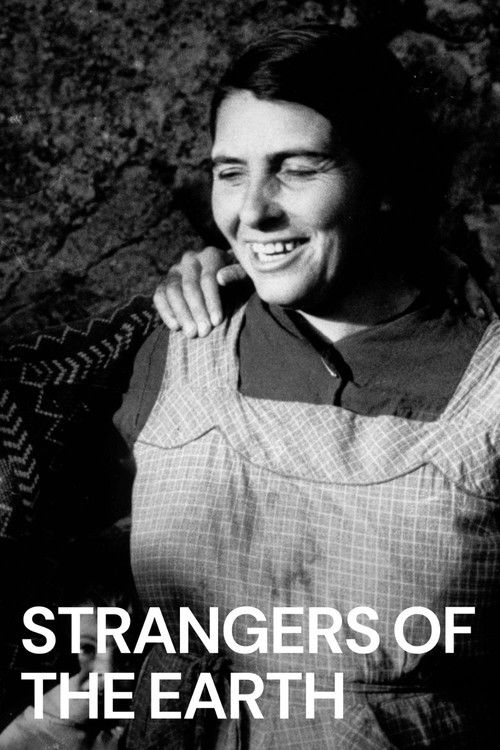
For ten years, Raymond Depardon has followed the lives of farmer living in the mountain ranges. He allows us to enter their farms with astounding naturalness. This moving film speaks, with great serenity, of our roots and of the future of the people who work on the land. This the last part of Depardon's triptych "Profils paysans" about what it is like to be a farmer today in an isolated highland area in France. "La vie moderne" examines what has become of the persons he has followed for ten years, while featuring younger people who try to farm or raise cattle or poultry, come hell or high water.
More than 7,000 km from his home in the Jura Mountains, Sébastien dos Santos Borges is taking seventeen of his dogs on an extraordinary adventure between Yukon and Alaska, following in the footsteps of the adventurers of the Far North. He is one of the most respected mushers in the world and is preparing to set off on the Iditarod Trail Sled Dog Race, one of the most difficult dog sled races. An expedition into the heart of the wilderness, where the relationship between man and animal is essential to triumph over the cold.
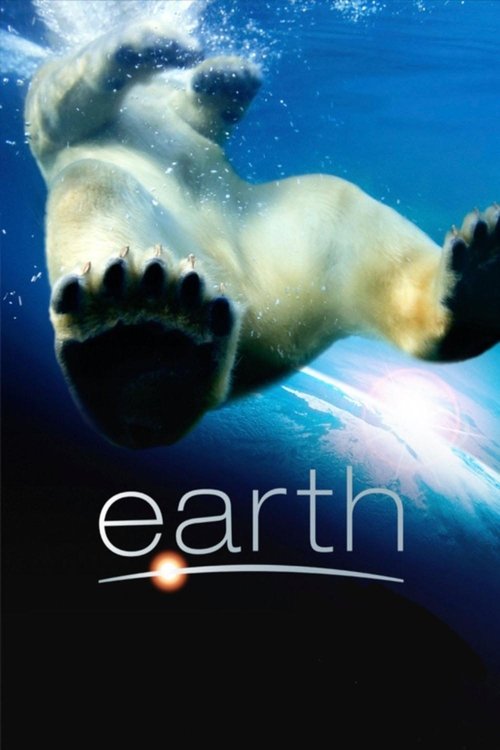
An epic story of adventure, starring some of the most magnificent and courageous creatures alive, awaits you in EARTH. Disneynature brings you a remarkable story of three animal families on a journey across our planet – polar bears, elephants and humpback whales.
Do we need animals to fill the void that should really be filled by people? To what extent do we project our own deprivation and longing on these sweet pets? All the protagonists in this documentary are indirectly afraid of being rejected and find safety and unconditional love in their animal(s). We observe these relationships and follow them in their steps to overcome their anxieties and insecurities and step into the world of humans more.
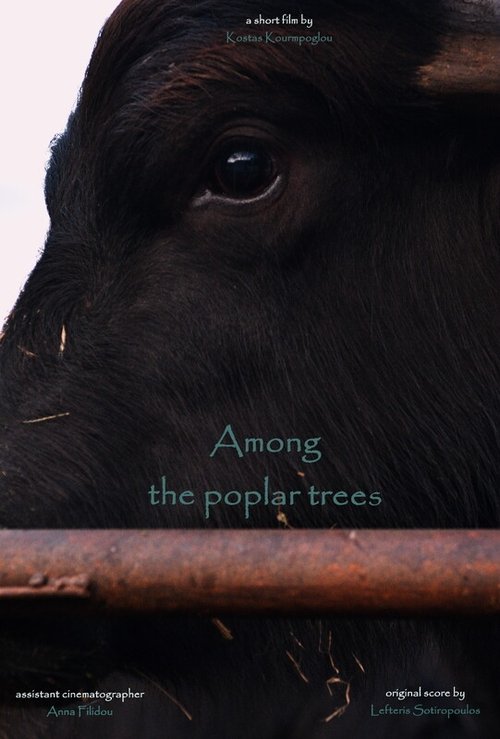
By the shore of Lake Kerkini, nestled among the poplar trees, lies a small farm. There, a father and his son raise buffaloes. The camera lens roaming between their feet, quietly observing the daily life of both the men and the buffaloes. A wetland where the natural wealth is evident as loneliness.
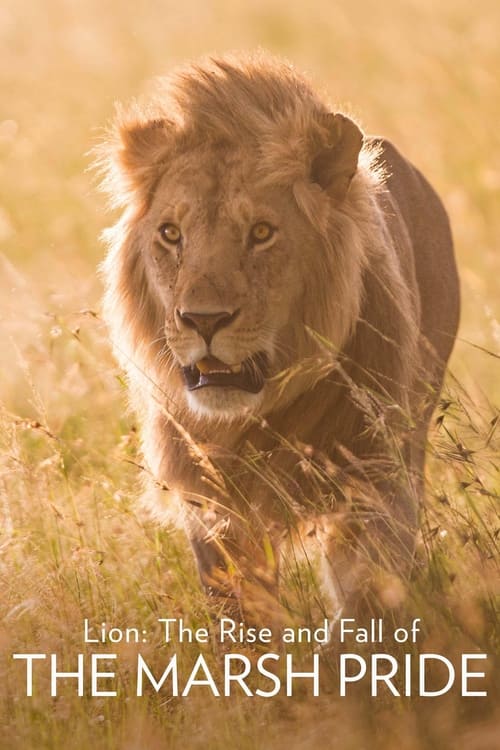
Documented in television documentaries for over 40 years by the BBC and other broadcasters around the world, the Marsh Pride is the most filmed pride of lions on Earth. In this film, the Marsh Pride battle for survival in Kenya's famous Maasai Mara Reserve, which has become a magnet for tourists, many of them keen to see the pride for themselves. A tale of shifting loyalties, bloody takeovers and sheer resilience, the lions’ story is told by those who filmed them, tried to protect them and lived alongside them, as well as some who ultimately wanted them dead.
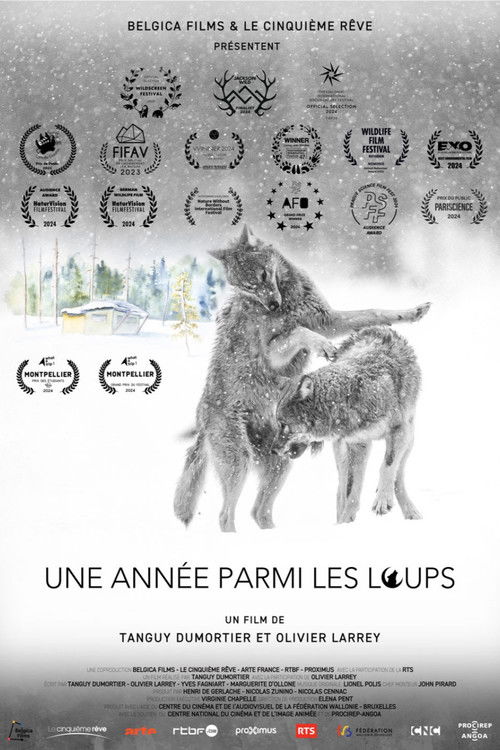
United by the same dream, Yves Fagniart and Olivier Larrey, watercolorist and wildlife photographer respectively, set up home in a shack just a few square meters square, in the middle of the no-man's-land between Finland and Russia. Their aim: to document the intimate life of a pack of wolves, presumed to frequent this frozen peat bog landscape.
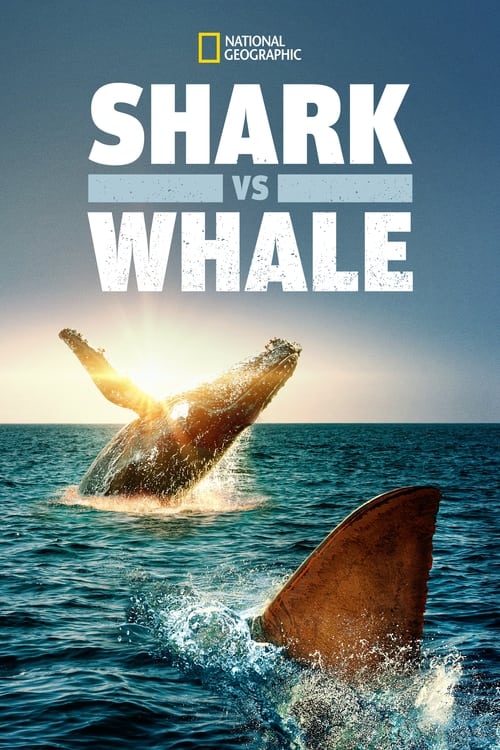
A routine drone survey turns deadly when Ryan Johnson, a marine biologist based in South Africa, films a humpback whale being attacked and strategically drowned by a Great white shark. This is a total perspective shift for the creature.
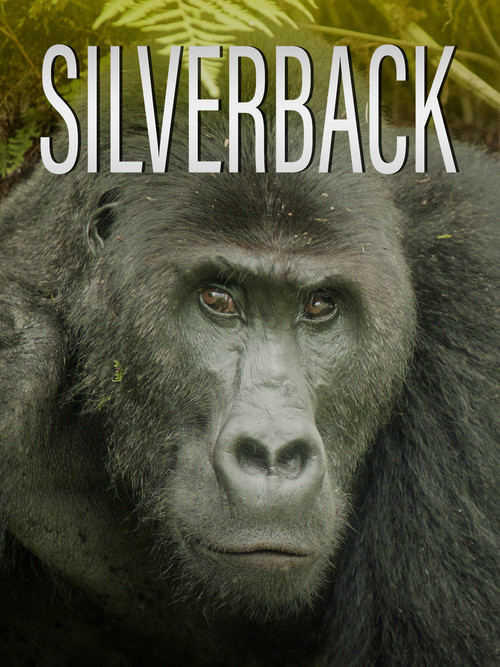
Feature-length documentary following award-winning wildlife cameraman Vianet Djenguet as he documents a gruelling but vital mission to ‘habituate’ a notoriously protective 450lb silverback, in a last-ditch effort to save the critically endangered eastern lowland gorillas from extinction.
Les inconnus de la terre starts like a traditional feature film: in the beginning of the film all the leading roles are given a short introduction. This is followed by a number of interviews, in which the makers unashamedly appear themselves. They include an interview with a lonely shepherd and one with three unmarried brothers who try to run the parental farm for better or worse. Notwithstanding the fact that this mode of interviewing has now become classical, les inconnus de la terre works rather refreshingly. The film is more than just an enumeration of problems. In an honest way it shows the ties of those involved to the land and to nature, in addition to being a plea for the modernization of French agriculture.
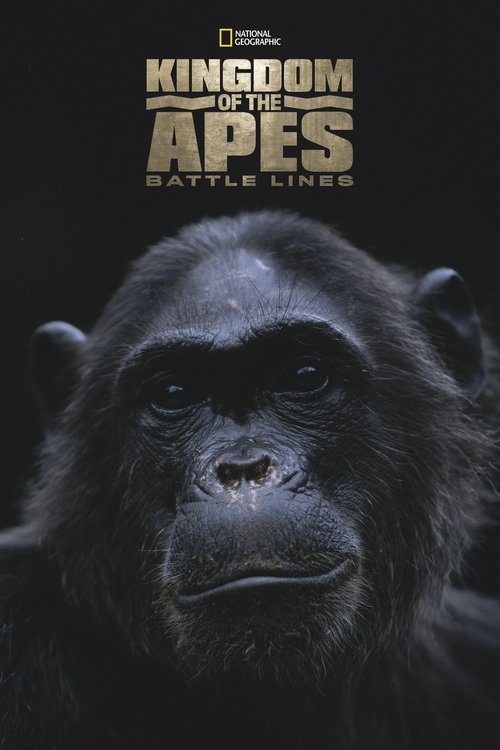
Gorillas and Chimpanzees struggle for power and dominance within their clans.
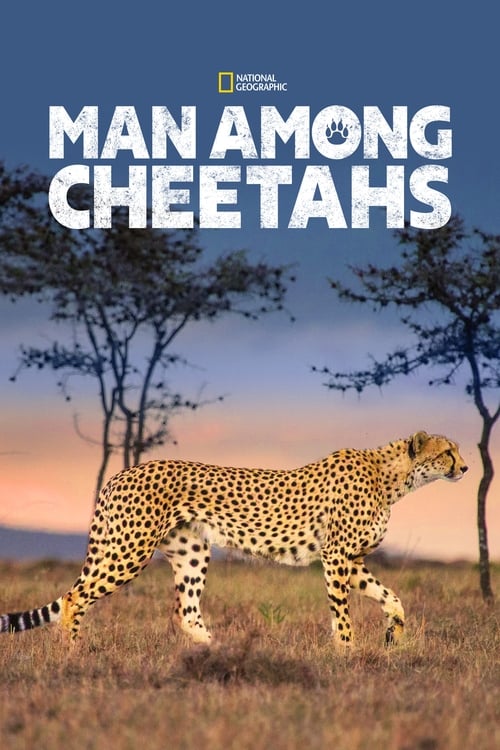
A wildlife filmmaker tries to keep up with a Cheetah mom determined to keep her cubs alive.