Every year in Tanzania, the dry season hits the Ruaha reserve hard. To survive, animal populations come down from the high plateaus to reach the Ruaha river, where a troupe of lionesses waits patiently, poised for combat
Geoffrey Bateman
as Narrator (voice)
Five lion prides in Africa compete for scare food and each have adopted their own style of hunting. Follow them as they take down everything from buffalo to giraffes. Only the most cunning and capable will survive.
Tales of the existence of white lions have been passed through four centuries of African folklore. But today no white lions exist in the Timabavti range where they originated. That is until a team of conservationists brings one special lioness and her three cubs out of captivity and into the natural habit of their origins. Two years into the project, Linda has achieved much of what she set out to do but the hunting policy hasn't changed and the genetic marker hasn't yet been identified - meaning the white lions are still not a protected sub-species. Whilst this challenge still remains, Marah's legacy lives on as her daughter produces the white cubs, and the brothers are ready to breed with the tawny lionesses. Linda continues to fight for the protection of these magical lions and looks forward to the day when it will be safe for her lions - and all white lions - to roam freely in the Greater Timbavati Ecosystem.
Lazy relatives. Jealous neighbors. Runaway kids. The everyday troubles of one family - except this family is a pride of lions. Shot over three years during the most extreme seasonal changes in Africa, the film follows Mfumu - the pride's leader - as he struggles to defend his turf, and his mate Chipazuwa as she tries to produce offspring. Among the threats: a river infested with crocodiles that have taken every litter of cubs -- and a rival male, bent on taking over the pride.
A story told through the eyes of a predator of the Liuwa plain, the last remaining lioness of Liuwa. She is the sole survivor of a senseless massacre that took the rest of her pride. A symbol of the Liuwa, a place that challenges all who live here
Africa the Serengeti takes you on an extraordinary journey to view a spectacle few humans have ever witnessed: The Great Migration. Journey with more than two million wildebeests, zebras and antelopes as in their annual 500 mile trek across the Serengeti plains.
Using the latest advances in camera technology, NGC penetrates the nocturnal hunting behaviors of the lion. Often asleep during the day, at night these iconic cats become active predators. With thermal imaging and infrared technology, see how experienced lions use the night to their advantage while stalking their prey
Husband and wife team Phil and Lynne Richardson live at a water hole with lions, elephants, and baboons in the African bush of northern Zimbabwe's Zambezi Valley. Video technologies like miniature infrared cameras and lenses for nighttime vision help them capture natural behavior without interfering with the wildlife
Film about a family of lions living in the swamps of the Okavango delta, seen through the eyes of a cub born just before the annual flood
White lions are among the rarest and most treasured animals in the world. Rarer still is their survival in the wild. Their white color stands out in Africa’s wild bush country, increasing their risk of being targeted and killed by rival predators and marauding adult male lions. Only three white cubs have reached adulthood in the wilds of South Africa since white lions were first documented there in 1975. Now, two white cubs, sisters, have beaten the odds, surviving all the challenges of their youth with the help of two remarkable lionesses—their mother, Matimba, and their aunt, Khanya. Without an adult male lion to protect their small pride, Matimba and Khanya must rely solely on their own knowledge, strength and courage to protect their family.
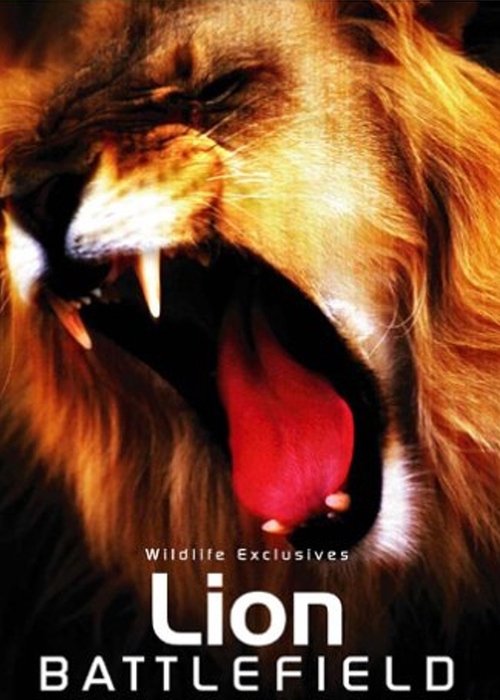
Lion Battlefield is a story about a pride of lions, and how daily interactions with their prey, their competitors and their deadly enemies, could affect the lives of their cubs. A chance encounter with a herd of buffalo could provide the pride with food for a week, but these hefty animals form a co-ordinated unit of advance guards, flankers and rear guards that can turn the tables and decimate a pride.
As little as 15 years ago, no one had captured the unforgettable image of a leopard in its ghostly nocturnal stalk. Viewers had never seen intimate portrayals of the sleek and elusive serval, or witnessed the nighttime romps of the beautiful black-eared caracal. The team of Owen Newman and Amanda Barrett filled those gaps with a series of spectacular breakthrough films in the 1990s. Among the first to apply infrared light and night vision goggles to wildlife studies, they combined technology with intrepid determination and a strong dose of luck, illuminating the cats we hardly knew, and giving us fresh insights into those we only thought we knew, such as lions and cheetahs
Meet the "Five Musketeers," five inseparable lion brothers raised in the ancient Namib Desert. When they eventually become independent from their mothers, they venture into the desert in search of their own kingdom--a journey fraught with treacherous terrain and conflict. Follow a remarkable desert coalition and see how one lion, despite hardship and loss, attempts to keep the legacy of the musketeers alive.
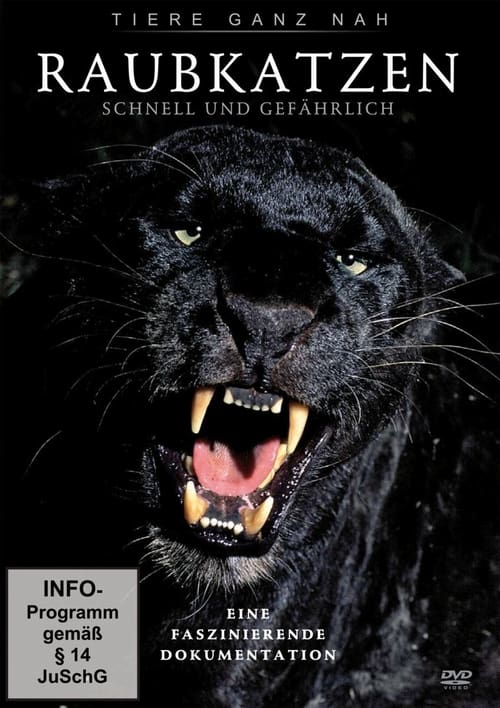
The vast savannah of the Serengeti. A large part of the genus Panthera lives here. Better known as the "actual big cat". They are among the largest cat species on earth. Among them is the lion, the true predator beneath the vast African sky. 'The King of Africa', male specimens of which weigh up to 270 kg, captured in breathtaking images that show the fascinating world of the big cats. Funny, tragic and spectacular recordings also document the fastest animal in the world, the cheetah, follow leopards on your trail and experience the first days of a black panther.
Africa's big cats lead a predictable life, they are masters of the dry terrain. However, for eight intense weeks, violent storms transform their world. Storm Cats follows the lives of two generations of big cats during the fleeting wet season in arid Botswana. It is an intimate portrayal of lion and cheetah families pushed to the edge by nature's raw power. Only those that can adapt will survive
In 2015 a lion in Zimbabwe named Cecil was killed by Walter Palmer, an American dentist, provoking a global outcry. The story of Cecil’s death turns the gaze back on to us and our behaviour. The simplicity of the outrage is a stark contrast to the complexity of the reality.
At a South African sanctuary, Luke Cornell provides a second chance for wildlife, confronting the harsh realities of poaching while revealing the deep emotional bond between the animals and those dedicated to their care.
Errol Morris interweaves the stories of four men, each driven to create eccentric worlds from their unique obsessions, all of which involve animals: a lion tamer shares his theories on the mental processes of wild animals; a topiary gardener devotes a lifetime to shaping bears and giraffes out of hedges and trees; a man fascinated with hairless mole rats; and an MIT scientist who has designed complex, autonomous robots that can crawl like bugs.
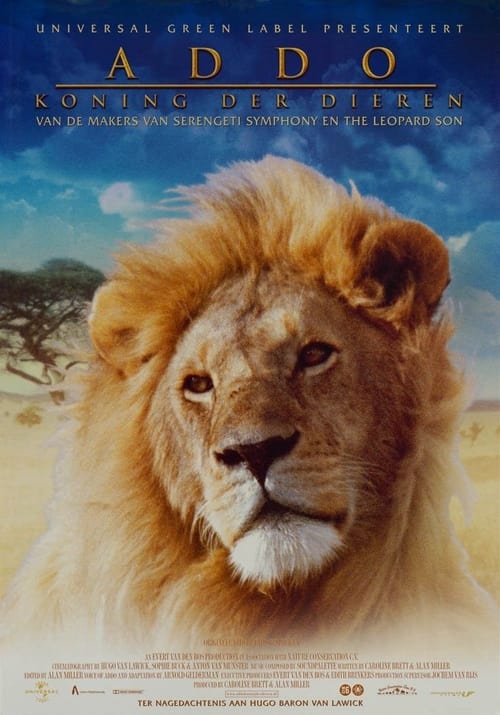
This documentary follows the harsh and competitive life of Addo, a male lion born into a successful pride.
This is the exciting story of two lion cubs born with a rare whim of nature. In Krüger park, South Africa's major natural reserve, about once in a generation a pride of lions includes a rarity: white cubs. This time two are born to the sister of a lioness with two elder, regular 'golden' cubs, whose natural camouflage is a major hunting and hiding advantage. The tiny pride is precarious anyway, having lost its sole male, with three lion brothers roaming around, eager to render a lioness mating-ready again by killing her offspring. Meanwhile prey and even the cubs are in danger from hyenas and leopards, as everyone lurks for a 'free meal', and some prey defending themselves and their young prove fearsome, notably buffaloes
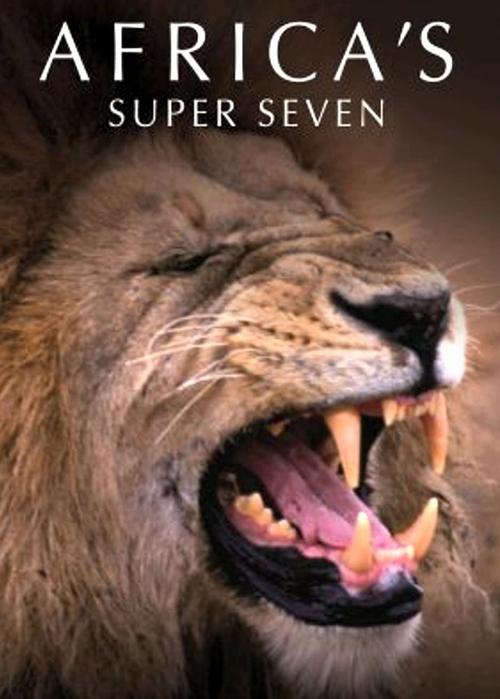
On the northern bank of the Sand River in the Mala-Mala Game Reserve in South Africa, seven magnificent creatures reside in an area the size of Manhattan Island. Tracking them for 24 hours reveals a never-ending daily drama.