Luka Mangifesto
as Théo
Léanne Leduc
as Réalisatrice du documentaire sur Théo
Justin Papillon
as L'Alien
Richard Glenn
as Richard Glenn
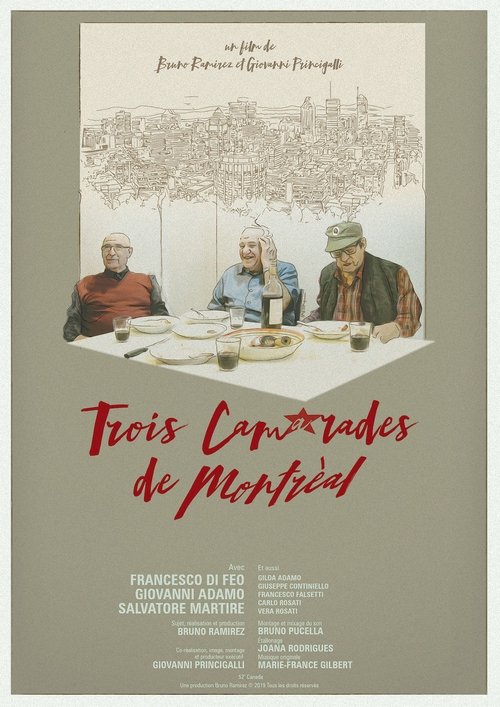
Traces the lives of the Hartings, a blind Montreal family of three who make their living singing in the city's subway stations. The Hartings lost their only sighted child Hassan in a tragic drowning accident, and have since turned to the teachings of Russian mystic Grigori Grabovoi, hoping to resurrect their son. Resurrecting Hassan is an exploration of this family's legacy of grief, tragedy and abuse; the film will follow them on their path to redemption.
For the past 4 years a devout Catholic Andre Levesque has been performing dance shows inside the trains of Montreal's underground metro. Using old school pop and rock music hits as the accompaniment to his amateur dances, he devotes his performances to Jesus Christ and Virgin Mary.
A group of twenty-somethings struggle through the misguided awkwardness that comes with early romance. Bryce meets a French girl one day in the city. Jules runs into an old flame he has secretly been in love with for years. Blake realizes that his friend's sister is suddenly "all grown up" and these young men are forced to come to grips with the unknown... women.
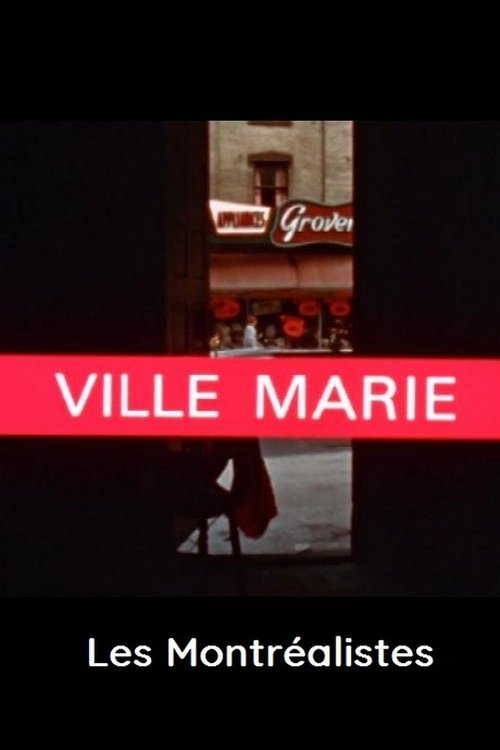
Today it is the city of Montreal, but 3 centuries ago the tiny band of missionary founders called it Ville-Marie, the holy city of Mary. This film goes back to its beginning and those who felt called to plant an oasis of Christianity in the North American wilderness. In an imaginative, at times almost surrealistic, way the film recalls the highborn company from France, and shows what survives of Ville-Marie in the Montreal of today.
Anna, a twelve-year-old Ukrainian gymnast, has fled her war-torn country and recently settled in Montreal with her mother, younger brother, and grandmother. Confronted by the past, the challenges of exile, and a deep need for belonging, she seeks to rebuild her identity and regain her balance. Through her child’s perspective, the documentary explores the reality of life after war, questioning what endures and what is missing, even when one has found refuge.
After a mobster agrees to cooperate with an FBI investigation in order to stay out of prison, he's relocated by the authorities to a life of suburban anonymity as part of a witness protection program. It's not long before a couple of his new neighbours figure out his true identity and come knocking to see if he'd be up for one more hit—suburban style.
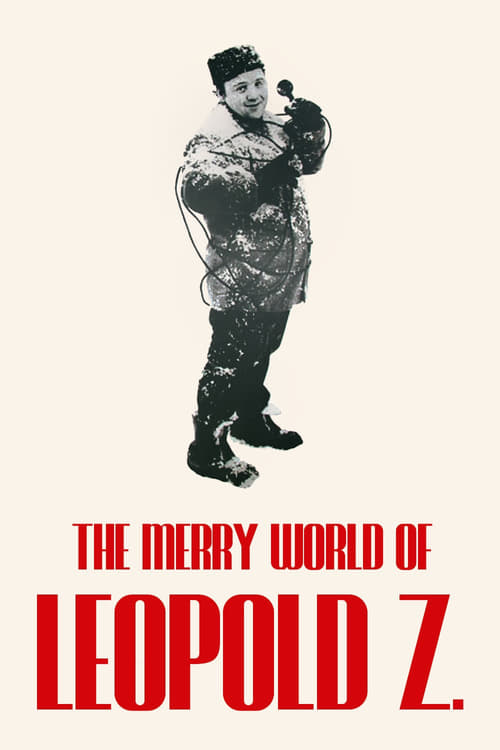
A worker, called in a hurry to remove the snow in the city street, try to buy his remaining gifts in the tumult of Christmas eve without quitting his work.
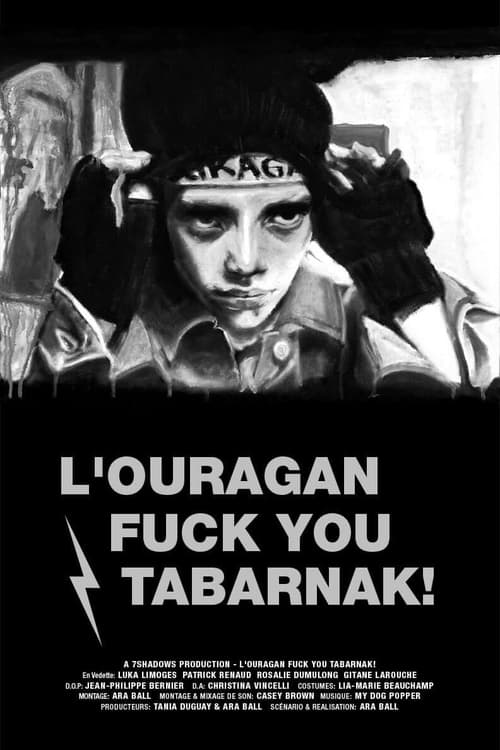
Delphis, an 11 year old kid from the roughest part of Montreal, lives life according to his own rules, under the label of the Hurricane. Set in 1991, the film crudely deals with various social labels with a dose of black humor.
Rosaire and Alex would do anything to seduce girls, but they are broke. In an attempt to escape their problem, they become willing to do anything to make some money.
A web documentary that explores Montreal’s incredible contribution to jazz music history through the legendary black musicians of Little Burgundy – the neighbourhood that was a hub of musical creativity, private clubs and speakeasies from the Jazz Age 1920s to the Golden Era of Jazz in the 1940s and 50s. Oscar Peterson, Oliver Jones, Norman Marshall Villeneuve, the Sealey Brothers, Nelson Symonds, and Louis Metcalf are among the greats who lived or played in "Burgundy".
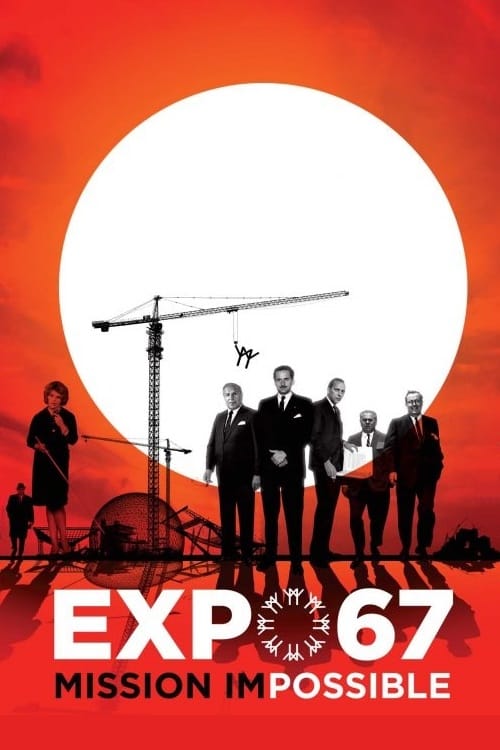
This documentary let us to relive the challenge of the men behind the 1967 Universal Exposition in Montréal, Canada. By searching trough 80,000 archival documents at the national Archives, they managed to bring light on one of the biggest logistical and political challenges that were faced by organizers during the "Révolution Tranquille" in the Québec sixties. Includes the accounts of the Chief of Advertising Yves Jasmin, and businessman Philippe de Gaspé Beaubien.
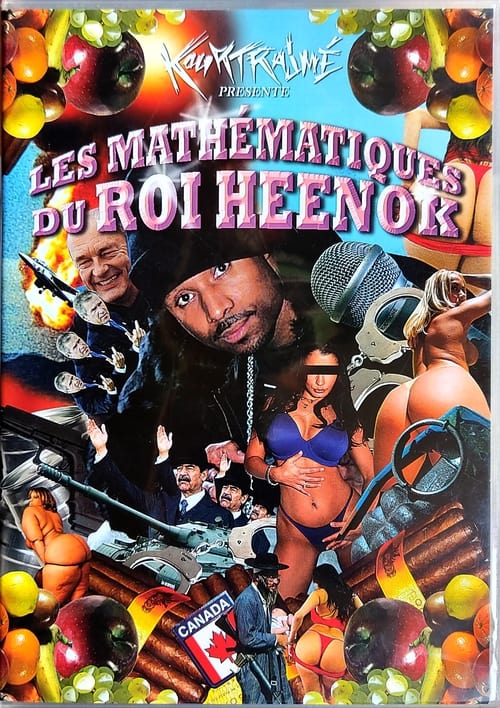
An immersive dive into the world of Heenok and his collective Gangster & Gentleman, while touching on broader questions about the survival of hip-hop and the state of humanity. Did Roi Heenok really earn his first million at 18? Is he a real fake gangster or a fake real MC? And ultimately, is Roi Heenok truly a king?
Gilles Groulx's first film shot in 1955 with a camera borrowed from his brother and edited during his spare time when he worked as an editor at the Radio-Canada news service a few years before he joined the NFB. Silent film, presented as its author left it, where the soil and the dialectic of Groulx's work are already there: documentary realism, the social space to be explored, daily life, the relationship between individual and society, social disparities, the consumer society, seduction and happiness.