When the last visitors leave and silence descends, the museum awakens in a different way. Staff members share their stories about inexplicable sounds, shadows that vanish just a little too quickly, and objects that seem to look back.
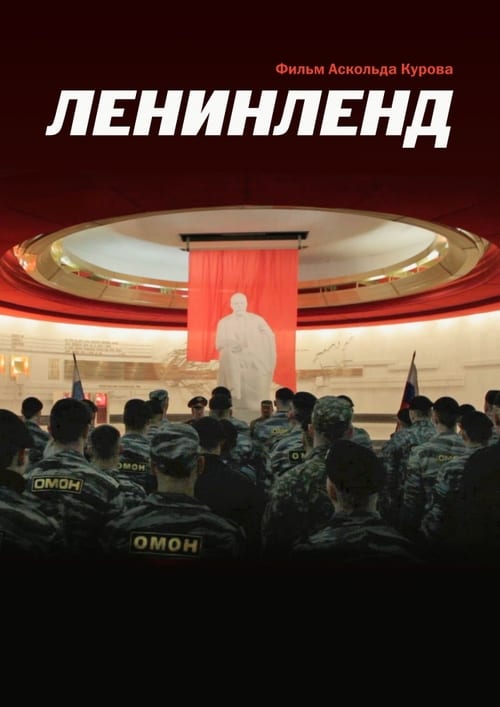
At the peak of Perestroika, in 1987, in the village of Gorki, where Lenin spent his last years, after a long construction, the last and most grandiose museum of the Leader was opened. Soon after the opening, the ideology changed, and the flow of pilgrims gradually dried up. Despite this, the museum still works and the management is looking for ways to attract visitors. Faithful to the Lenin keepers of the museum as they can resist the onset of commercialization. The film tells about the modern life of this amazing museum-reserve and its employees.
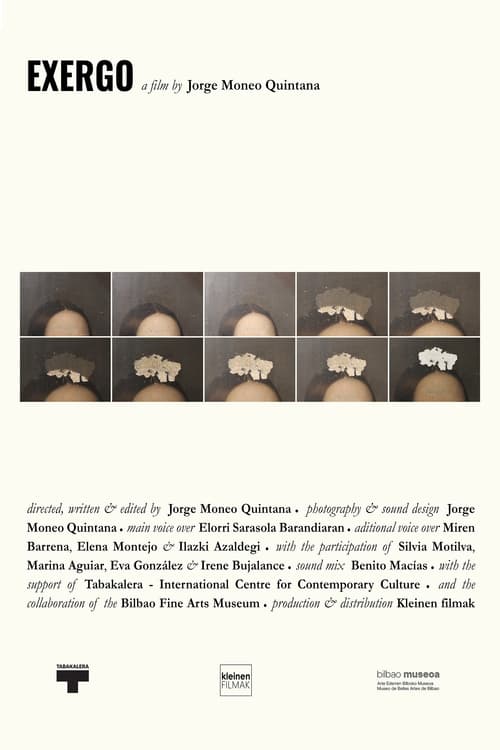
Departing from peripheral details of some paintings of the Bilbao Fine Arts Museum, a female narrator unravels several stories related to the economic, social and psychological conditions of past and current artists.
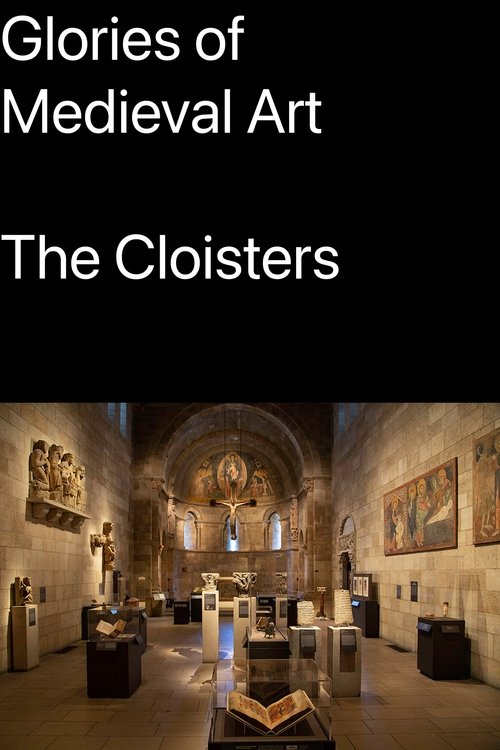
Philippe de Montebello, Director of The Metropolitan Museum of Art from 1977 to 2008, guides viewers through The Cloisters, pointing out Romanesque and Gothic architecture and artwork, beautiful tapestries, and the diverse species in the gardens. He outlines the history of the building and it's many influences and highlights significant works of art in the collection. It was produced in 1989 by The Metropolitan Museum of Art's Office of Film and Television.
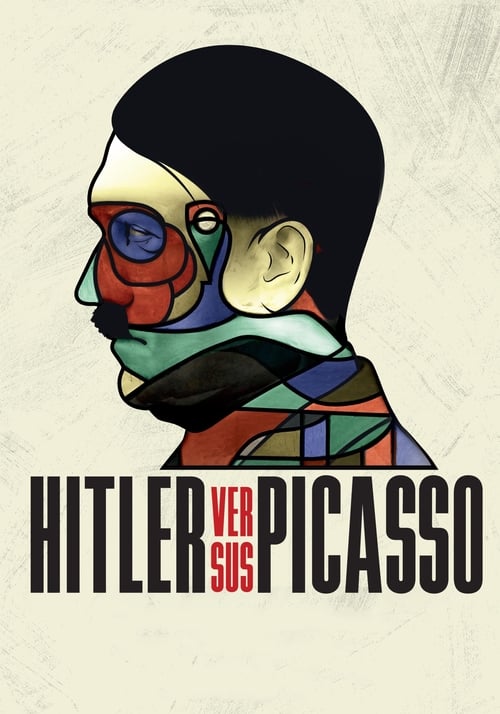
In 1937 the Nazi regime held two exhibitions in Munich: one to stigmatize “Degenerate Art” (which they systematically looted and destroyed) and one, personally curated by Hitler, to glorify “Classic Art”. This immersive new documentary reveals the Nazi’s complicated relationship with classical and modern art, displaying an incredible number of masterpieces by Botticelli, Klee, Matisse, Monet, Chagall, Renoir and Gauguin amongst others, intertwined with human stories from the most infamous period of the twentieth century. A state-of-the-art detective story exploring the Nazis’ obsession with creative expression, Hitler versus Picasso combines history, art and human drama for an unforgettable cinema experience.
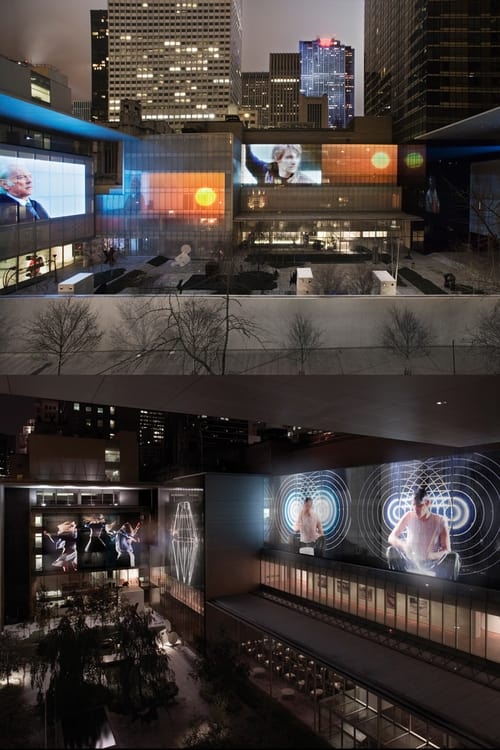
A bike messenger, an electrician, a postal worker, a business man and an office worker make their way through an evening in New York City. A collection of eight large-scale moving images projected on the walls of New York's Museum of Modern Art.
Master filmmaker Alexander Sokurov (Russian Ark) transforms a portrait of the world-renowned museum into a magisterial, centuries-spanning reflection on the relation between art, culture and power.
Lucy Jarvis -- the plucky camerawoman known for becoming the first Westerner to film inside communist China -- breaks barriers once again with this exclusive look at the world-famous Musée du Louvre, a place that previously barred access to all filmmakers. Charles Boyer is your host on this personalized tour of the museum's most prized possessions, including works by da Vinci, Michelangelo, Vermeer and Van Eyck.
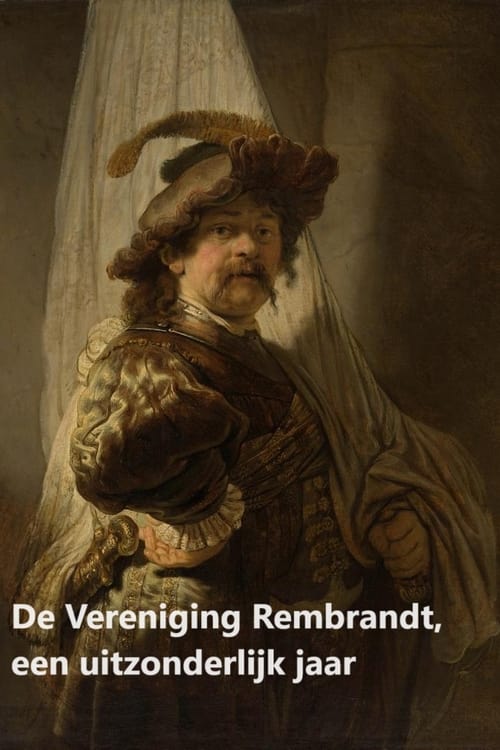
Documentary about the Rembrandt Association. In the 19th century, a lot of Dutch art disappeared abroad, before the Rembrandt Association stood up in 1883 to put a stop to it. Today, 140 years later, the Association still helps determine what art lovers see in Dutch museums. In their crowning year, the Association faces a difficult choice: will they make the largest contribution in their history to the purchase of Rembrandt's De Vaandeldrager? The amount of 175 million needed for the painting is causing discussion. Is this money well spent?
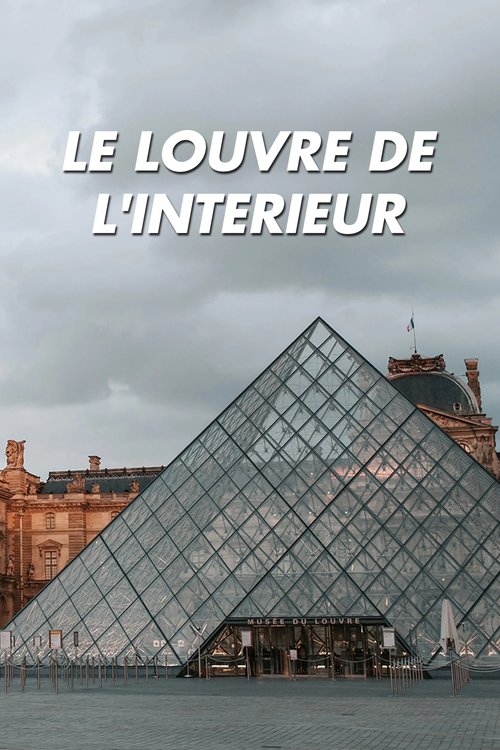
Despite being closed to the public, on Tuesdays at the Louvre Museum in Paris, the day is busier than ever.
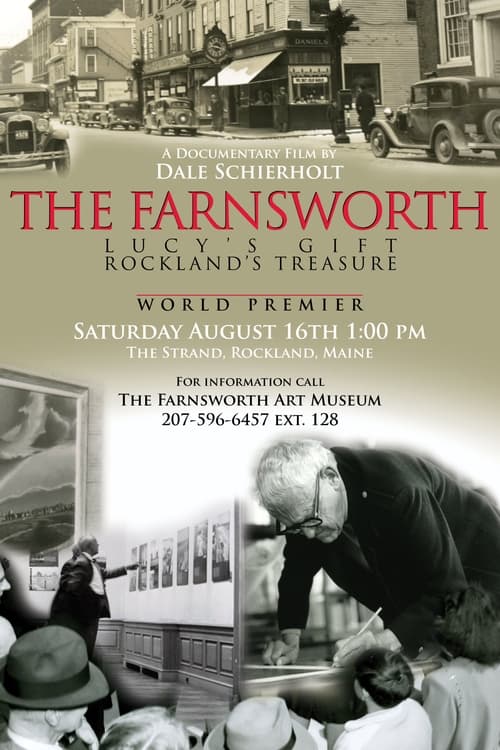
Since its opening in 1948, The Farnsworth Art Museum has been a source of community pride and a beacon that draws visitors to Rockland each year. Told through first person interviews with Rockland natives and residents, historical photographs and footage, the film follows the museum’s growth from the reading of Lucy Farnsworth’s will, through the construction of the museum facility, to the internationally renowned institution that it is today.
The history of how the Museum of Spanish Abstract Art of Cuenca was created. In the mid-1950s, the Spanish collector and painter Fernando Zóbel de Ayala (1924-84) becomes fascinated by the young generation of Spanish abstract artists, so he begins to collect their works to show them to the public in Toledo. Until Gustavo Torner, a young forest engineer interested in art, proposes him to visit his city, Cuenca.
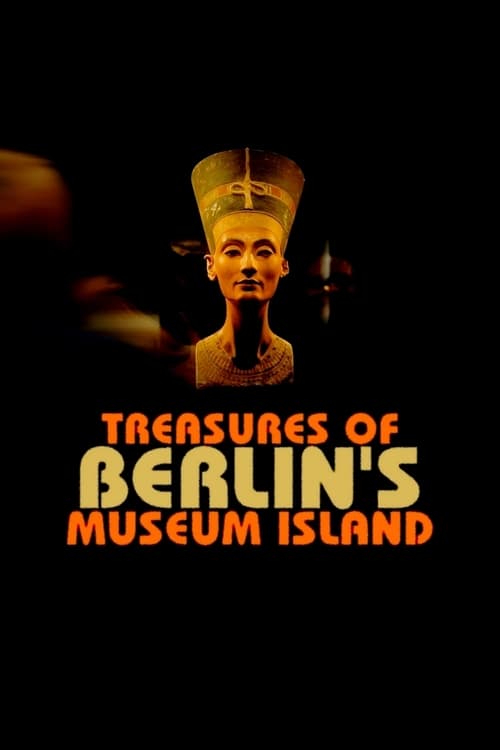
Berlin’s Museum Island, the cultural center of the German capital on the Spree river, houses a large number of art pieces from all over the globe, from the Stone Age to the present day. A walk through their great institutions to marvel at their masterpieces.
This film, which documents a controversy over plans to alter the original architectural design of the Whitney Museum of American Art, examines some of the problems raised by the decision, including Modernist and Post-Modernist styles, architecture as art, the responsibility of art museums to the public, and the role of the architect
Many twentieth century European artists, such as Paul Gauguin or Pablo Picasso, were influenced by art brought to Europe from African and Asian colonies. How to frame these Modernist works today when the idea of the primitive in art is problematic?