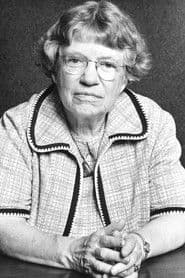
Filmed in Bali in 1937 and released in 1952, this short documentary records a staged performance of the Kris Dance, documenting trance, ritual possession, and ceremonial movement within Balinese religious practice.
Margaret Mead
as Narrator (voice)
A brief visualisation of NASA’s historic spacecrafts Mariner, Pioneer, Voyager, and Dawn, exploring the solar system, culminating in the New Horizons mission.
A chronicle of the production problems — including bad weather, actors' health, war near the filming locations, and more — which plagued the filming of Apocalypse Now, increasing costs and nearly destroying the life and career of Francis Ford Coppola.
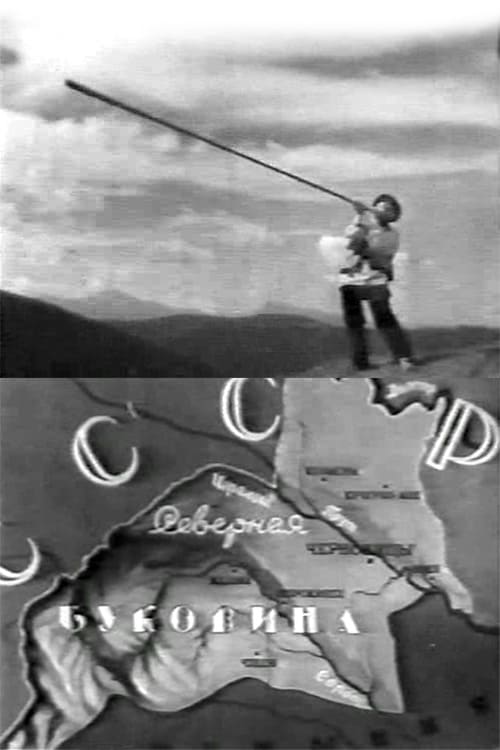
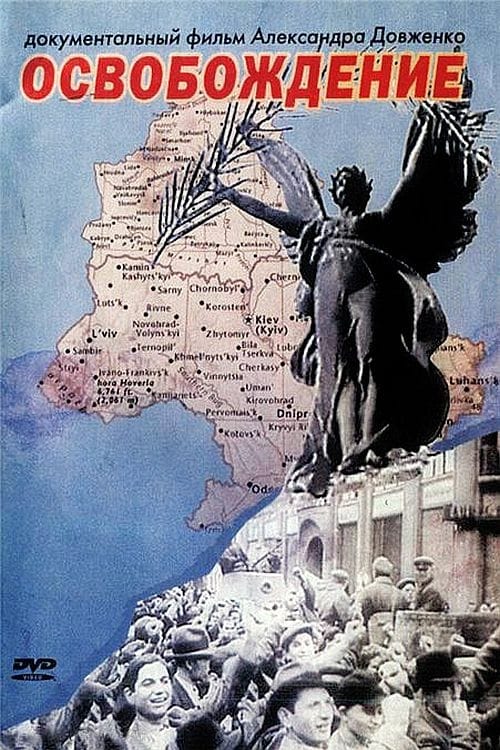
Dovzhenko and Solntseva's documentary about the Bukovina region.
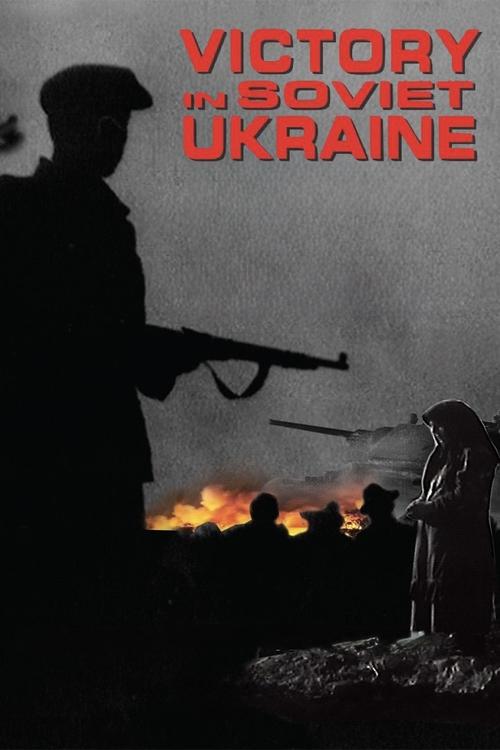
A wartime documentary directed by Alexander Dovzhenko and Yuliya Solntseva, depicting the final campaigns that drove Nazi forces from Ukraine in 1944–45. Combining frontline footage, liberated cityscapes, and scenes of returning civilians, the film chronicles both the devastation of occupation and the triumph of Soviet arms. It stands as both a historical record of the Ukrainian front and a patriotic celebration of victory at the close of the Second World War.
Wartime documentary by Dovzhenko and Solntseva.
The cartoon based on the works of Alexander Pushkin was created on the basis of drawings from the exhibition "Pushkin through the eyes of children".
The memory lives on in Yukio Saeki's memory. At 83 years old, he still hears the echo of the sea in Japan, near Hiroshima, and the atomic bomb falling from the sky.
On the Sorrento peninsula, orange and lemon groves stretch all the way to the coast. In the orange plantations, the high wooden frames are covered with mats to protect the trees from intense sunlight. The function of the artificial irrigation system is demonstrated. The oculation of trees is demonstrated in a young plantation. The oranges are cleaned on the spot, then sent to the laundry, cleaned, dried and made ready for dispatch. In a lemon plantation, many pickers stand on ladders on a tall tree and remove the fruit. The lemons are sorted, wrapped in tissue paper and packaged in home and large-scale factories. Before being exported, the goods are checked again for quality.
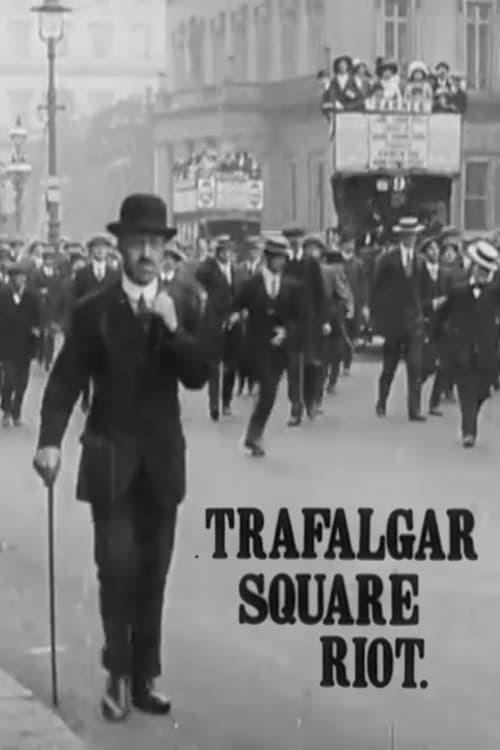
A suffragette demonstration led by Sylvia Pankhurst ends in chaos as police prevent a march on Downing Street.
For the first time, doctors and nurses who cared for Britain's first AIDS patients in the 1980s tell of the extraordinary situation they found themselves in and the rules they had to break to help patients forgotten by the state.
Stuart Iredale was born with Fragile X during the 1950s; a time when the disability was little know. At 60 years old Stuart was correctly diagnosed.
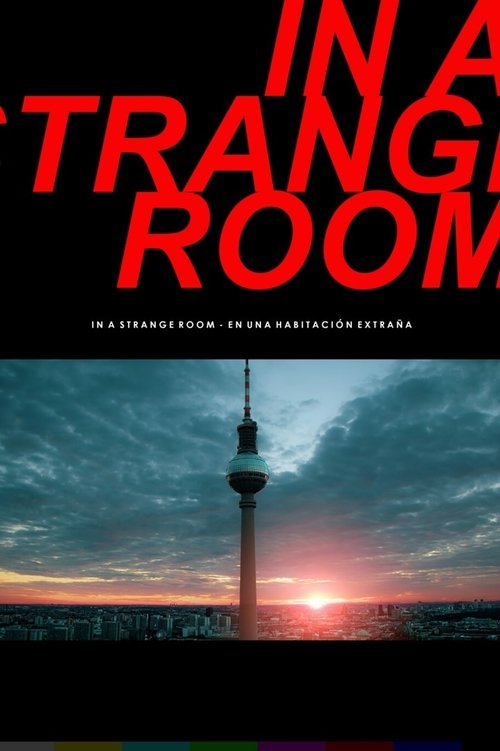
In the summer of 2008, Enzo travels to Berlin to work on a creative documentary and find a former lover.
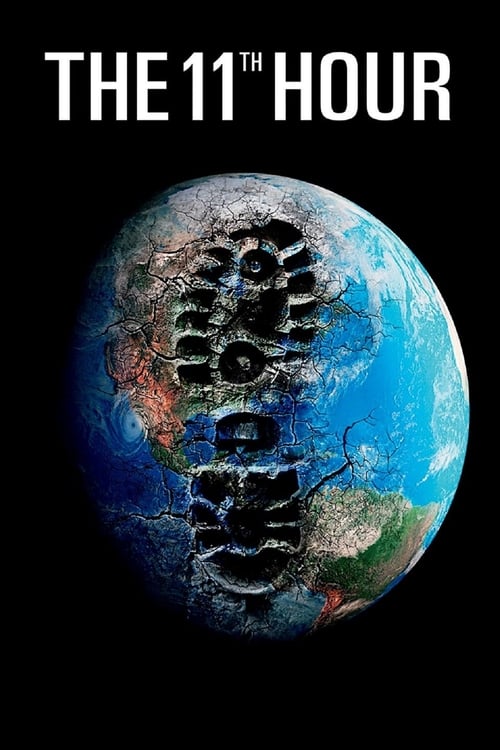
A look at the state of the global environment including visionary and practical solutions for restoring the planet's ecosystems. Featuring ongoing dialogues of experts from all over the world, including former Soviet Prime Minister Mikhail Gorbachev, renowned scientist Stephen Hawking, former head of the CIA R. James Woolse
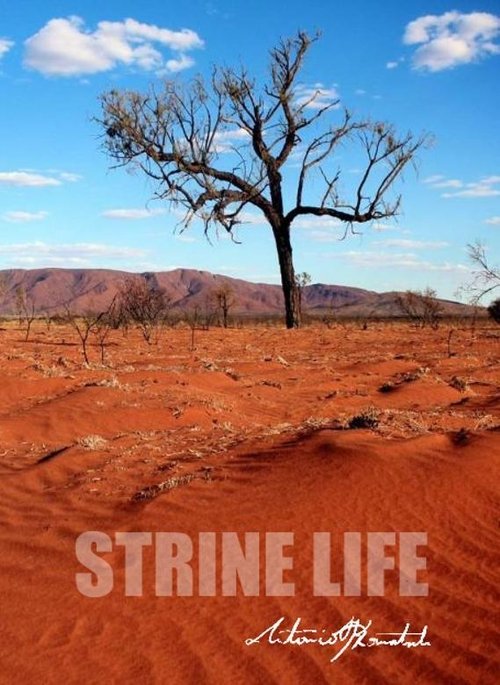
A short film / documentary that depicts the daily grind of first-generation immigrants in Australia.