The documentary gives as overview of the history of the Sahrawi people and their current situation in the refugee camps and in the liberated territories of Western Sahara. It describes how water, education, land etc. are managed.
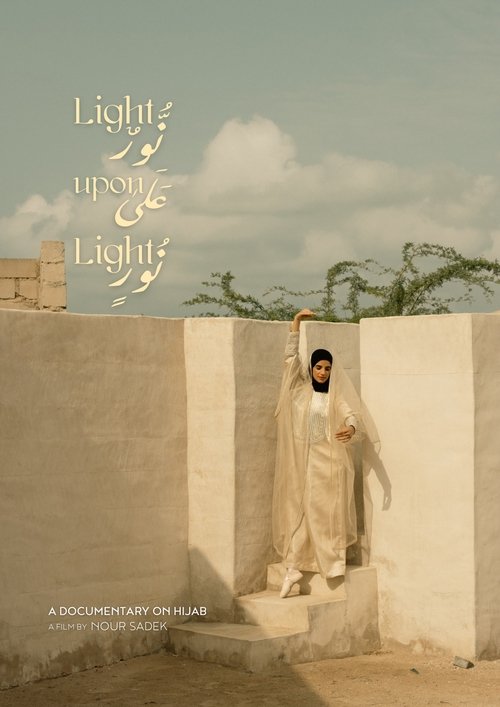
Light Upon Light: A Documentary on Hijab is an intimate and deeply personal exploration of the diverse, raw, and untold stories of hijabi women. Through open and vulnerable conversations with 7 women, the film dismantles stereotypes, highlights the challenges imposed by society, and celebrates the profound beauty of the hijab beyond a mere clothing choice. It captures the individuality of each woman’s story—how they came to wear the hijab, the struggles they’ve faced, and the strength they’ve found in it. More than just fabric, the hijab is a journey, often misunderstood, and influenced by the way the world perceives it. By amplifying voices that are often unheard, the documentary creates a space for empathy, challenges misconceptions, and invites a deeper understanding of what it truly means to wear the hijab; inspiring everyone to see hijab in a new light.
The reunion of a childhood friendship. Lis, a current fashion designer, meets with Caterina, a filmmaker, to jointly create the documentary and a costume for the premiere.
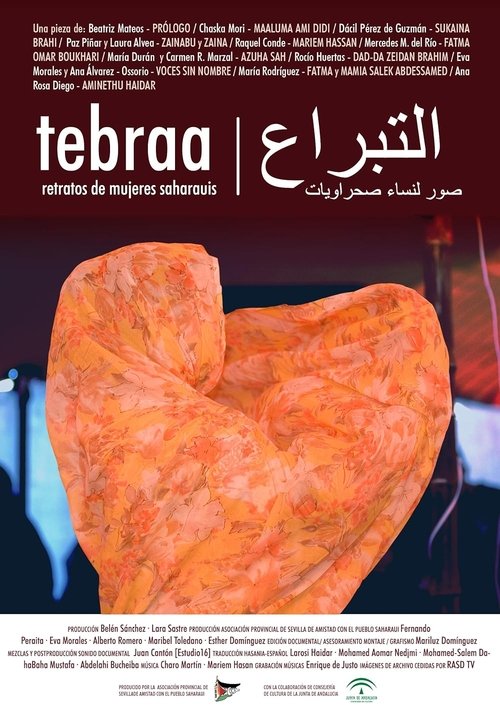
Tebraa is the song of the women of the Sahara desert. Songs of love or lamentation that they sing when they are alone. This collective documentary made by a group of Andalusian women tells the life and injustices that Sahrawi women experience in the adverse conditions of exile and in the occupied territories of Western Sahara.
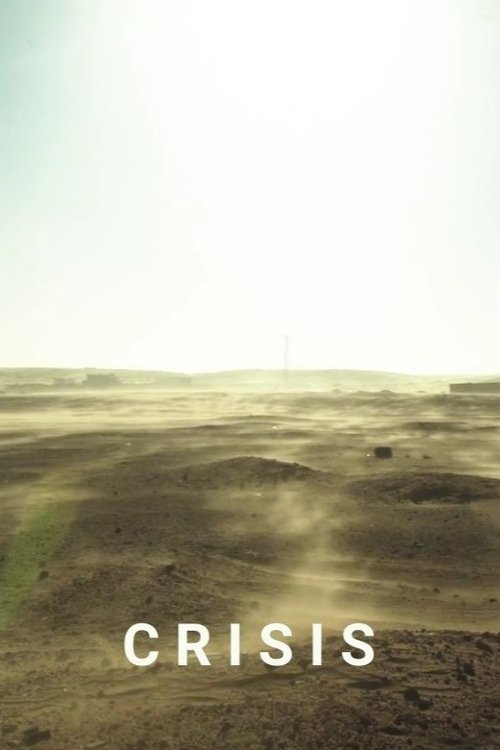
In the middle of Western Sahara desert, where no water, no trees, no animals live but a bunch of refugees, struggling in poverty to survive the harsh habitat, the least of the problem one might face is the environmental crisis.
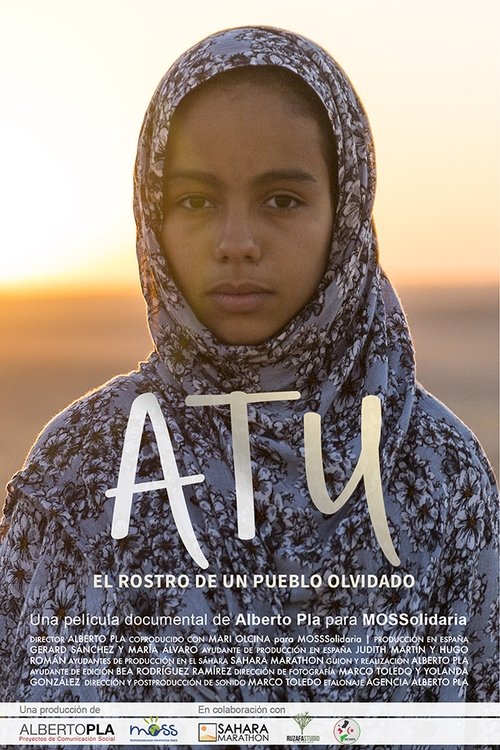
Atu is a 12-year-old Saharawi girl who comes to Valencia every summer to escape the suffocating desert summer in exile. Two opposing worlds between a conflict that has driven hundreds of thousands of people away from Western Sahara forcing them to live in southwestern Algeria. At her young age, with little resources and no homeland, she courageously faces the future.
A state of secrets and a ruthless hunt for whistleblowers – this is the story of 25-year-old Reality Winner who disclosed a document about Russian election interference to the media and became the number one leak target of the Trump administration.
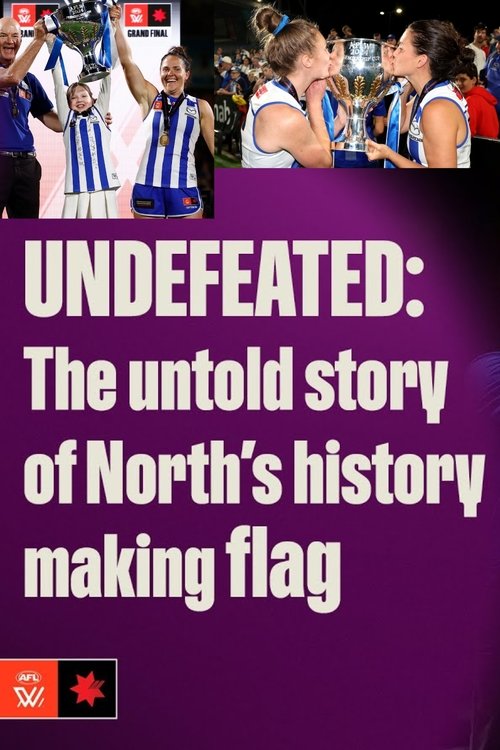
They didn’t drop a game throughout the 2024 home and away season, but the Kangaroos had to face their demons to win the Grand Final.
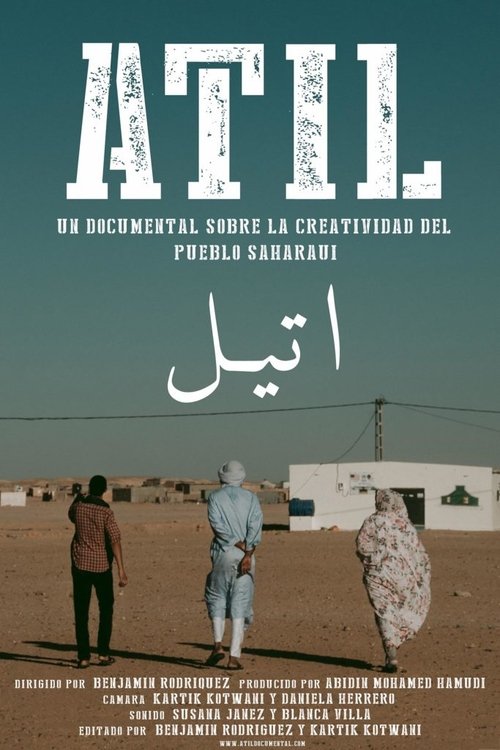
Atil, a documentary on the life of the Saharawis in the Tindouf refugee camps in Algeria. In the camps there are no limits, since creativity and innovation give rise to ideas that succeed in changing the world. As a result, this documentary presents five young Saharawis who show day by day that anything is possible, despite the difficulties. They are all examples of perseverance. Discover a place where hope is never lost.
Three women share their experience of navigating the app-world in the metro city. The sharings reveal gendered battles as platform workers and the tiresome reality of gig-workers' identities against the absent bosses, masked behind their apps. Filmed in the streets of New Delhi, the protagonists share about their door-to-door gigs, the surveillance at their workplaces and the absence of accountability in the urban landscape.
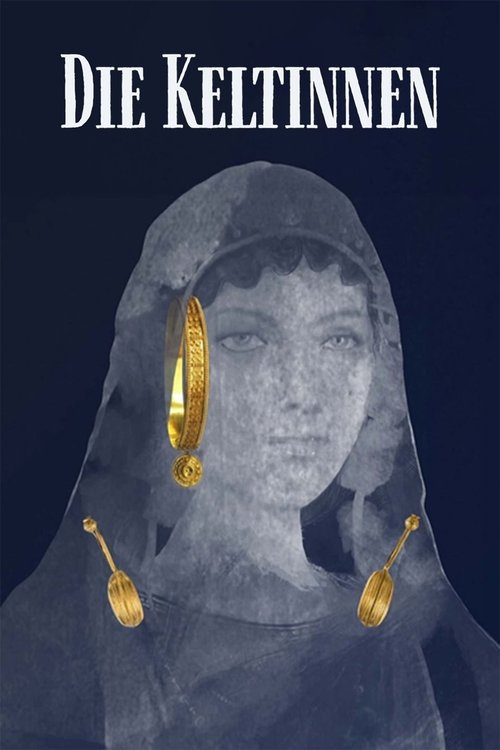
Recent archaeological discoveries in Germany have changed the way we look at Celtic society and the major role played by women.
A dream-like exploration of the interconnected lives of two women and two children, celebrating the profound moments of love, loss, and resilience that shape the tapestry of womanhood. Set to the backdrop of Sidama's coffee-growing hills, 'Amakki', meaning 'your mother', captures the intricate threads that bind these women to the land, to each other, and to the unspoken essence of motherhood. The language spoken in this film is Sidaamu Afoo.
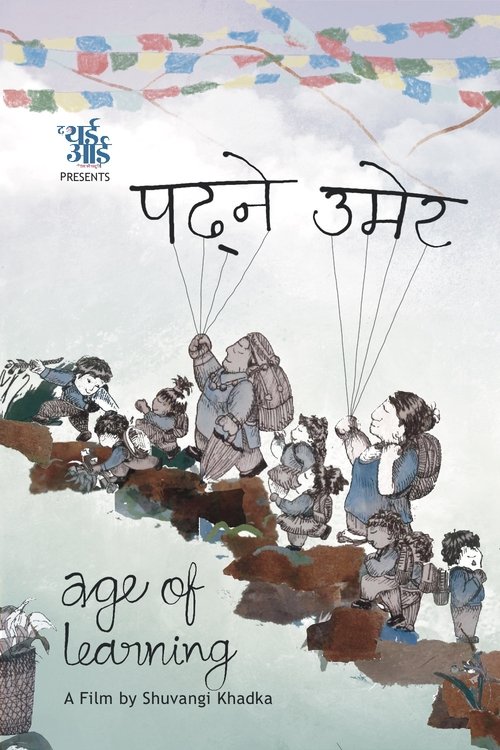
In rural Nepal, Bishnumaya Gurung, 48 and Palhamu Sherpa, 66 go to primary school everyday and make space for learning in their lives as single women.
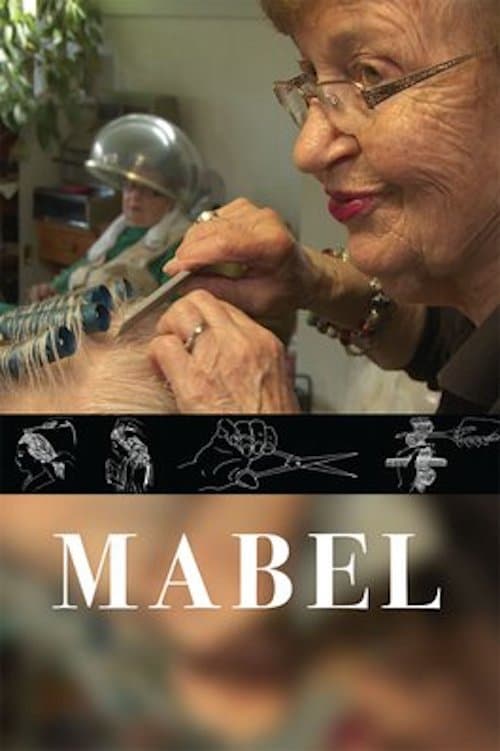
Feisty, fiercely independent and firmly rooted in place, 90 year-old Mabel Robinson broke barriers back in the 40s when she became the first woman in Hubbards, Nova Scotia, to launch her own business—a hairdressing salon where she still provides shampoo-n-sets over 70 years later. Weaving animation and archival imagery with intimate and laugh out loud moments in the salon, the film celebrates the power of friendship, doing what you love and staying active. With no desire to retire anytime soon, Mabel gives voice to a generation who are not front and center of cinema or the pop hairstyles of the day, and subtly shifts the lens on our perception of beauty and the elderly.
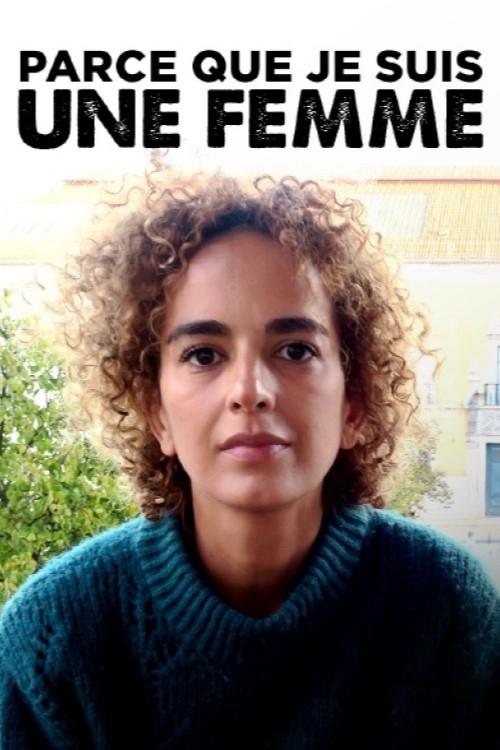
Women are sexually insulted and threatened by men every day. Experts around the world are registering an anti-feminist backlash that seems to be on the verge of becoming socially acceptable. Particularly affected: women in publicly visible positions – such as politicians, actresses or entrepreneurs. Who is behind the attacks and what are the motives?
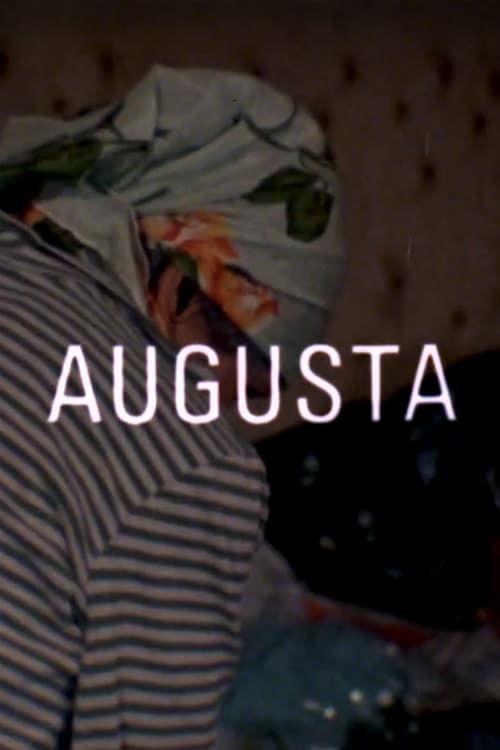
This short documentary is the portrait of an 88-year-old woman who lives alone in a log cabin without running water or electricity in the Williams Lake area of British Columbia. The daughter of a Shuswap chief, Augusta lost her Indian status as the result of a marriage to a white man. She recalls past times, but lives very much in the present. Self-sufficient, dedicated to her people, she spreads warmth wherever she moves, with her songs and her harmonica.
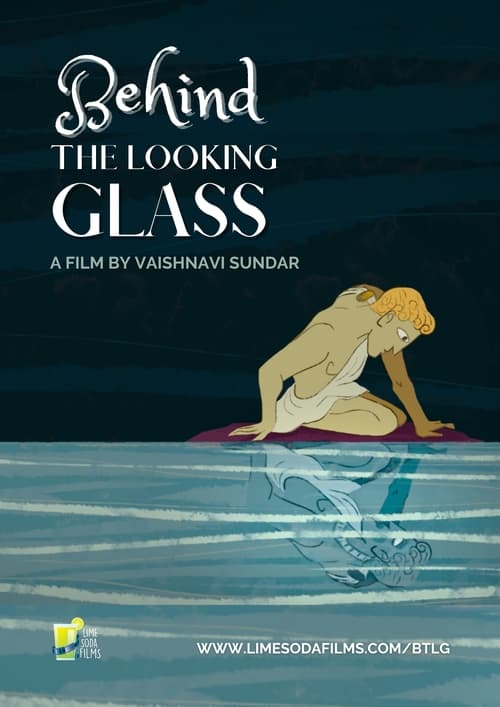
Behind The Looking Glass is a film about the lives of women whose partners have or want to ‘transition’. While we hear a great deal of “stunning and brave” stories of men, there is a deadly silence when it comes to the stories of the wives or partners. This film will be the first of its kind in collecting such experiences of women from around the world.
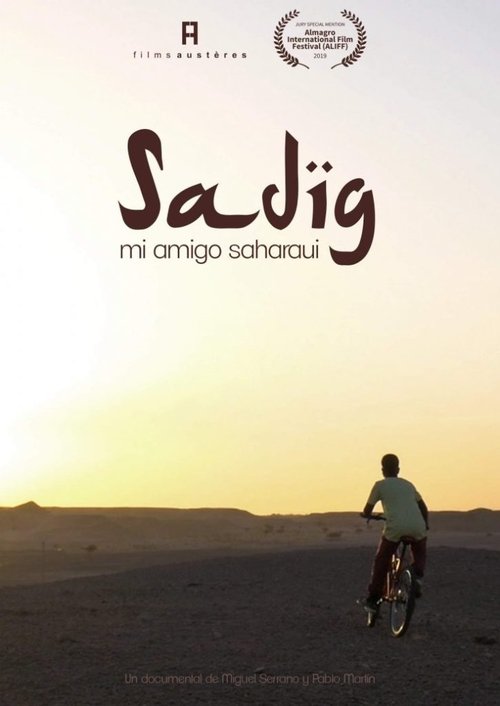
Habub and Marcos establish a relationship through “video letters” during the wintertime. Through these videos, we see what daily life is like in the Sahrawi refugee camps and, more importantly, how important the friendship between these two kids is.
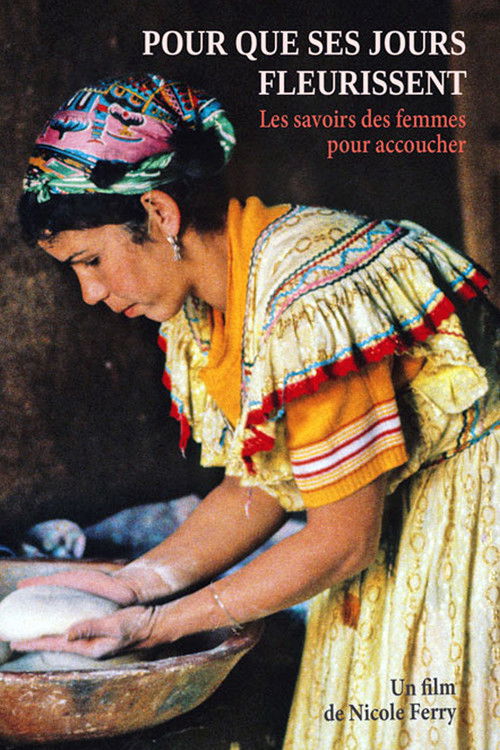
Six o'clock in the morning, the sun rises behind the Djurdjura mountain. With precise gestures, learned since childhood, Ouardia raises the water, crouches down to splash his face with cool water. Soon her baby will be born. Hadjila, the traditional midwife, prepares herself internally to help the mother complete the transition from separation. This film talks about the knowledge surrounding birth that Kabyle women have passed down for centuries; knowledge that European women seek to rediscover in order to reclaim this founding passage of our lives.