28-year-old Azman, a student in the film school Abidin Kaid Saleh, explains how he discovered film in the Sahrawi refugee camps, the difficulties he had explaining his choice of study to his family, and how his society views this career.
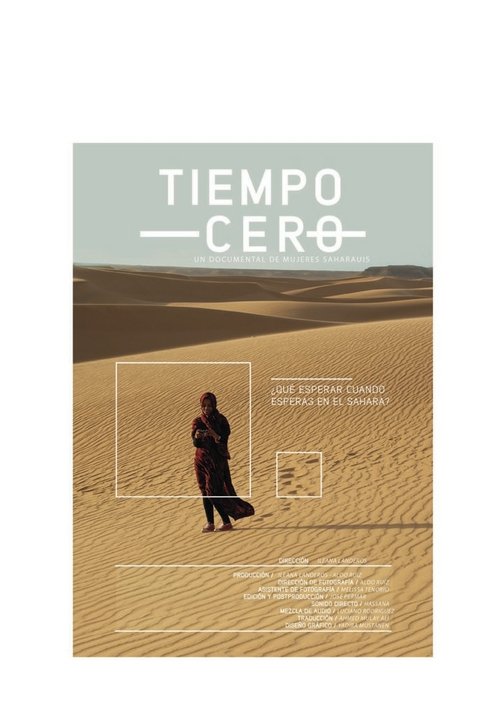
The documentary reflects the voices and photographic looks Saharawi women because they are the protagonists of this project allows us to see between the lines injustices and gaps in a decadent international system and little bit attached to reality, however, they are also women who with their example remind us that even in the injustices, despair and deprivation there is hope and dreams do not end.
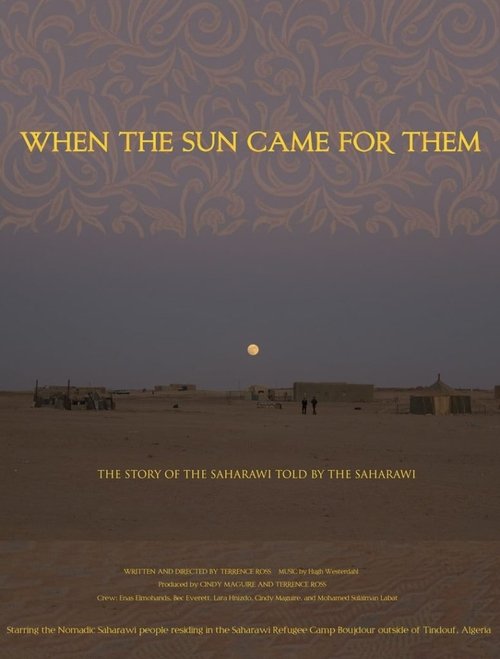
When the Sun Came for Them is a series of interviews with the nomadic Saharawi people in the Western Sahara. They discuss their remarkable history, their poetic life style and their strong morals. They recount the horrific Moroccan invasion, which forced them into the Algerian refugee camps. This is a powerful and unique movie, which not only preserves the Saharawi people’s personal and cultural history as nomads, but also documents what it means to be a “state-less” person. It is a human rights plea to a world, which has been sadly silent on the long time abuse of the Saharawi people. When the Sun Came for Them documents what it means to be a “state-less” person and how after decades of abuse even pacifist Muslims are turned into fighters committed to war. It is a timely and important film. All was shot by a crew of three recent college graduates on two iPads. It is true backpack journalism.
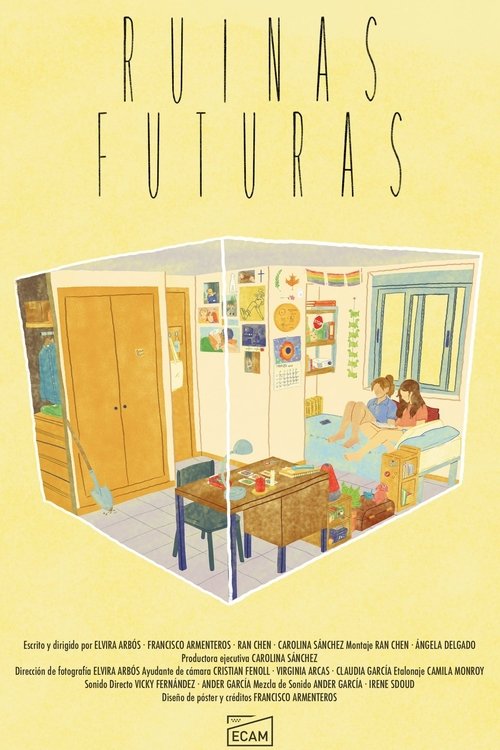
In a boarding school, legend has it that a time capsule has been hidden in the walls. They say it could change the world. Today, the new students fall in love, play cards, dream and laugh in their rooms, which in turn become their own time capsules, like snapshots of a generation at 20 years old.
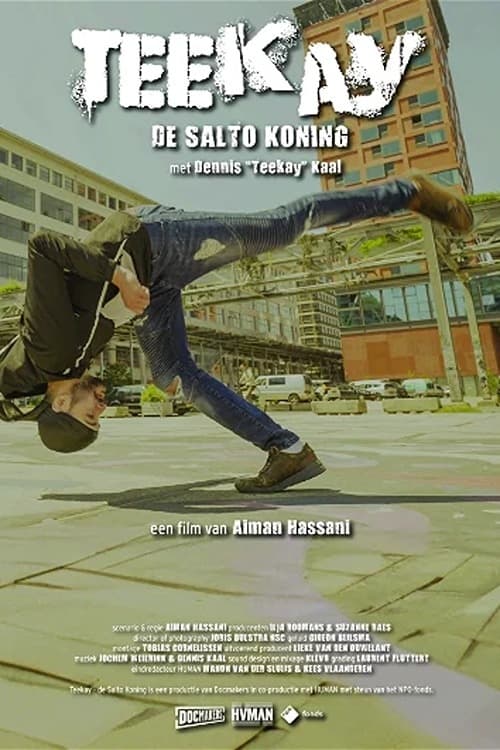
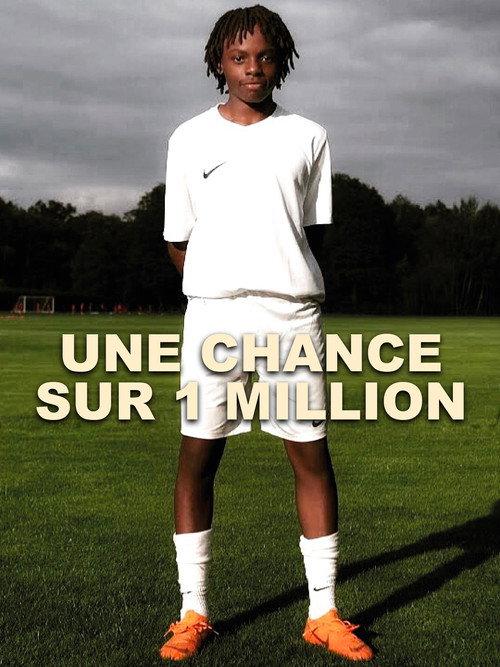
Rapper and breakdancer Teekay from Eindhoven is known for his somersaults and vlogs that are causing a stir. During the corona riots in 2021, he not only gained national fame as a vlog reporter, but also ended up briefly in jail. After his junior year, Teekay wants to change course and, above all, be an example for other young people. In the film he takes us into his life and talks about his childhood in foster homes, the mistakes he made and about his dreams. What is Teekay looking for?
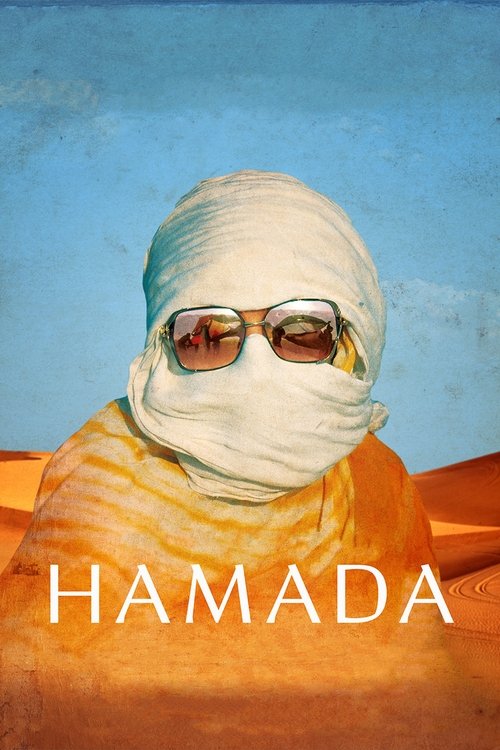
Filled with vitality, humor and unexpected situations, Hamada paints an unusual portrait of a group of young friends living in a refugee camp in the middle of nowhere. Western Sahara is known as “the last colony in Africa” and this conflict is the longest and one of the least known ongoing disputes in the continent, but the Sahrawi people refuse to become invisible.
Jasmin is joy, living in the moment. A 15-year-old boy described as "non-verbal autistic." He communicates through his eyes. He makes sounds, says a word. He constantly sings the rhythm of a song whose lyrics only he knows. A bubble of sweetness and love.
In May 2005, after 30 years of Moroccan occupation, Saharawi students initiated a series of peaceful demonstrations demanding their right to the United Nations-mandated referendum on Western Saharan independence. The Moroccan authorities responded with a brutal campaign of repression, detaining and torturing human rights activists as well as Saharawi students and children as young as eight years old.
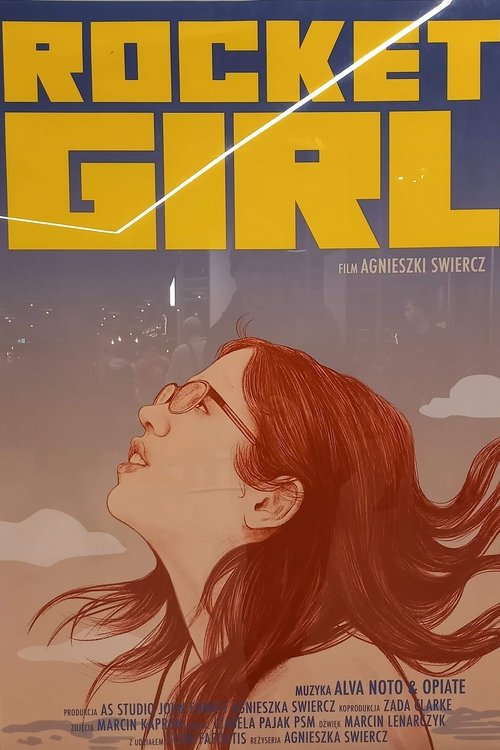
Eleni is 16 and has just moved from California to Virginia, where she must adapt to a new school. This comes easily to her thanks to her intense passion, which she instills in her peers. She becomes president of the school's rocket club and aims to build the perfect model for a competition attended by hundreds of teams from across the United States.
This film, with an autobiographical flavor, was shot in part on the very premises where Father Proulx grew up and highlights the importance of agriculture and the very special attention given to rural youth in the from the Government of Quebec. The farm and its little world are presented during the four seasons: the introduction of children to agricultural work, the holidays, the return to school. From November to the end of April, the older ones take courses in the various agricultural schools scattered across Quebec. In addition to studying the methods of cultivation and breeding, they receive notions of carpentry, blacksmithing and other lessons likely to be useful in their future work as farmers. In the spring, the young girls go to secondary schools of agriculture to learn domestic art, beekeeping, weaving, sewing, etc.
Marta Cardoso, a young dancer from northern Portugal, moves through Lisbon with restless energy, between precarious routines, affections, and a daily life in constant imbalance. Dance becomes her refuge and her cry: a space where the body finds freedom and instinct, and where gesture replaces words. When dancing, she feels close to her inner animal.
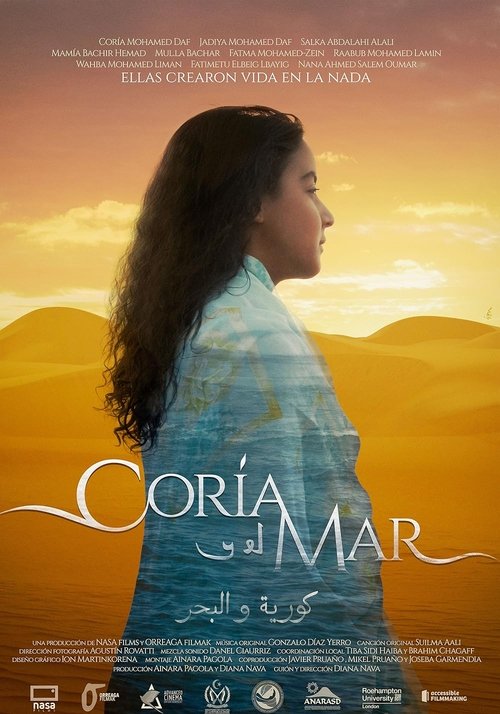
This is a story about women who are fighters, tenacious, hopeful, active women…who were capable of lifting, from nothingness, in the harshest landscape of the world, life. They are the Sahrawi women. 40 years ago, they were forced into exile; the men of this region, marched to war and the women created “temporary cities”: The Refugee Camps. They invented a new day to day life which made possible a sustainable existence and a hope, of one day returning home. Coría every night dreams of the sea; the majestic image of its water, the sound of its waves, are the echoes that join the people with their homeland. The will beats in the hearts of the Sahrawi women who maintain their unbreakable spirit, ever moving forward.
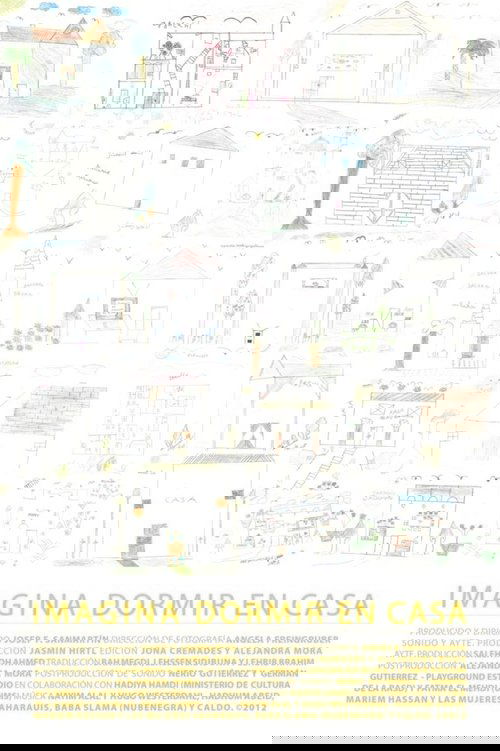
"Imagine sleeping at home" follows the story of several children who guide us to understand the conflict and the problems that they face, but also pay attention of small groups of friends who spontaneously comes to camera to tell what are their concerns. In the documentary we can also find the testimony of the director of a school for disabled children, the story of how a mother had to escape from the occupied territories when the Moroccan police detained for a week her ten years old son, or the analysis of a Sahrawi soldier about the situation of their children.
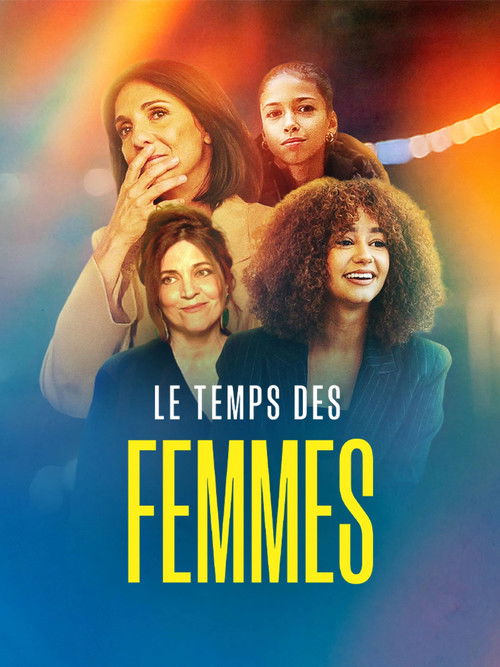
Has the time of women finally come? Have their everyday lives truly changed over the past sixty years? Guided by Agnès Jaoui, women—famous and unknown—share their stories across generations. From childhood to retirement, the documentary traces shared experiences shaped by prejudice, but also by hope, strength, and humor. Blending personal archives, historic moments, and social media footage, the film places women at the center of their own story. Welcome to the Time of Women.
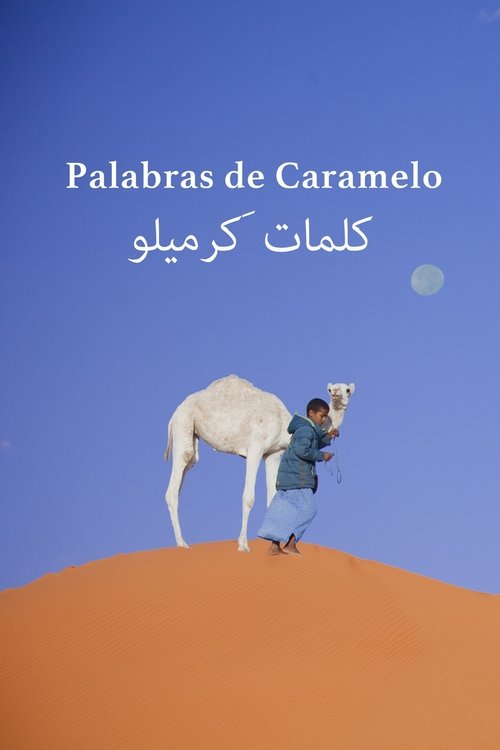
In a refugee camp in the Sahara desert lives a deaf boy who wants to learn to write. Welcome to the silent world of Kori and his best friend the camel Caramelo.
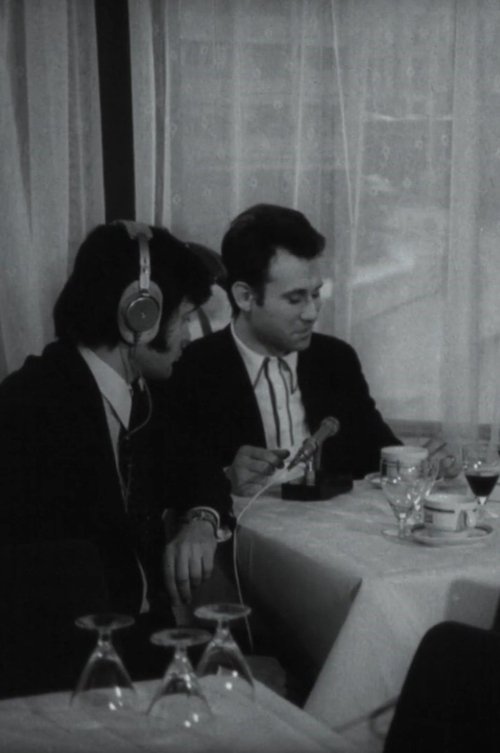
At the beginning of the 70s, Sahia Studio produced a number of social investigations commissioned by the Central Committee of the Romanian Communist Party, intended to expose the so-called "social parasitism". The decision was taken after the theses of July 1971, which provide that "one of the main objectives of political work, especially among the youth, is the firm fight against the tendencies of parasitism, of an easy life, without work, the cultivation of responsibility and the duty to work , in the service of the country, the people, the socialist society". The most famous films, made with the competition of the Ministry of the Interior and the Ministry of Justice, are Să treacă vara and Iarna unor pierde vară