Daia Sahara is a trip to near and distant realities, a trip full of emotions, sensations and experiences, which despite their proximity, are alien to us but which build an energetic bond between Spanish families and Sahrawi refugee families.
Two planes take off at the same time headed in opposite directions. Fatimetu and Ejehla. Two distinct lives destined to follow similar paths. One past desired, but fuzzy, and a future. One inheritance, becoming more and more fragile. “Heirs” gathers the testimony of different generations of women who live within and outside of the camps and paints a profile of the present situation in which these Sahrawi women live and the future they've inherited, living in an orphan-like territory separated from their homeland for more than 33 years…
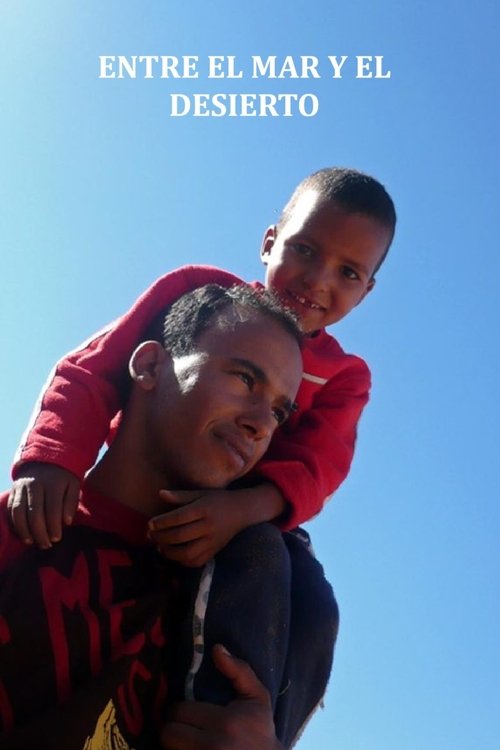
Abba Abidin, a 24-year old Sahrawi, has lived his entire adolescence in Spain. He hasn’t seen his family for many years, as they live in a camp for Sahrawi refugees. This winter, Abba hopes to return to Tindouf, in southern Algeria, in search of his anticipated reunion with his family and also with rediscovering himself and his roots.
As happens every year, the parents of the Association of Friends with the Sahrawi People of Santa Coloma de Gramenet (Barcelona) gather to welcome a group of Sahrawi children who come to spend two months with them each summer. The strong emotional ties that develop between them help them to overcome challenges such as cultural adaptation.
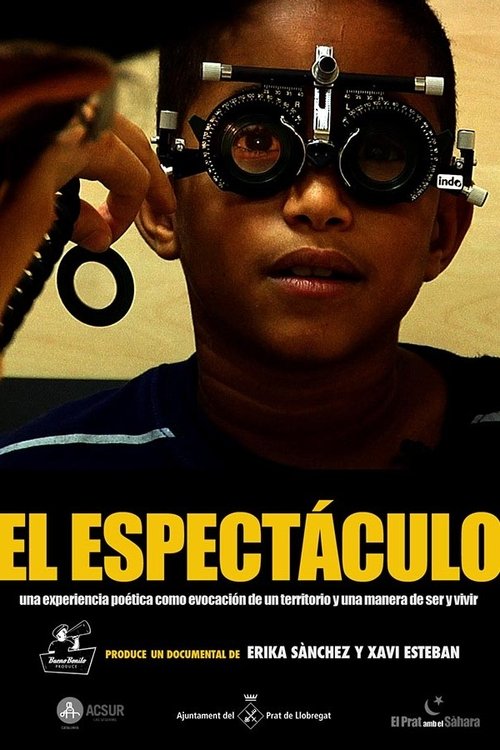
Jean Rouch shot La Pyramide Humaine in 1961. We discovered it the summer of 2012. This treasure draws suggestive connections between a politic conflict and the art of creation by itself. That summer we were in charge of shooting the staying of Sahrawi children with host families from Barcelona during the summer holidays. Nothing seemed to us more inspiring than get deep into the essence of that movie. And we dare to play. It is an audiovisual experiment, by way of an imperfect tale, with three protagonists: a Sahrawi friend in exile, a group of kids from the desert and a play.
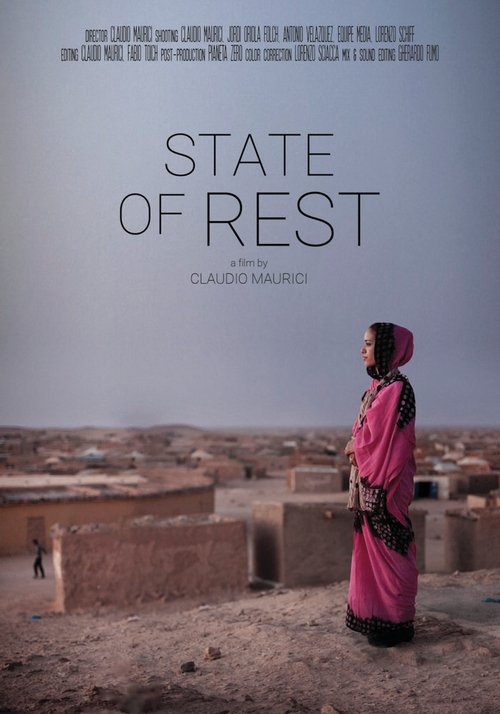
Salka was born as a refugee in the Sahara desert, and grew up in Italy by chance: she was one of the so-called "Little Peace Ambassadors". Sahrawis have been sending to Europe their children for decades, to show the world the injustice they suffer. A 2700 km long mined wall across the desert, and there's no mention of it even in UN resolutions on Western Sahara. This former spanish colony, just in front of Canary Islands, is occupied by Morocco since 1975. In 2011 I spent 5 weeks in the Sahrawi refugee camps near Tindouf, outer south-west of Algeria. This is where the Sahrawi's escape from their war-devastated land stopped, though none of them imagined they would stay there so long. When I met Salka, her foster italian mother Carmen and her mother Aisha, I had finally found what I had been looking for: state of rest began to take shape. Neither Salka nor I were born when it all began. Western Sahara has been occupied by Morocco and plundered by many others for over 40 years
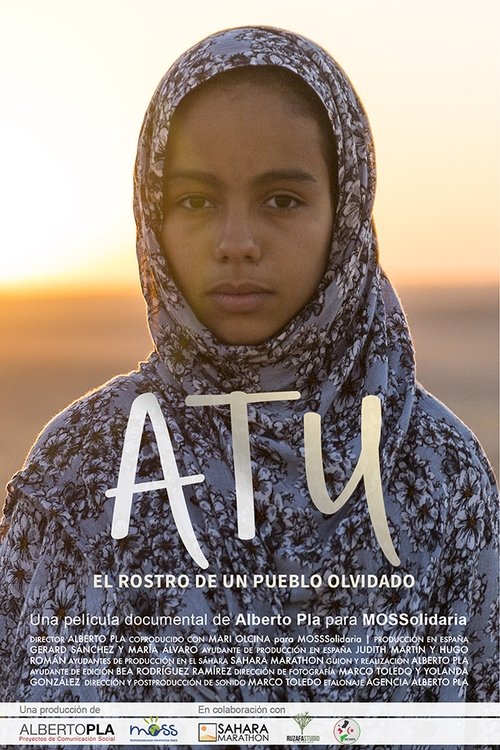
Atu is a 12-year-old Saharawi girl who comes to Valencia every summer to escape the suffocating desert summer in exile. Two opposing worlds between a conflict that has driven hundreds of thousands of people away from Western Sahara forcing them to live in southwestern Algeria. At her young age, with little resources and no homeland, she courageously faces the future.
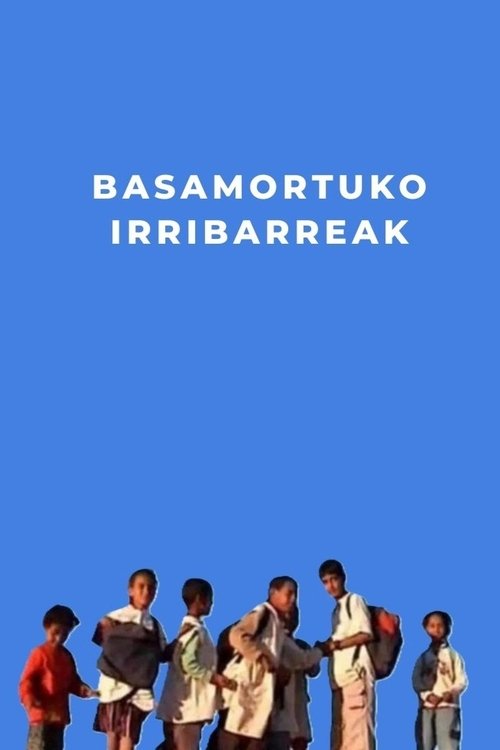
Sahrawi children move to Basque country in summer thanks to the solidarity project Vacations in Peace. In the first part of the documentary, we see how they live, what they discover, what they learn and how these children enjoy themselves during their stay. The second part of the documentary takes place in the refugee camps in the desert which have held refugees for more than 30 years. We see their day-to-day life and, in passing, the reasons for the conflict and the Sahrawi struggle.
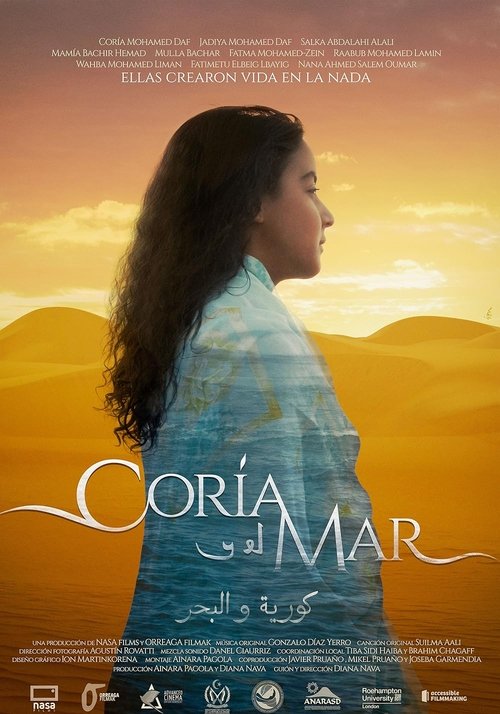
This is a story about women who are fighters, tenacious, hopeful, active women…who were capable of lifting, from nothingness, in the harshest landscape of the world, life. They are the Sahrawi women. 40 years ago, they were forced into exile; the men of this region, marched to war and the women created “temporary cities”: The Refugee Camps. They invented a new day to day life which made possible a sustainable existence and a hope, of one day returning home. Coría every night dreams of the sea; the majestic image of its water, the sound of its waves, are the echoes that join the people with their homeland. The will beats in the hearts of the Sahrawi women who maintain their unbreakable spirit, ever moving forward.
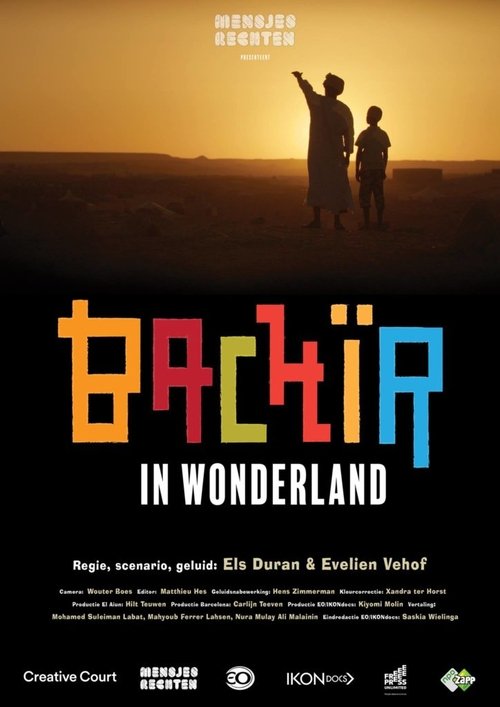
Bachir dreams of swimming in the sea, but he lives in a refugee camp in the desert. Despite the fact that he has no passport, he is offered the chance of a lifetime: he may be allowed to go on summer camp to Spain. Will his wish be fulfilled?
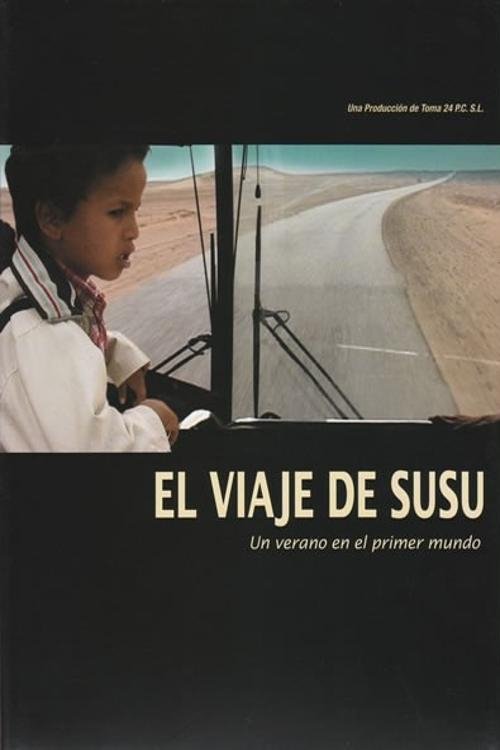
Suso is a Sahrawi child. He has put his name down for a humanitarian aid program that allows saharawi children to spend a holiday away form the refugee camp where they lives. For the first time in his life he will see the grass, the mountains, the sea ...
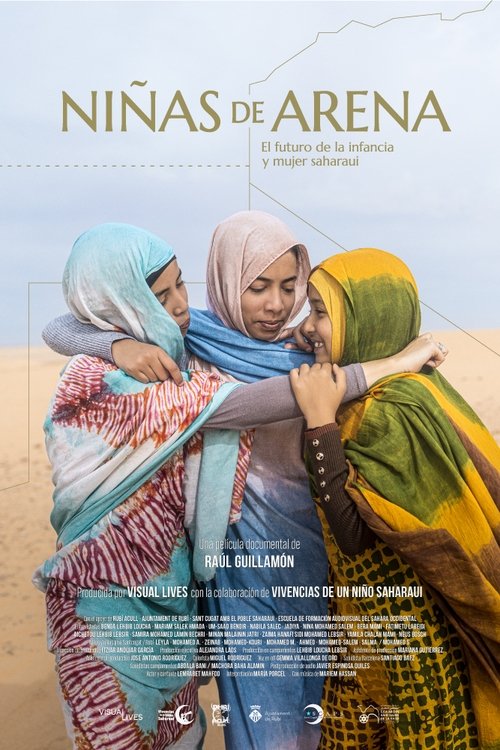
Benda, a young Sahrawi woman in the diaspora wonders about the future of her people's children and women. We accompany her on an emotional journey to the refugee camps to see the more human face of the conflict. The film leaves the political as a mere context to focus on the dreams and drama of a people determined in their struggle to return home.
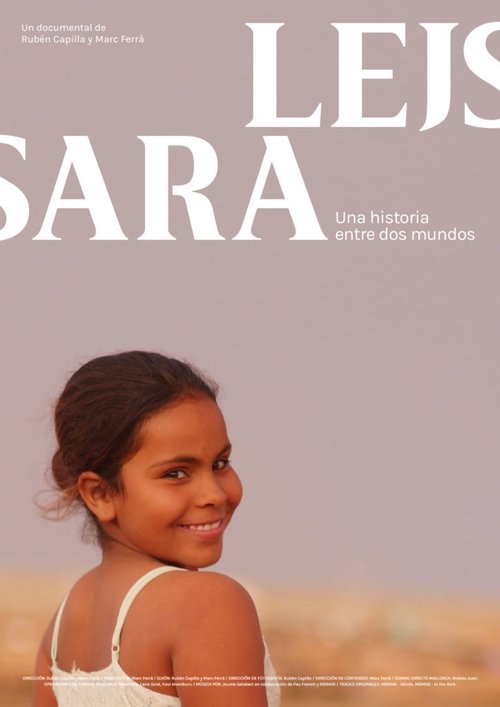
Lejsara is a documentary about two worlds: Tinduf and Mallorca. The main character, Lejsara, is twelve years old and, thanks to the ‘Holidays in Peace’ project, she’s going to spend her third and last summer in Spain with her host family. The film asks whether this program lets their children taste a piece of candy and then takes it away from them.
Tahar is a 20-year-old Sahrawi man who lives in the Basque Country. However, his family continues to live in the Tindouf refugee camp. One day, he receives a call from there: his father is dying.
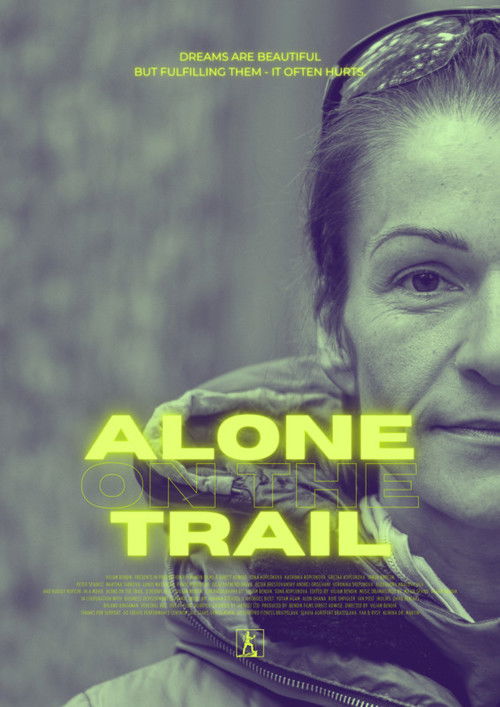
An intimate portrait of a unique sportswoman in extreme life roles. Mother of three adopted children, world and European champion in fitness and record holder on long distances throughout Slovakia. Soňa Kopčoková is a former professional fitness athlete with the titles of World and European Champion. After the end of her elite sporting career, she devoted herself fully to her family until she discovered that she loves long-distance running in the mountains. And so today she fulfils her dreams in the hills, running often only by herself... On June 16, 2021, she reached Devín after 11 days, 15 hours and 30 minutes in a new Slovak women's record on the SNP Heroes' Route route. From Dukla to Bratislava, she ran alone, without support and with only a single backpack where she carried everything, she needed to survive...
A documentary exploring two student artists and their unfinished projects, discussing why certain projects are abandoned and the personal connections that the creator may have to them.
Glittering illusions of vectorized providence struggle to guide the viewer toward a path of re-enchantment.
MMA on Point takes a deep dive into the weight cutting issue that plagues athletes. Through this investigation, multiple discoveries are made that may shock the mixed martial arts world.
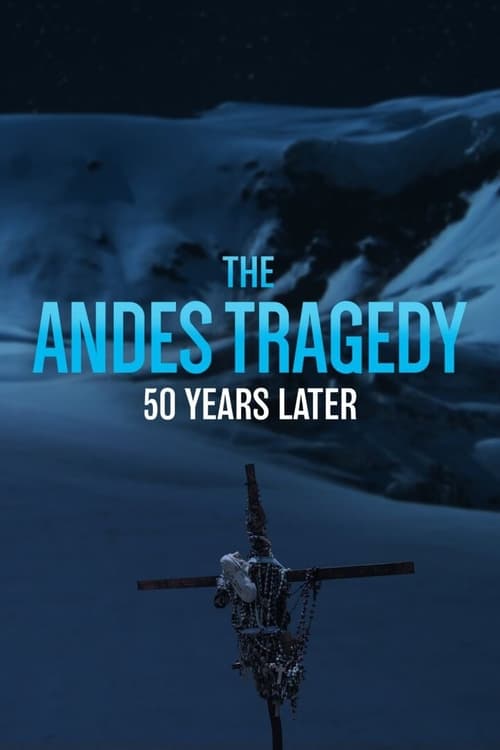
In 1972, a plane carrying an Uruguayan rugby team disappeared into the Argentinean Andes. Now, 50 years after one of the greatest ordeals of survival in recorded human history, the full story is finally comprehensively told through the words of each of those who lived it.