"Our film is about the religious sect of Russian Pentecostals, one of the most reactionary and fanatical cults. Their actions are incompatible with the life and laws of our society. We testify that every frame of this film is documentary."
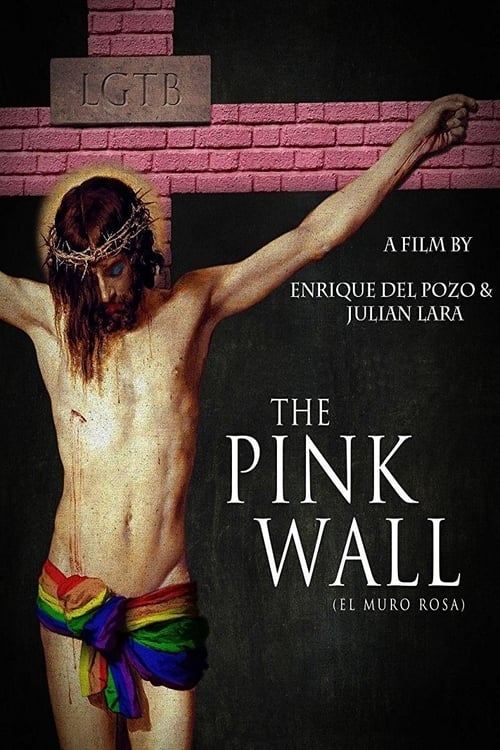
The historical memory of torture, persecution and killings of homosexuals and lesbians in Spain during Franco's dictatorship provides an opportunity to tell about discrimination and homophobia in the rest of the world. Those who lived through that period recall times when being gay was a crime and the Church was completely indifferent; even the movie (and the fashion) world turned their backs. Today Spain is actually a model for enlightened social attitudes and for the freedoms achieved by the GLBT community. So it is important to remind the young of the high price paid by the older generations. One of the directors of the film, Enrique del Pozo, is a singer and actor who is openly bisexual and very famous in Spain.
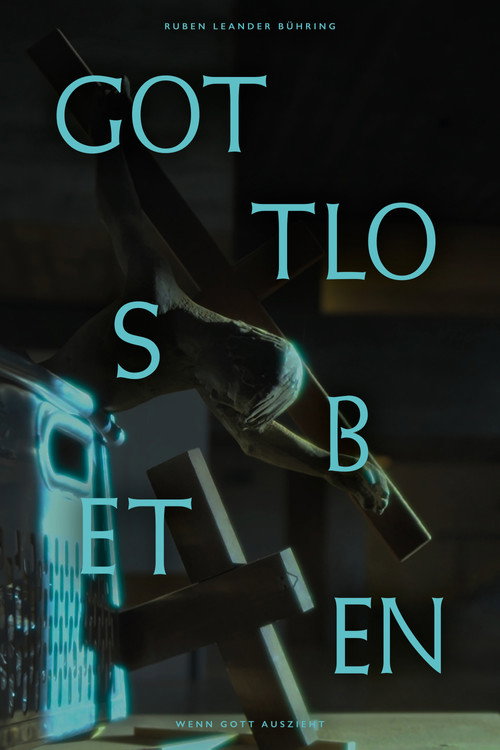
In a small chapel in Zug, Switzerland, a legend tells of a hidden treasure. There is only one rule: remain silent, and in time, the treasure will be yours. But the moment the silence is broken, it is lost forever. What if the treasure was never gold or jewels, but the chapel itself—a place where silence is still possible? Perhaps we have forgotten how to remain silent, and with that, we risk losing one of the last places that still allows it. Gottlos Beten follows the decline of a sacred place.
Welcome to the largest human gathering ever in this one-hour special, World’s Biggest Festival: Kumbh Mela. Imagine a crowd so massive, it is visible from space. A crowd, likely 100 million strong, intent on just one thing: bathing in a sacred river to wash away sins and gain a chance at a new beginning. In the World’s Biggest Festival: Kumbh Mela, experience the dazzling spectacle of spiritual fervour and collective diversity as Hindus from across the globe converge on the Maha Kumbh Mela. Not only is it the world’s largest religious festival, but it is also believed to be the largest gathering of humans in one place, at one time on Earth.
The mountains of Oaxaca harbor the remains of a ravaged and burnt shelter, once home to a psychoanalyst priest who used it to look after savage children, trying to re-integrate them into society. Through videotape diaries and interviews, the truth of what happened is shockingly revealed.
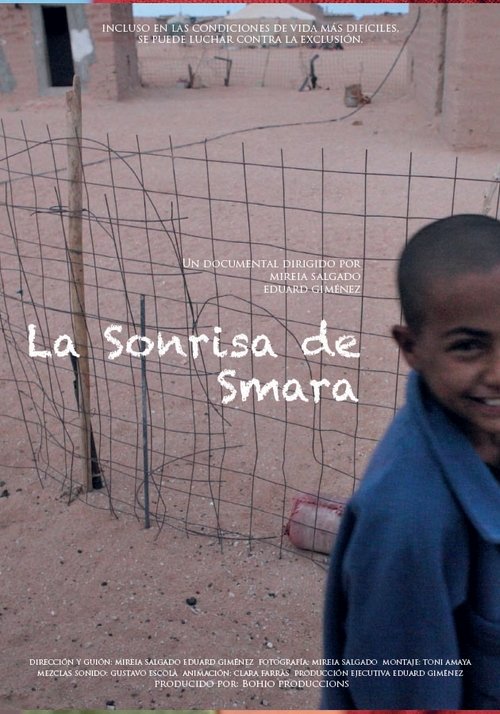
This is the story of Buyema Abdelfatan, also known as Castro, an ex Saharan soldier that now a days runs a centre for disabled children in the refugee camp of Smara (Tindouf, Algeria). A personal project that has earned him both praise and criticism, but could not continue without his dedication, perseverance and humanitarian aid that he receives.
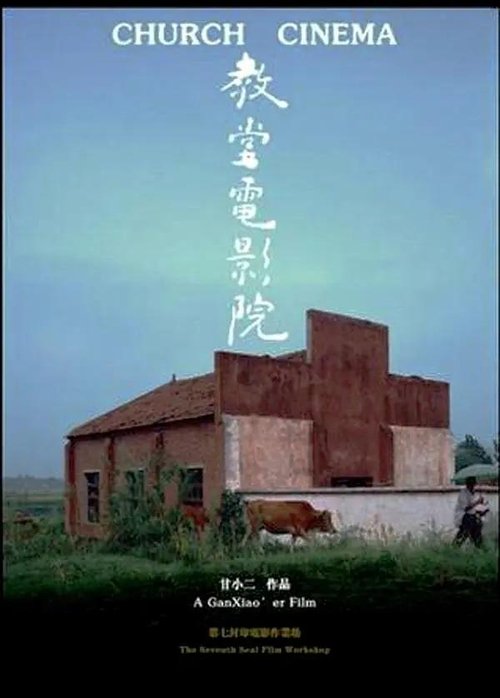
In the summer of 2007, Gan Xiaoer led an independent film projection team, using projectors and self-made screens, to tour villages in Henan province to show his feature film "Raised from dust" for 8 times, and recorded the process. The 81-minute version of Church Cinema records only one stop, the Qiliying Church, where "Raised from dust" was shot.
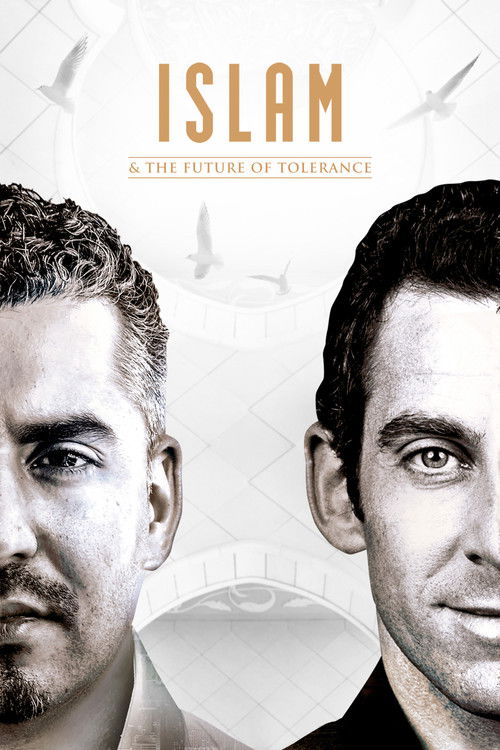
In the thick of a controversial war of ideas, two enlightening figures, Sam Harris, an atheist and a critic of religion, and Maajid Nawaz, an Islamist-turned-liberal activist, partake in an engaging dialogue on the state of Islam, its potential reform, the militant ideology of Islamism, and where all this lays in a secular world.
On November 25, 1973, the first of four car-free Sundays transformed West Germany's deserted highways into spaces for walking, cycling, and horse-drawn carriages, while towns and cities took on a festive atmosphere. Introduced during the oil crisis to conserve fuel after the Arab oil embargo and production cuts following the Yom Kippur War, the measure became an unforgettable collective experience. Beyond the immediate energy shortage, the crisis marked a turning point, ending the postwar economic boom and encouraging greater awareness of energy use, consumerism, and environmental issues.
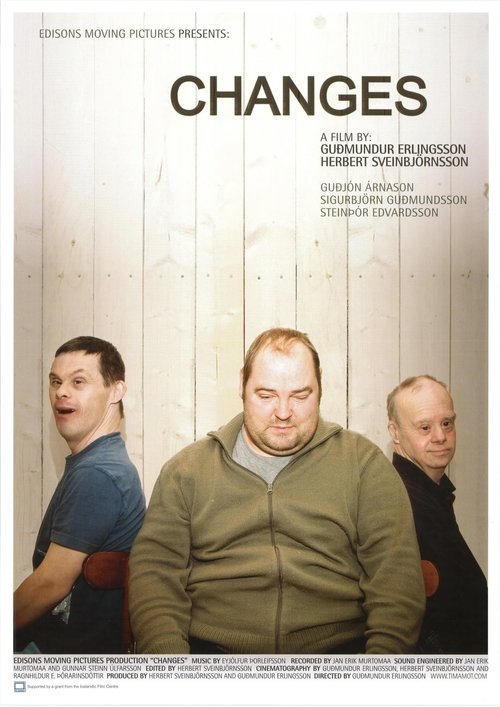
Tímamót, or Changes in English. An upbeat, heartwarming story about Gudjon, Sigurbjorn and Steinthor who lived together for decades along with several other inhabitants in the Tjaldanes Institution, in a peaceful valley close to Reykjavik. When a decision is made to close down the institution, their life takes an unexpected turn and they discover a new side to life and to themselves.
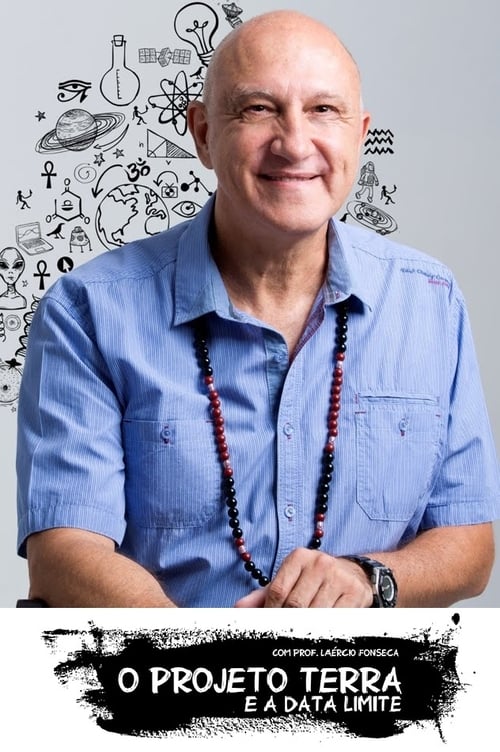
In this documentary, Prof. Laércio Fonseca presents facts and connections between cosmology, the universe, The Earth Project and The Planet Deadline according to Chico Xavier. Where did I come from? Where I go? Is the end of the world near? Was Chico Xavier right? Do we have a deadline? Find out the answers to these and other questions in this movie.
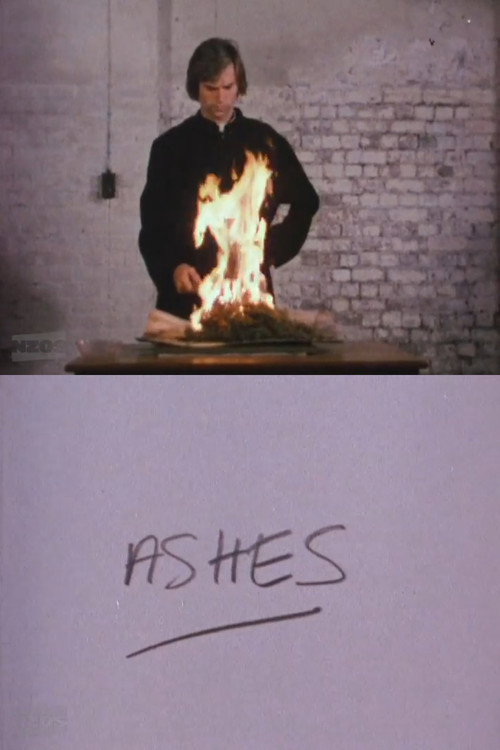
Conversations with four people — an artist, a woman struggling with her identity as a high achiever, an actor, and a priest — exploring their inner worlds, their self-image and how they feel they fit into society. Are all of them acting, or only Sam Neill? The film features readings from Ash Wednesday, the poem written by TS Eliot after converting to anglicanism.
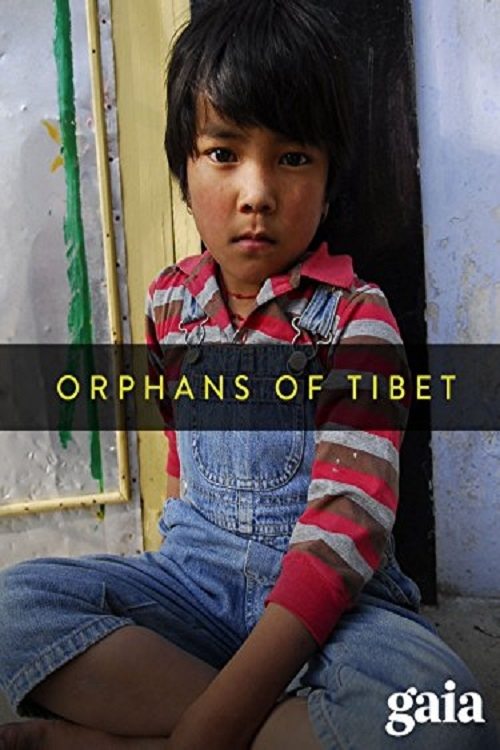
Each year, groups of Tibetan children secretly flee their homeland over the Himalayas to reach schools in India founded by the government in exile. Entrusted to smugglers, they are risking their lives by illegally crossing the great Himalayan range, a towering rampart between Tibet and India. The director will take us in the Mussorie school, in North India, where two thousand four hundred children have been rescued. They have left behind their family childhood and are now considered as orphans. We will discover the itineraries of Sonam, aged nine, and Dholma, the little new girl of the school. Here in India, they are taught about Tibetan culture and will find out about the history of their country and their ancestors. Sonam and Dholma's story is that of thousands of Tibetan children. Are they orphans of a lost country or bearers of hope who will save an endangered culture?
Varanasi is the Indian city where Hindus go to die. Stretching along the Ganges, Varanasi holds great spiritual significance because Hindu scriptutres say that anyone who dies there will attain moksha—liberation from the cycle of rebirth. Berlin-based director Dan Braga Ulvestad captures life and death in India’s heartland in this moving documentary filled with exquisite cinematic moments. By the River starts its narrative journey with the city’s “death hotels,” dedicated apartments where people wait to die, sometimes for decades, so they can be cremated on the banks of the Ganges.
Diam's, the beloved icon of French rap, gave up everything at the height of her success. The young woman experienced a real descent into hell: depression, loneliness, and disillusionment in the face of suffocating fame. On the brink of disaster, she found refuge in religion. Rare archives, memorable music videos, and previously unseen testimonials reveal the violence of her success and her vital need to disappear in order to rebuild herself, choosing the shadows after the light.
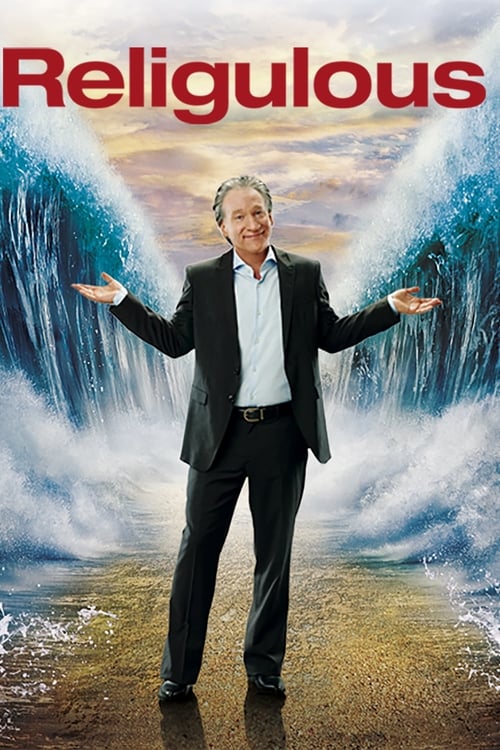
Commentator-comic Bill Maher plays devil's advocate with religion as he talks to believers about their faith. Traveling around the world, Maher examines the tenets of Christianity, Judaism and Islam and raises questions about homosexuality, proof of Christ's existence, Jewish Sabbath laws, violent Muslim extremists.
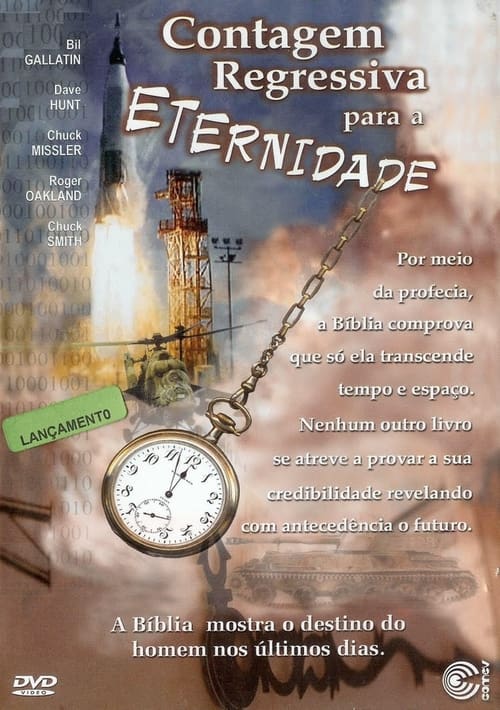
Bible expert Bill Gallatin explores biblical prophecies from the Book of Revelation that have transpired, with a discussion of whether these events signify that we are now living in the End Times preceding the return of Jesus Christ. Gallatin touches on events such as the increasingly acute difficulties in the Middle East, numerous environmental catastrophes, earthquakes and more, explaining how they connect to scriptural writings.
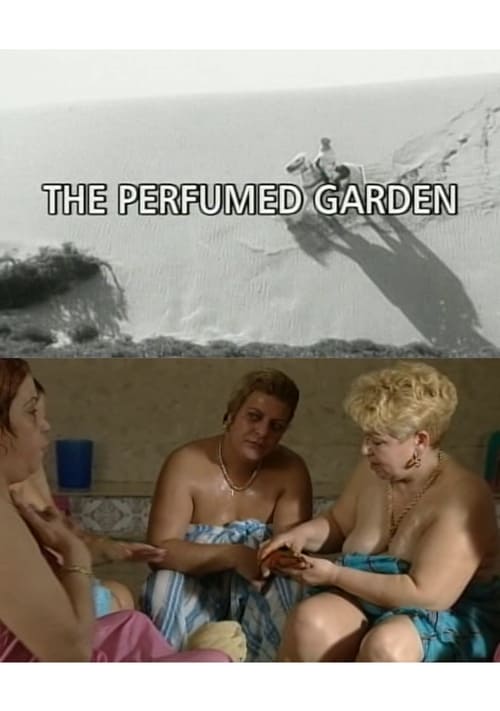
THE PERFUMED GARDEN is an exploration of the myths and realities of sensuality and sexuality in Arab society, a world of taboos and of erotic literature. Through interviews with men and women of all ages, classes, and sexual orientation, the film lifts a corner of the veil that usually shrouds discussion of this subject in the Arab world. Made by an Algerian-French woman director, the film begins by looking at the record of a more permissive history, and ends with the experiences of contemporary lovers from mixed backgrounds. It examines the personal issues raised by the desire for pleasure, amidst societal pressures for chastity and virginity. The film discusses pre-marital sex, courtship and marriage, familial pressures, private vs. public spaces, social taboos (and the desire to break them), and issues of language.
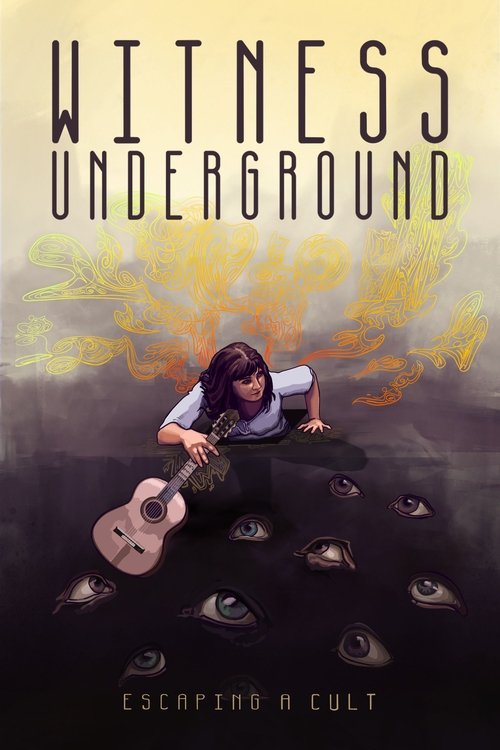
Punk rock, B-movies, and Jehovah’s Witnesses unite in this heartfelt documentary. As members of Jehovah’s Witness start to explore culture outside of their religion, they have to wrestle with the possibility of being excommunicated from friends and family. Featuring in-depth interviews and extensive home video footage, Witness Underground tells the story of punk rocker Witnesses pushing against the highly controlling Jehovah’s Witnesses religion as they build their own community through music and art. This prolific community of Witness musicians create their own record label, Nuclear Gopher, and become early adopters of promoting their music through the internet, including what may have been the first album to ever be livestreamed. This community’s history is well documented through archival footage of their home movies and self-produced music videos, all with a very charming energy.
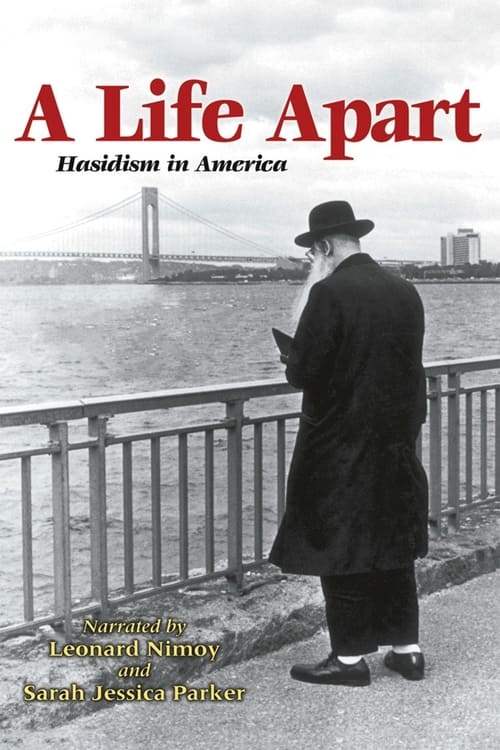
A Life Apart: Hasidism in America, is the first in-depth documentary about a distinctive, traditional Eastern European religious community. In an historic migration after World War II, Hasidism found it's most vital center in America. Both challenging and embracing American values, Hasidim seek those things which many Americans find most precious: family, community, and a close relationship to God. Integrating critical and analytical scholarship with a portrait of the daily life, beliefs, and history of contemporary Hasidic Jews in New York City, the film focuses on the conflicts, burdens, and rewards of the Hasidic way of life.