Arrested five times for his activism, student leader Honestino Guimarães was kidnapped in 1973 at the age of 26 and is one of the hundreds of people who disappeared during the Brazilian military dictatorship.
Bruno Gagliasso
as Honestino Guimarães
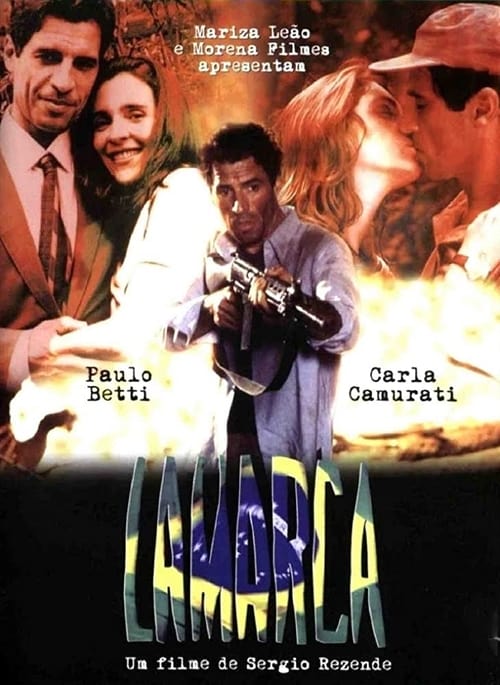
The real story of Carlos Lamarca, a captain who, during the military dictatorship in Brazil, deserted Brazilian Army and got involved in left-wing guerilla groups, becoming one of their most prominent leaders.
A woman married to a former politician during the 1971 military dictatorship in Brazil is forced to reinvent herself and chart a new course for her family after a violent and arbitrary act.
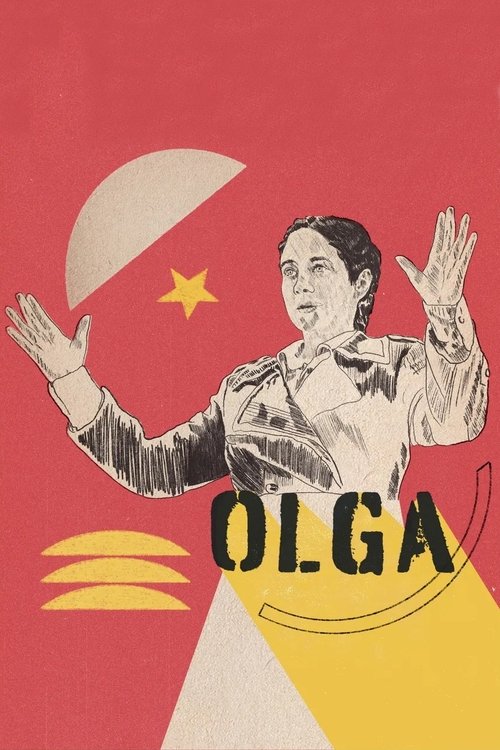
Based upon the true story of Olga Benário, the German-born wife of Brazilian communist leader Luís Carlos Prestes. During the dictatorship of Getúlio Vargas (1930-1945) she was arrested and sent to Nazi Germany, where she was put to death in a concentration camp. After World War II began, Vargas decided to uphold the Allies.
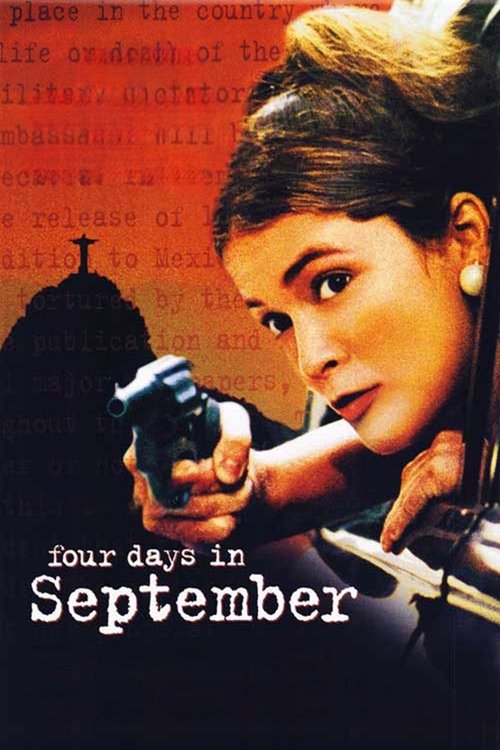
Fernando, a journalist, and his friend César join terrorist group MR8 in order to fight Brazilian dictatorial regime during the late sixties. César, however, is wounded and captured during a bank hold up. Fernando then decides to kidnap the American ambassador in Brazil and ask for the release of fifteen political prisoners in exchange for his life.
A boy is left alone in a Jewish neighborhood in the year of 1970, where both world cup and dictatorship happen in Brazil.
Eduardo Coutinho was filming a movie with the same name in the Northeast of Brazil, in 1964, when there came the military coup. He had to interrupt the project, and came back to it in 1981, looking for the same places and people, showing what had ocurred since then, and trying to gather a family whose patriarch, a political leader fighting for rights of country people, had been murdered.
Through the testimony of the victims of the Brazilian dictatorship, and the re-creation of the practices to which they were subjected, the torture suffered by the Brazilian political detainees in their country is denounced. Restored version.
Afro-Brazilian poet and politician, the legendary Carlos Marighella. Driven to fight against the erosion of civil and human rights following the CIA-backed military coup of 1964 and the brutal, racist right-wing dictatorship that followed, the revolutionary leaves behind his wife and son to take up arms, becoming a notorious enemy to the power structure.
Paulete, the star of a daring theater group, is visited by his military brother-in-law, the young Fininha. A torrid relationship arises between the two, and now the soldier must deal with the prevailing repression during the Brazilian military dictatorship.
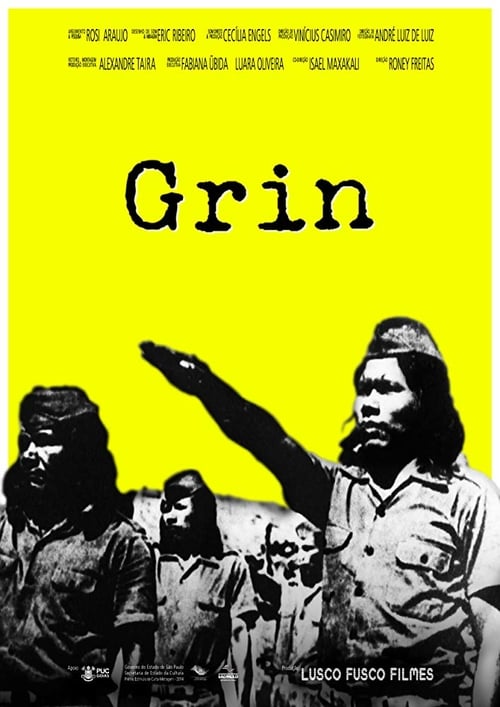
A Maxakali filmmaker brings out memories about the formation of the Indigenous Rural Guard (Grin) during the military dictatorship in Brazil, with reports of violence suffered by their relatives.
A flat in Ladbroke Grove, West London. 1952. When Hester Collyer is found by her neighbours in the aftermath of a failed suicide attempt, the story of her tempestuous affair with a former RAF pilot and the breakdown of her marriage to a High Court judge begins to emerge. With it comes a portrait of need, loneliness and long-repressed passion. Behind the fragile veneer of post-war civility burns a brutal sense of loss and longing.
Taffeta, a contemporary queer person of color, summons Abraham Lincoln to perform an elaborate historical fantasia within her own head — only to learn that she can’t hide from her own present-day demons in the shadows of someone else’s past.
Farm girl Kerstin is the most popular girl in the village and the men are swarming around her. This results in jealousy, and the electrician Tage causes a fire on the farm, resulting in economic trouble for Kerstin's father. Suddenly grandfather's rich brother Arvid appears from America. Will he be able to solve the family's problems?
Experimental composer John Cage tours Europe with The Merce Cunningham Dance Company in 1966.
The story of two women, one French and the other German, who fight for a child who has been mistakenly taken by the Germans after a bomb raid.
Frieda and August Walkowiak celebrate their 30th wedding anniversary. However, the marriage has been in crisis for some time. August wants to spend his old age in peace, while Frieda has no intention of giving up her position as LPG chairman. The problems in the countryside are huge, collectivization is not progressing fast enough, even comrade Heinrich Rantsch is clinging to his individual farm. Frieda fights for progress, even in her private life, because not only her burden but also her higher position is a thorn in her husband's side. During the wedding anniversary celebrations, Frieda is called to the LPG. This is the cause of the family quarrel that has been in the air for a long time. August demands her resignation. In vain - and so he moves in with Rantsch. Their daughter Helga also leaves the house because of the tensions. Frieda collapses. When she is in hospital, August comes to his senses.
Music is an integral part of most films, adding emotion and nuance while often remaining invisible to audiences. Matt Schrader shines a spotlight on the overlooked craft of film composing, gathering many of the art form’s most influential practitioners, from Hans Zimmer and Danny Elfman to Quincy Jones and Randy Newman, to uncover their creative process. Tracing key developments in the evolution of music in film, and exploring some of cinema’s most iconic soundtracks, 'Score' is an aural valentine for film lovers.
An industrial warehouse is turned into a stage where a group of ordinary professionals are assembled daily to perform different tasks with apparent normality. Meanwhile, from the darkness of the auditorium, dozens of visitors observe the "wonderful" work show.