Uncover the hidden history of Foundational Black Americans and Black Indians-present before Columbus and vital to building the U.S.-in this powerful documentary that reclaims a buried legacy.
Black Alpha Network
as Self
Gregg Marcel Dixon
Fred Martinez was a Navajo youth slain at the age of 16 by a man who bragged to his friends that he 'bug-smashed a fag'. But Fred was part of an honored Navajo tradition - the 'nadleeh', or 'two-spirit', who possesses a balance of masculine and feminine traits.
This Peabody Award-winning documentary from New Mexico PBS looks at the European arrival in the Americas from the perspective of the Pueblo Peoples.
Crownsville Hospital: From Lunacy to Legacy is a feature-length documentary film highlighting the history of the Crownsville State Mental Hospital in Crownsville, MD.
This documentary captures the sounds and images of a nearly forgotten era in film history when African American filmmakers and studios created “race movies” exclusively for black audiences. The best of these films attempted to counter the demeaning stereotypes of black Americans prevalent in the popular culture of the day. About 500 films were produced, yet only about 100 still exist. Filmmaking pioneers like Oscar Micheaux, the Noble brothers, and Spencer Williams, Jr. left a lasting influence on black filmmakers, and inspired generations of audiences who finally saw their own lives reflected on the silver screen.
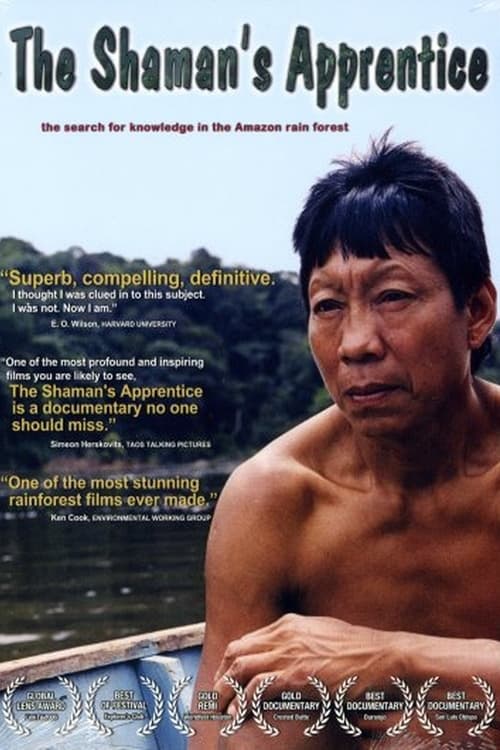
Scientist Mark Plotkin races against time to save the ancient healing knowledge of Indian tribes from extinction.
The history of warfare as it relates to global Black society, broken down into 7 chapters that examines the ways the system of racism wages warfare from a historical, psychological, sexual, biological, health, educational, and military perspective.
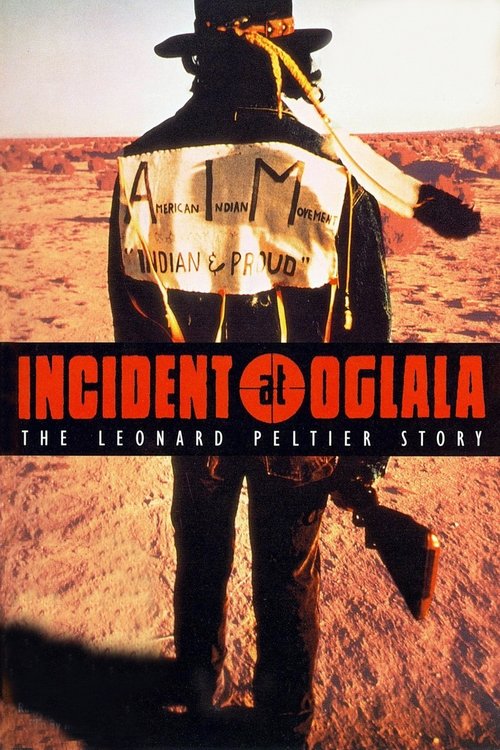
An intimate exploration of the circumstances surrounding the incarceration of Native American activist Leonard Peltier, convicted of murder in 1977, with commentary from those involved, including Peltier himself.
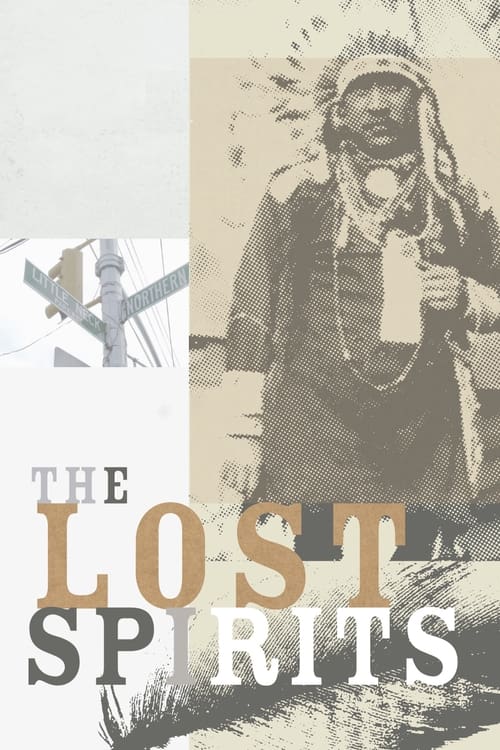
The last surviving Native Americans on Long Island are the focus of The Lost Spirits. The film chronicles their struggles as an indigenous people to maintain their identity amidst relentless modernization and a heartless bureaucracy.
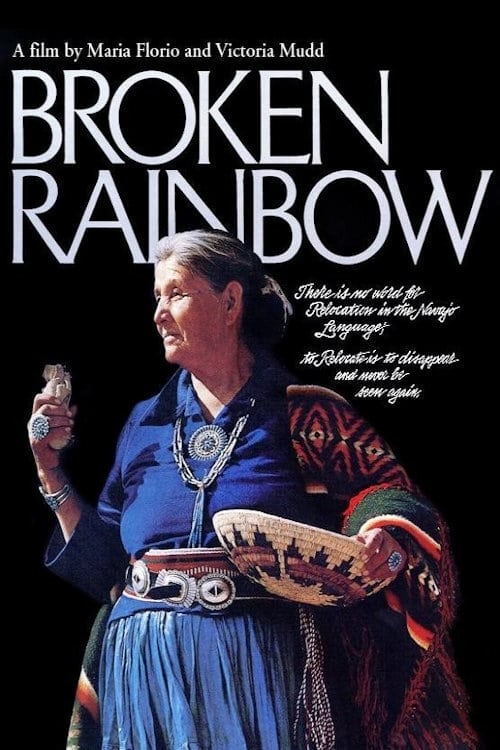
Documentary chronicling the government relocation of 10,000 Navajo Indians in Arizona.
For millennia, Native Americans successfully stewarded and shaped their landscapes, but centuries of colonization have disrupted their ability to maintain their traditional land management practices. From deserts, coastlines, forests, mountains, and prairies, Native communities across the US are restoring their ancient relationships with the land. As the climate crisis escalates these time-tested practices of North America's original inhabitants are becoming increasingly essential in a rapidly changing world.
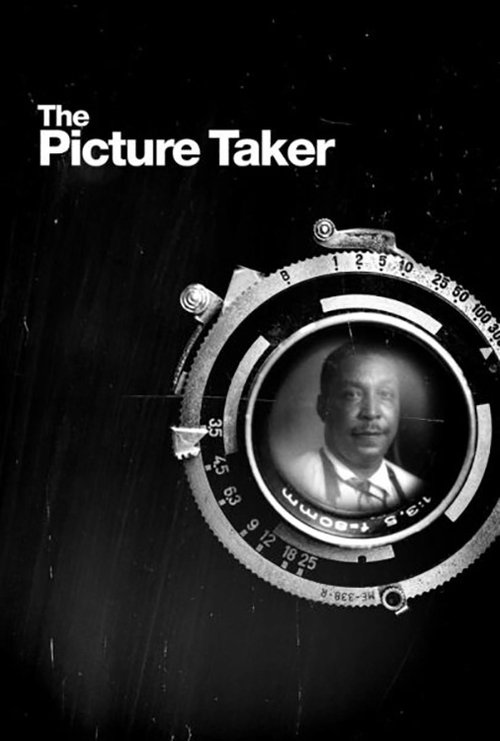
From his Memphis studio, Ernest Withers’ nearly 2 million images were a treasured record of Black history but his legacy was complicated by decades of secret FBI service revealed only after his death. Was he a friend of the civil rights community, or enemy—or both?
The US detonated 67 nuclear weapons over the Bikini Atoll in the Marshall Islands during the Cold War, the consequences of which still reverberate down four generations to today. "NUKED," is a timely new feature documentary focussing on the human victims of the nuclear arms race, tracing the displaced Bikinian's ongoing struggle for justice and survival even as climate change poses a new existential threat. Using carefully restored archival footage to resurrect contemporaneous islanders’ voices and juxtaposing these with the full, awesome fury of the nuclear detonations, NUKED starkly contrasts the official record with the lived experience of the Bikinians themselves, serving as an important counterpoint to this summer’s Oppenheimer.
Documentary film on events that happened on August 28th in African-American history, shown at the Smithsonian African-American History Museum.
A chronicle of legendary Native American poet/activist John Trudell's travels, spoken word performances, and politics.
When the Civil War ended in 1865, more than four million slaves were set free. Over 70 years later, the memories of some 2,000 slave-era survivors were transcribed and preserved by the Library of Congress. These first-person anecdotes, ranging from the brutal to the bittersweet, have been brought to vivid life in this unique HBO documentary special, featuring the on-camera voices of over a dozen top African-American actors.