Victor Barcellos Schiavon
as Yun Li
Leandro Biffe
as Biffe
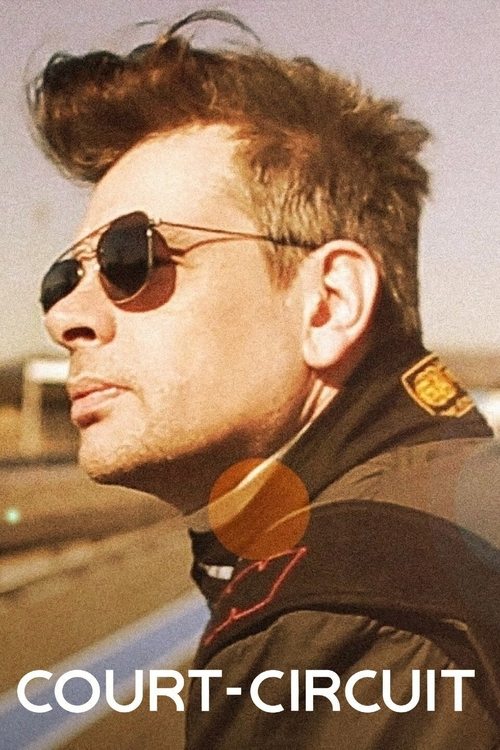
Can feminism and religion coexist? Inna Shevchenko of the Ukrainian FEMEN collective seeks answers to a difficult question in candid conversations with priests, imams, rabbis and other activists.
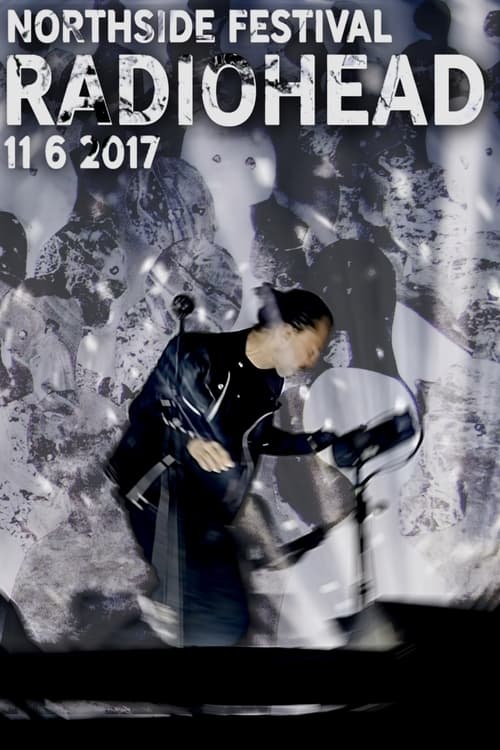
Radiohead performs at Denmark's NorthSide Festival on June 11, 2017.
Radiohead perform at I-Days Festival in Milan on June 16, 2017
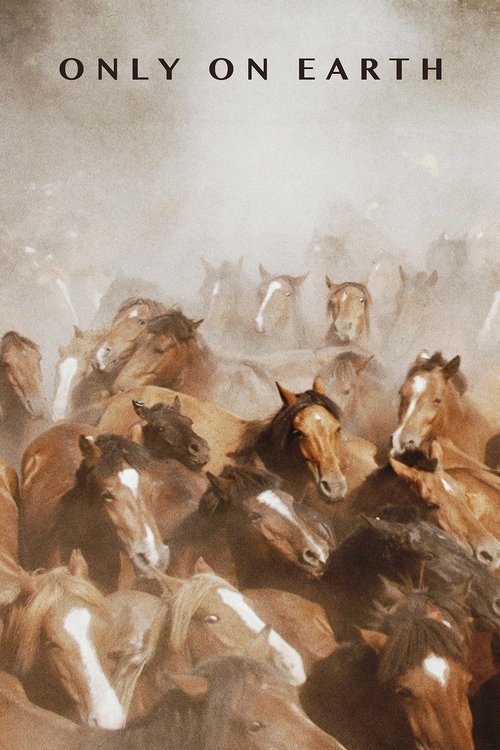
An immersive journey into southern Galicia, one of Europe's most vulnerable wildfire zones, where humans and animals alike struggle to cope during the hottest, driest summer on record.
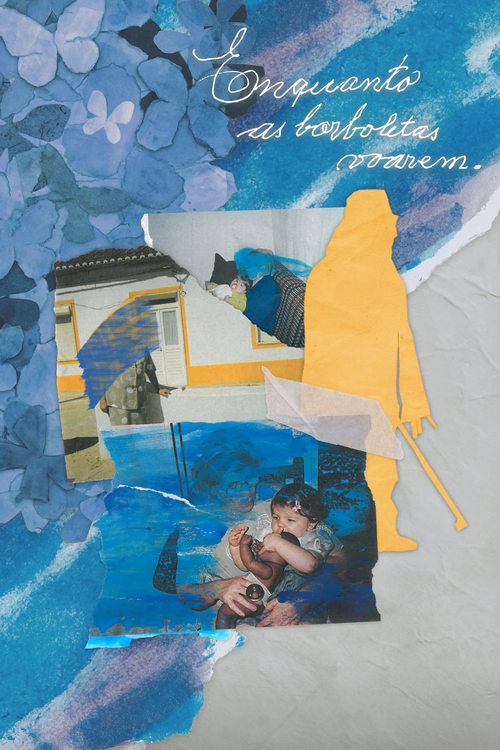
Through a personal journey through space and time, where the past and present connect, a granddaughter rediscovers with her grandfather the corners of her childhood and ventures to explore her memory, in an incessant search for a fading past . Discovering old cassette tapes, he faces grief and longing, and decides to revisit his grandmother's house, in search of the essence of his journey.
Jeff Towne revisited four years after the release of the original film.
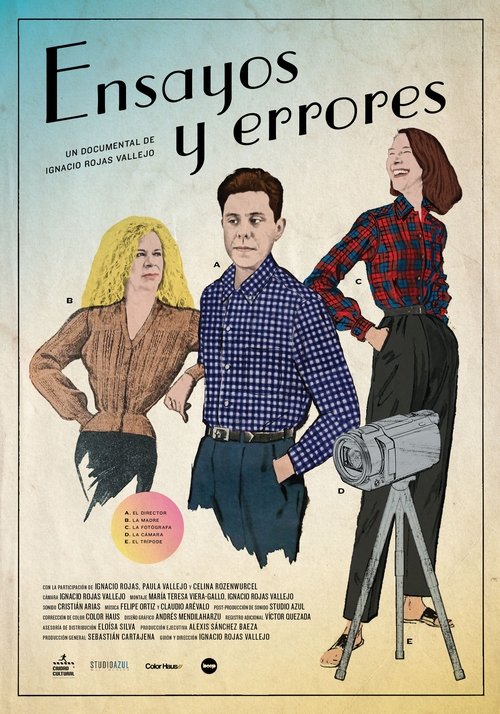
In an attempt to make her mother's dream come true, the director accompanies and is accompanied by three VRChat users, Rúben, Rodrigo and Stiff, who share their experiences and their contact with virtual reality, in an affective, technological and critical way.
Kwanxwala-Thunder recovers the history of the Kwakwaka’wakw and stitches it together with contemporary stories of football and potlach in Canada. This creative documentary intertwines Canadian history, indigeneity, colonial legacies, feminisms, and sport. Shot over the period of several years (2009-2015), Kwanxwala-Thunder constructs a portrait of Alert Bay through soccer. The film's impressionistic approach takes us through the incorporation of soccer into Kwakwaka'wakw culture despite its colonial arrival on the island while highlighting multiple generations of female soccer players.
From photographs archived in family albums and photographs of patterns and texture, a collection of small stop motions emerges, accompanied by nostalgic ambient sounds. A reflection on childhood and the lack thereof.
"Porta de Expressão" begins with a shot of the stairs at the entrance to the Cineclube de Guimarães. The sound of footsteps ascending the stairs and the murmur of a small crowd fill the air, but the stairs are empty. This "phantom sound" creates an atmosphere of mystery and absence, reflecting the invisibility and silence forced by censorship. The subtle sound of the projection machine mixes with some voices that tell of the many creative ways that the film society found to circumvent censorship during the PIDE era. Among the many cinephile memories there are reports of the cultural resistance of the film club.
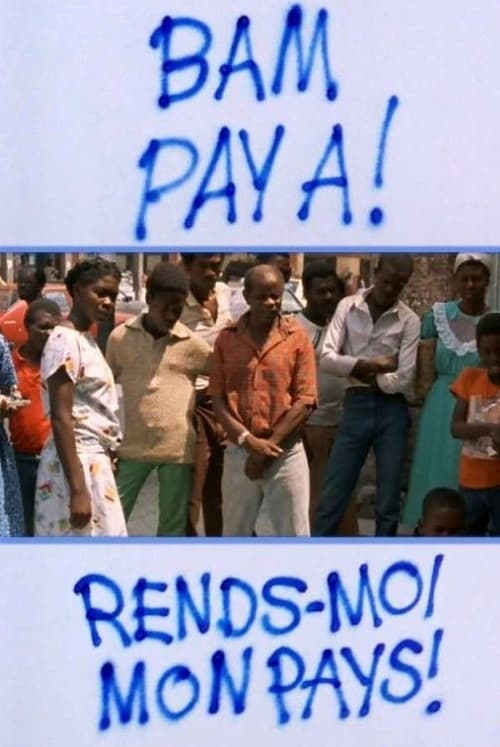
In this feature documentary, a Haitian, exiled in Canada for twenty years, returns to his country after the departure of Jean-Claude Duvalier. Through his encounters with former friends, professors and colleagues, the face of this newfound Haiti gradually takes shape… Shot in Haiti after the fall of the Duvalier regime, this film, beyond a simple observation, shares with us the hopes of the Haitian people as well as their fears and uncertainties regarding this country that has yet to be built.
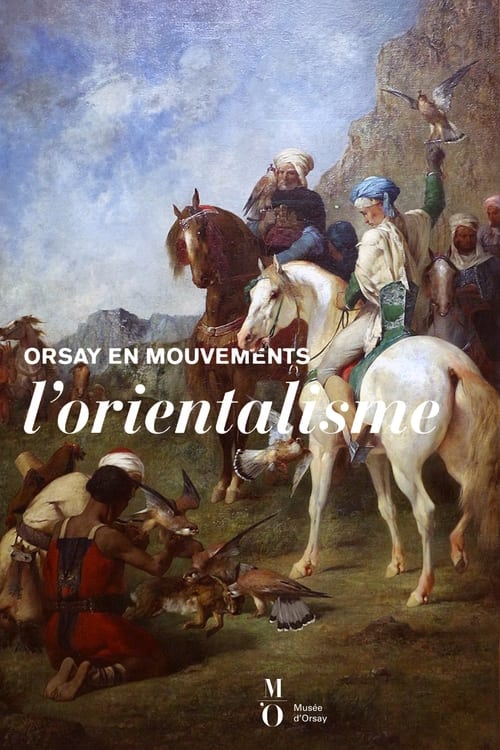
Orientalism is a literary and artistic movement born in Western Europe in the 18th century. Through its scale and popularity, throughout the 19th century, it marked the interest and curiosity of artists and writers for the countries of the West (the Maghreb) or the Levant (the Middle East). Orientalism was born from the fascination of the Ottoman Empire and followed its slow disintegration and the progression of European colonizations. This exotic trend is associated with all the artistic movements of the 19th century, academic, romantic, realistic or even impressionist. It is present in architecture, music, painting, literature, poetry... Picturesque aesthetics, confusing styles, civilizations and eras, orientalism has created numerous clichés and clichés that we still find today in literature or cinema.