Obinagụ is not human. They are a spirit who walks among us, taking the form of a worker each day, only to return each evening to the forest they call home, a place where they feel whole and free, where they don’t have to perform or hide.
Ololade Olokun
as Obinagụ
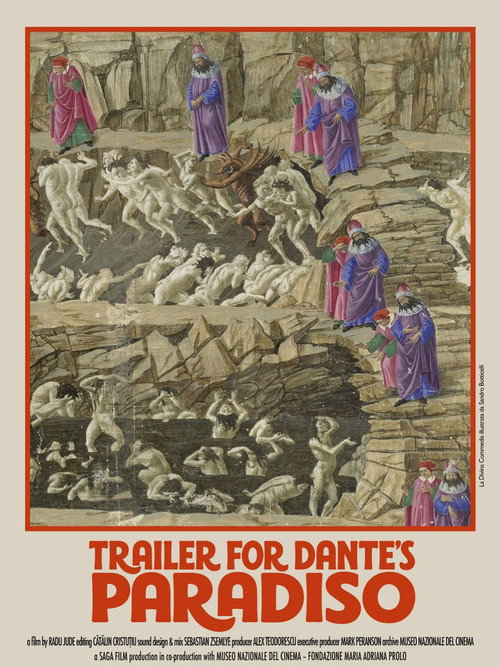
Vintage pornography reels from the archives of Italy’s National Film Museum display over an AI recitation of Dante's The Divine Comedy.
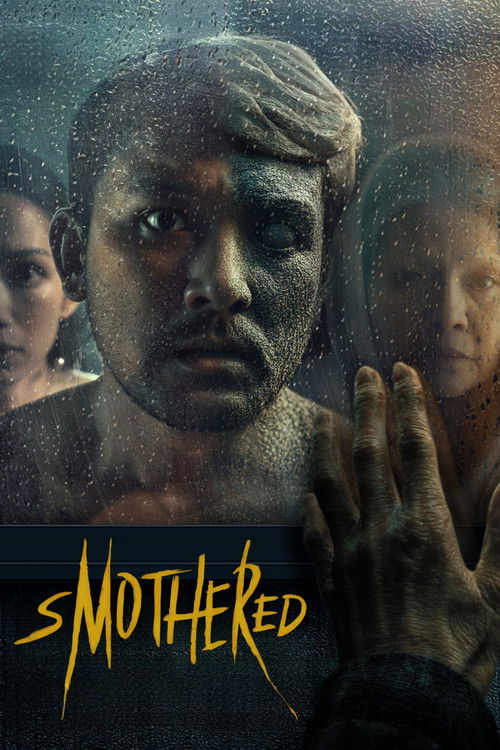
After surviving an accident, Alif, a micro-painting artist, is told by his doctor that his memory hasn’t fully recovered. When a woman claiming to be his mother comes to visit, Alif begins to sense something is wrong—he doesn’t recognize her face, and he suspects she might not be his mother.
Aruz, who lost his son during migration, one day finds a strange creature with one eye on his head, brings him to the village and raises him as his own cub. Years pass, Aruz finds his missing son, and Grandpa Gorgud names him Basat. Tepegoz, who has already grown up and finished painting, starts eating people one day. When the people found out about this, they kicked Tepagöz out of the village. After Tepagoz's mother, the fairy, bathed him in the lake of Kir, he is no longer affected by weapons, and Tepagoz made a condition in front of the people that they should bring one man and 500 sheep every day. If not, he will raze the whole place to the ground. Seeing that Oban is in such a difficult situation, Dede Gorgud says, "Basat is the only solution." As a result of the dream he saw, Basat, who returned from his trip incomplete, tricks Tepegoz and defeats him and saves the people from trouble.
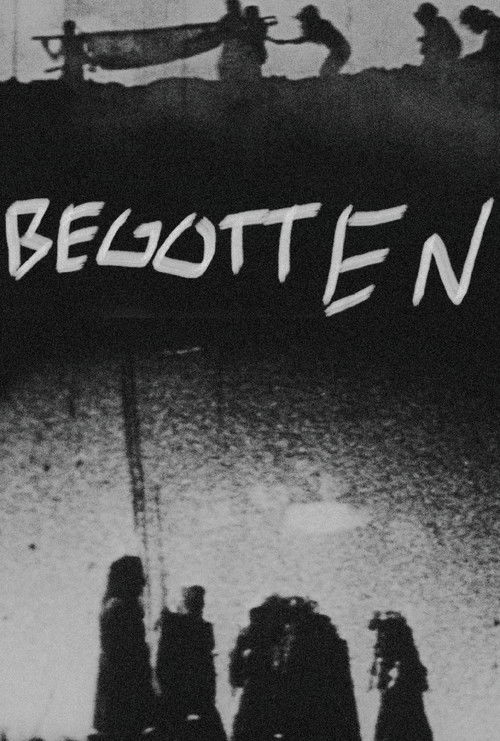
Begotten is the creation myth brought to life, the story of no less than the violent death of God and the (re)birth of nature on a barren earth.
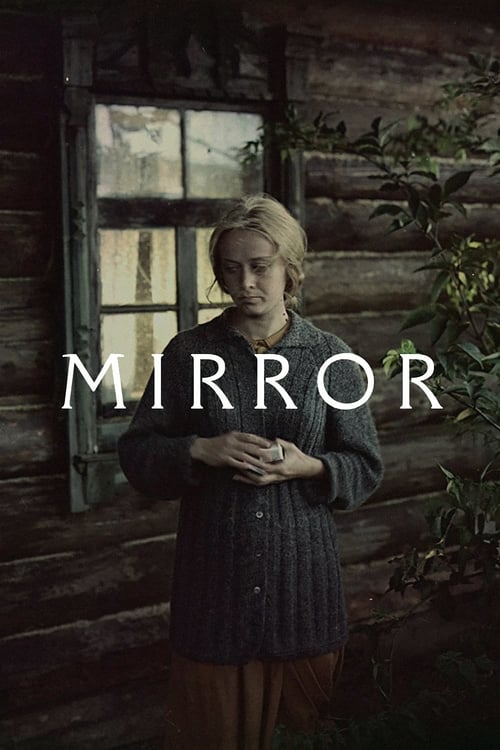
A dying man in his forties recalls his childhood, his mother, the war and personal moments that tell of and juxtapose pivotal moments in Soviet history with daily life.
In the year 1622, the young Badria is held responsible for the death of the princess after the birth of the royal child and accused of witchcraft. Imprisoned and on trial, she desperately fights to prove her innocence and save her life.
An audiovisual poem. Cryptic whispers speak of a mysterious being, known only to forgotten folklore, that has travelled across distant lands to haunt citizens of a neon-drenched city.
An intimate stream of memories reaching out across time and space, taking on a uniquely experimental form that cuts the viewer adrift in a weave of old footage rising to the surface of consciousness like a dream.
A bleak, cryptic vision of life in contemporary Iran that eschews overt social commentary in favour of a very personal vision of stifled lives. Directed remotely by Rashidi from Ireland over Skype, the making of this unique film reflects the alienation it so compellingly portrays.
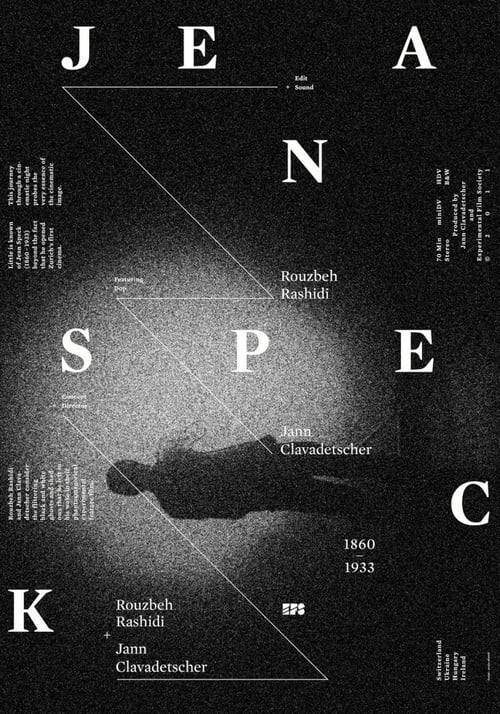
Little is known of Jean Speck (1860-1933) beyond the fact that he opened Zurich’s first cinema. Rouzbeh Rashidi and Jann Clavadetscher consider the flittering black and white ghosts and shadows that he left in his wake in their phantasmagorical experimental feature film. This journey through a cinematic night probes the very essence of the cinematic image.
A year after losing her mother, a young girl learns that she must journey across Japan to the annual gathering of gods in the sacred land of Izumo.
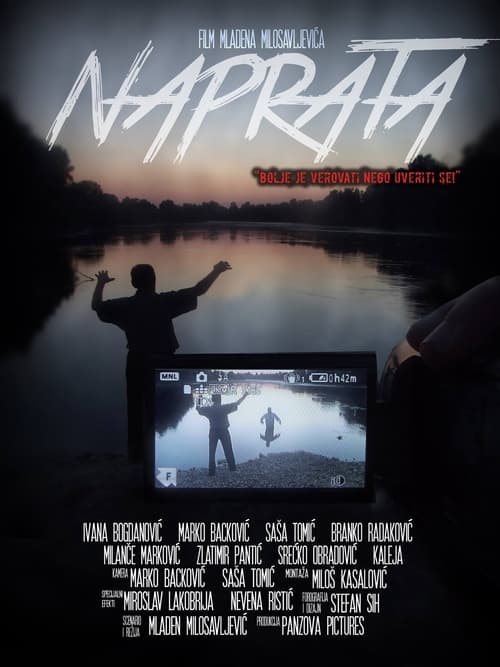
Inspired by an infamous online video clip of a son beating his mother, a television crew from Belgrade comes to a remote Serbian village to shoot a report on violence against women. Inquiring with the locals about the protagonists of the video, they encounter a local expert on supernatural phenomena and learn about a ritual of summoning an ancient demon, naprata. Wanting to capture the first authentic footage of something otherworldly, they change their plans. Excited by the prospective success of the recording, they defy the old saying that "it's better to believe than to be convinced."
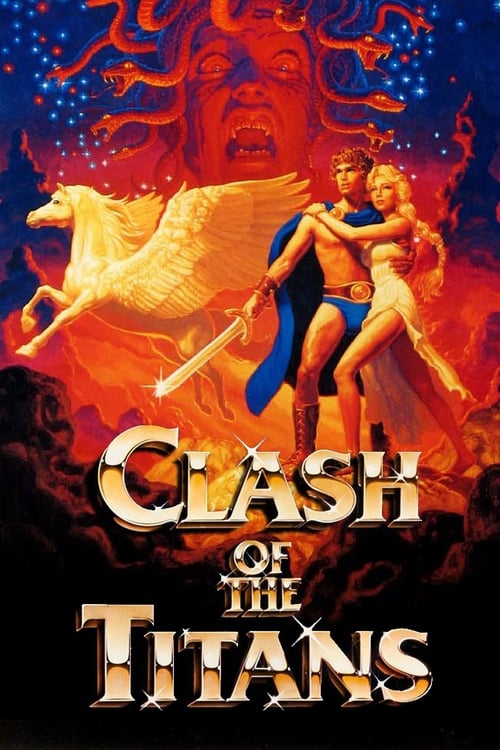
To win the right to marry his love, the beautiful princess Andromeda, and fulfil his destiny, half-God-half-mortal Perseus must complete various tasks including taming Pegasus, capturing Medusa's head and battling the feared Kraken.
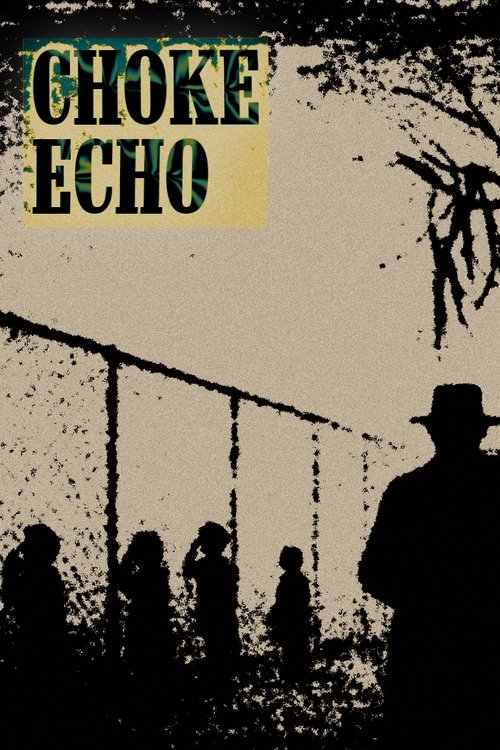
This isn’t a film. It’s a leaked ritual. Somewhere between analog prayer and digital disease, a collection of gestures tried to become human again. They failed. Children orbit the fence like insects around an electric hymn. A figure holds a violin but never plays — his silence is louder than the sound. The man in the branches hasn’t fallen in years. The killer appears, or doesn’t — but you’ll feel him beneath the cuts, mouthing things you’ll wish you didn’t understand. There are bodies, sometimes clothed in flesh, sometimes not. There is scripture, mangled and reversed — not to mock it, but to unlock it. The voice speaks, but only when you stop listening. This is the place where lost footage remembers you. Where noise prays back. CHOKE ECHO was compiled under duress by 0xHamza in 2025 using material never meant to be rearranged. Watch it if you must — but it will keep watching after you close the tab.
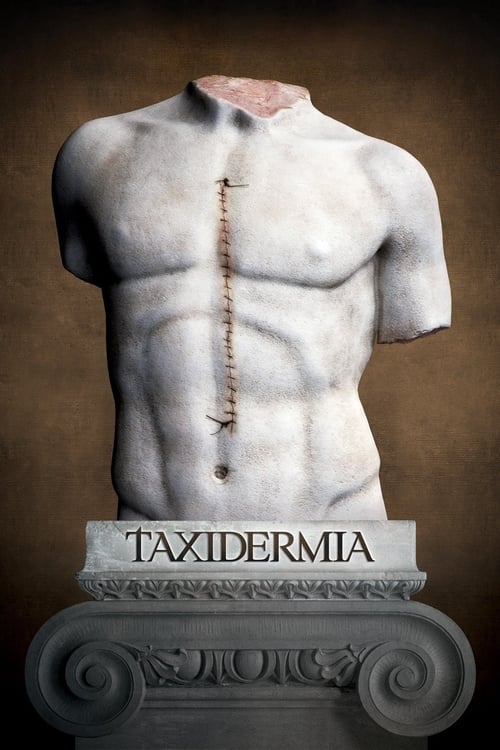
Three stories. Three ages. Three men. Grandfather, father, son. One is an orderly, one is a leading sportsman, and one is a master taxidermist. One desires love, the other success, and the third immortality.