In a claustrophobic Venice of lavish dress and gilded interiors, Casanova is preparing for a career in holy orders when an erotic encounter sets him on a different path. Performed by the Northern Ballet live at the Palace Theatre, Manchester.
Giuliano Contadini
as Giacomo Casanova
Sean Bates
as Cardinal de Bernis
Jeremy Curnier
as Father Balbi
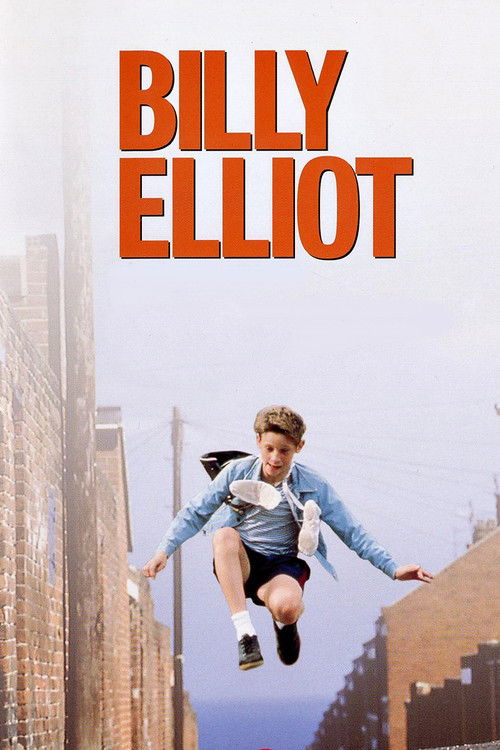
County Durham, England, 1984. The miners' strike has started and the police have started coming up from Bethnal Green, starting a class war with the lower classes suffering. Caught in the middle of the conflict is 11-year old Billy Elliot, who, after leaving his boxing club for the day, stumbles upon a ballet class and finds out that he's naturally talented. He practices with his teacher Mrs. Wilkinson for an upcoming audition in Newcastle-upon Tyne for the royal Ballet school in London.
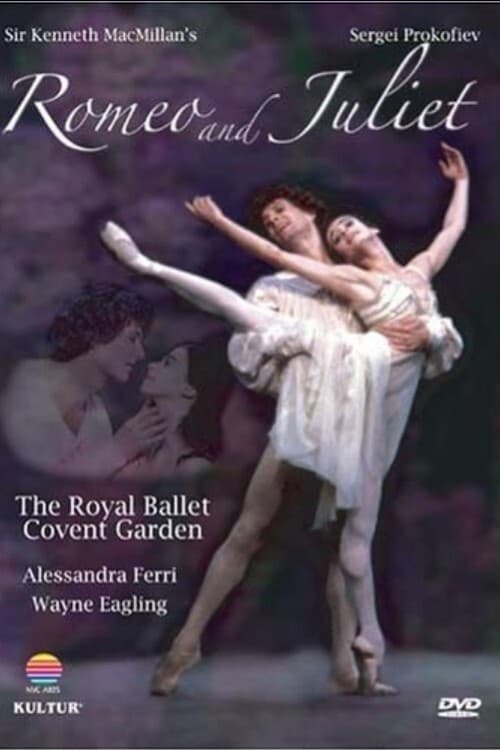
Ballet performance by The Royal Ballet, recorded at Covent Garden, London, United Kingdom, July 1984.
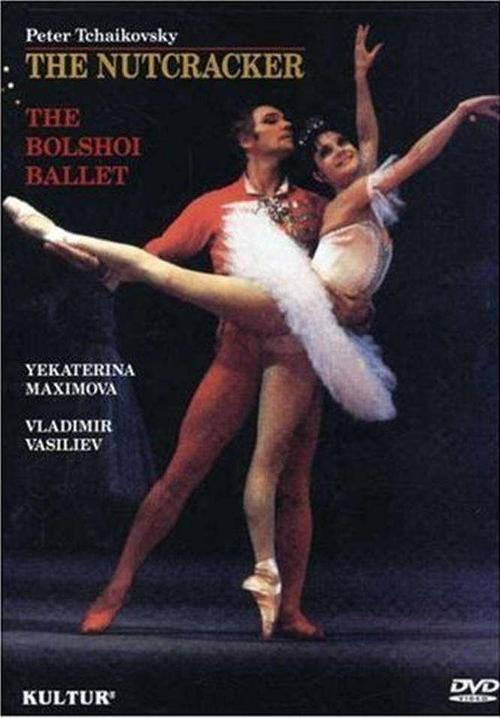
Live from the Bolshoi Theatre, this 1978 remake of the two-act classical Christmas ballet blends Tchaikovsky's beloved melodies with superb dancing. Famed Bolshoi duo Yekaterina Maximova and Vladimir Vasiliev star in this production of Tchaikovsky's beloved ballet, The Nutcracker. Maximova dances the role of Maria, the young girl whose mysterious uncle Drosselmeyer gives her a wooden nutcracker (Vasiliev) for Christmas. When he comes to life, she rescues him from marauding mice and is taken to the Kingdom of Sweets.
With her husband Jack perpetually away at work, Margaret Hall raises her children virtually alone. Her teenage son is testing the waters of the adult world, and early one morning she wakes to find the dead body of his gay lover on the beach of their rural lakeside home. What would you do? What is rational and what do you do to protect your child? How far do you go and when do you stop?
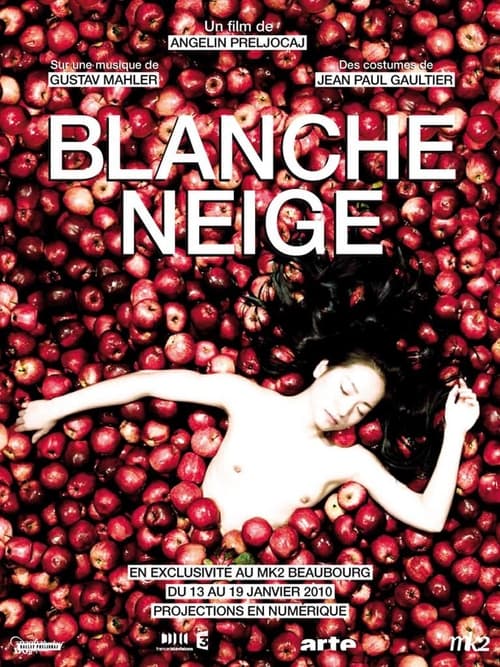
On Christmas Eve, a young girl has a dream... Emotional awakening, physical transformation, childhood that slowly merges into adulthood... behind what seems to be a tale for children slowly emerges a danced initiatory journey. And while children revel in Drosselmeyer's magic tricks and enjoy a good scare with the apparition of the Mouse King, the adults notice all the finesse that pervades this narrative and admire the virtuosity of the choreography.
To speak of that ballet is very difficult because the theme is so popular as a fairy tale, adapted by Perrault from German folklore and then recuperated from the same folklore by the Grimm brothers, and what's more turned into an unforgettable film by Walt Disney. Angelin Preljocaj was thus trying to break a mould in which that character and her story had been cast seemingly for ever. And it is a success. Because first the setting, the stage direction are very interesting and rich. Rich are the costumes. Rich are the main ideas of the setting like the enormous magic mirror coming down from the sky, or like the deep underground mine turned into a vertical surface on which the seven dwarfs are dancing like dragon-flies on their strings.
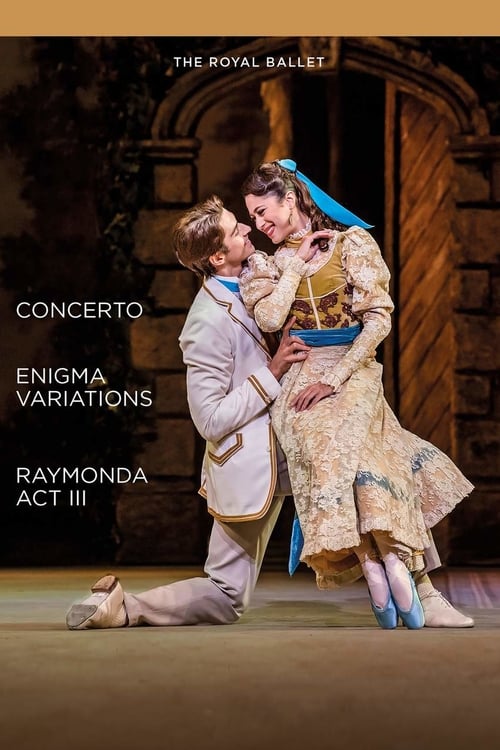
From The Royal Ballet’s classical origins in the works of Petipa, to the home-grown choreographers who put British ballet on the world stage, this mixed programme highlights the versatility of the Company. Petipa’s Raymonda Act III is Russian classical ballet summarized in one act, full of sparkle and precise technique, while Ashton’s Enigma Variations is quintessentially British in every way – from its score by Elgar and period designs by Julia Trevelyan Oman, to Ashton’s signature style, the essence of British ballet. Concerto, MacMillan’s fusion of classical technique with a contemporary mind, completes a programme that shows the breadth of the Company’s heritage.
An unusual explorer named Gum and his kindly niece adopt three orphans -- Pauline, Petrova and Posy -- and raise them as sisters in 1930s London. But the girls must fend for themselves when Gum doesn't return from one of his adventures. Together, they nurture their passions for acting, aviation and ballet in this charming TV adaptation of Noel Streatfield's novel.
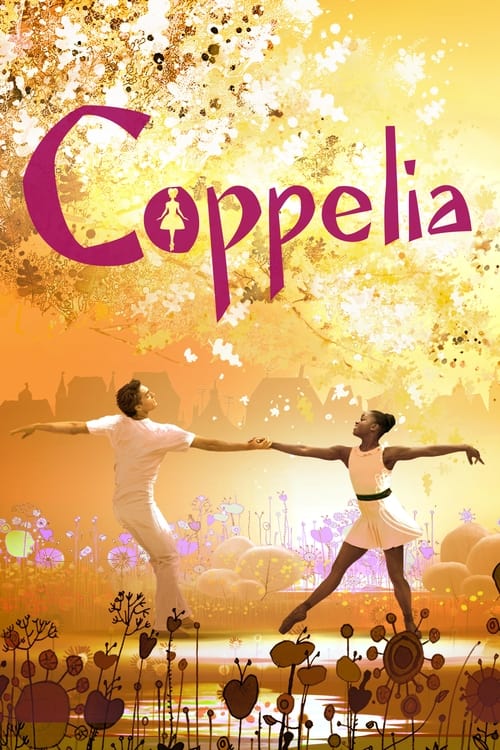
When everyone in town falls under the spell of charismatic cosmetic surgeon Doctor Coppelius, feisty Swan must act to save her sweetheart Franz, before his heart is used to spark life into Coppelia – the ‘perfect’ robot-woman the Doctor has created.
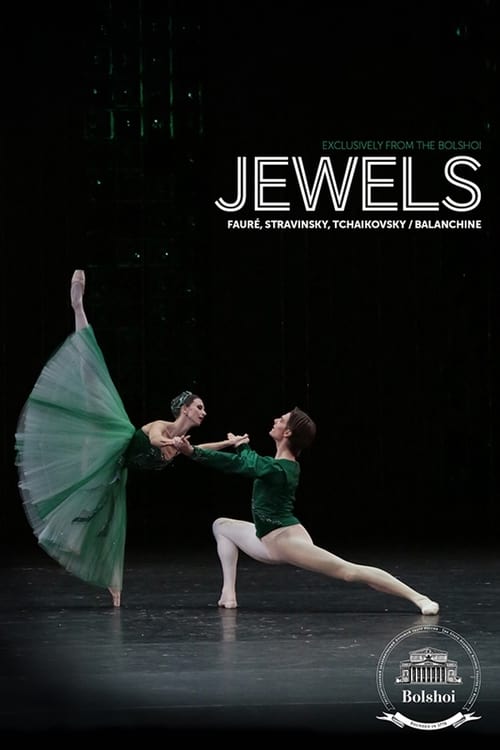
George Balanchine's jewel-themed triptych, strikingly choreographed to the music of Faure, Stravinsky and Tchaikovsky. This three act masterpiece is renowned as the world's first full-length abstract ballet. The Russian-born co-founder of the New York City Ballet, Balanchine was inspired by the artistry of jewellery designer Claude Arpels to create a trio of distinct movements revealing the essence of each precious stone. Each part also evokes three different cities: Paris, New York and St. Petersburg. 'Emeralds' was conceived as a tribute to the French romantic school, with music by Gabriel Faure. The fiery and energetic 'Rubies' taps into the rich tradition of Broadway musicals, with music by Stravinsky. 'Diamonds' honours the grandeur of Imperial Russia and the Maryinsky Theater, choreographed to the music of Tchaikovsky. With its jewel-like costumes, this is a celebration of the influences on the choreographer who was described as the father of American ballet.
A pair of short ballets, written for the screen, filmed and performed by artists of the Georgian SSR. In color, with narration.
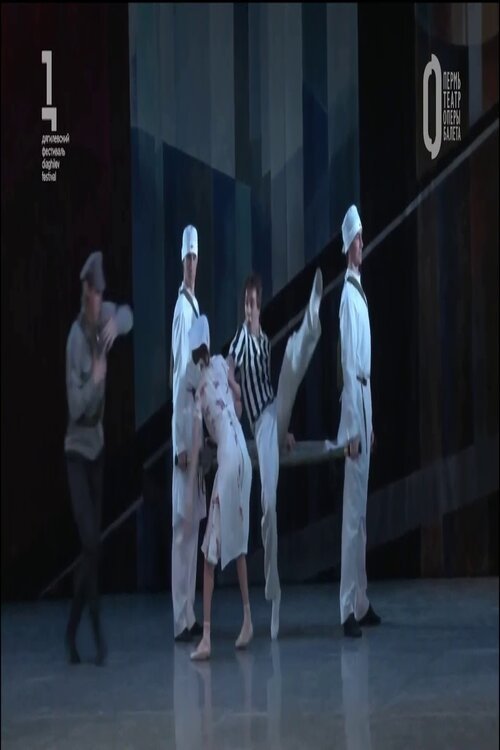
In 1931 Shostakovich wrote a full-length score for the Leningrad Music Hall, for a show that involved many of the leading entertainers of the day, as well as dancing girls, a jazz band, a dancing dog, sequences of silent film, simulated air-raids and gas attacks, a lorry, a storm, waiters and waitresses in a luxury restaurant, river nymphs and even a scene in Heaven with the Devil, the Twelve Apostles, the Archangel Gabriel and all the other angels doing a blasphemous knees-up. The show was naturally a momentary scandal and the score soon disappeared. In 1991 Gerard McBurney reconstructed from the surviving sketches a sequence of 21 of the orchestral numbers to make a hilarious sequence of gallops, saucy polkas, marches and schmoozy waltzes.
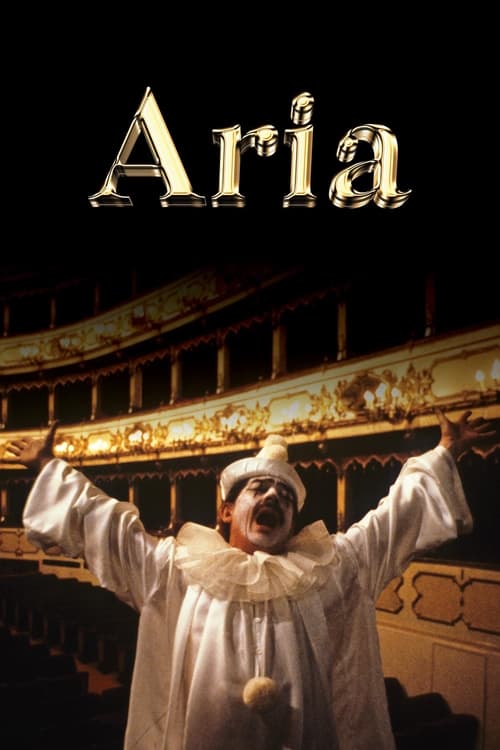
Ten short pieces directed by ten different directors, including Ken Russell, Jean-Luc Godard, Robert Altman, Bruce Beresford, and Nicolas Roeg. Each short uses an aria as soundtrack/sound, and is an interpretation of the particular aria.
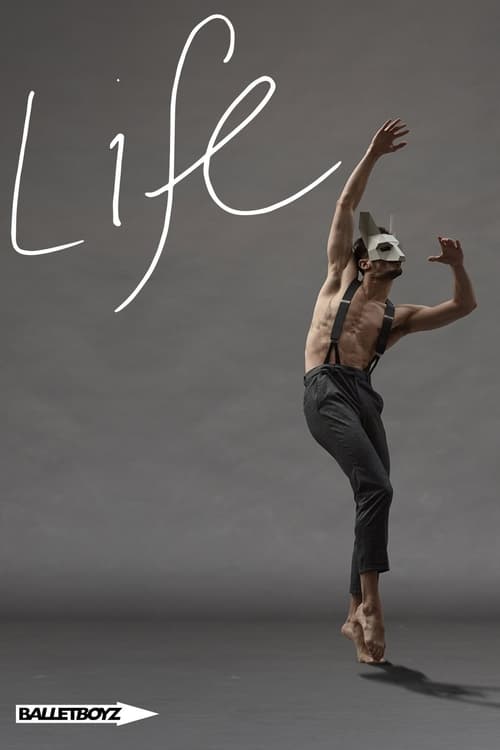
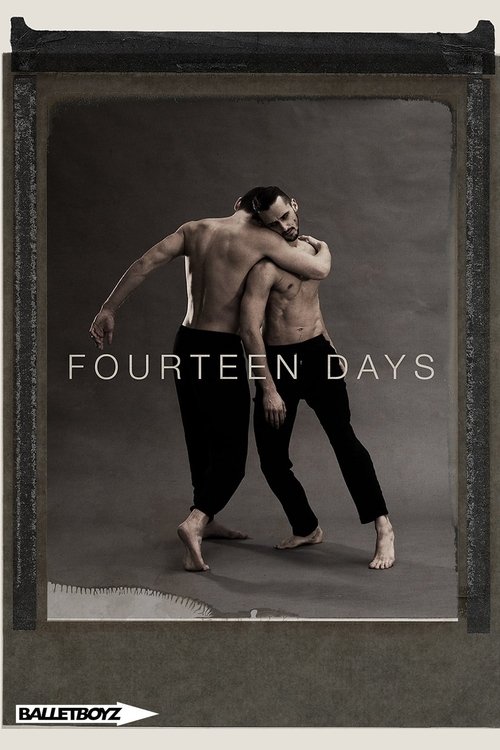
An elegant, powerful and sometimes provocative look at life and death presented in BalletBoyz’s inimitable style.
Fourteen Days is a thought-provoking exploration about the methods artists employ to create their work. Given just fourteen days, 4 internationally acclaimed choreographers worked with 4 world-renowned composers to make 4 new commissions that challenge and stimulate both the audience and the dancers. Highlighting the diversity of styles and approaches, the show plays with the concept of balance and imbalance and proves to be an exciting, varied programme of dance and music.
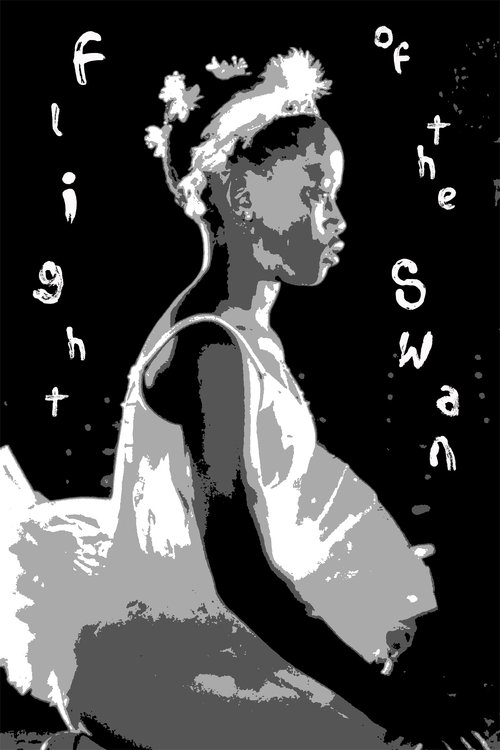
A young girl leaves her Nigerian village to attend a ballet school in England. Fascinated by Tchaikovsky's Swan Lake, she dreams of performing as lead ballerina Princess Odette, but the girls in her close-minded ballet school mock her ideas of a 'black swan'.
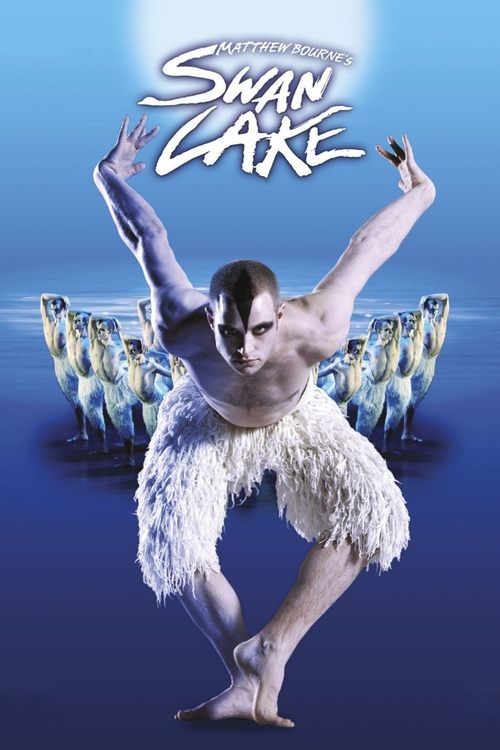
Matthew Bourne choreographs this performance of Tchaikovsky's ballet, filmed live in London. The show, the longest running ballet on both Broadway and the West End, follows the story of Prince Siegfried, who promises his love to swan maiden Odette, only to be tricked by magician Von Rothbart. The stars include Richard Winsor, Dominic North, Nina Goldman, Madelaine Brennan, Steve Kirkham and Joseph Vaughan.
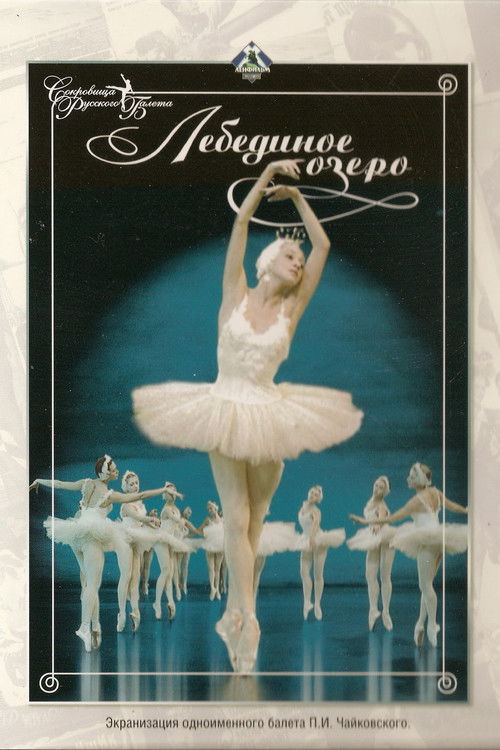
Swan Lake, a screen adaptation of the ballet of the same name by Pyotr Tchaikovsky. Performed by Kirov Ballet, starring Yelena Yevteyeva as Odette and directed for film by Appolinariy Dudko and Konstantin Sergeyev. Produced by Lenfilm studios in 1968. Orchestra of the S.M. Kirov Leningrad Academic Opera and Ballet Theater, conductor Victor Fedotov. Ballet dancers of the Leningrad State Academic Theater of Opera and Ballet named after S.M. Kirov and students of the Leningrad Choreographic School M. Agrippina Vaganova took part in the film. Golden Orchid Prize - Grand Prix at the VIFF of ballet films in Genoa, Italy (1969).
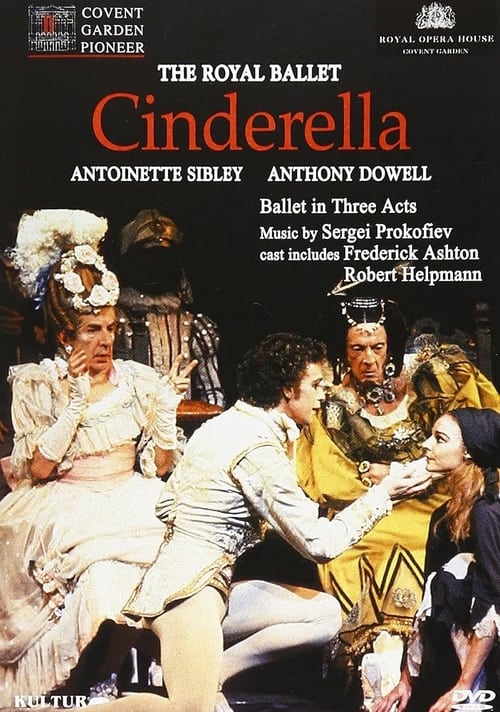
Cinderella is helped to the ball by her fairy godmother in The Royal Ballet's version of the classic fairy tale, using Sergei Prokofiev's music and Frederick Ashton's choreography in a comic ballet.
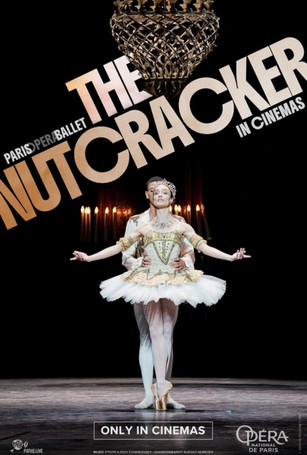
On Christmas Eve, young Clara receives a nutcracker doll and drifts into a dream where toys come alive. Guided by the transformed nutcracker prince, she moves through a world of toy soldiers, rats, and magical creatures, facing her fears and desires. Snowflakes, flowers, and fantastical landscapes frame a vivid choreography set to Tchaikovsky’s iconic score.