How have the changing views on children been reflected in their representation in art? From Baby Jesus to the first photographic portraits, an exploration of six centuries of art history through the prism of childhood.
Max Urlacher
as Narrator (voice)
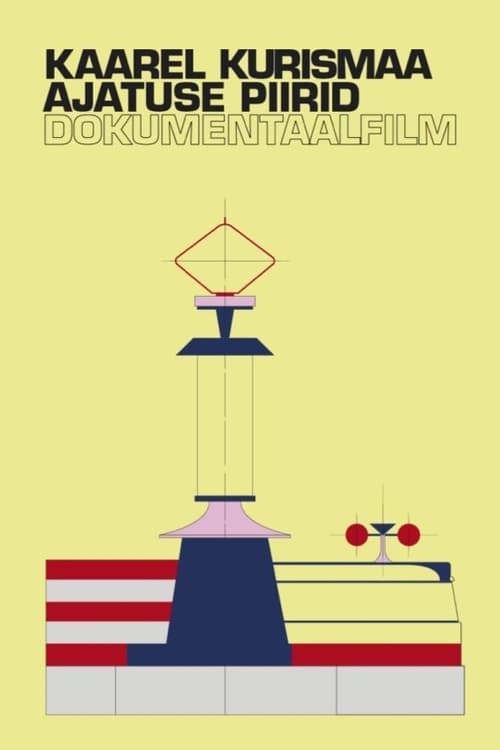
A documentary about the Estonian artist Kaarel Kurismaa shows the viewer an insight into the world of artists. Kaarel changed his creative direction several times; he explored different artistic styles. Kaarel Kurismaa laid the foundations for Estonian kinetic and sound art. He is a highly versatile artist whose creative energy is divided between painting, sound, installation, monumental art, and film. On the crest of the avant-garde wave of the 1970s, he created several important sound and kinetic objects in Estonian art history.
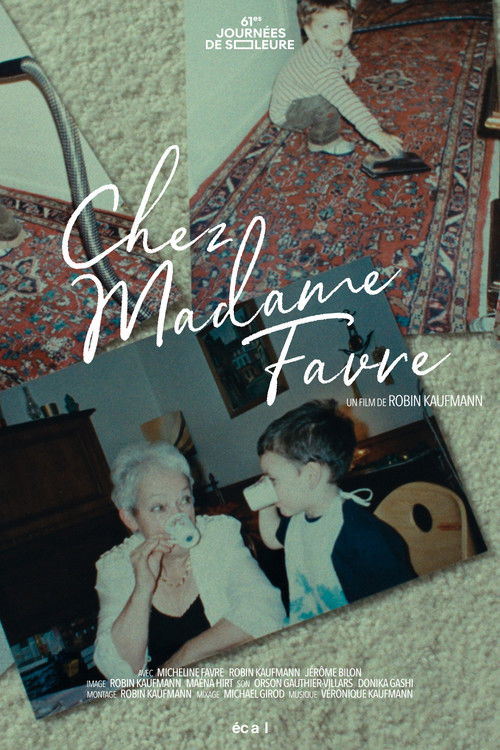
In a nursing home, a young man visits his grandmother. As she constantly repeats that she wants to go home, his grandson visits her now empty apartment, seeking to capture memories of a fading past.
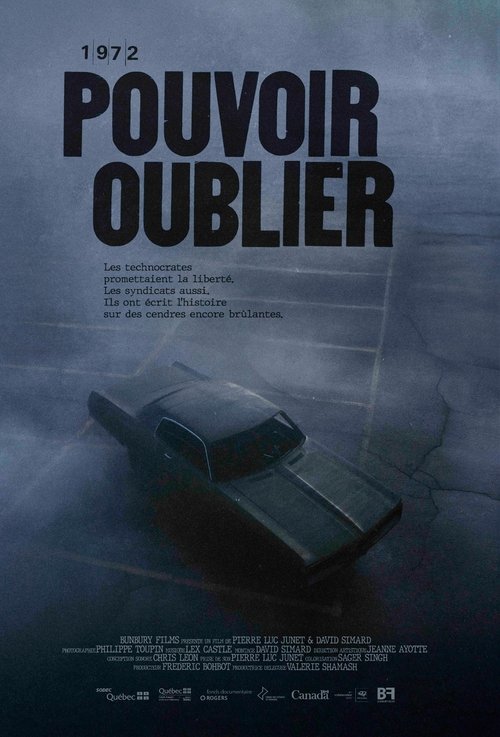
Pouvoir Oublier is a political documentary first constructed from the words of the speakers whose lives changed on the tragic day of May 10, 1972 in Sept-Îles. Their word will be juxtaposed with archival material from the events, some of which are unpublished, which will reflect the collective euphoria in which Sept-Îles and all of Quebec were then bathed.
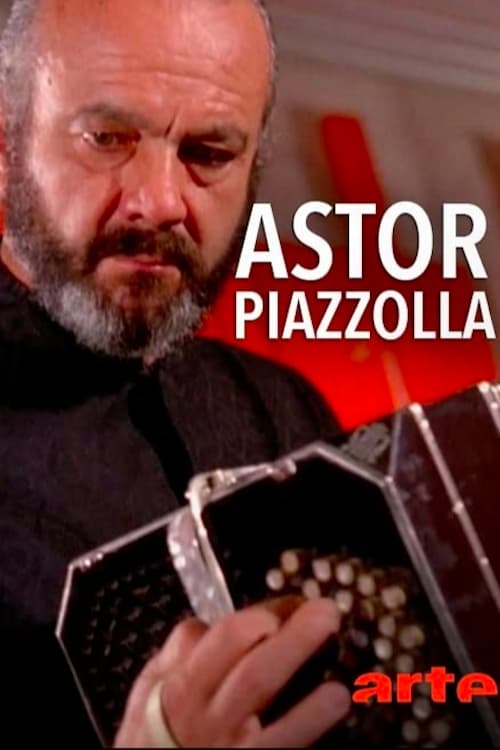
Astor Piazzolla revolutionized the tango. By breaking with the codes of traditional tango, he brought this popular Argentine music from dance floors to concert halls around the world and is now recognized as a major composer of the 20th century. From numerous unpublished private archives, the voices of Astor and his children paint a unique portrait of this complex man.
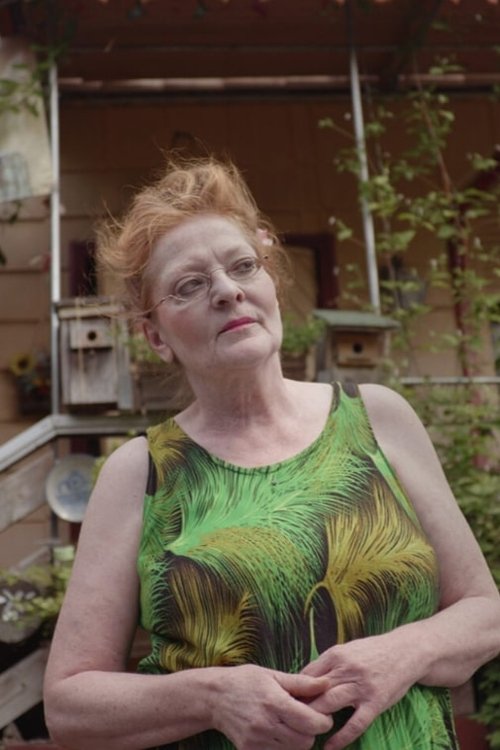
Annedore takes care of orphan birds. They give her that which humans througout her turbulent life could never give her: love.
Rolland, a 70 year-old man, exiled by his family due to his sexual orientation, makes peace with the past by finding himself in a small ghost town in the western part of Jalisco, San Sebastián del Oeste. Almost 40 years later, he wants to go back to his hometown, try to regain his daughter's love and be a part o his granddaughter's life.
In track and field he’s remembered as The Greatest. Athletics' first commercially global star. Away from the spotlight, his is a life often misunderstood. Carl Lewis did it his own way - unwilling to conform to what the US expected from its athletes. Lewis won nine Olympic gold medals across four Games and was voted “Sportsman of the Century” by the International Olympic Committee. Yet he refused to be pigeonholed and, in doing so, he inspired change on and off the field. I’m Carl Lewis! delves into the consequences of his uncompromising drive.
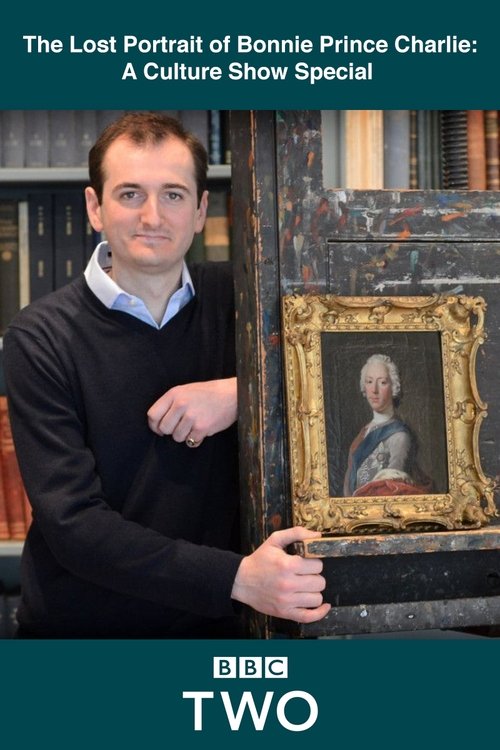
In 2009, art detective Dr Bendor Grosvenor caused a national scandal by proving that the Scottish National Portrait Gallery's iconic portrait of Bonnie Prince Charlie, the rebel Stuart who almost seized power in 1745, was not in fact him. Keen to make amends, and suspecting that a long-lost portrait of the prince by one of Scotland's greatest artists, Allan Ramsay, might still survive, Bendor decides to retrace Charles's journey in the hope of unravelling one of the greatest mysteries in British art.
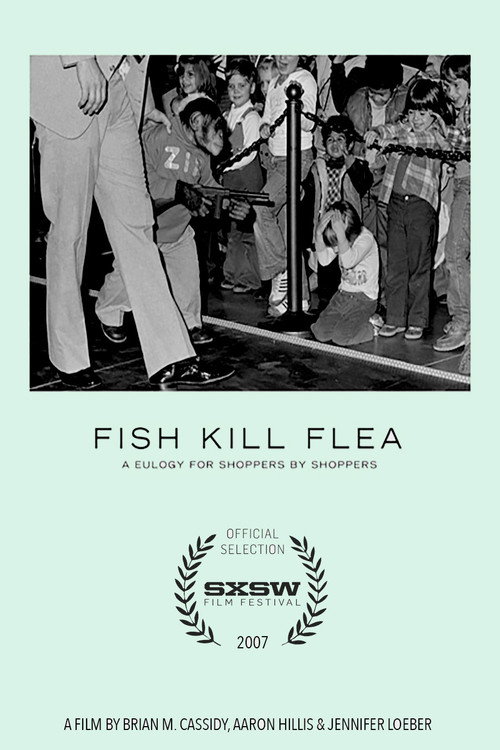
Once thriving, a dead mall in upstate New York is now home to a ragtag flea market, living proof that the American Dream is in perpetual decay. Blending vérité with a stylized wit, this heartbreaking portrait raises questions about our disposable culture through the unfiltered lives of its eccentric community.
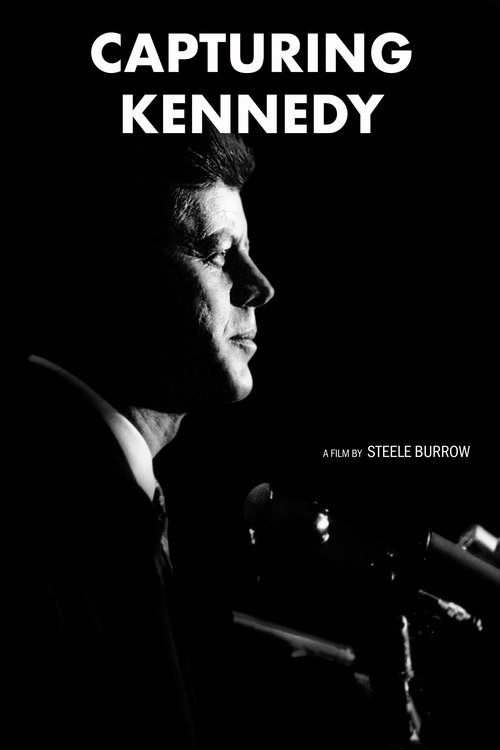
The extraordinary untold story of Jacques Lowe, a young immigrant who, at just 28, became the personal photographer to President John F. Kennedy. Experience the untold stories behind the images that shaped Camelot.
A night with Bahman Mohasses famous Iranian Painter
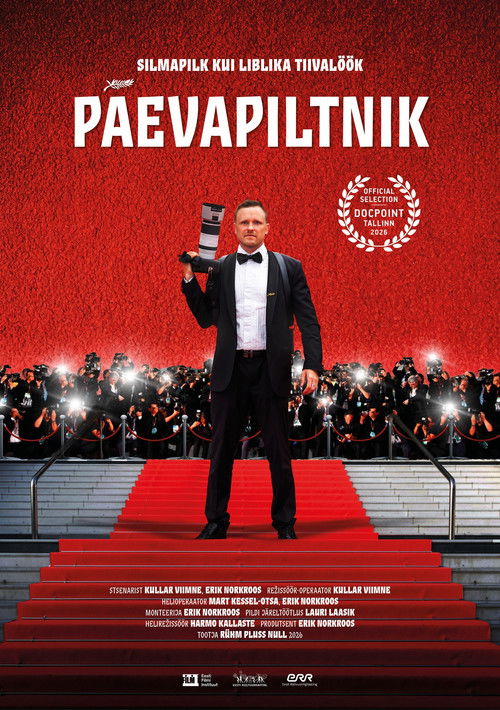
Entertaining portrait of Erlend Štaub - a self-made professional photographer working at the president's annual reception, theatrical premieres, and film festivals like Black Nights and Cannes, and talking about life and everything in it.
“In this legendary sculpture/performance Acconci lay beneath a ramp built in the Sonnabend Gallery. Over the course of three weeks, he masturbated eight hours a day while murmuring things like, "You're pushing your cunt down on my mouth" or "You're ramming your cock down into my ass." Not only does the architectural intervention presage much of his subsequent work, but all of Acconci's fixations converge in this, the spiritual sphincter of his art. In Seedbed Acconci is the producer and the receiver of the work's pleasure. He is simultaneously public and private, making marks yet leaving little behind, and demonstrating ultra-awareness of his viewer while being in a semi-trance state.” – Jerry Saltz (via: http://www.ubu.com/film/acconci_seedbed.html)
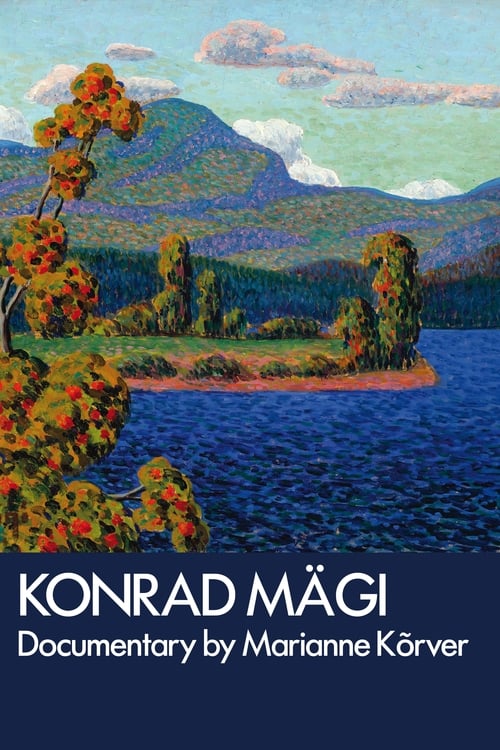
A documentary made for Konrad Mägi exhibition "The Light of the North" in Torino, Musei Reali (2019-2020), about Mägi's life and his legacy.
Documentary in which Ros Savill, former director and curator at the Wallace Collection, tells the story of some incredible and misunderstood objects - the opulent, intricate, gold-crested and often much-maligned Sevres porcelain of the 18th century. Ros brings us up close to a personal choice of Sevres masterpieces in the Wallace Collection, viewing them in intricate and intimate detail. She engages us with the beauty and brilliance in the designs, revelling in what is now often viewed as unfashionably pretty or ostentatious. These objects represent the unbelievable skills of 18th-century France, as well as the desires and demands of an autocratic regime that was heading for revolution.