A visual and acoustic reflection about perception, deception, truth and the medium of film itself. Between visibility, irritation, structure and dissolution, a space arises for one’s own vision. An experimental film that wants to be experienced.
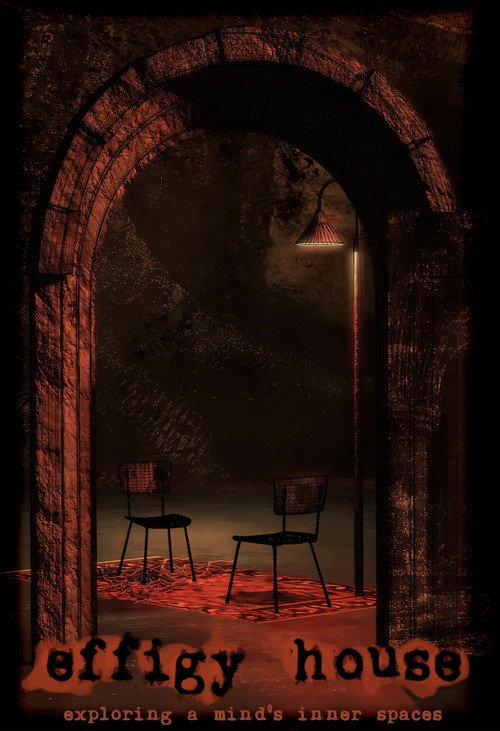
A meditative journey through the surreal inner spaces of the filmmaker's mind as passing images and thoughts overlap, yearning to coalesce into a concept.
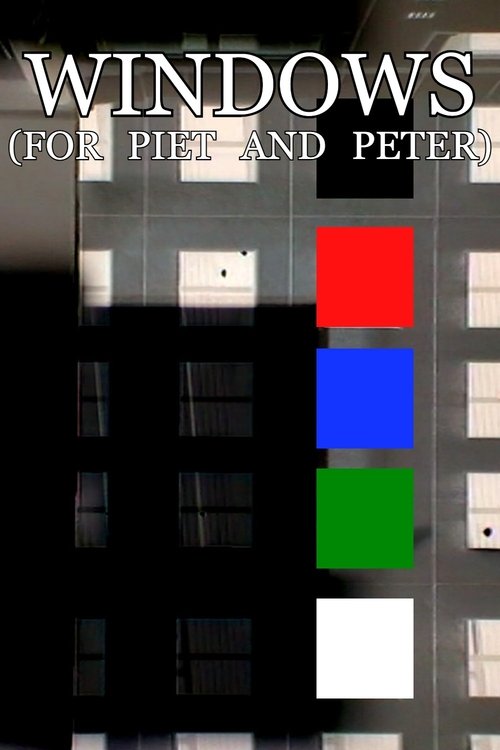
A hypnotic mise-en-abyme constructed from JVC camcorder footage of a parking garage. Produced in tribute to teacher, filmmaker and video artist Peter Rose and the work of Piet Mondrian.
Daner's mission is to get someone to the border, but he'll need the help of everyone at Benbas to do it, will they succeed?
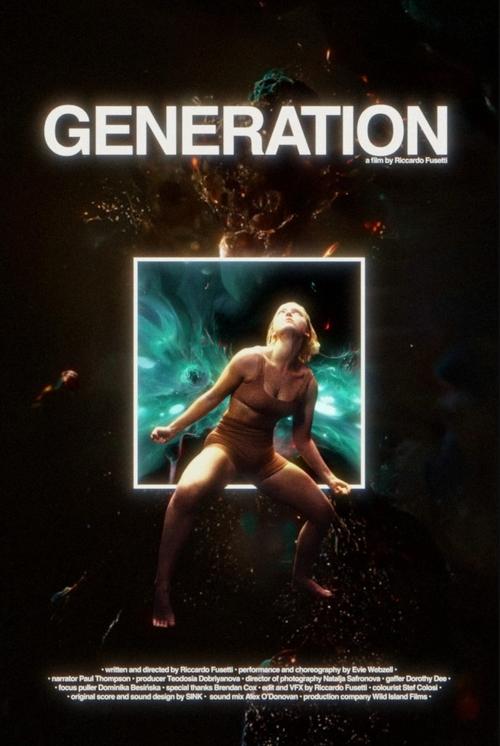
Fragments of a collective post-human dream construct a world that straddles hyper-technological, ecological, and mythological dimensions.
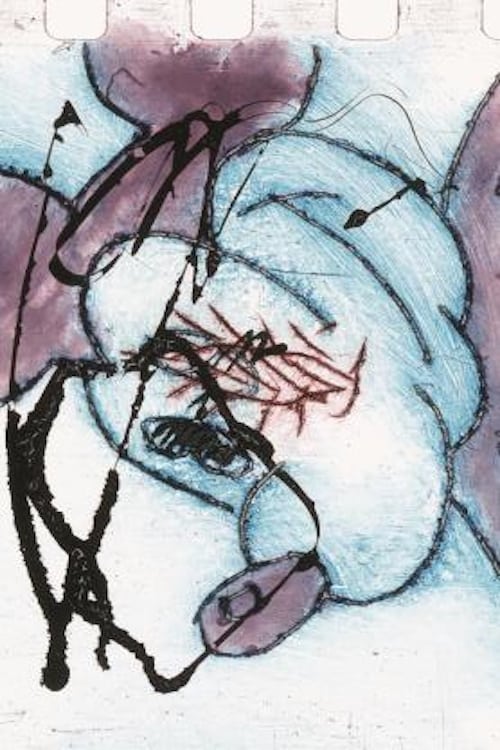
One of Rimmer's early 2000s video works which he made by hand-painting 35mm film, running it on a flatbed viewer, and shooting it off the screen with a video camera to then subject it to further manipulation.
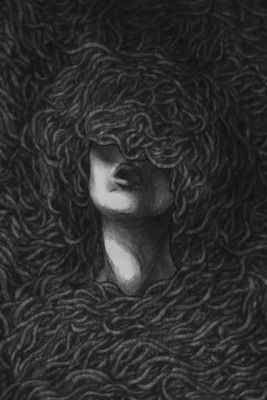
Beneath the skeleton, the flesh that rustles, turns and returns to our heads before rotting in silence. This is the story of this flesh. This surrealist narrative draws us into a darkened world of the unconscious. No matter how bizarre the spectacles we watch are, thanks to superb animation they flow smoothly and surely.
Peter Larsson’s Keyhole Conversation draws the eye down to the small gate of the camera. From there, through quivering and percussive forms of direct and stop-motion animation, the eye begins to experience the scale of an image anew. At times segueing into a flicker, but maintaining a charmed form of attention to the marks of pencils and the channels dredged in emulsion by a paintbrush, all to a curious soundtrack of pulses and bleeps.
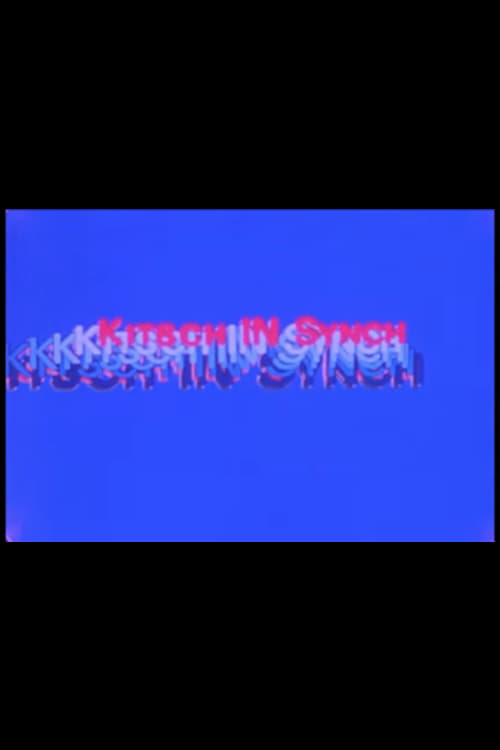
The animation, music, and optical printing of Kitsch in Synch was produced by Beckett and the students in two classes he was teaching at CalArts. Although a group project, it is clear that Beckett was the director. The playful, catchy soundtrack is used to create a cycle of building tension and release. The brightly colored shapes create approximate symmetrical formations and become more densely layered, with glimpses of iconographic objects and even live footage near the end. Preserved by the Academy Film Archive, in partnership with the iotaCenter, in 2007.
A short experimental film that thematizes dreams and nightmares in a surrealistic way. The basis of the movie is found in the poetry created by the two directors, so the film partly seems like stringed lyrical motifs, open to arbitrary interpretation, giving the impression of poetic images arranged in sequences. Combined techniques were used, so in addition to recording with a camera, pixilation, object animation, collage and liquid animation are featured.
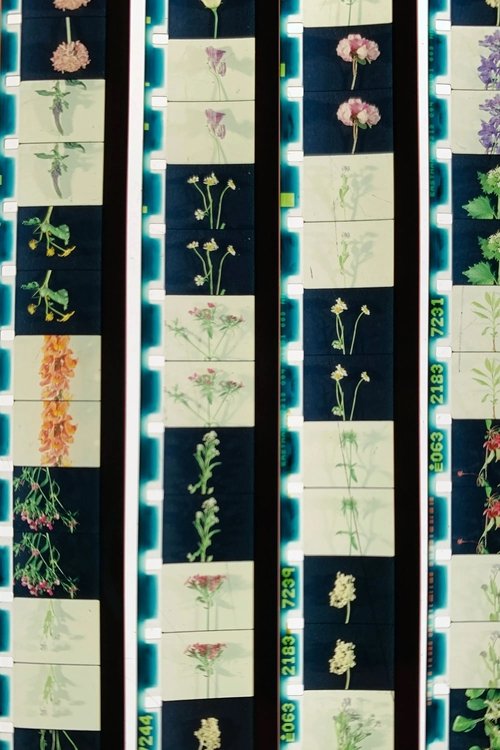
Flowers dance and transform in water, using strobe effects and superimposition. A meditation on life cycles through botanical animation, continuing Jodie Mack's material exploration.
The first feature-length animated film by Japanese stop-motion animator Shunsaku Hayashi, inspired by his experiences after the Great East Japan Earthquake of March 11, 2011.
A life, seen through paper.
This is a didactic film in disguise. A progression of brilliant geometric shapes bombard the screen to the insistent beat of drums. The filmmaker programmed a computer to coordinate a highly complex operation involving an electronic beam of light, colour filters and a camera. This animation film, without words, is designed to expose the power of the cinematic medium, and to illustrate the abstract nature of time.
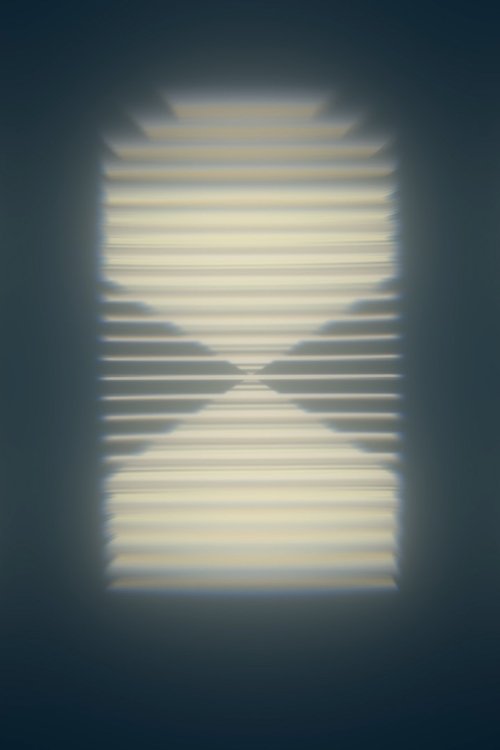
A comfortable rhythm composed of light and shadow. Director Ogino-style absolute movie which freely manipulates geometric figures.
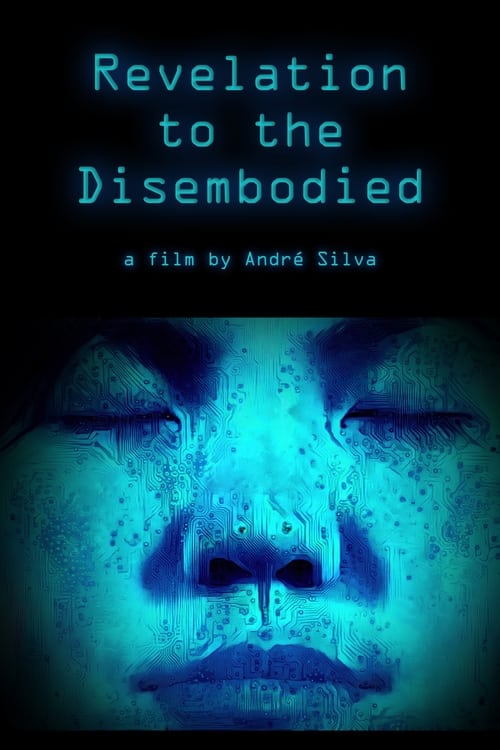
A brief journey through the human experience as seen by the eyes of an Artificial Intelligence.
Taking inspiration from 20th-century avant-garde experiments in graphical sound generation, the entire image in O/S functions as an optical soundtrack. Abstract motion becomes sound.
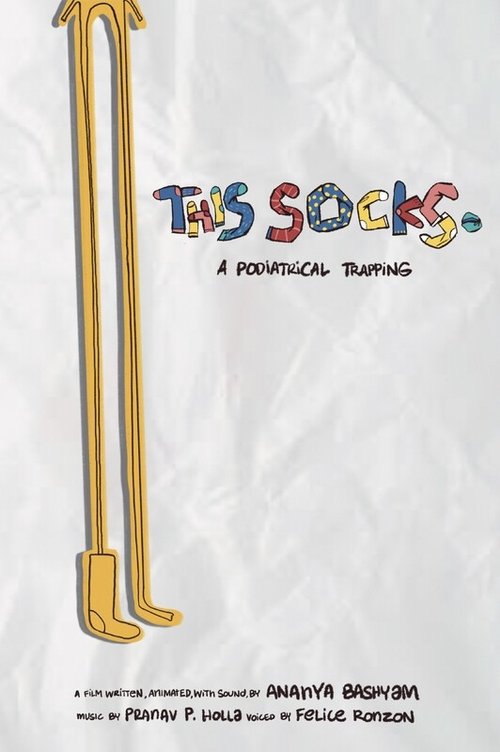
'This Socks' is a stop motion animation short film that experiments with different techniques to illustrate a common everyday annoyance.
For the multimedia exhibition Tangenten I (Tangents I), Dammbeck and co-organizer, sculptor and painter Frieder Heinze had planned to collaborate on a film that would combine non-camera animation with 35mm footage of a train ride between the two Dresden districts of Radebeul and Pieschen. When the exhibition was banned in 1978, Heinze turned to other projects, but Dammbeck continued working on the film by himself. Metamorphoses I—the first experimental film ever to be shown publicly in East Germany—marks the filmic beginning of Dammbeck’s long-term art project the Herakles-Konzept (Hercules Concept).