The life and career of screen siren, Brigitte Bardot.
Brigitte Bardot
as
Roger Vadim
Derek Malcolm
Nicolas Saada
Kirk Douglas
Jean-Louis Trintignant
Catherine Deneuve
Anita Ekberg
Anna Karina
Joan Crawford
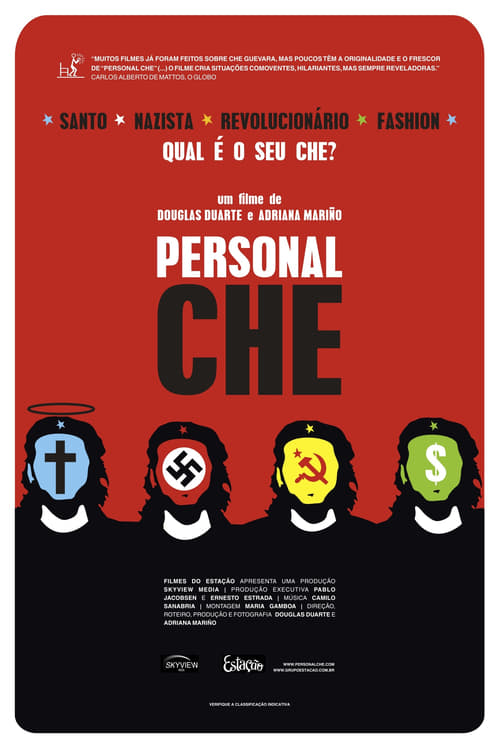
A documentary that explores the myth behind the truth. Different people around the globe reinterpret the legend of Che Guevara at will: from the rebel living in Hong Kong fighting Chinese domination, to the German neonazi preaching revolution and the Castro-hating Cuban. Their testimonies prove that the Argentinian revolutionary's historical impact reverberates still. But like with all legends, each sees what he will, in often contradictory perspectives.
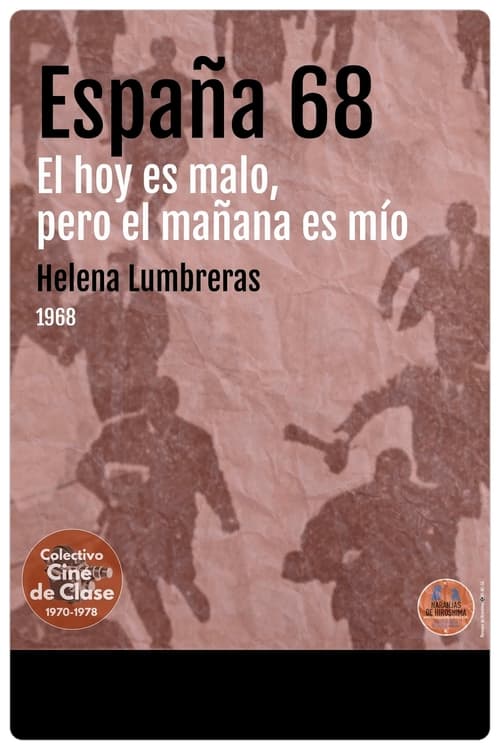
Spain, 1968. An analysis of the political and social situation of the country, suffocated by the boot of General Franco's tyrannical regime. (Filmed clandestinely in Madrid and Barcelona during the spring of 1968.)
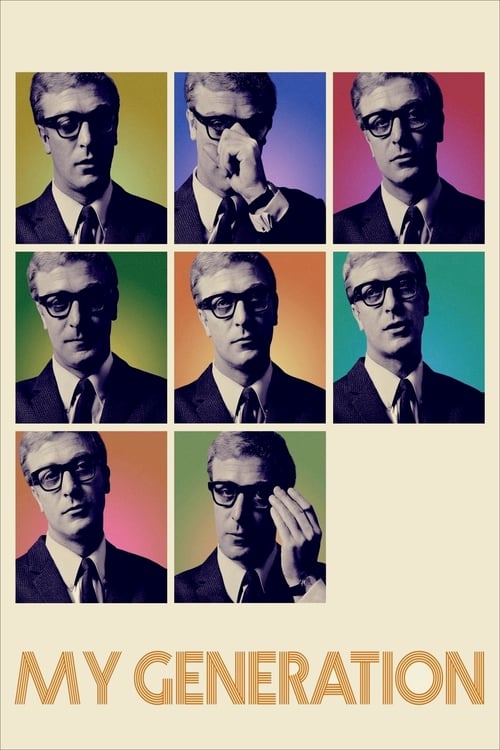
The vivid and inspiring story of British film icon Michael Caine's personal journey through 1960s swinging London.
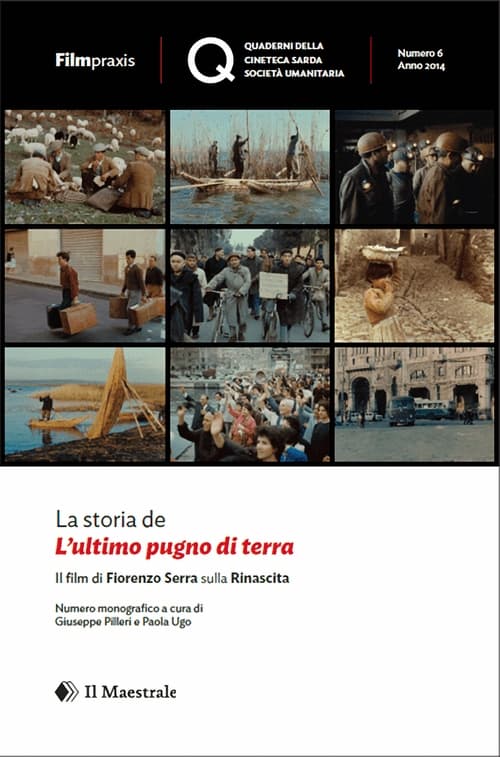
'L'ultimo pugno di terra' (The Last Fistful of Land) is a 1966 documentary film directed by Fiorenzo Serra about the anguish and instability of the lower classes in a destitute Sardinia. Originally commissioned by the Sardinian regional government as a celebratory piece on the 'miraculous' effects of the 'Piano di Rinascita della Sardegna' (Sardinia's Rebirth Plan), the film instead shows an island still 'standing still in time', barely affected by the painful oxymoron of the inevitable changes taking place.
A found footage / object film: the colorful 1960s in Italy, a joyful time, live-giving coating of born-again found images, re-animated, examined, reviewed in a past time, revisited.
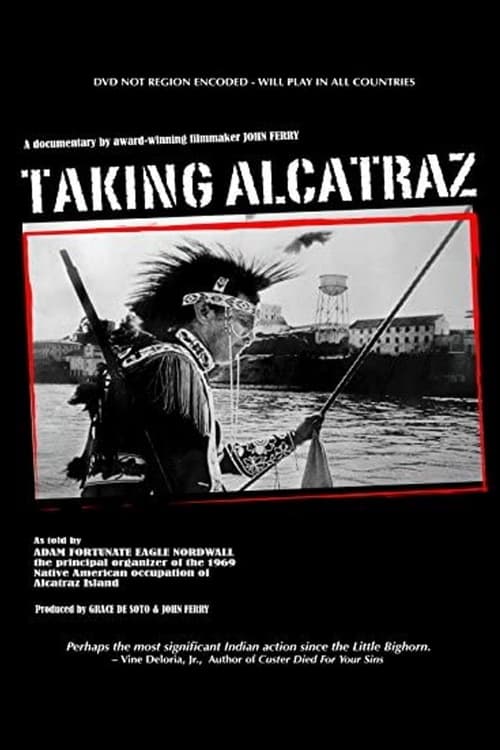
A documentary account by award-winning filmmaker John Ferry of the events that led up to the 1969 Native American occupation of Alcatraz Island as told by principal organizer, Adam Fortunate Eagle. The story unfolds through Fortunate Eagle's remembrances, archival newsreel footage and photographs.
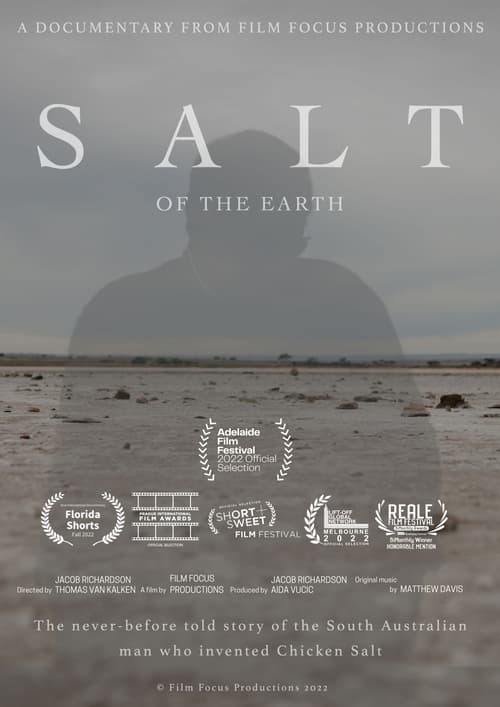
An Australian icon found on every supermarket shelf, and coating every game day pack of hot chips. But the story of the South Australian man who invented the famous Chicken Salt has never been told. While he sold the company in the late 70’s to the brand names you see in your cupboard today, he maintains that the original recipe, held secret for more than 40 years, tastes even better.
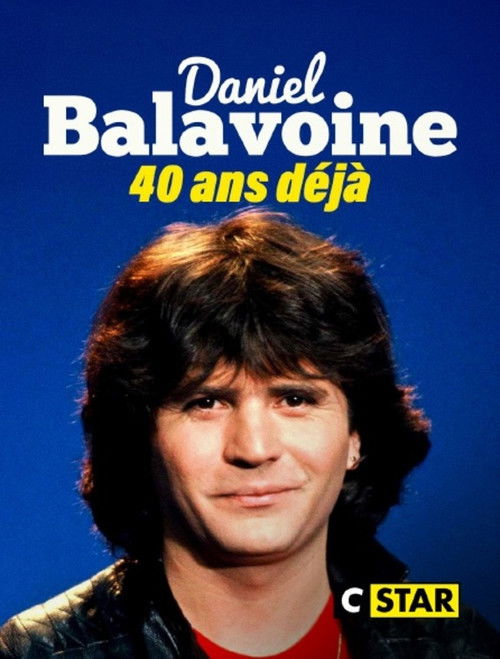
Through Daniel Balavoine's greatest songs, which have become cult classics, this documentary traces the dazzling career of a free-spirited singer, driven by an urgent need to speak out, denounce injustice, and love, whose lyrics continue to touch several generations. Rare archives, testimonials from those who knew him, expert analysis and insights from today's musicians highlight the enduring modernity of his work and examine the legacy he left to French music.
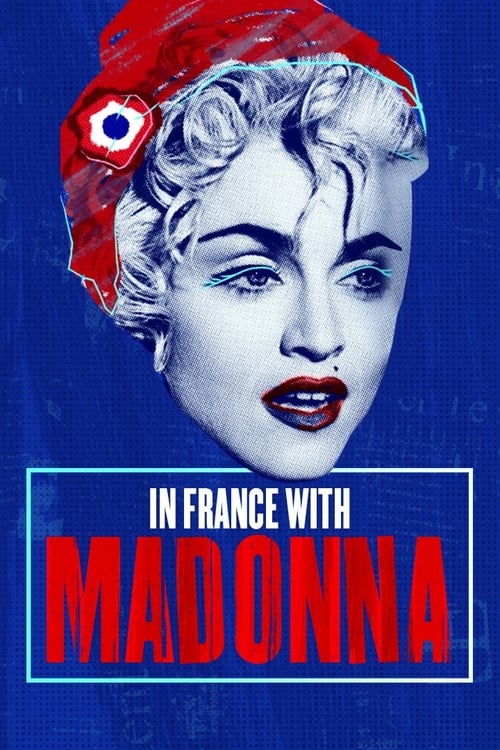
France is at the heart of Madonna's life. She is inspired by French culture and its values and has surrounded herself with French artists for many years. To celebrate the 40th anniversary of the Queen of Pop's career, this film revisits the close and unique bond between Madonna and France and features testimonials from close collaborators and French friends who have helped create her unique artistic universe: Maripol, Jean Paul Gaultier, Julien d'Ys, Nicolas Huchard, and Marion Motin. Today's artists such as Florence Foresti, Leïla Slimani, Victor Weinsanto and HollySiz talk about the influence of this emancipating figure, which extends far beyond music.
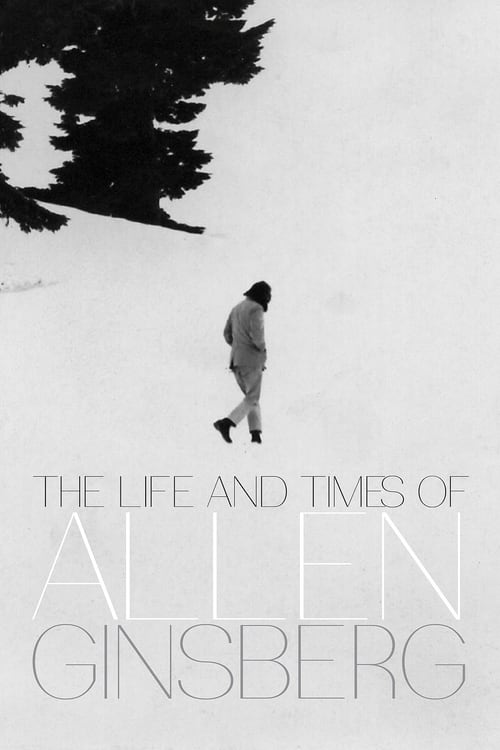
Visionary, radical, spiritual seeker, renowned poet, founding member of a major literary movement, champion of human rights, Buddhist, political activist and teacher. Extensive archival footage, interviews, and home movies cover Allen Ginsberg's life, activism, and influence on American culture through the Beat era, the 1960s, and beyond.
1967 Navy training film MN-10507-A. Navy physician talks about the dangers of LSD or "Russian roulette in a sugar cube." National Archives Identifier: 6379 "How LSD was discovered, the extreme dangers of using it and how it affects the brain and body."
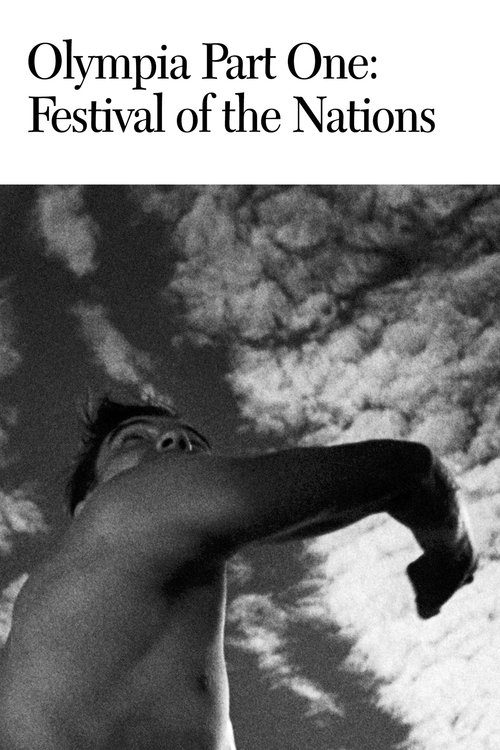
Starting with a long and lyrical overture, evoking the origins of the Olympic Games in ancient Greece, Riefenstahl covers twenty-one athletic events in the first half of this two-part love letter to the human body and spirit, culminating with the marathon, where Jesse Owens became the first track and field athlete to win four gold medals in a single Olympics.
In 1972, officer Frank Serpico exposes the corruption which poisons the roots of the NYPD and becomes famous in 1973 when director Sidney Lumet tells his story in the classic film “Serpico,” starring Al Pacino.
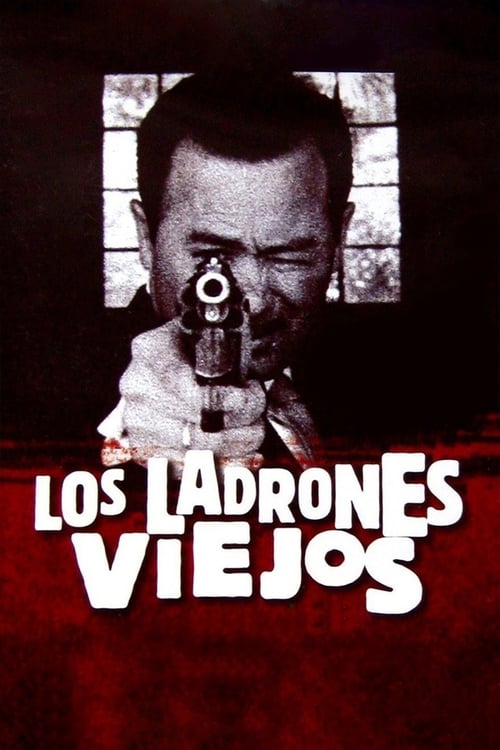
Is the story of a generation of thieves who achieved their greatest victories in the sixties; their distinctive code of ethics, the various categories of delinquents inhabiting the citys streets, their alliances with high ranking police officials that allowed them to operate, the betrayals that followed, and the price they ended up paying.
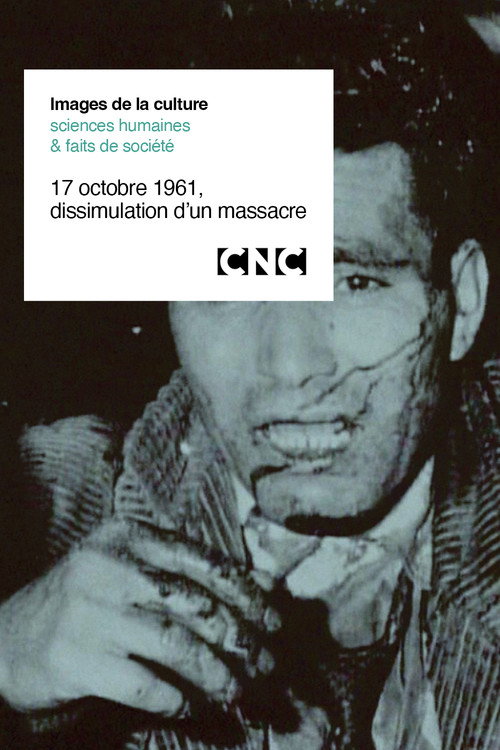
On October 17 and 18, 1961, during a non-violent demonstration against the imposed curfew, dozens of Algerians were murdered in Paris by police officers acting on orders from their superiors. For forty years, this crime has been concealed; yet these events, the deadliest on French soil since the Second World War, resemble, in some respects, the darkest hours of the collaboration. Why has this history been hidden? Under what conditions, and in the name of what reasons, did officials of a democratic state conceal the scale and gravity of such events?
Beyond the sensationalized stories dominating the news, real people share their unfiltered experiences of life in San Francisco, a city far more complex and human than any headline can capture.