In 1960s Bremerton, 13-year-old Emmett LeClair navigates adolescence and rebellion against the backdrop of the Vietnam War. His experiences blend humor with poignant moments, including a visit from his cousin on leave from combat.
Brecken Merrill
as Emmett LeClair
Tony Doupe
as Alton LeClair

Dalton Baker
as Bill Covis
Kristi Phillips
as Betty LeClair
Aspyn Schuster
as Shay LeClair
Drama based on the true life of a group of middle class and members of the Communist Party of Spain, who were involved in clandestine political activities during the sixties.
In 1960s New York, Walter Stackhouse is a rich, successful architect and unhappily married to the beautiful but damaged Clara. His desire to be free of her feeds his obsession with Kimmel, a man suspected of brutally murdering his own wife. When Walter and Kimmel's lives become dangerously intertwined, a ruthless police detective becomes convinced he has found the murderer. But as the lines blur between innocence and intent, who, in fact, is the real killer?
Shozo Hirono has managed to separate from the Yamamori family and create his own small family, and extend his circle of acquaintances. These new friendships include a powerful underboss of the Muraoka family, Noboru Uchimoto.
As Japan gears up for the 1964 Olympic Games, the cops start to crack down on the gangs, under pressure from the public and the press, adding a new dimension in the war for power among the yakuza families of Hiroshima.
Young Nigel Slater has big culinary aspirations, even though all his mother knows how to make is toast. When his mother dies, relations grow strained between Nigel and his father, especially when he remarries a woman who wins his heart with a lemon meringue pie. Nigel enters culinary school, starts working in a pub, and finds himself competing with his stepmother - both in the kitchen and for his father's attention.
Cándida marries a widowed millionaire. She is in full exercise of being the housewife, when her husband's daughter arrives, with the company of Amelita Vargas with 2 purposes: to find out what her father is hiding and that she marry him..
This 16mm short film is an homage to the campy beach movies of the 1960s, set within a late 90s time capsule. Shot in 1998 and completed in 2025, the music-driven film features performances by DC and Boston indie rock legends The Make Up, Victory At Sea, and The Wicked Farleys. The film follows Greg and Lesley as they enjoy a summer’s day at the beach. After they befriend a group of locals, their day takes an unexpected turn when everyone gets hungry…
Mississippi in the early '60s is the setting for this story of a 12-year-old African-American girl who, along with her white friends, tries to ease increasing racial tensions.
In 1960s South Vietnam, an eight-year-old boy finds refuge in his family's cinema, drawing hope from the films he watches as he comes of age amid a divisive war.
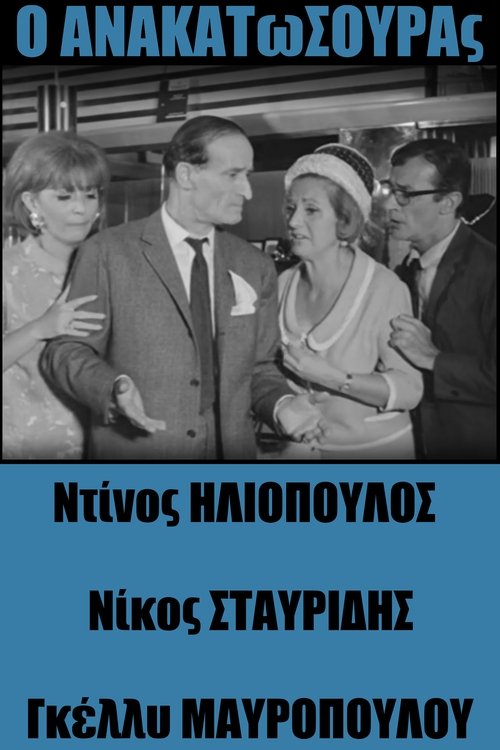
A poor accountant, in order to raise money for his marriage, finds a second job in a luxury hotel where he accepts to change his name and life with a rich playboy who wants to try if women want him for his money .
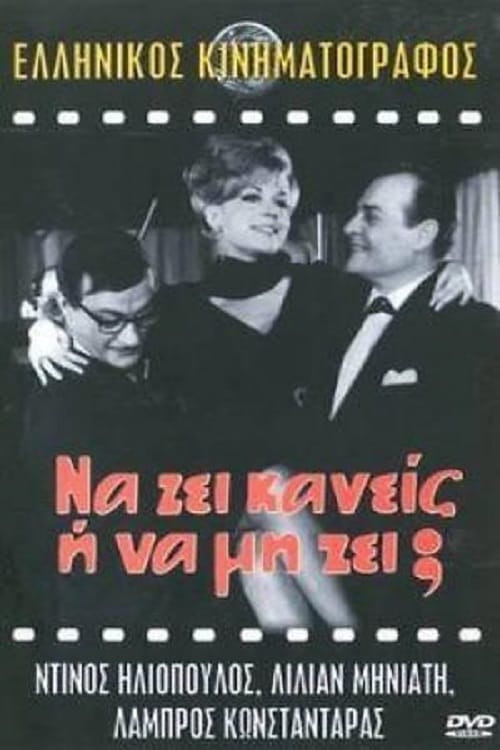
Lampros is a scrooge person whining for every penny he spends. One day though, along with a friend, he goes out to party with unexpected results...
Young Guy (Kayama) competes in an electric guitar competition and plays American-style football.
A dramatization of the 1968 strike at the Ford Dagenham car plant, where female workers walked out in protest against sexual discrimination.
A 17-year-old boy becomes friends with Billy Magic, the radio DJ he idolizes, and eventually slips into the payola and corruption of the entertainment world.
Fueled by an impoverished childhood, George Foreman channeled his anger into becoming an Olympic Gold medalist and World Heavyweight Champion, followed by a near-death experience that took him from the boxing ring to the pulpit. But when he sees his community struggling spiritually and financially, Foreman returns to the ring and makes history by reclaiming his title, becoming the oldest and most improbable World Heavyweight Boxing Champion ever.
This documentary bears witness to the events that took place more than thirty years before the filming of this movie, on October 17, 1961, in Paris, during the Algerian War. It is a work not only about historical truth but also about memory. Constructed primarily from interviews conducted with those involved in the events, along with archival footage, photographs, and radio broadcasts from the time, our investigation proves that nearly 200 Algerians were killed (drowned, tortured) that night and in the days that followed by the French police. "A Missing Day" seeks to ask two key questions: how could such events have unfolded in the capital of a Western democracy barely thirty years ago? And why have they been silenced ever since?
Capturing the dark humor of Czech author Michal Viewegh's chronicle of life after the Velvet Revolution, this black comedy chronicles three decades in the life of a small Czech family. While the original novel centered on the protagonist Kvido from his conception through his adulthood, first time director Petr Nikolaev and screenwriter Jan Novak changed the focus to his parents Milena, an extremely self-effacing lawyer who acts on stage in her spare time, and Ales, a rather aimless government worker who tends to drift wherever the wind takes him. The lives of Ales and Milena change dramatically following the Russian invasion of Prague in 1968.
Summer 1968. 14-year-old Wolfgang is deported from his family in the secluded Church Welfare Institution sanctuary. One thing is clear for Wolfgang: His yearning for freedom, he will not soon buried in the bog.
Three demonstrators from October 17, 1961, and a journalist recount the peaceful success of the demonstration and its brutal repression in the streets of Paris. Five months before the end of the Algerian War, the Gaullist government violently suppressed (40 to 300 deaths in a single evening, according to various sources) a peaceful demonstration by the entire Algerian civilian population of the Paris region, protesting the curfew imposed solely on this population (all participants held French citizenship). The government long denied this state crime; the official version: 3 deaths! In 1962, these events were granted amnesty by a simple decree (later enacted into law) issued by the same Gaullist government.