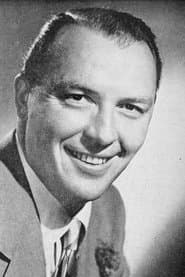
National Press Club hears a speech from Alfred Hitchcock.
Ed Herlihy
as Self - Narrator (voice)
Alfred Hitchcock
as Self
Dr. Jim Bednarz and Brooke Prater, the two leads of the UNT American Kestrel Project, seek to find out why the widespread raptor is on the decline.
We get to know a few inhabitants of central European rivers.
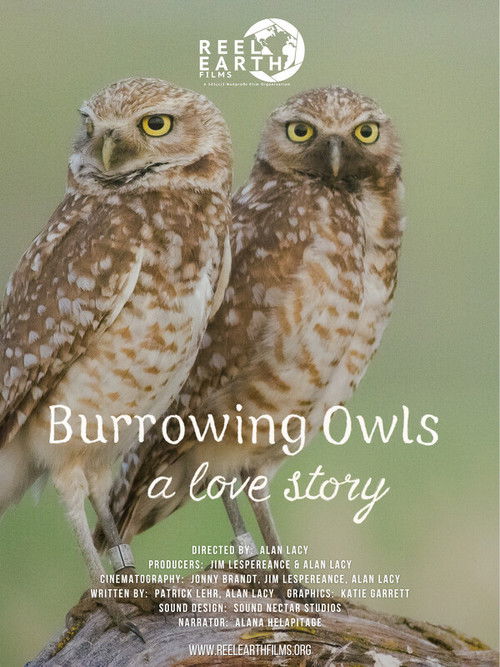
For centuries, the mysterious nighttime lives and uncanny hunting skills of owls have made them fascinating hallmarks of children's stories and folk tales the world over. But what actually makes owls so special? Bird trainers Lloyd and Rose Buck and their very special family of owls, eagles, falcons, geese, pigeons, and two newly-hatched barn owls - Luna and Lily - provide a rare opportunity to learn more about these unique birds. Using the latest in camera technology, computer graphics, x-rays and super-sensitive microphones, we can take a brand new look at owls in more detail than ever before. The real stories behind how they hunt, how their vision and hearing works, and how they fly so silently are influencing 21st century technology and design.
A lengthy and detailed examination of the making of the 2012 film Rust and Bone, directed by Jacques Audiard and starring Marion Cotillard and Matthias Schoenaerts, with raw on-set footage, intimate details behind the technical aspects of the shoot including the extensive special effects, the process of shooting various scenes, the inherent challenges in making the movie, and more. The making of was an extra on the Blu-Ray.
This intimate portrait film follows master falconer Rodney Stotts on his mission to build a bird sanctuary and to provide access to nature for his stressed community. The Falconer weaves his present-day mission with the story of his past, both of which are deeply rooted in issues of social and environmental injustice. Stotts’s worldview in a nutshell: nature heals. In a forgotten corner of our nation’s capital, he takes the time to break through to those too often dismissed as “hard to reach.” This is a story of second chances: for injured birds of prey, for an abandoned plot of land, for a group of teenagers who have dropped out of high school, and for the falconer himself.
Documentary discussing the many songs featured in the James Bond films
A brand new retrospective documentary produced by Ballyhoo Motion Pictures and featuring interviews with writer Nick Castle, cinematographer Dean Cundey, composer Alan Howarth, production designer Joe Alves, special visual effects artist/model maker Gene Rizzardi, production assistant David De Coteau, photographer Kim Gottleib-Walker, Carpenter biographer John Muir, visual effects historian Justin Humphreys, and music historian Daniel Schweiger.
A documentary about the third series of Red Dwarf (1989).
National Geographic Explorer takes an up close look at owls. It follows nature expert Fergus Beeley as he looks into why owls make such ideal nocturnal birds of prey. He also examines the fossil records to reveal that owls have been polishing their predatory skills for over 40 million years.
Throughout the centuries the quetzal has survived from its mythological symbolism in the Mexica and Maya pantheons to the fragile species that inhabit the cloud forests of Mesoamerica and Central America. Guatemalan photographer Ricky López studies the most important and mythological bird.
Film noir expert Eddie Muller and others discuss the classic film Trapped.
A mockumentary about four people and their idiosyncratic ways of saving the planet.
A question-and-answer session featuring the director, producer, and stars of the indie comedy hit "Clerks".
This film documents the yearly cycle of the great blue heron, its migration from Central America and the West Indies to the St. Lawrence River in Québec, and the breeding and rearing of its young. Outstanding footage shot by the filmmaker perched high in a tree affords close-ups of the birds' intricate courtship rituals. A sensitive, beautifully photographed nature film with much to tell us of ecology and wildlife.
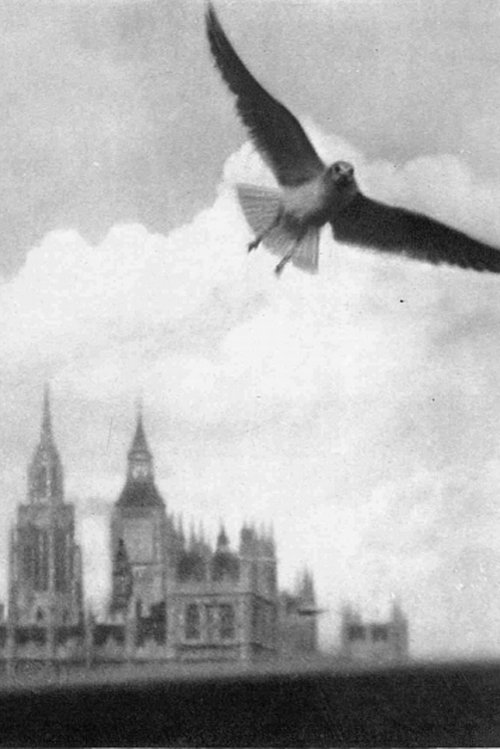
Arne Sucksdorff’s short documentary observes gulls raiding nests and stealing eggs with ruthless persistence. Though presented as pure nature study, the film was widely read as an allegory of Nazism—a symbolic parable of predation and violence during wartime. Sucksdorff himself denied such intent, but remarked that “a film that is not open to interpretation is a dead film.”
A record from the 1948 Arnhem Land Expedition lead by anthropologist Charles P Mountford that explores the abundant birdlife and waterways of Arnhem Land in the Northern Territory of Australia. Thousands of birds, both native to Australia and from around the world, find sanctuary in the billabongs of Arnhem Land, feeding on the fish, insects and flowers that flourish there. Apart from their beauty, the birds serve the useful purpose of helping to keep the balance of nature in the wilderness areas of Australia’s far north. Close photography makes it possible for some of the more interesting birds to be carefully studied. The film’s soundtrack is perhaps the most unique ever recorded, bringing us the thrilling sound of the voices of thousands of birds breaking the quiet of the virgin bush.
They hammer, drum and construct – meet the master builders and percussionists of the bird world – and their tenants, like tits, pigeons and squirrels!