Constanza Ambrosetti
as Connie
Julia Castillo
as Julita
Pablo Molina Sarati
as Pable
Valentina Rocio Fiore
as Mick Jagger
Julieta Trejo
as Norman Hugo
Delfina Varela
as Delfa
rojaio
as Rojaio Cantante
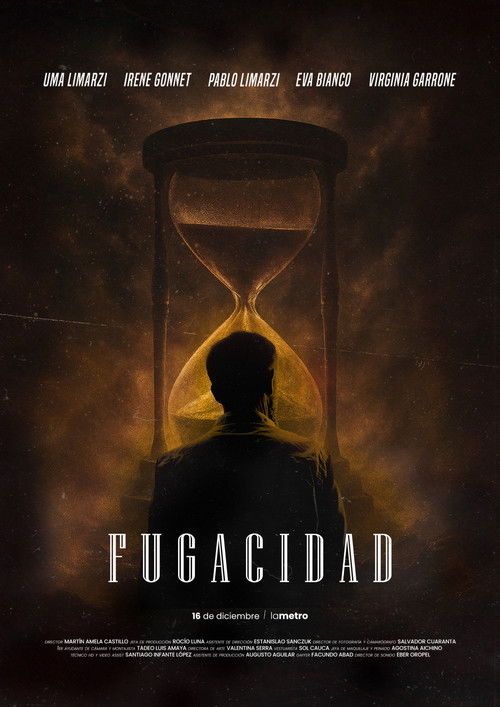
Remembering his old memories, he will leave a photograph in every place where he was happy.
In Argentina, almost all adopted children are under 5 years of old. Luis and Valeria open the doors of their home and tell us their family story. A true story full of obstacles, fears and love about paths that connect and people who meet by chance.
Buenos Aires, 1994. Memé Tizou is a famous vedette whose name shines brightly on the marquee of Corrientes Avenue, at least until the show’s producer, Armando, announces the decision to hire a younger woman. This decision leaves Memé confronted with a challenging question: what is she capable of doing to prove her place belongs on stage?
Documentary about the history and present of Argentine horror cinema.
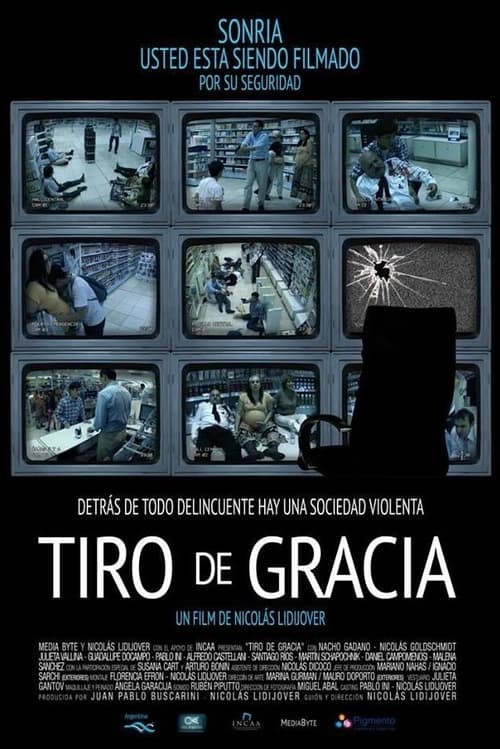
A hostage situation gone bad. Jesús, an amateur thief, holds prisoner a group of clients, but nothing is what it seems. How far are we willing to go to survive?
Sebastian, a man in his thirties, works a series of temporary jobs and embraces love at every opportunity. He transforms, through a series of short encounters, as the world flirts with possible apocalypse.
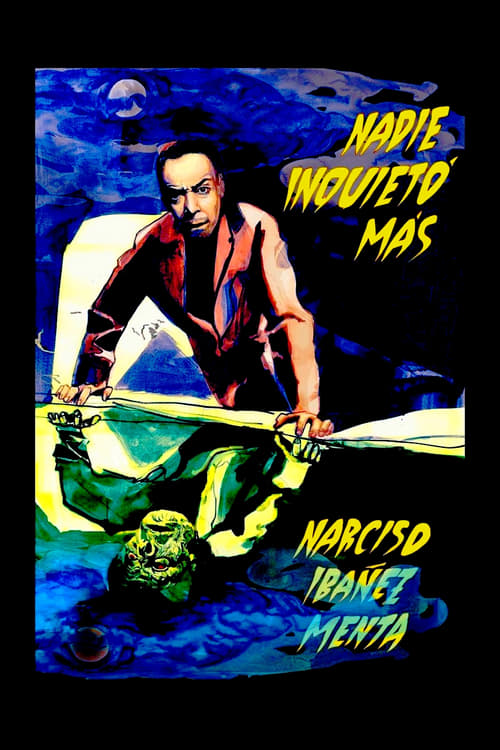
A peculiar, meticulous, vocationally archeological account of the professional life of the actor, Spanish by birth, Argentinean by adoption, Narciso Ibañez Menta (1912-2004), spiritual disciple of Lon Chaney, the new man of a thousand faces, master of horror, star of Argentinean theater, cinema and television for decades.
Experimental documentary short starring Batato Barea and Peter Pank, filmed in July 1991
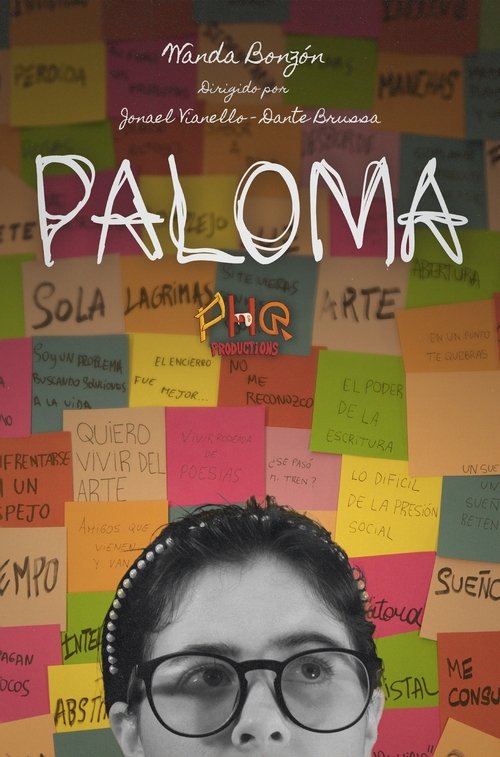
Paloma is a young adult who finds herself living in automatic mode, following every imposed social norm, already working in an office and living alone in a studio apartment. Her daily life passes fleetingly and with little taste, until one night, after a long day of work, she receives an email titled FOR MY FUTURE SELF, which prompts her to change her life.
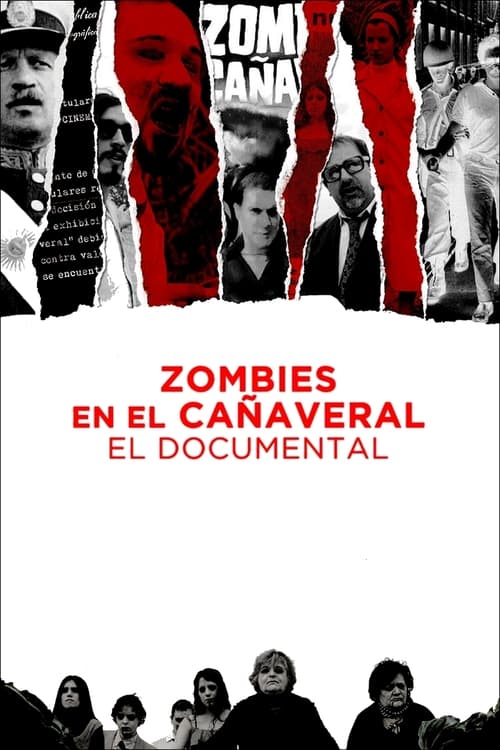
Tucumán, Argentina, 1965. Three years before George A. Romero's Night of the Living Dead was released, director Ofelio Linares Montt shot Zombies in the Sugar Cane Field, which turned out to be both a horror film and a political statement. It was a success in the US, but could not be shown in Argentina due to Juan Carlos Onganía's dictatorship, and was eventually lost. Writer and researcher Luciano Saracino embarks on the search for the origins of this cursed work.
Under the relentless sun, a killer stalks through the mountains, where the innocence of a young couple becomes prey. With no shadows to hide their fate, the hunt is a macabre game in broad daylight, where fear is not hidden in the darkness, but burns with the rawness of the unperturbed noon.
Deep in the forest a group of five friends wander around like a lion herd. Lost in their word games, they play and seduce each other while going back and forth into adulthood territory, in a desperate search to avoid their already written story.
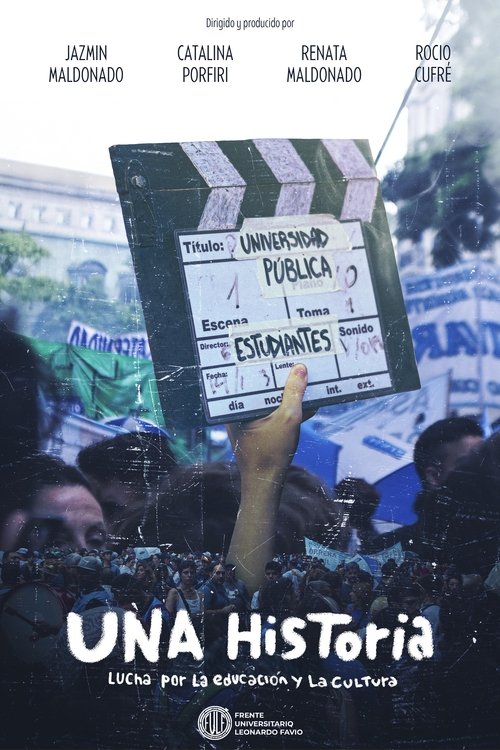
Through archival footage and testimonies from professors, students, staff, and graduates, the documentary traces the history of the National University of Arts, focusing on the Audiovisual Department, while critically addressing the impact of the current government's underfunding of education and cultural institutions in Argentina.
Out of work, Diego has only one goal: to return to live in the Capital no matter the cost. After leaving his family in Delta del Tigre, he becomes an obsessive salesman inside a building's showroom: a perfect model that will lead him to experience absurd situations on the verge of madness.