Alireza Kamali
as شیبه
Keikavoos Yakideh
as ابو بصیر
Shahrzad Kamalzadeh
as هلاله
Hossein Soleimani
as ابن سهیل
Anoshirvan Arjmand
as حافظ
Habib Dehghan Nasab
as عامر

Ronak Younesi
as نسیمه
Since Jahaan only has a few months left to live, his brother Bahman organizes a get-together with his closest friends at Jahaan's farmhouse up north to celebrate what will likely be his final birthday.
A young taxi driver who is a happy man encounters lots of different stories through his daily life. One day, he is driving a young American woman and he enters an unusual and protracted adventure which he should follow to the end. The American woman has lost the address she is going to refer and it is almost impossible to reach her relatives. The young driver believes that he should help the woman until she finds her relatives and this issue causes many problems between him and his fiancee. He also has other problems regarding the American woman and his unusual friend.
"Don't go out on the night of the Ghost Festival." A warning that all children with Chinese mothers are all too familiar with. 18-year-old Ming feels like the only weirdo in the small German town. On this midsummer night, after a disastrous party, she stumbles upon strange beings... In this surreal moment, she realizes who she truly is.
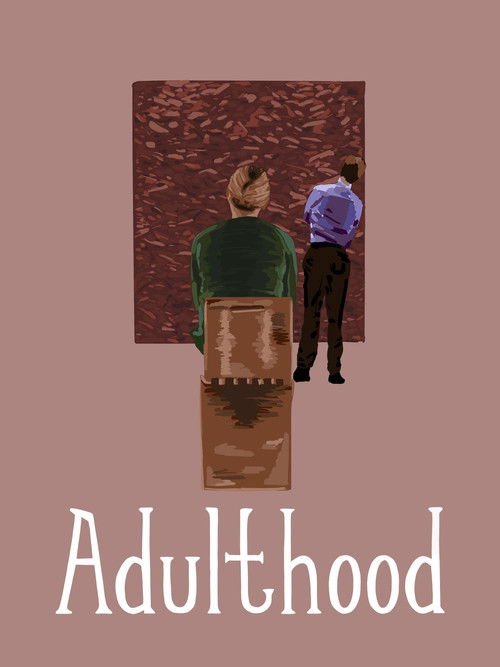
Made over 15 years, Adulthood is a feature composed of six short films, each chapter following a couple as they grow older without necessarily growing up.
When fate brings two friends anxiously awaiting the uncertain future together, a life-altering conversation will change how they remember the past.
Facing a turning point in her life, a woman with a congenital heart defect embarks on a journey to train for a stage of the Tour de France.
Struggling with life in Tokyo after a run-in with the law, Seita attempts to settle down in rural and snowy Ikeda.
Bea can’t breathe when her girlfriend’s away.
In 1999, Dafne must juggle school, ballet rehearsals, a nascent romance and the everyday rhythms of youth, all while living with the underlying fear and grief that her mother's leukemia casts over everything.
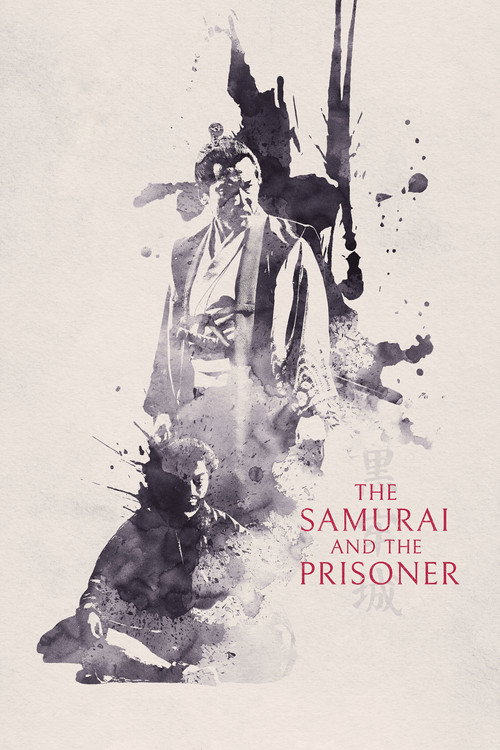
When Lord Murashige rises up against the tyrannical Oda, he finds himself besieged within the walls of his own castle. Isolated, he is confronted with a series of mysterious crimes that shatter the fragile order of his court, plunging the fortress into fear and suspicion. With Oda's army closing in and a traitor hiding among his ranks, Murashige is forced into an uneasy alliance with Kanbei, a brilliant and dangerous strategist held prisoner in the dungeon, as he must outwit his enemies and uncover the truth before time runs out.
In rural Taiwan, during her mother’s funeral, A-Hsien, the eldest daughter, grapples with grief, resentment, and the quiet burden of tradition. As patriarchal rituals unfold, a silent resistance emerges, unsettling the roles she was expected to fulfill.
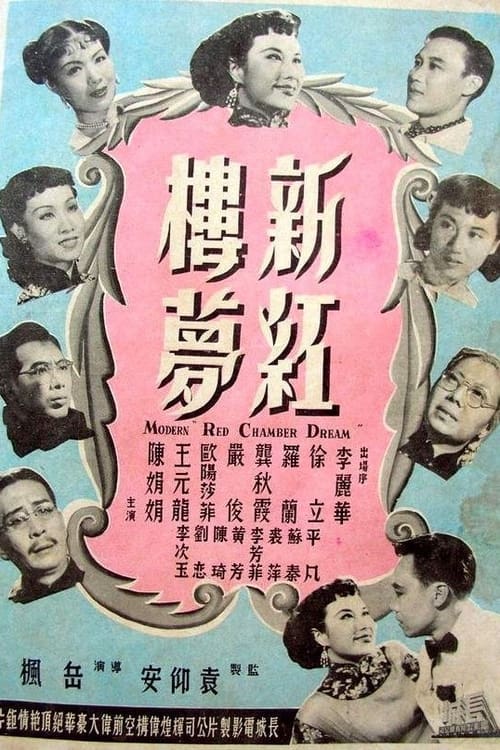
Dream of the Red Chamber, one of the big four of classic Chinese novels, has been adapted for film and television dozens of times over the past decades. Yet this sui generis Great Wall production daringly transposes the setting to modern-day 1950s. The contemporised story revolves nonetheless around the love triangle between Jia Baoyu and his two cousins. Both girls love him but his heart belongs to only one. The ending, however, is remarkably changed to separation of the lovers as a result of war—the war that was surely still haunting the minds of the filmmakers at the time when the film was made. Not only did Great Wall pour money into building extravagant sets just so to recreate down to the smallest detail the grandeur of the legendary Jia mansion, but the film also boasted of its lavish costume designs for the diverse female cast. (From Hong Kong Film Archive)