Erik Wells interviews his parents about growing up in two very different parts of Nebraska. Also, runzas.
Kari Wells
as Self
Patrick Wells
Cameron Wells
Dan Wells
as Self (archive footage)
A bus stop on an industrial highway in New Jersey becomes the focus of a timely and intimate examination of marginalized lives in America. 'The #1 Bus Chronicles' interweaves portraits of the lives, pursuits, trials, and dreams of the riders of New Jersey Transit's #1 bus line, taking us into their workplaces, homes, and day-to-day lives.
Four older gay couples discuss their relationships, civil partnerships and their views on multiple topics such as spirituality, religion, love, gay rights, etc.
With over two hours of footage covering the band's 10 year history, "All Access" provides an insightful and entertaining glimpse into their rise to stardom. It includes never-before-seen historical footage from the band's personal archives, as well as backstage footage, live performances, and unforgettable music videos.
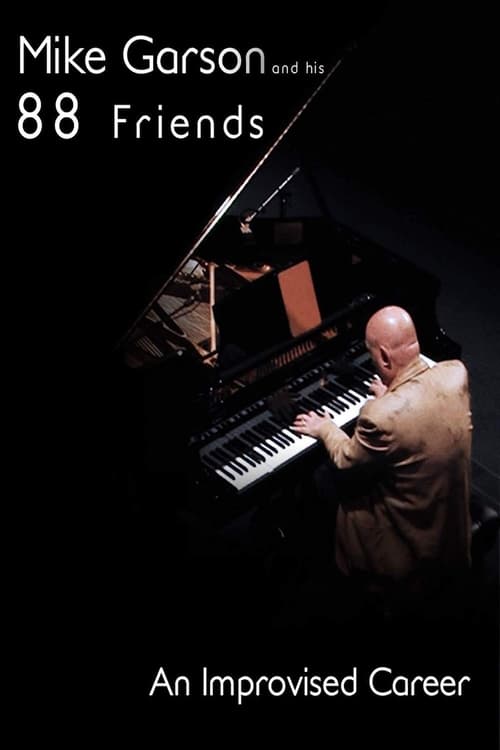
An intimate documentary portrait of world-class improvisational and traditional pianist Mike Garson as he tours, performs, and teaches.
Martin Bashir conducts a rare interview with Michael Jackson and is given unprecedented access to the reclusive performer's private life over a span of eight months, from May 2002 to January 2003.
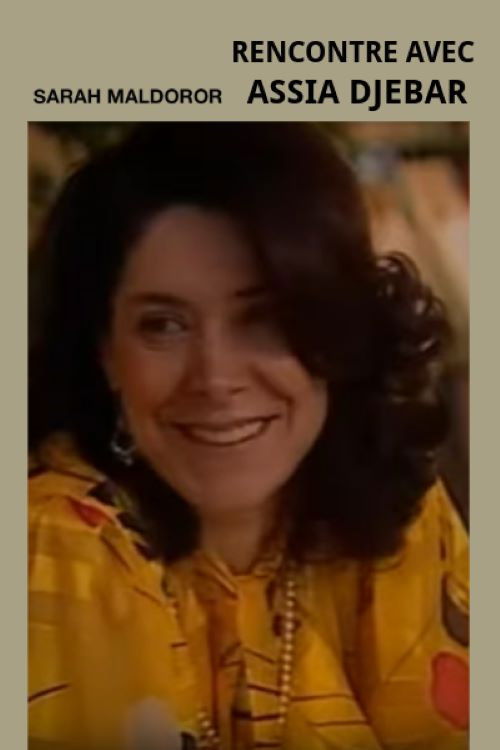
For the France 3 show, Mosaïque, Sarah Maldoror met Assia Djebar on Sunday March 29, 1987 on the occasion of the publication of her book Ombre Sultane. She discusses the status of the traditional woman in the Arab Muslim world: "The woman is always on the move, she is never anchored. To the extent that she is always in the process of repudiation, she is in the process of leaving. With Ombre Sultana, I wanted to make the reader feel that these women from elsewhere are like her, even if the reader is Western.
The true story of a young teenage girl whose mother is incarcerated for murder. Living in a Catholic Children's home run by an order of nuns, she provides poignant commentary about her mother, her own situation and her outlook for the future.
A powerful feature documentary about child sexploitation, an epidemic happening in every country around the world. Filmed over a four year period, REDLIGHT focuses on the personal stories of young Cambodian victims and two remarkable advocates for change: grass-roots activist Somaly Mam and politician Mu Sochua. Using gritty footage smuggled out of brothels and harrowing testimonials, REDLIGHT follows the plight of several current and former child sex slaves. Some are trying to regain entry into Cambodian society to find some semblance of normality after their horrific experiences. Other stories highlight the plight of victims who are attempting to bring the perpetrators to justice. Their torturous yet ultimately heroic battles to find witnesses and take brothel owners to court are dramatically brought to life in this topical and moving feature documentary.
The Abnormal Beauty Company offers a raw, rare glimpse into the meteoric rise of The Ordinary, the price of transparency, and the enduring legacy of one of the world’s most disruptive skincare brands and the enduring legacy of its troubled, genius founder.
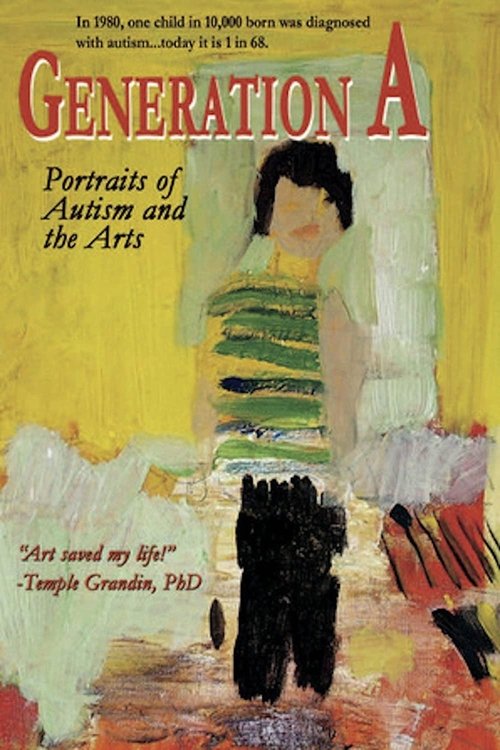
A documentary about young people with autism, and how arts and creative therapies help them to lead fuller lives.
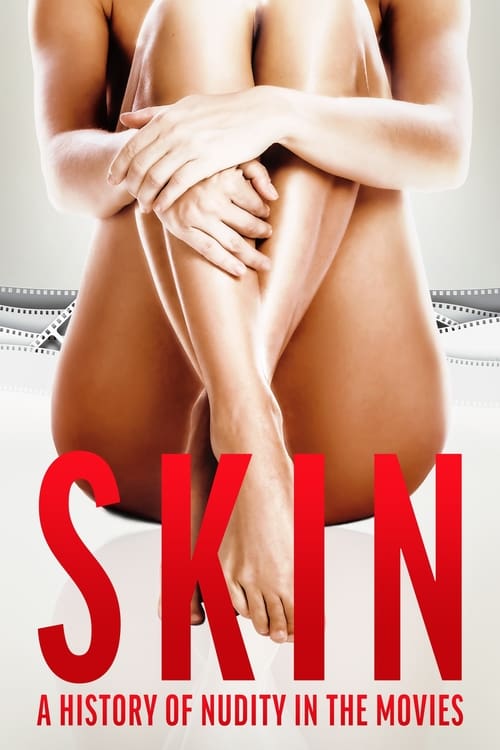
The definitive documentary on the history of nudity in feature films from the early silent days to the present, studying the changes in morality that led to the use of nudity in films while emphasizing the political, sociological and artistic changes that shaped that history. Skin will also study the gender inequality in presenting nude images in motion pictures and will follow the revolution that has created nude gender equality in feature films today.
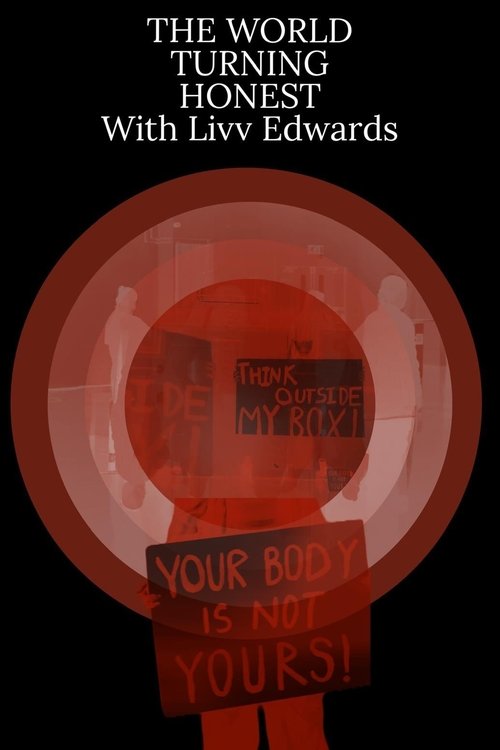
Interview with multi-disciplinary artist Liv Edwards discussing her work The World Turning Honest which focuses on Women's reproductive rights, delving in to the process of creating this installation work
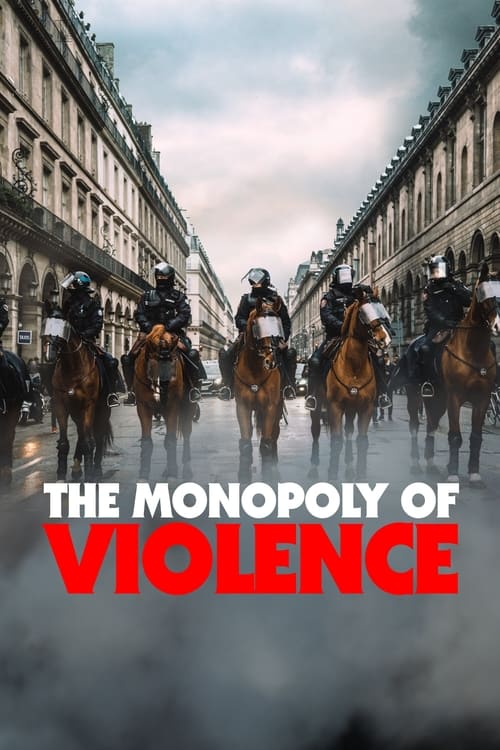
As anger and resentment grow in the face of social inequalities, many citizens-led protests are being repressed with an ever-increasing violence. In this documentary, David Dufresne gathers a panel of citizens to question, exchange and confront their views on the social order and the legitimacy of the use of force by the State.
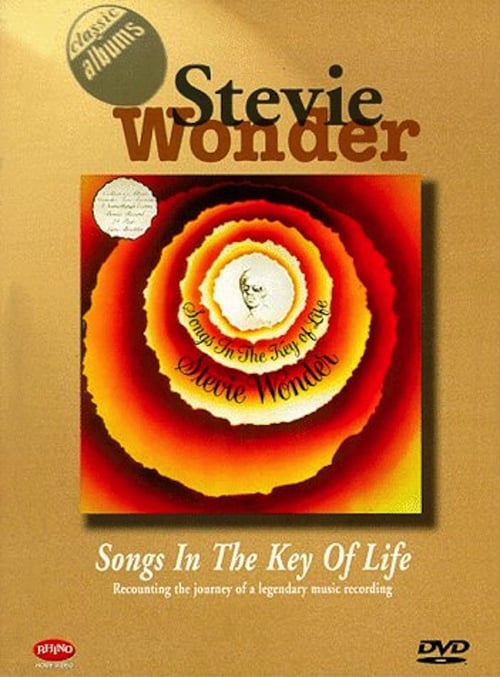
Musicians, producers, family, colleagues and the artist himself look back on the making of Stevie Wonders's classic album "Song In the Key of Life".
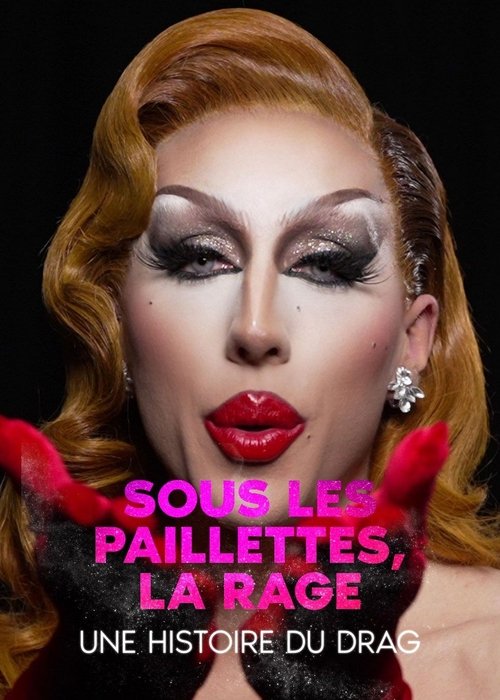
The art of drag represents an artistic transformation where individuals create characters by amplifying gendered traits, challenging established social norms. This practice, known for its spectacular performances, has evolved through periods of repression and acceptance. Through humor and self-mockery, drag disrupts conventions and is deeply rooted in the history of LGBT+ movements. This documentary traces the history of Drag in France and around the world, from William Dorsey Swann—a young emancipated slave considered the first drag queen—to RuPaul, Nicky Doll, and Paloma. Featuring contributions from historians, anthropologists, and sociologists specialized in drag, as well as testimonies from drag artists who are shaping or have shaped this history.
In 2008 French filmmaker Julie Gali traveled to the US to film the election of Barack Obama. In spite of this victory for civil rights, it soon became apparent that the rights of another minority were under threat. In California the passing of Proposition 8 marked the only time in U.S. history that a civil right was actually taken away after it had been granted. Upon seeing this, Ms. Gali decided to immerse herself in the growing grassroots struggle of the gay community, which culminated in the October 11, 2009 March for Equality in Washington DC.
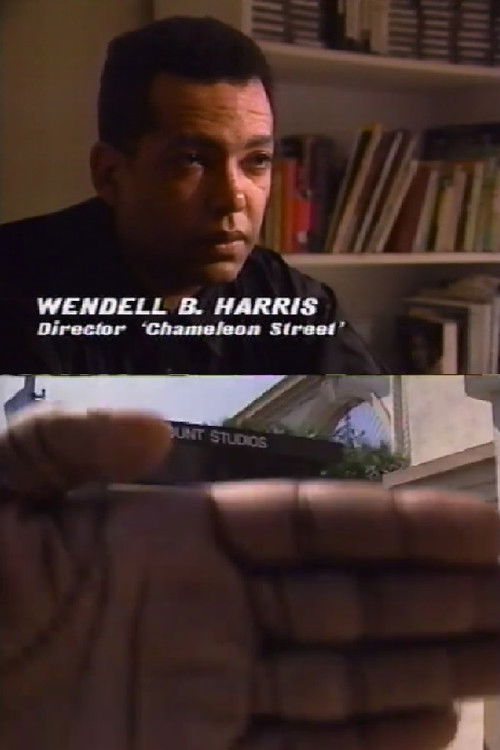
Elvis Mitchell uncovers why Chameleon Street (1989) by Wendell B. Harris Jr. failed to secure a proper distributor deal. Originally aired as a segment on "20/20".
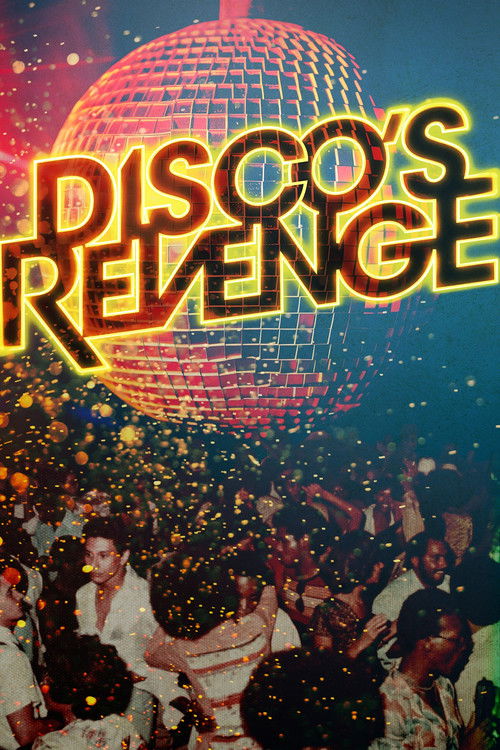
Born underground, on the heels of the Civil Rights Movement and the Stonewall Riots, disco’s nascent popularity saw the spectacular takeover of the dancefloor, the airwaves and burgeoning fashion trends that reflected the joy and freedom inherent to the genre. Co-opted and exploited through references like John Travolta’s strut and shiny Swedish tracksuits, disco eventually reaches the mainstream, losing its original flair and purpose rooted in radical politics and social change.