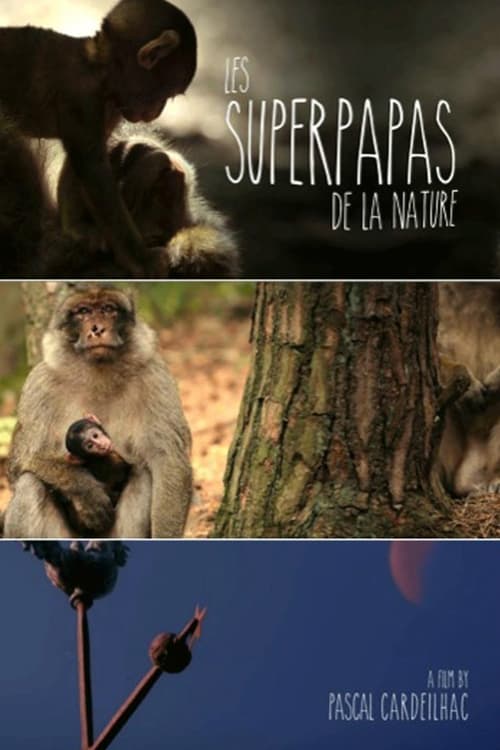
Félix Rodríguez de la Fuente
as Él mismo

Odile Rodríguez de la Fuente
as Ella misma
Marcelle Parmentier
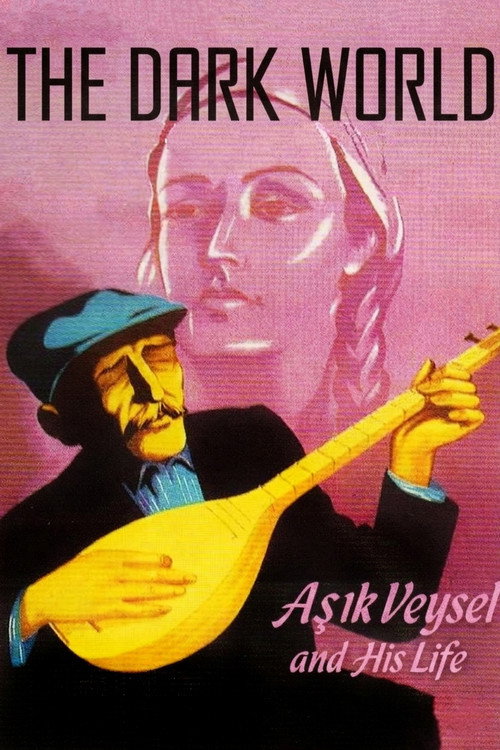
Based on the real life story, the director turned his camera towards the real world of Âşık Veysel, the great poet who wandered around the Anatolian villages.
From Vogue magazine fashion photographer to filmmaker, painter and sculptor, Bailey is the working-class Londoner who befriended the stars, married his muses (Jean Shrimpton, Catherine Deneuve, Marie Helvin) and captures the spirit and elegance of his times with his refreshingly simple approach and razor-sharp eye. He is also the man whose life and work inspired one of the cult movies of the sixties, Michelangelo Antonioni's Blow-Up, and who has constantly travelled the globe either with the most beautiful models or chronicling the contemporary reality of Papua New Guinea, Brazil, Vietnam, Afghanistan and other countries with ground-breaking reportages. Above all, Bailey is a romantic with a delightful sense of humour approaching his 73rd year and showing no sign of slowing up. Director Jérôme de Missolz has created an engaging portrait of this very private man who bared the soul of the swinging sixties and seventies with his photographs and films.
James Grashow is an artist who has built—among many other things-- giant 15 foot tall fighting men, a city, and an ocean-- using paper mache, fabric, chicken wire and cardboard. More recently, he has begun making sculptures entirely out of corrugated cardboard and twist ties.
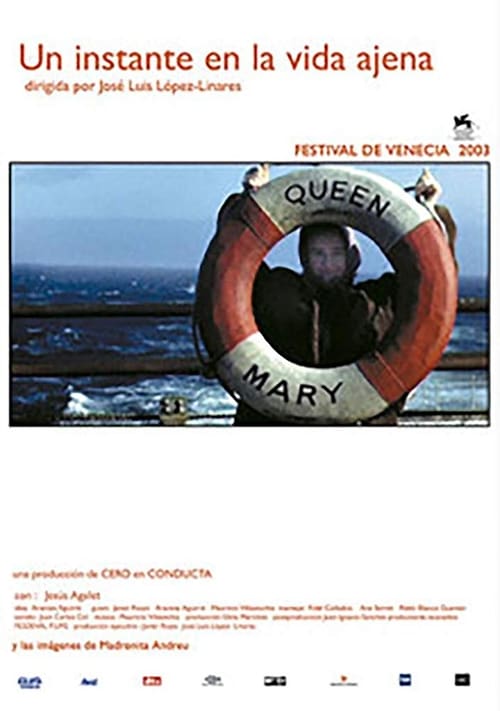
Compilation of images of the amateur recordings of Madronita Andreu, Catalan intellectual of the nineteenth century, daughter of Dr. Andreu, famous for its pills and cough syrup.
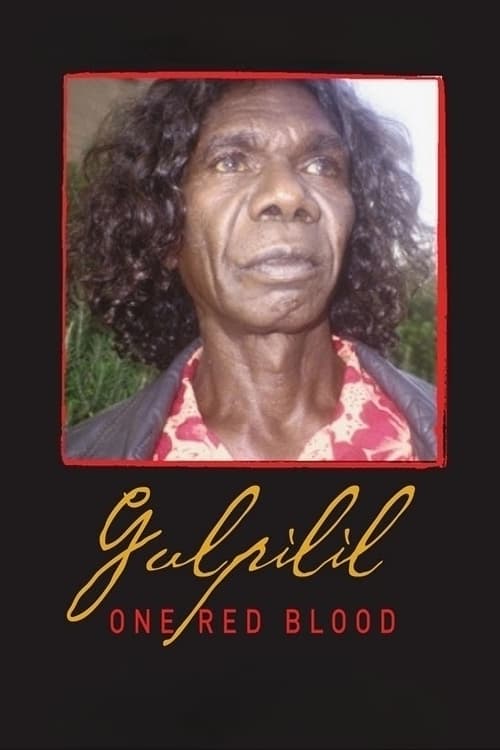
An hour-long documentary on the life and career of actor David Gulpilil.
A film about the life and work of the Azerbaijani immigrant journalist and writer Mohammad Asad Bey, who emigrated to Germany after the collapse of the Republic of Azerbaijan at the beginning of the 20th century
When director Iván Guarnizo's mother passes during the first days of peace talks with FARC-EP in Colombia, a door opens to explore a dark and painful past and, perhaps, find forgiveness. Iván's mother had been kidnapped by FARC-EP forces and held in captivity for 603 days. As they marched her through the jungles and mountains of the Colombian countryside, she was able to keep a diary that in great detail documented the places she was taken, her experiences and the names and descriptions of her captors.
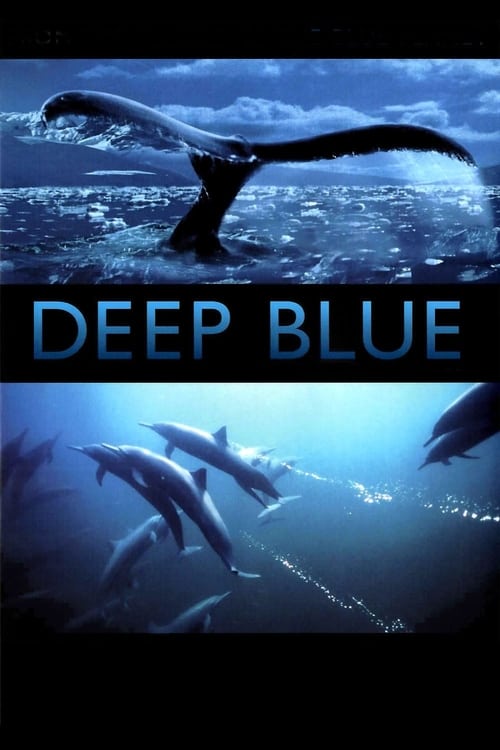
Deep Blue is a major documentary feature film shot by the BBC Natural History Unit. An epic cinematic rollercoaster ride for all ages, Deep Blue uses amazing footage to tell us the story of our oceans and the life they support.
Documentarian Jose Sanchez-Montes turns his attention towards the late Cuban musician Ignacio Villa, known throughout the world as Bola de Nieve (Snowball), with this 2003 biographical documentary entitled simply Bola de Nieve. A master pianist, Bola de Nieve was a mainstay through the middle portion of the 20th century, with his music almost omnipresent in South America cinema throughout those formative decades. With Bola de Nieve's famous statement "I'm a sad person, but my songs sound happy" in mind, Sanchez-Montes also looks at the influence of the musician's African heritage and homosexuality upon Bola de Nieve's unique musical style.
Howard Robard Hughes, Jr. did more than dream. Yet behind the glamour, fame and fabulous wealth, there lurked a darker side: a sick, isolated and deeply unhappy man who hid behind his image and ended up a prisoner of his own insanity. This is his story.
Jack Kerouac's life is examined through interviews with his contemporaries and friends including Allen Ginsberg, Lawrence Ferlinghetti and William S. Burroughs. The film also employs dramatic recreations of Kerouac's life beginning with his early childhood.
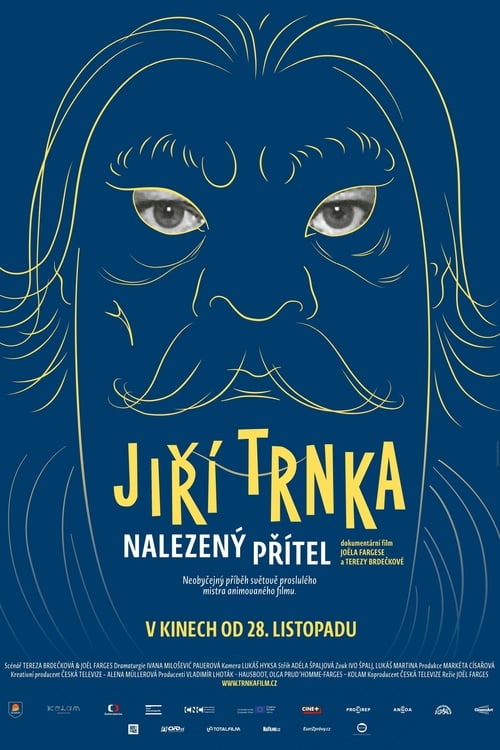
A story of an extraordinary artist who has unintentionally signed a deal with a devil. Jiří Trnka was one of the biggest Czech artists of the 20th century and one of the founders of the puppet animation. His work demonstrated the world that communist society can provide better conditions for extraordinary artistic creations. The ideological clash between West and East didn’t leave children and their stories apart from their struggle in ideological and political positions.
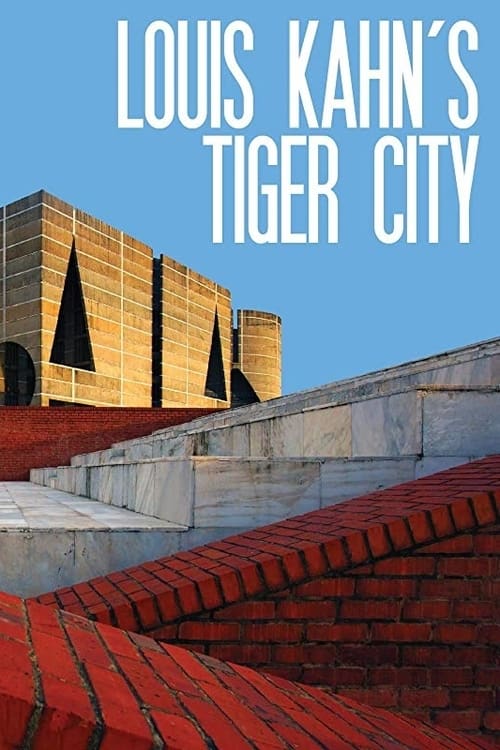
Art historian and filmmaker Sundaram Tagore travels in the footsteps of Louis Kahn to discover how the famed American architect built a daringly modern and monumental parliamentary complex in war-torn Bangladesh.