Neftalina Rosa Romero Guzmán
as Neftalina Rosa Romero Guzmán
Jacqueline Castillo
as Jacqueline Castillo
Gloria Castillo Pena
as Gloria Castillo Pena
Ana María Ochoa Arias
as Ana María Ochoa Arias

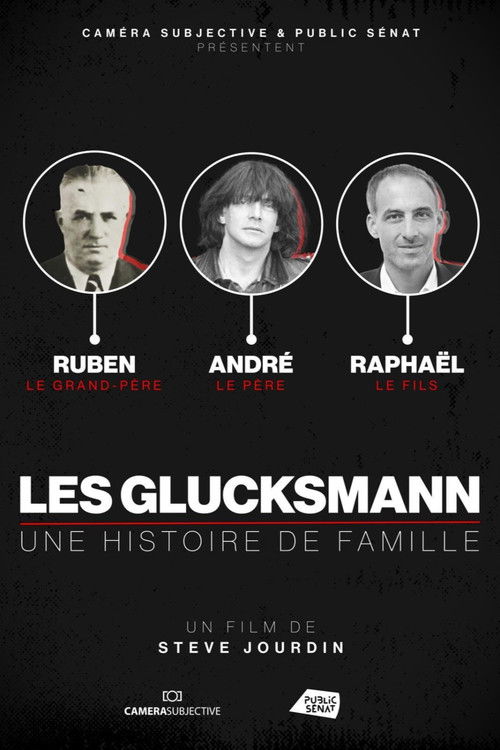
Featuring interviews with his accomplices and victims alike, this deep dive explores how a master con man scammed French elites out of millions of euros.
Beside Bowie: The Mick Ronson Story is a documentary about the life and work of Michael "Mick" Ronson, the guitarist, songwriter, producer and arranger who, in the early part of his career, performed with David Bowie as one of the 'Spiders from Mars'.
The fascinating and little-known story of the secretarial profession, which tells the story of the evolution of women's work, between emancipation, invisibility and the glass ceiling.
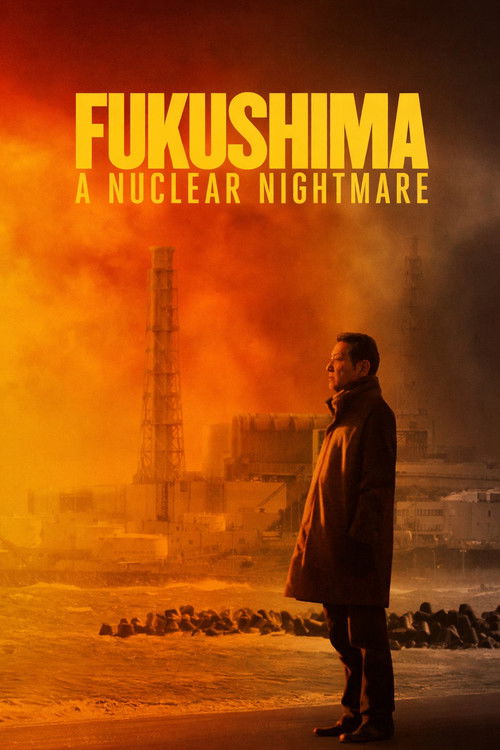
The definitive account of Japan’s struggle as it faced a nuclear catastrophe while still reeling from the devastation of an earthquake and tsunami.
Naples faces dual volcanic threats from Vesuvius and Campi Flegrei. Amid increasing tremors, archaeologists work as residents live anxiously, haunted by Pompeii's fate while emergency services strain.
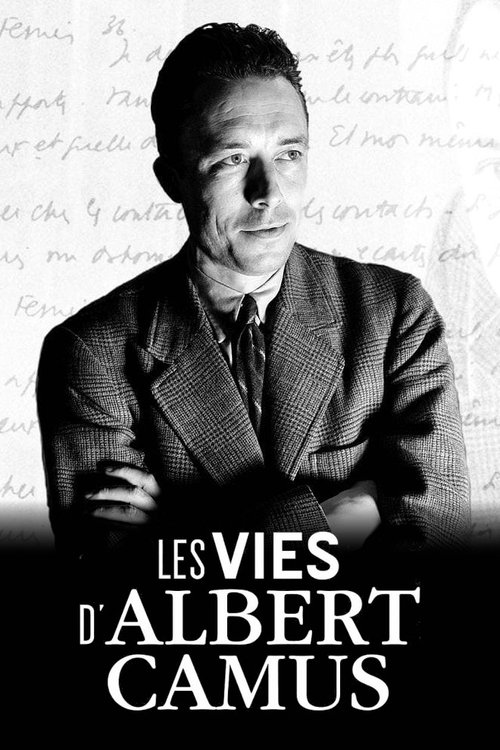
Albert Camus died at 46 years old on January 4, 1960, two years after his Nobel Prize in literature. Author of “L'Etranger”, one of the most widely read novels in the world, philosopher of the absurd and of revolt, resistant, journalist, playwright, Albert Camus had an extraordinary destiny. Child of the poor districts of Algiers, tuberculosis patient, orphan of father, son of an illiterate and deaf mother, he tore himself away from his condition thanks to his teacher. French from Algeria, he never ceased to fight for equality with the Arabs and the Kabyle, while fearing the Independence of the FLN. Founded on restored and colorized archives, and first-hand accounts, this documentary attempts to paint the portrait of Camus as he was.
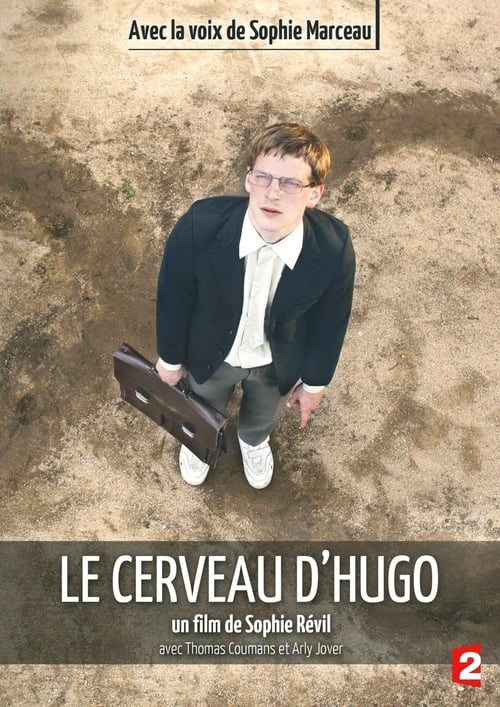
The Hugo's Brain is a French documentary-drama about autism. The documentary crosses authentic autistic stories with a fiction story about the life of an autistic (Hugo), from childhood to adulthood, portraying his difficulties and his handicap.
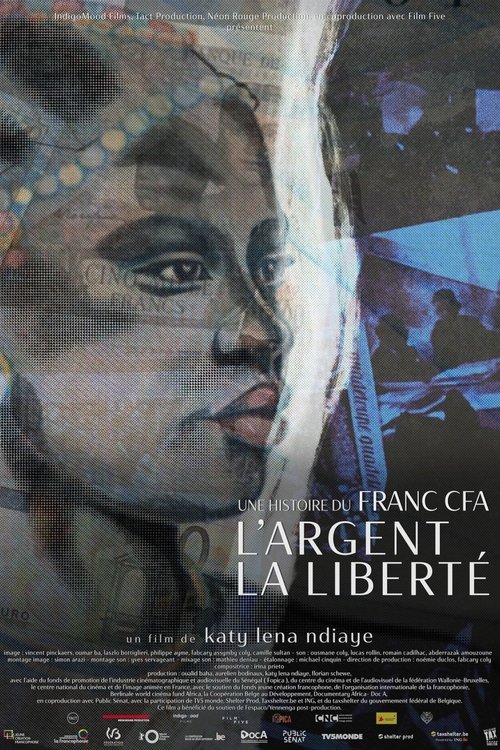
The former French colonies in Central and West Africa have been independent since 1960, but most of these countries still use the currency of the former oppressor: the CFA franc. It was linked to the French franc when it was introduced, so the national bank in Paris controlled monetary policy. Now the currency has a fixed exchange rate with the euro. The link with the European currency strongly influences the monetary policy of CFA countries. And that means the value of the CFA franc is defined by political decisions taken elsewhere, rather than by the domestic economy.
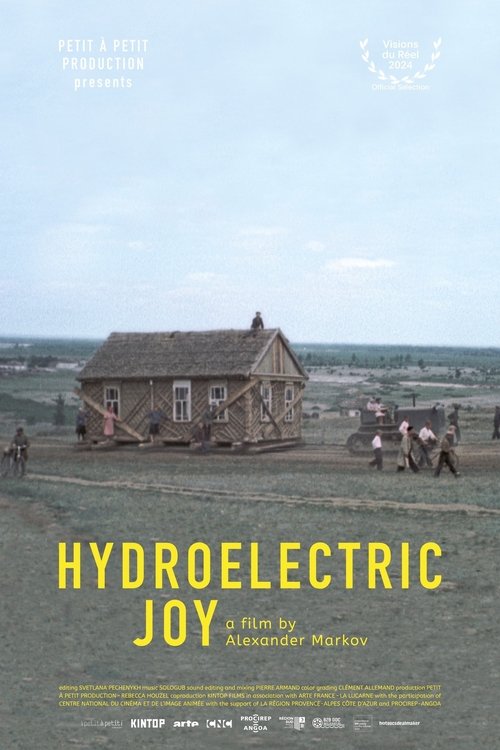
In the 60s, Vadim, a Soviet engineer, is in love with Vera, a researcher in biology. But their romance is suddenly disrupted by a mission entrusted to Vadim: sent to Egypt, he must participate in one of the great utopian ventures initiated by the USSR. Based on unpublished archives, this film is inspired by a true story.
In France, victims and perpetrators of offenses, misdemeanors, or crimes can meet and talk in secure, supervised settings. Included in the Penal Code since 2014, this "restorative justice" is intended to complement criminal justice and provide a safe space for dialogue. The aim is to enable victims to rebuild their lives and perpetrators to take full responsibility for their actions, thereby reducing the risk of reoffending. This film follows one such program over the course of a year. Amélie, a prison rehabilitation and probation counselor, and Séverine, a lawyer for a victims' association, prepare Marthe, Aurélien, Sylvain, and JF, who are incarcerated for murder or attempted murder of their spouses. They also follow Emeline, Evelyne, and Marie, victims of similar crimes.
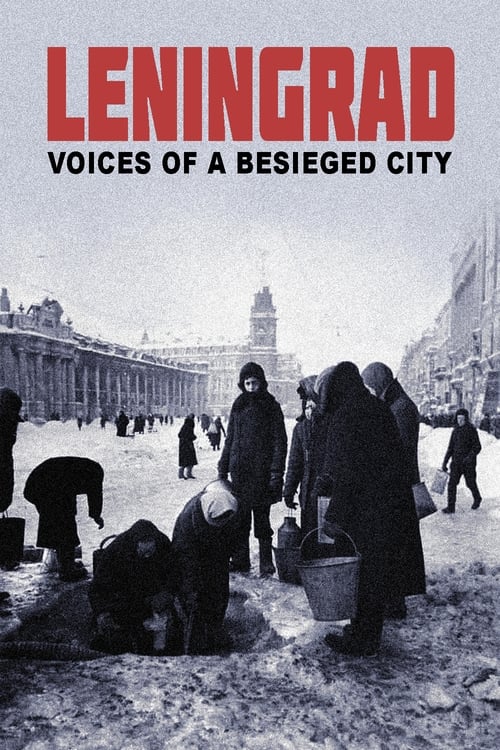
It was one of the great crimes of the Second World War: from 1941 to 1944, a total of 872 days, the siege and starvation of Leningrad by the German Wehrmacht on Hitler's orders lasted. Over a million people fell victim to the blockade, most of them dying of hunger. Countless of these starving people wrote diaries with the last of their strength, and cameramen filmed in the paralyzed city. Evidence from the hell of the siege, many of the film recordings, but above all the written memories on which this documentary on the occasion of the 80th anniversary of the liberation is based, remained under lock and key after the war. The voices of those who had suffered through this terrible time should not be heard by anyone, because they did not fit the pathos of the Leningrad heroic song that was officially sung. Most of the recordings come from women. The writers feared neither the enemy nor the Communist Party or Stalin, who often proved incompetent in providing for the population.
They come from all walks of life and have lived for almost a century. They have lived through the upheavals of history. They are funny, moving and rebellious. They surprise and amaze us. Yet we rarely hear their voices. This film is an invitation to travel across France and meet them: the Old People.
In Iasi, Romania, from June 28 to July 6, 1941, nearly 15 000 Jews were murdered in the course of a horrifying pogrom. At the time, the programmed extermination of European Jews had not yet began. After the war, the successive communist governments did all they could to ensure the Iasi pogrom would be forgotten. It was not until November of 2004 that Romania recognized for the first time its direct responsibility in the pogrom. All that remains of this massacre are about a hundred photographs taken as souvenirs by german and romanian soldiers, and a few remaining survivors.
Amid shifting times, two women kept their decades-long love a secret. But coming out later in life comes with its own set of challenges.
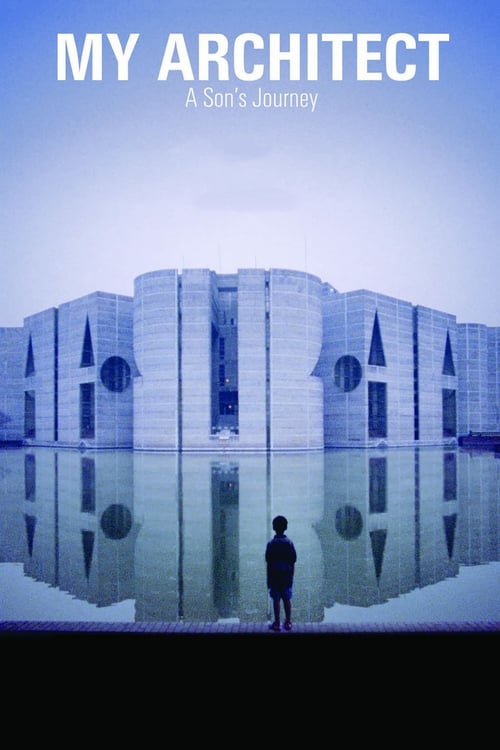
World-famous architect Louis Kahn (Exeter Library, Salk Institute, Bangladeshi Capitol Building) had two illegitimate children with two different women outside of his marriage. Son Nathaniel always hoped that someday his father would come and live with him and his mother, but Kahn never left his wife. Instead, Kahn was found dead in a men's room in Penn Station when Nathaniel was only 11.
The gruesome story of the Jewish ghettos during the Nazi occupation of Eastern Europe in the dark days of World War II, based on the records written by their inhabitants, who bear witness to the human tragedy of the Shoah; but also to an indomitable will to live.