This is an intimate and fragmented portrait of what it means to fall in love in the 21st century. Where desire, breadcrumbing, and vulnerability intertwine in a process of falling, self-creation, and pure frenzy.
Felipe Soto
as Self
Sebastián Iriarte
José Vélez
Andy
Five transgender women share their prison experiences. Interviews with attorneys, doctors, and other experts are also included.
In late 1955 and early 1956, the citizens of Boise, Idaho believed there was a menace in their midst. On Halloween, investigators arrested three men on charges of having sex with teenage boys. The investigators claimed the arrests were just the tip of the iceberg-they said hundreds of boys were being abused as part of a child sex ring. There was no such ring, but the result was a widespread investigation which some people consider a witch hunt. By the time the investigation ended, 16 men were charged. Countless other lives were also touched.In some cases, men implicated fled the area. At least one actually left the country. The investigation attracted attention in newspapers across the nation, including Time Magazine. The "Morals Drive" left scars which remain to this day.
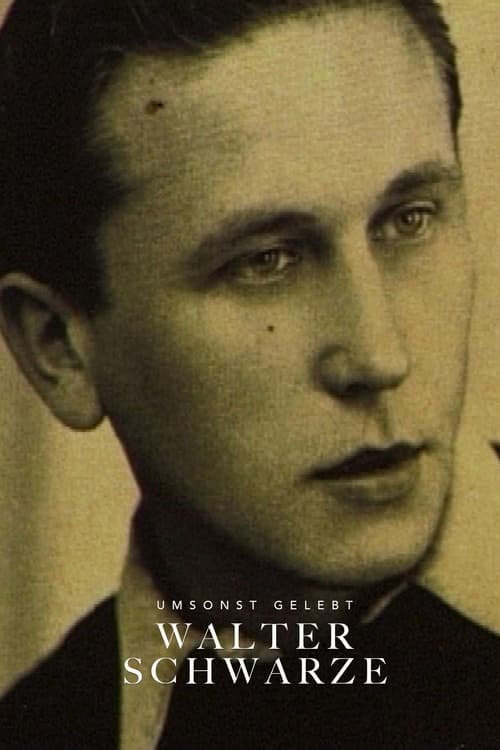
“This film is part of a series of films on gay men who survived the Nazi era. I met Walter Schwarze when he was already in his eighties. My camera recorded his first public account of his five-year incarceration as a homosexual at Sachsenhausen concentration camp. He was in his fifties when he met Ali in his hometown of Leipzig; the two men became partners and remained close until his demise. And yet, Walter told me, he felt he had lived in vain because he had not had the good fortune of today's gays, who are able to grow up in freedom. Walter Schwarze died of cancer on May 10, 1998.” Rosa von Praunheim
Documentary about four Chinese lesbian women who seek contract marriages with gay men, and form of their lesbian and gay community and fulfill their desires.
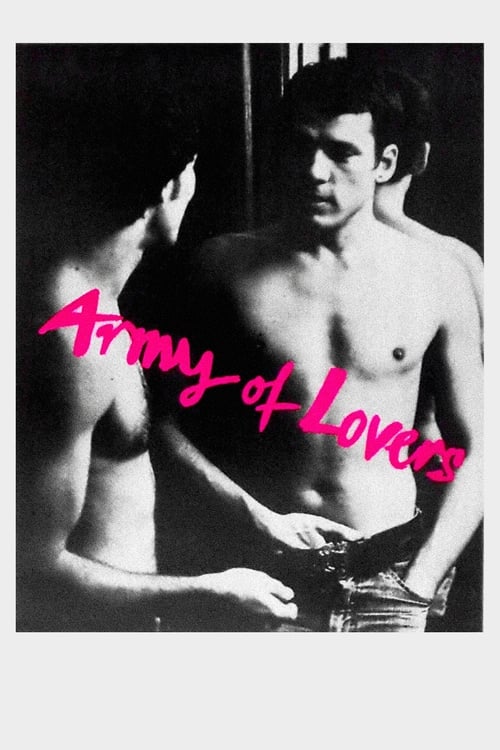
Personal diary-style documentary of German Gay rights activist Von Praunheim's sojourn in the US.
an experimental short shot completely in black and white and attempts a new technique.
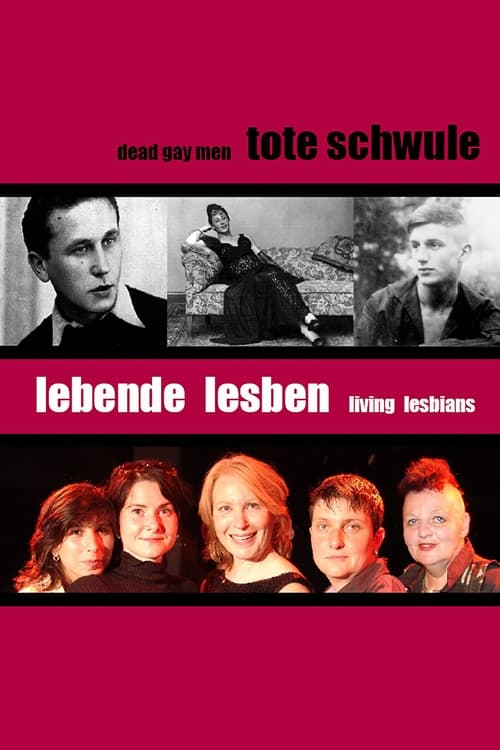
As a result of the Holocaust and later, AIDS, the male homosexual community has sustained bitter losses and, according to Praunheim, lesbian women have now placed themselves at the head of the so-called queer movement. The female protagonists in the film represent two different generations; they also incorporate the past and present status of homosexuals in society.
Soon after New York state passed a 2015 law that health insurance should cover transgender-related care and services, director Tania Cypriano and producer Michelle Hayashi began bringing their cameras behind the scenes at New York’s Mount Sinai Hospital, where this remarkable documentary captures the emotional and physical journey of surgical transitioning. Lending equal narrative weight to the experiences of the center’s groundbreaking surgeon Dr. Jess Ting and those of his diverse group of patients, BORN TO BE perfectly balances compassionate personal storytelling and fly-on-the-wall vérité. It’s a film of astonishing access—most importantly into the lives, joys, and fears of the people at its center.
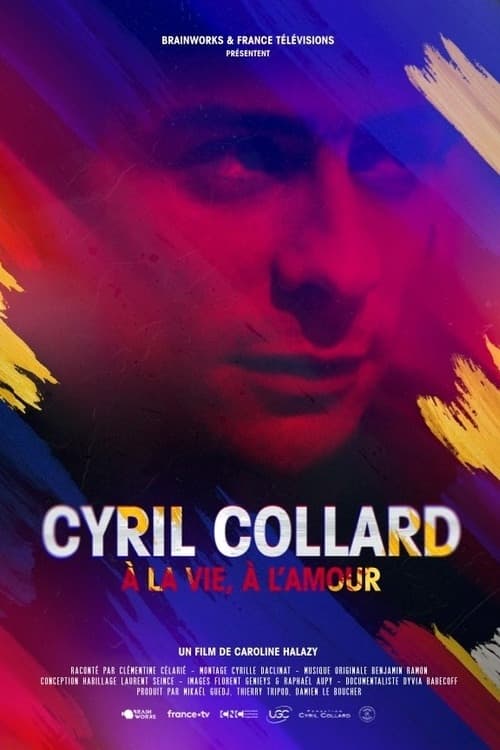
It's a tale of two shocks. 1992, Les Nuits fauves hits theaters. 1993, Cyril Collard dies of AIDS. The artist and his film caused a scandal in 90s France, which suddenly realized the violence of the epidemic and the upheaval it would bring for its children... Collard's work still resonates today, through its depiction of the rage of life and sexual freedom, and the courage it takes to face up to the inevitability of the virus. This documentary is supported by powerful archive footage, allowing us to rediscover the destiny of a striking artist. It is also based on the testimonies of those who knew him and agreed to talk about who he was, the driving forces behind his rebellion and his way of creating. The film is also punctuated by readings from some of the thousands of letters sent to Cyril Collard, revealing what it was about his work that struck a chord with viewers, especially younger ones.
Documentary on the growth of Toronto's gay community including positive developments as well as the infamous "Operation Soap" where the Toronto Police raided gay bath houses, and the subsequent protests.
Described in the 70’s as "A Chorus Line for gay people," Crimes Against Nature remains vital today as a communal disclosure of roles that gay people adopt in order to survive in a world that devalues homosexual feelings. It features individual actors delivering revealing monologues, during which the other members of the collective play background roles (parents, schoolmates, etc.). One by one, the actors detail the ways in which they have buried their true selves in order to survive and be accepted in the world: repression, drug use, shyness, being agreeable, putting experiences into "little boxes," acting "butch," and so on.
The film follows the story of Jamie, a struggling butch lesbian actress who gets cast as a man in a film. The main plot is a romantic comedy between Jamie's male alter-ego, "Male Jamie," and Jill, a heterosexual woman on set. The film's subplots include Jamie's bisexual roommate Lola and her cat actor Howard, Lola's abrasive butch German girlfriend Andi, and Jamie's gay Asian friend David.
The Tragedy of an Artist, is an experimental short shot over the course of a week. This film is meant to illustrate who Hero Foltz is as a person and his struggles with self identity
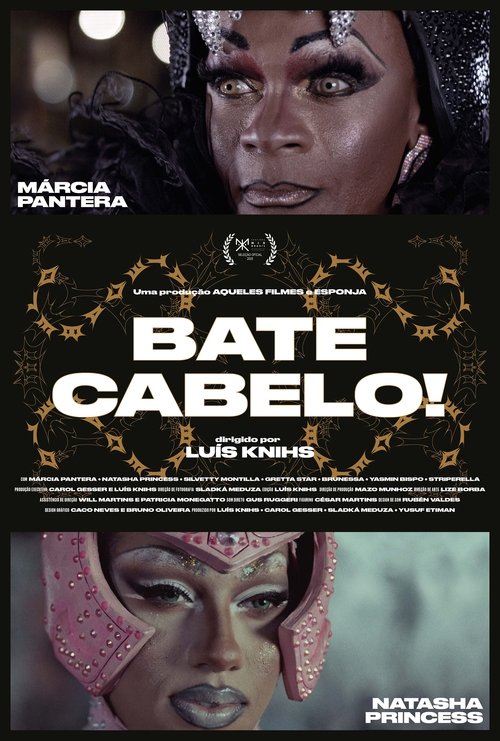
BATE CABELO! unveils the story of an artistic creation that became a living symbol of memory, embodiment, and resistance.
A staged birthday celebration and a visit to the director’s father’s home. From the interplay of memory and imagination, the film explores how family archives shape fictions of the past.
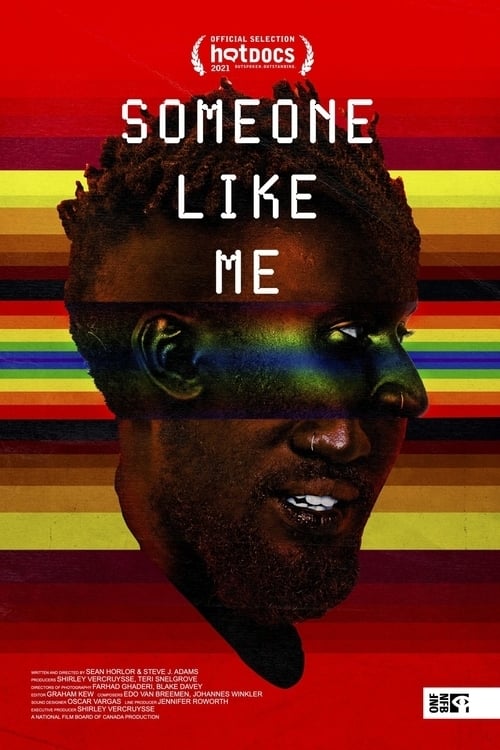
After 11 strangers unite to help a gay youth escape life-threatening violence in Uganda, the unexpected pandemic and conflicting opinions over his best interests test the limits of their commitment and jeopardize his fresh start in Canada.
Describing herself as a 'street queen,' Johnson was a legendary fixture in New York City’s gay ghetto and a tireless voice for LGBT pride since the days of Stonewall, who along with fellow trans icon Sylvia Rivera, founded Street Transvestites Action Revolutionaries (S.T.A.R.), a trans activist group based in the heart of NYC’s Greenwich Village. Her death in 1992 was declared a suicide by the NYPD, but friends never accepted that version of events. Structured as a whodunit, with activist Victoria Cruz cast as detective and audience surrogate, The Death and Life of Marsha P. Johnson celebrates the lasting political legacy of Johnson, while seeking to finally solve the mystery of her unexplained death.