A provides a comprehensive look at NASA's ambitious Viking mission to Mars. It captures the scientific excitement and technical complexity of the first attempt to land a spacecraft on the Red Planet to search for evidence of life.
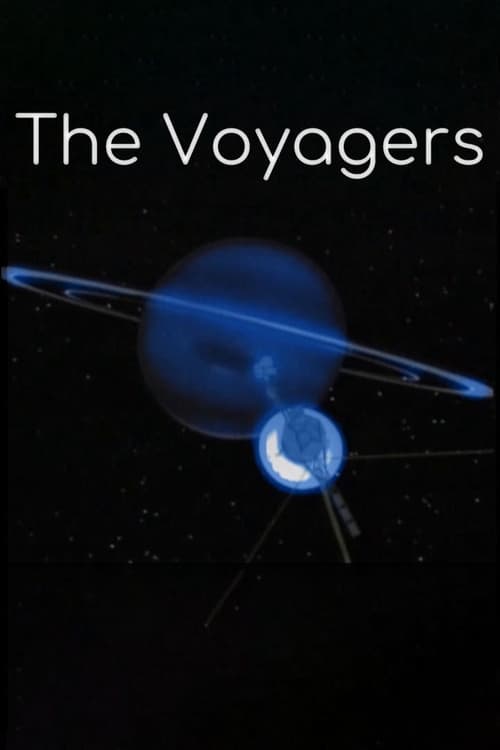
In the summer of 1977, NASA sent Voyager 1 and Voyager 2 on an epic journey into interstellar space. Together and alone, they will travel until the end of the universe. Each spacecraft carries a golden record album, a massive compilation of images and sounds embodying the best of Planet Earth. According to Carl Sagan, β[t]he spacecraft will be encountered and the record played only if there are advanced space-faring civilizations in interstellar space. But the launching of this bottle into the cosmic ocean says something very hopeful about life on this planet.β While working on the golden record, Sagan met and fell madly in love with his future wife Annie Druyan. The record became their love letter to humankind and to each other. In the summer of 2010, I began my own hopeful voyage into the unknown. This film is a love letter to my fellow traveler. - Penny Lane
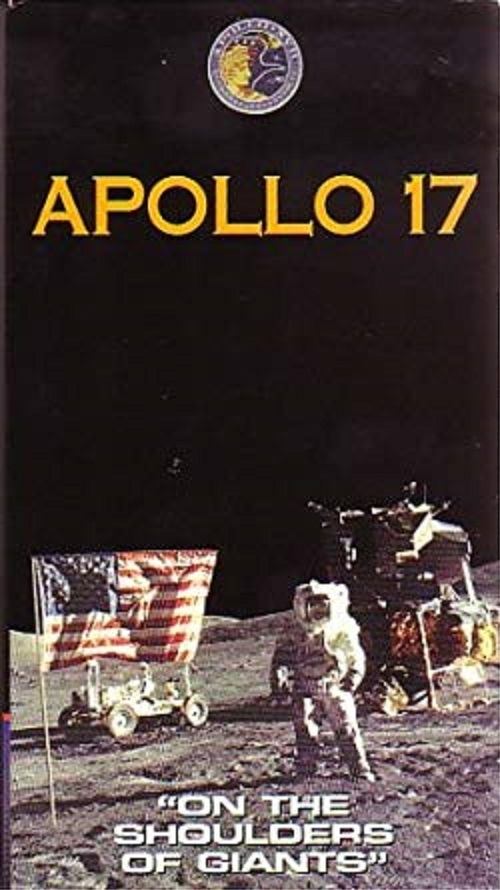
The Apollo 17 mission was the final opportunity to collect first hand information about the history and origin of the Moon. This film looks at this historic mission through the eyes of those who participated in it. Including Commander Eugene Cernan, Lunar Module Pilot Harrison Schmitt, and Command Module Pilot Ron Evans.
Hear what the astronauts of Apollo 13 had to say in this collection of interviews. Featuring Jim Lovell, Jack Swigert, Fred Haise.
Explores the $10 billion JWST's engineering and construction process, historic Dec. 25, 2021 launch, and the release of its first full-color, galaxy-sprinkled images on July 12, 2022 witnessed by the entire planet.
A brief visualisation of NASAβs historic spacecrafts Mariner, Pioneer, Voyager, and Dawn, exploring the solar system, culminating in the New Horizons mission.
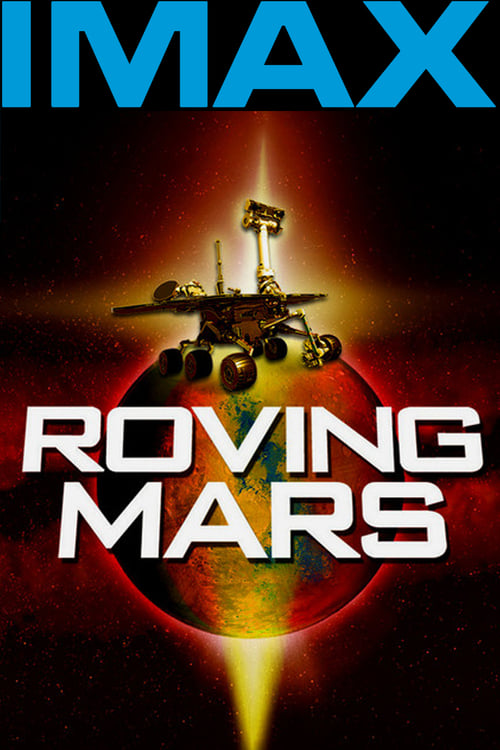
Join the Mars rovers Spirit and Opportunity for an awe-inspiring journey to the surface of the mysterious red planet.
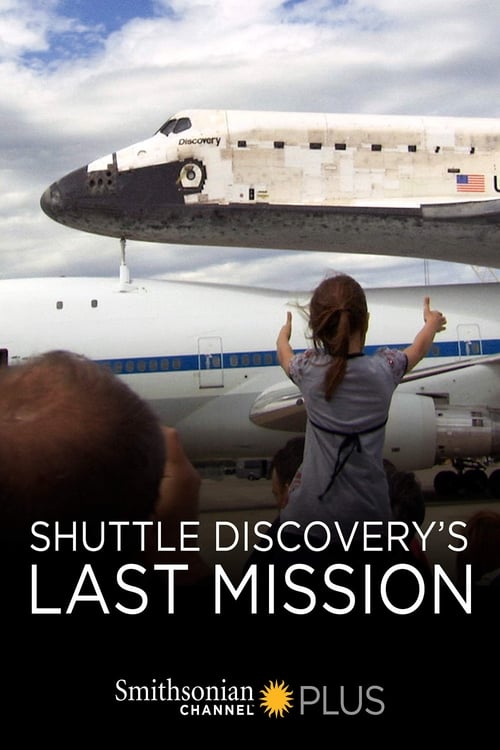
With more than 27 years of service, the space shuttle Discovery has clocked more time in space than any other shuttle. She has flown more than 148 million miles, and has become one of the most storied spacecraft in American history. Join us as we celebrate her remarkable past and follow her final flight: to the Smithsonian National Air and Space Museum. It's an emotionally charged mission full of logistical challenges. Discovery is a robust, but very fragile aircraft, and getting her to D.C. in one piece will require some innovative engineering.
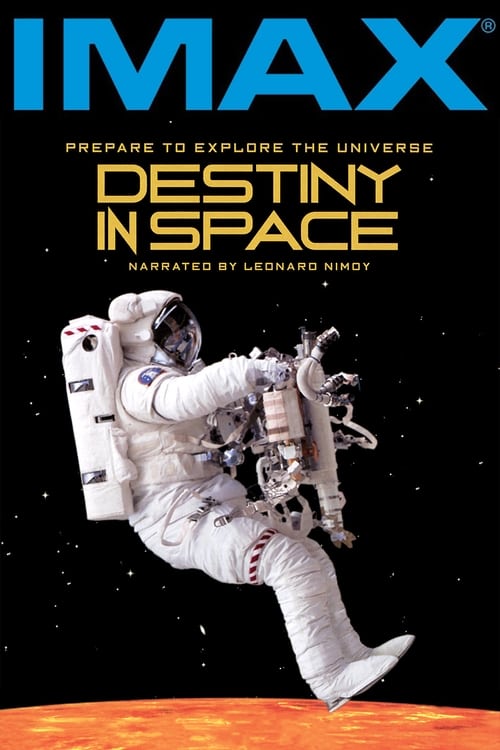
Travel alongside the astronauts as they deploy and repair the Hubble Space Telescope, soar above Venus and Mars, and find proof of new planets and the possibility of other life forming around distant stars.
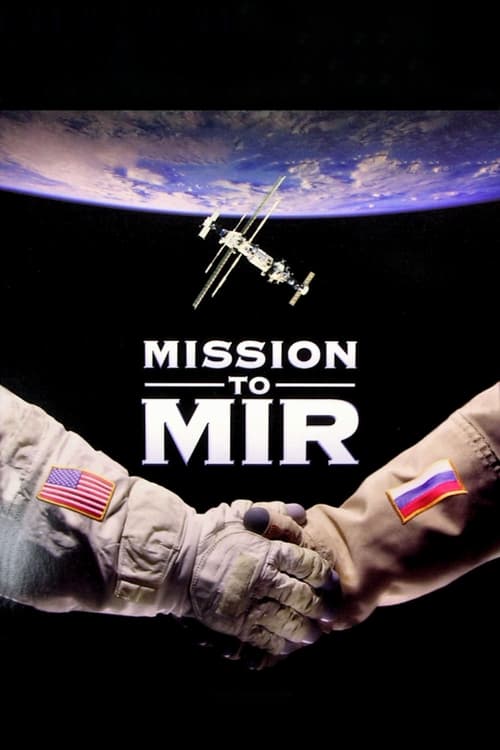
This film shows how far we have come since the cold-war days of the 50s and 60s. Back then the Russians were our "enemies". And to them the Americans were their "enemies" who couldn't be trusted. Somewhere in all this a young girl in Oklahoma named Shannon set her sights on becoming one of those space explorers, even though she was told "girls can't do that." But she did.
Produced by NASA contractor Rockwell International, this circa 1978 film was made shortly before the successful Apollo-Soyuz space mission. It is followed by a second film SPACESHIP EARTH showing on-going work on the new Space Shuttle. APOLLO-SOYUZ was created prior to the actual mission, and uses footage from prior Apollo missions and concept art. The film also shows the construction and assembly process for the Apollo side of the mission with Deke Slaton and crew shown. The docking module is shown at 1:52 and again at 2:43 when it was displayed at the 1973 Paris Air Show.
The Space Race comes alive through the eyes of the ultimate insider - retired NASA Mission Control Flight Director Gene Kranz. A history of the U.S. manned space program from Mercury to Apollo 17, as seen by the men of Mission Control.
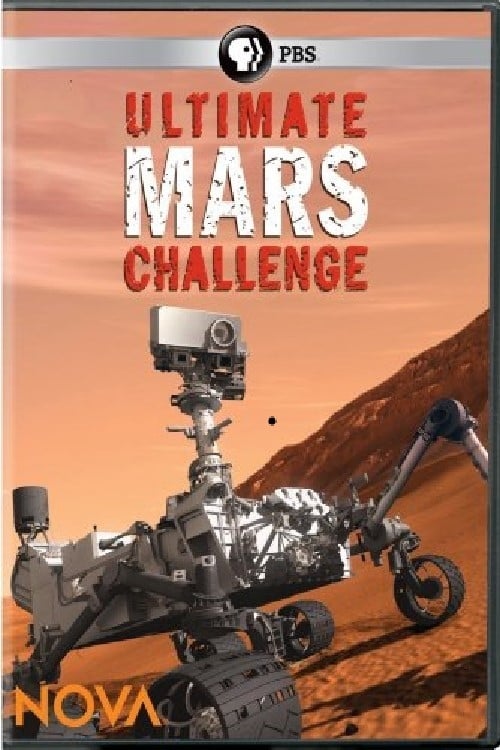
With access to the scientists and engineers responsible for the Curiosity rover's on-the-ground experiments, NOVA captures its landing on Mars
A documentary about the Apollo 17 mission to the Taurus-Littrow on the moon, the final lunar landing mission in the Apollo program, December 1972. Produced by A-V Corporation for NASA. The film was distributed both as an ephemeral film (shown to an audience via a 16mm film projector), and was also shown on TV (and was shown on both public and commercial stations per a search of vintage newspapers).
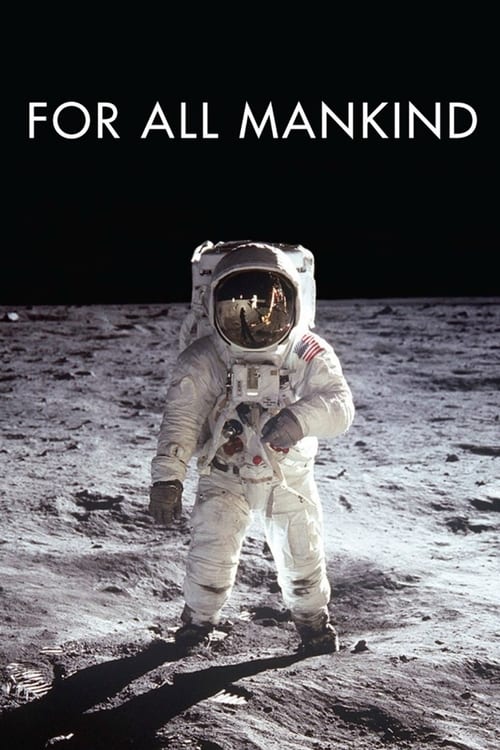
A testament to NASA's Apollo program of the 1960s and '70s. Composed of actual NASA footage of the missions and astronaut interviews, the documentary offers the viewpoint of the individuals who braved the remarkable journey to the moon and back.
Some 220 miles above Earth lies the International Space Station, a one-of-a-kind outer space laboratory that 16 nations came together to build. Get a behind-the-scenes look at the making of this extraordinary structure in this spectacular IMAX film. Viewers will blast off from Florida's Kennedy Space Center and the Baikonur Cosmodrome in Russia for this incredible journey -- IMAX's first-ever space film. Tom Cruise narrates.
Archival material from the original NASA film footage β much of it seen for the first time β plus interviews with the surviving astronauts, including Jim Lovell, Dave Scott, John Young, Gene Cernan, Mike Collins, Buzz Aldrin, Alan Bean, Edgar Mitchell, Charlie Duke and Harrison Schmitt.
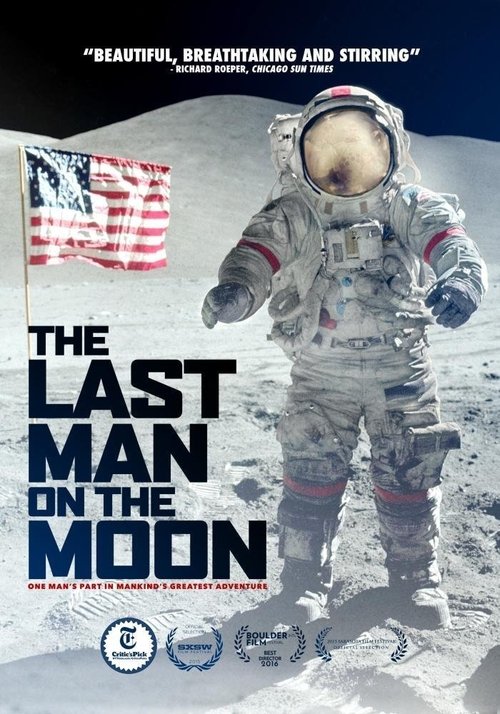
The 1960s was an extraordinary time for the United States. Unburdened by post-war reparations, Americans were preoccupied with other developments like NASA, the game-changing space programme that put Neil Armstrong on the moon. Yet it was astronauts like Eugene Cernan who paved the uneven, perilous path to lunar exploration. A test pilot who lived to court danger, he was recruited along with 14 other men in a secretive process that saw them become the closest of friends and adversaries. In this intensely competitive environment, Cernan was one of only three men who was sent twice to the moon, with his second trip also being NASAβs final lunar mission. As he looks back at what he loved and lost during the eight years in Houston, an incomparably eventful life emerges into view. Director Mark Craig crafts a quietly epic biography that combines the rare insight of the surviving former astronauts with archival footage and otherworldly moonscapes.
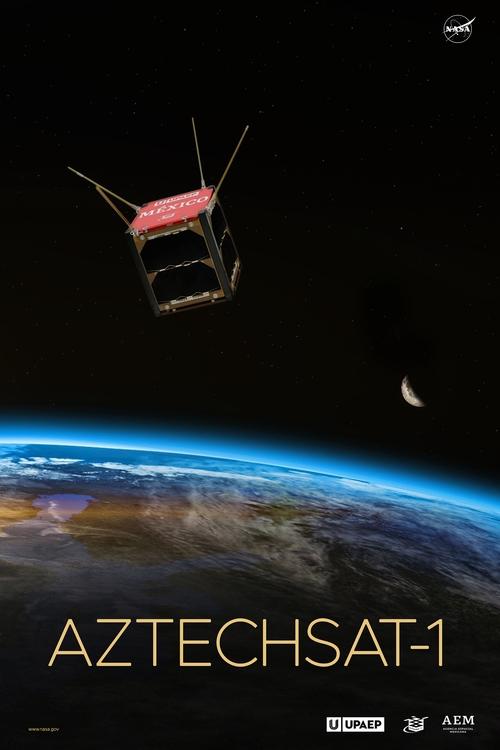
NASA film documenting the launch and commissioning of AzTechSat-1, a pioneering one-to-one communications satellite in space.
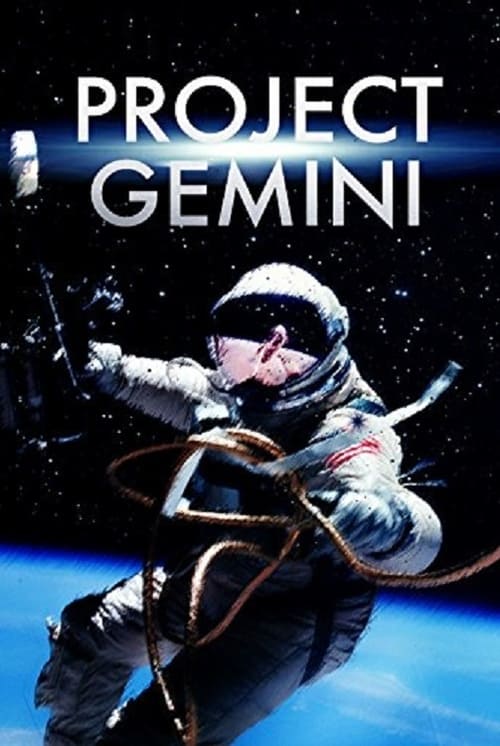
All of the necessary technologies required to reach the Moon was first tested during Project Gemini, which comprised of ten missions in the mid-1960s.