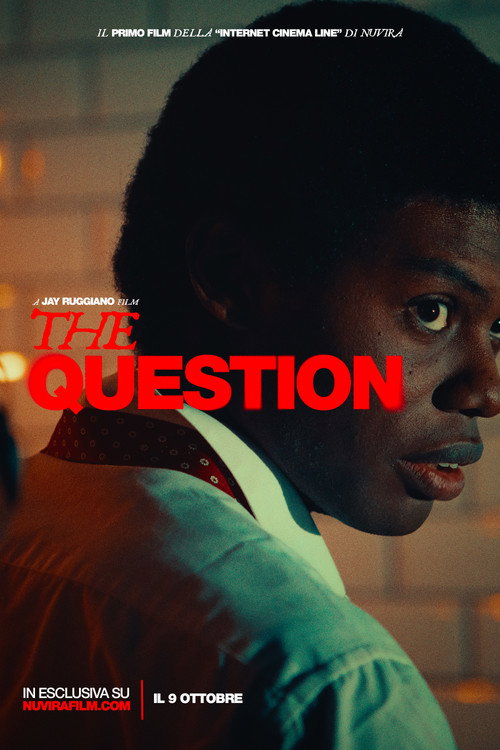
A migrant worker suffocates in the quiet aftermath of a hate crime video circulating online. As every response fails, he discovers that the only remaining resistance may be how he chooses to be seen.
Abdul Farhavi
as Abdul
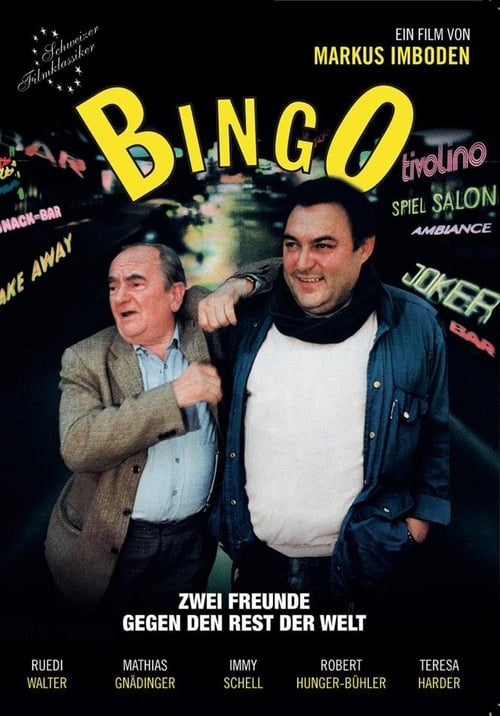
Bingo and Sturzi became friends in prison and have big plans. After their release, they both want to turn their backs on a life of crime and emigrate to Brazil. When Sturzi is released from prison six months after Bingo, he discovers that his friend is still broke and even has criminal plans again. Sturzi, who has grown older and wiser in prison, is deeply disappointed, but wants to generously pay for the plane tickets out of his small fortune. His guardian disagrees: Sturzi is to go to a men's shelter and pay off his debts first. When he witnesses how amateurishly Bingo and his buddy Schorschi are planning a bank robbery, the old professional in Sturzi awakens.
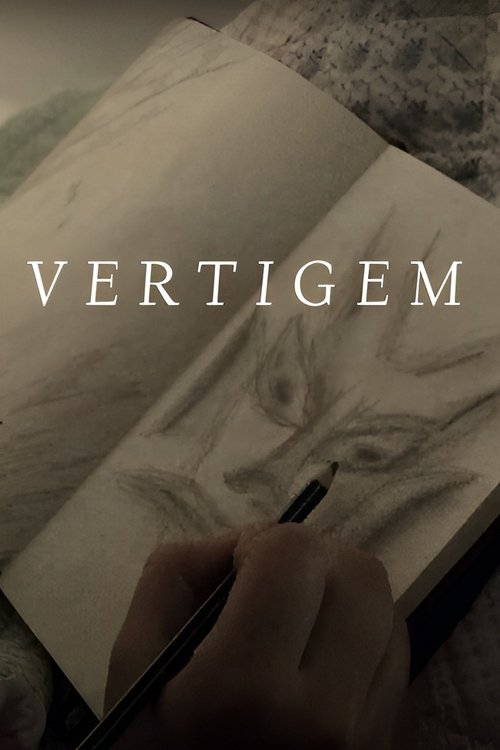
In order to recreate a picture taken in 1974, during the inauguration of São Paulo subway, Pedro meets two school friends he had not seen for 40 years. If their existential crises, ageing and (astray) ways were not enough, Pedro announces, to everyone's surprise, he intends to take his own life — even though not before he sees his soccer team win a championship.
A trio of young women help each other come to terms with death, loss and love during a séance on the roof of their apartment building.
Home cook Rachel, a sort of Ma Dalton, has raised her sons Sam and Jeremiah, and her grandson, Nathan, in the cult of conning. From bad plans to petty theft, this friendly family of broken arms is always after the big score. Luck or fate, during a burglary, they steal a painting by Tamara de Lempicka without knowing its value. Céleste, a shrewd and charming detective, sets out in pursuit.
Sheriff Marlow and his apprentice endeavour to get information from his loyal hangman.
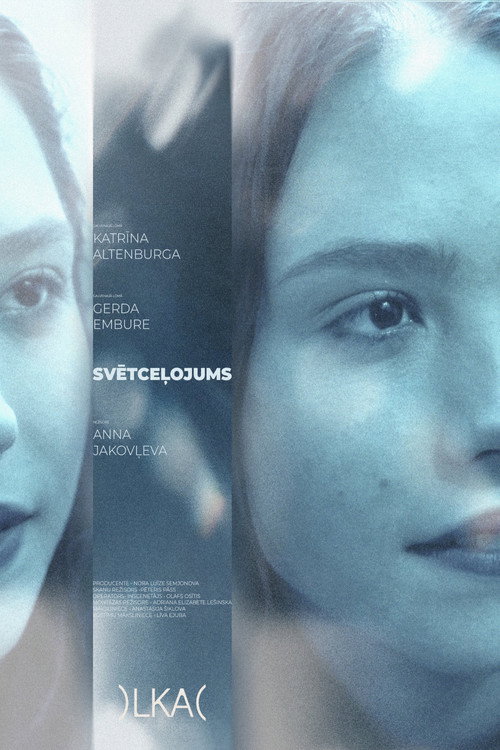
Marija returns to Latvia hoping to regain not only a sense of home, but also her close relationship with her friend, Sofija. Longing for the freedom she once knew, Marija persuades Sofija to go on a night-time wander. Through a modern-day pilgrimage fuelled by alcohol, memories, and unspoken recriminations, their friendship is both rekindled and strained. As the night wears on, Marija awakens a long-hidden side of Sofija, only to realise that the person she loved most may no longer exist.
Following the passing of British-Ugandan teen Nia’s grandmother, she struggles with the guilt of not being able to mourn her death. Through this, she is inspired to connect with her culture.
Our bonds and connections to one another. What is our suffering when confronted with others suffering? This film aims, through movement, to explore that and our bonds of friendship.
A journey through identity and self-discovery.
Silva returns to his hometown on the outskirts of town after spending a few years elsewhere. He wants to apologize to Maria, his ex-girlfriend. But the young man also wants forgiveness from his best friend, who swore to kill him if he returned.
Alejandro is haunted by a faceless black shadow, he finds out they both have something in common
A group of aspiring filmmakers decided to join the school's annual Multiverse Short-Film Festival. When Minho bagged the starring role, both expected and unexpected relationships were built along the way.
Summer feels endless as Marthe travels through the Ardennes with her friends in the late nineties. While they laugh, drink and drift through long days, her thoughts stay with her sick sister at home. The further they drive, the heavier the silence grows.
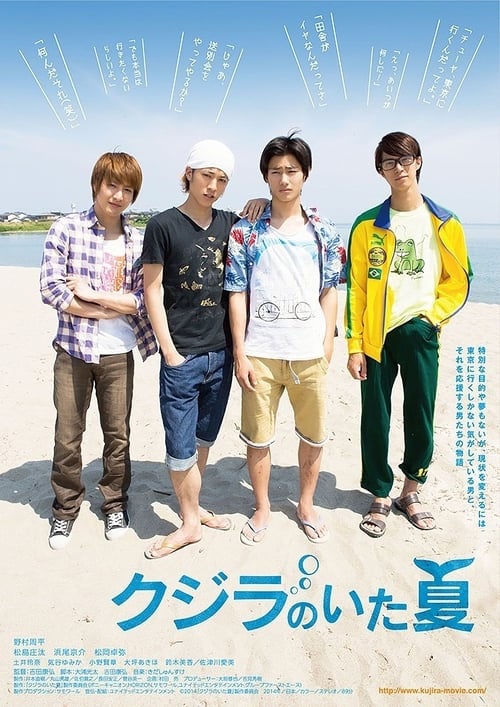
Chuya, who spends his days in a local city without any purpose or dream, suddenly decides to go to Tokyo. His best friends: J, Gizmo, and Machida, from high school try to hold a big farewell party on the last day that Chuya spends locally, but Chuya remembers the past. It seems that he is clinging and hesitating to move. There, the three make a proposal for Chuya, but Yumiko, a longing senior who should be active as an entertainer in Tokyo, appears, and Chuya's heart shakes even more.
The story takes place in the landscapes of La Spezia, where urban and rural environments intertwine. Water plays a primary role as a form, alongside the circle (e.g., bicycle wheels, pizzas, clocks…), which sets the rhythm of the character’s life, dynamically accelerating until it becomes very fast. The overlapping forms invite the viewer into the cyclical rhythm of the short film, moving from the spinning bicycle wheel to the washing machine drum in the character’s bathroom, from a freshly tossed pizza to the delivery mailbox, and finally to a dead-end wall. Savana is a race against oneself and against others; it’s a matter of decision and unpredictability — it’s black or white.