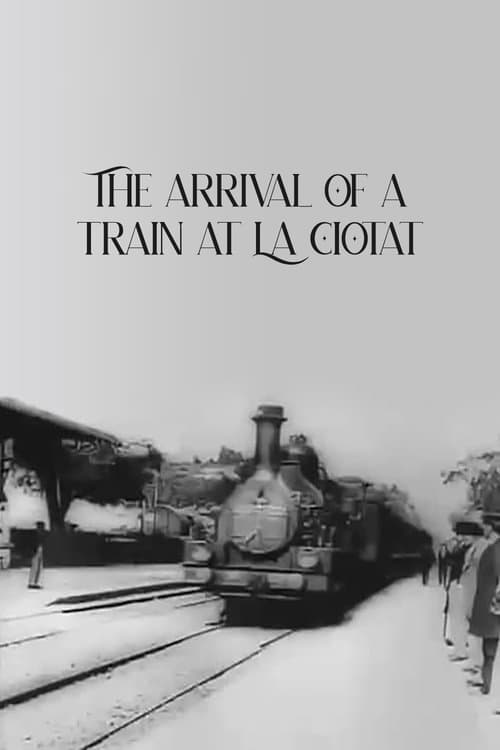
A group of people are standing along the platform of a railway station in La Ciotat, waiting for a train. One is seen coming, at some distance, and eventually stops at the platform. Doors of the railway-cars open and attendants help passengers off and on. Popular legend has it that, when this film was shown, the first-night audience fled the café in terror, fearing being run over by the "approaching" train. This legend has since been identified as promotional embellishment, though there is evidence to suggest that people were astounded at the capabilities of the Lumières' cinématographe.
A day in the city of Berlin, which experienced an industrial boom in the 1920s, and still provides an insight into the living and working conditions at that time. Germany had just recovered a little from the worst consequences of the First World War, the great economic crisis was still a few years away and Hitler was not yet an issue at the time.
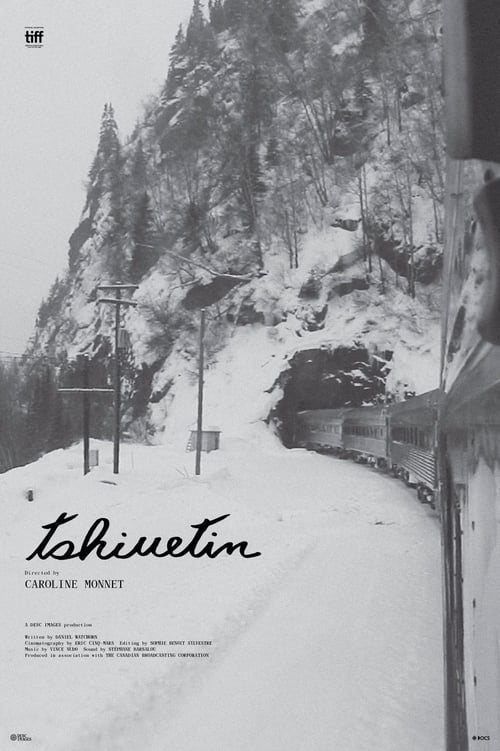
Take a breathtaking train a ride through Nothern Quebec and Labrador on Canada’s first First Nations-owned railway. Come for the celebration of the power of independence, the crucial importance of aboriginal owned businesses and stay for the beauty of the northern landscape.
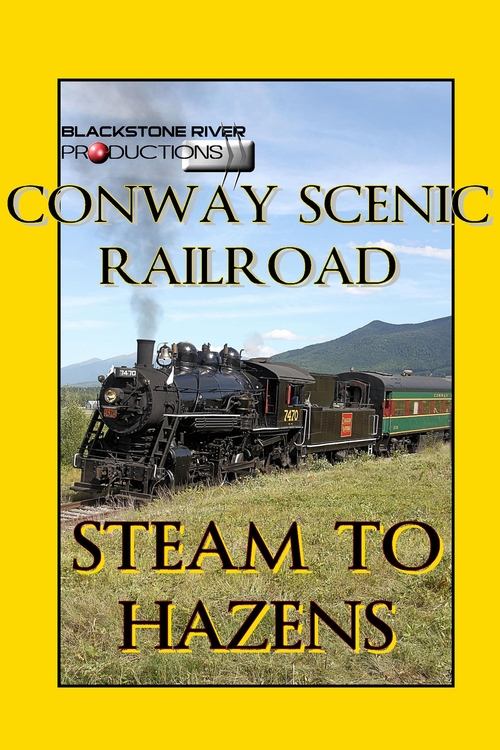
On July 31st, 2011 The Massachusetts Bay Railroad Enthusiasts chartered a special excursion on the Conway Scenic Railroad. The trip covered the CSRR Crawford Notch line (EX Maine Central "Mountain Division") from North Conway to the New Hampshire Central interchange in Hazens (Whitefield, NH). This rare mileage excursion featured track not used by the regular passenger trains by the CSRR! The star of the day was CSRR's steam locomotive #7470.
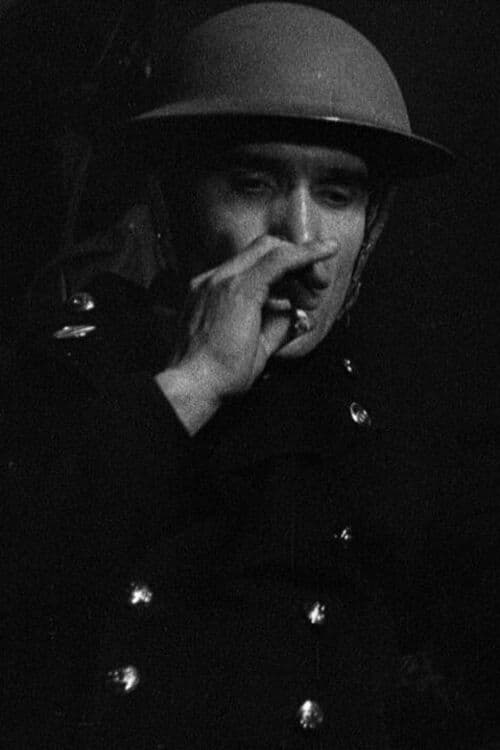
The story of how newspapers were distributed during the Blitz, stressing the importance of an accurate and objective press on the home front.
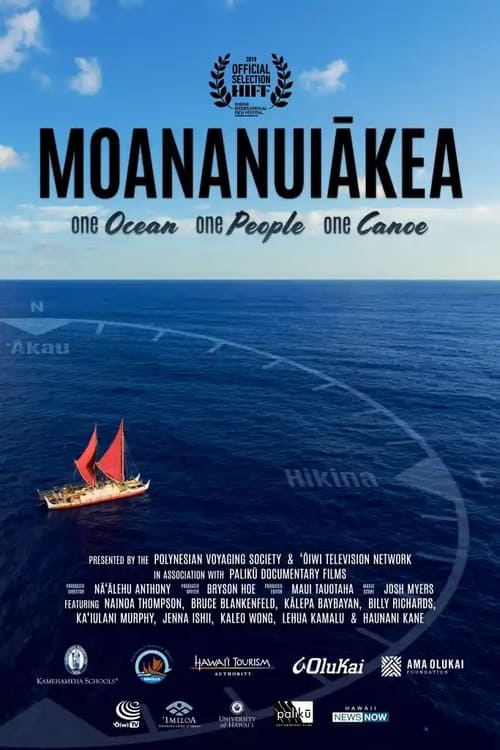
From 2019 Maui Film Festival This powerful documentary celebrates the historic Malama Honua Worldwide Voyage that connected countless individuals and communities from around the globe. A voyage that also represented the fulfillment of the vision of Nainoa Thompson and his contemporaries, the passing of the mantle to the next generation of kanaka maoli who will retain the skills of their ancestors and perpetuate this tradition for generations to come so the legacy of Hokulea can last for 1,000 generations.
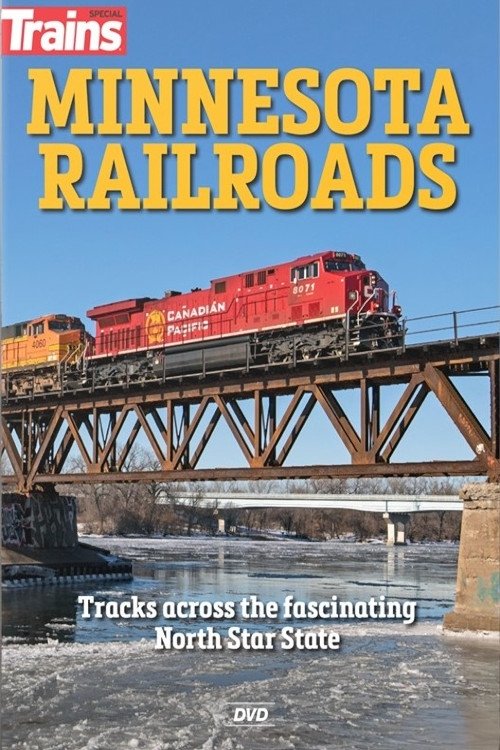
This documentary takes a look at Class I railroads – BNSF Railway, Canadian National, Canadian Pacific, and Union Pacific, short lines, Amtrak, commuter lines, and railway preservation in the “Land of 10,000 Lakes.”
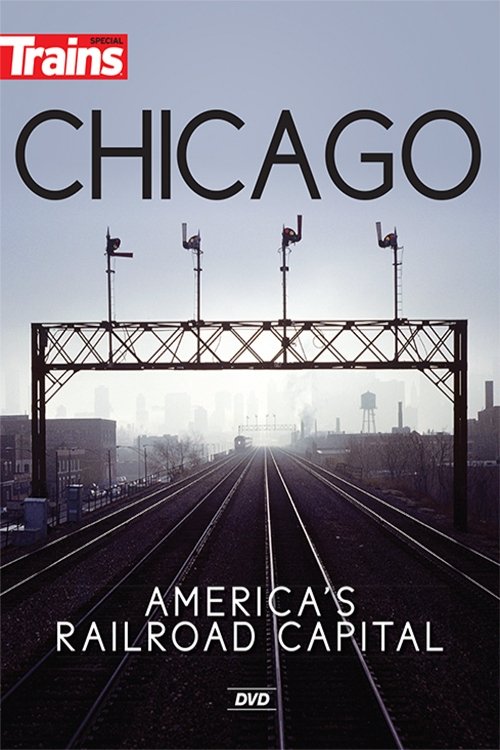
In this documentary, Chicago, America’s Railroad Capital, you’ll discover how the third largest U.S. city became the nation’s most important hub, serving six of North America’s largest railroads. Along with its robust commuter system, more rail traffic passes through Chicago than any other city in America.
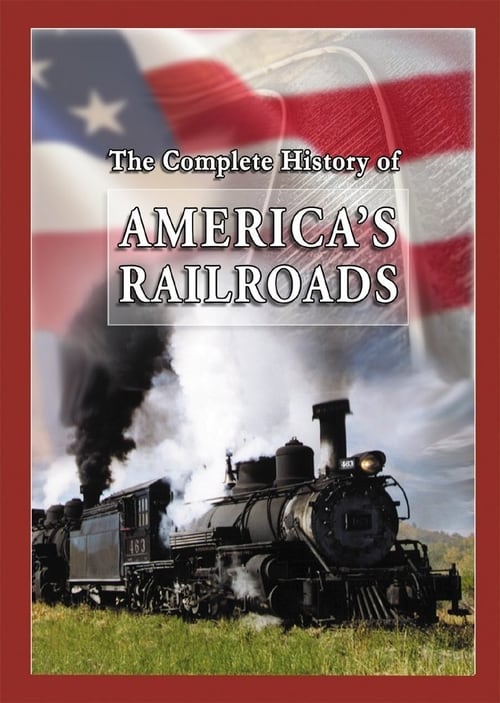
No matter what your age you'll love watching this impressive and comprehensive story of the development of railroading in America. Rail enthusiasts as well as history buffs, teachers and home schoolers, plus kids of all ages will appreciate this magnificent rail adventure covering live action historic operating railroads, rare photos of drawings and valuable memorabilia, and live action re-enactments. Featuring spectacular cinematography and an inspiring musical score, this Award-Winning four part DVD covers over one-hundred years of railroading evolution.
For 2-4 year old children, the Tomika Prarail friendly hiragana first time drill. Learn hiragana characters with the aid of Tomika Prarail trains and cars.
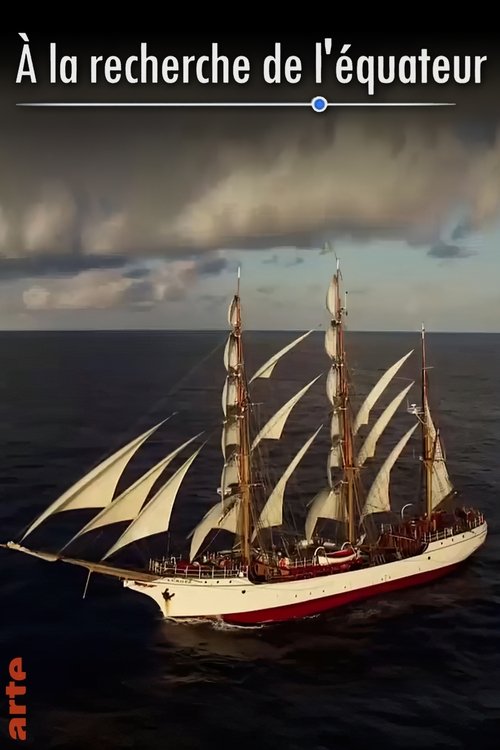
People have always been fascinated by the tropics. Explorers from Europe were among the first to travel to the equatorial region centuries ago. Modern scientists are continuing what began with these pioneers. The documentary traces the historical exploration of the paradise belt at latitude 0 and looks at modern research at the equator.
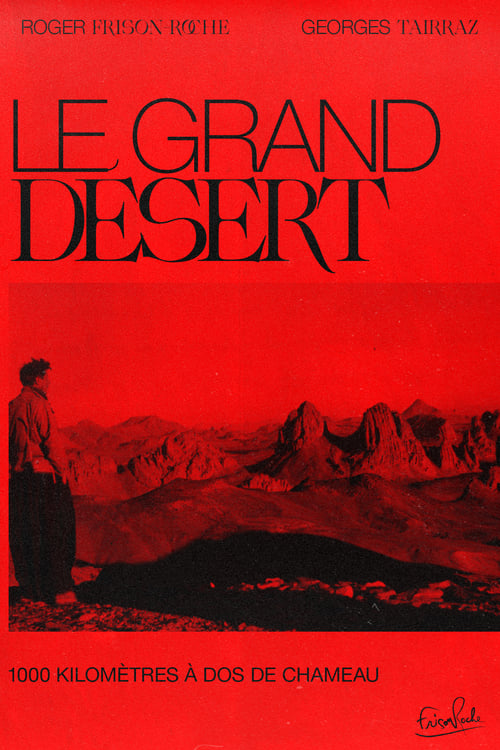
In 1950, the explorer Roger Frison-Roche made a crossing of more than a thousand kilometers on the back of a camel with the photographer Georges Tairraz II, in the heart of the Sahara, from Hoggar then Djanet in Algeria to Ghat in Libya. From their journey they brought back a large number of color films and documents. Among thousands of photos, they selected 47 images which reflect the various aspects of these immense spaces which occupy a third of Africa in the book "The Great Desert". “The Great Desert, 1000 kilometers on camelback” is the eponymous 85-minute documentary of this epic, released in 1950.
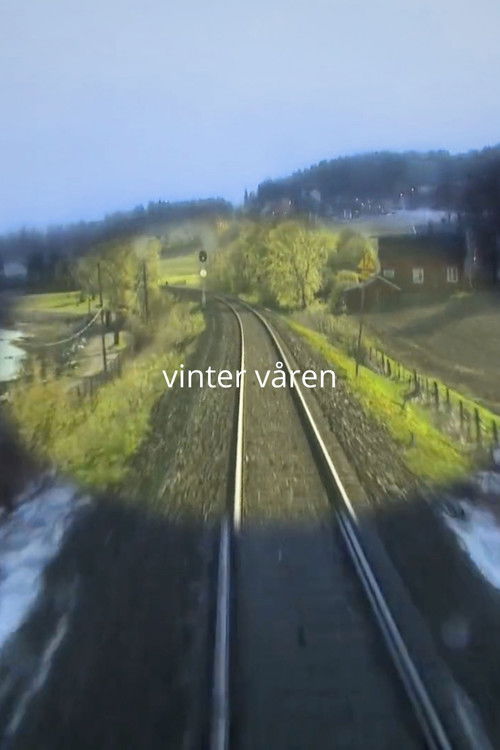
A train moves through winter as a superimposed image of the same route in spring gradually emerges. Both moments coexist within a single frame, revealing two seasons happening at once.