Amanda Miranda
as
Isabella Gordiano
Lara Elis Dalla Bernardina
Natan De Oliveira
Roberta Costa
Vitória Fernandes
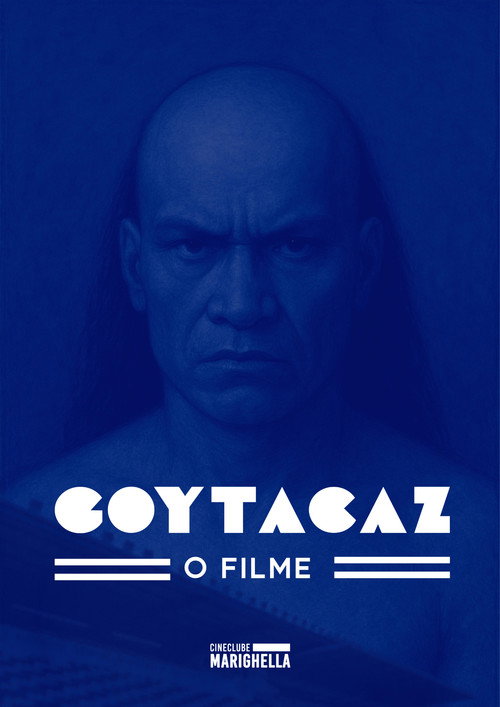
When the board shuts down operations for the first time in 112 years and announces the sale of the "Aryzão," Goytacaz fans rise up and risk their lives to save the last soccer stadium in Campos. Within a few months, a grassroots movement secures victories at the City Council and the Historical Heritage Council, launching the rebuilding of Goytacaz from scratch with the involvement of a young armless player. What does this story reveal about Campos?
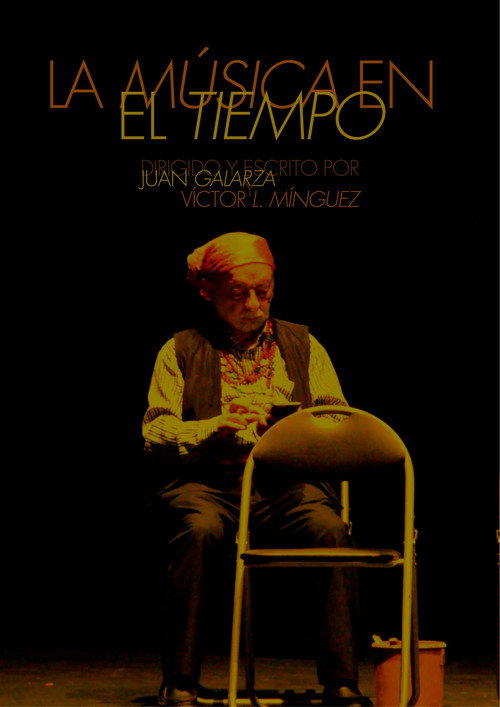
Throughout history, music has served as the primary method of expression for the nations and cultures that embrace it, as well as an unyielding bridge between past and future generations. Given its unstoppable technological, artistic, and accessibility evolution, what relationship does today's music hold with traditional chants? How do folklore and new urban genres intersect? What does their future look like? Guided by Gese Da O—music producer for artists such as Cruz Cafuné, Quevedo, and Delaossa—alongside Los Sabandeños and the Club de la Zarzuela de Madrid, *La música en el tiempo* seeks answers to these questions.
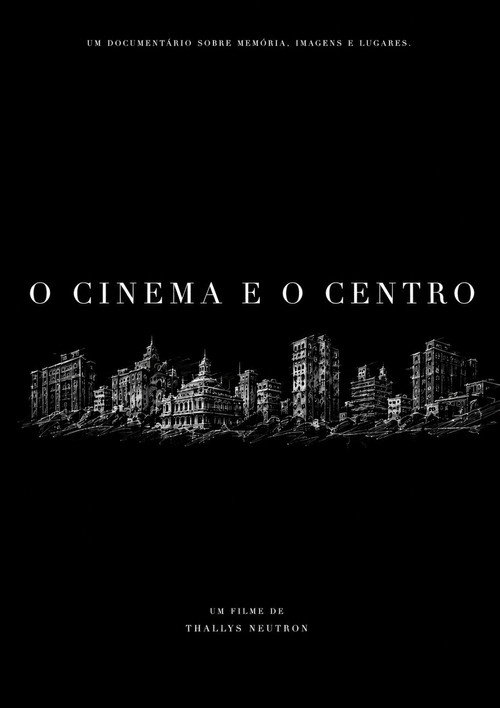
At the heart of Manaus, two of the city’s last remaining street cinemas continue to endure: the historic Cine Carmen Miranda and Casarão de Ideias. O Cinema e o Centro explores their histories, challenges, and achievements, reflecting on the role of these spaces in an era shaped by streaming, shopping malls, and social media. More than movie theaters, they emerge as gathering places, sites of cultural resistance, and symbols of the enduring relationship between the city and the seventh art.
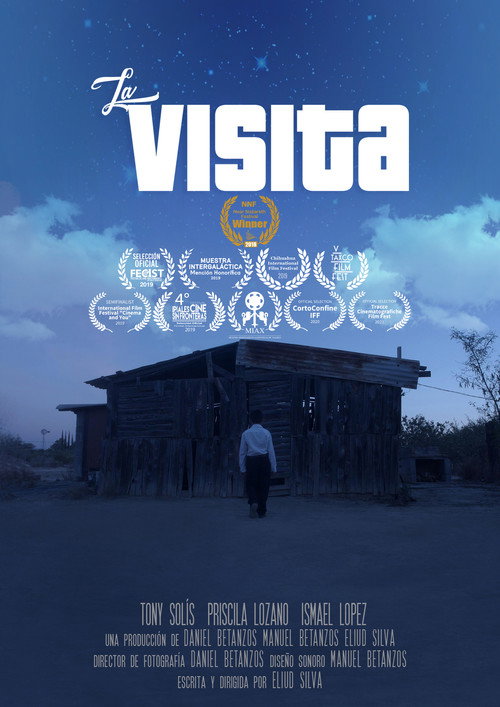
With the arrival of the sun, a little boy also comes to visit a couple. They spend the day together, but when the sun sets, the little boy has to leave as well.
A documentary set in Firanghi Mahal, an institution for rationalist Islamic scholarship founded in the late 17th century. Through two women, Sughra Fatema and her niece Khadija Ansari, it tells the unknown stories of women and their struggles to find their own ways of being in a time of dramatic changes. One wrote poetry to express herself and the other became a student activist who went to jail for being a revolutionary.
Research and dissemination documentary-film about contemporary art in which more than 30 staff members of museums and galleries, visual and sound artists, collectors, art critics and curators share their knowledge and give an account of their experiences and anecdotes.
Documentary about the Japanese filmmaker Takashi Miike, where we see him attend film festivals, personal influences and of course the study of his main films, apart from the opinions about him by other filmmakers such as Takeshi Kitano or Kinji Fukasaku.
Documentary about the shooting of 'Suspiria' that details everything that lovers of horror genre can desire, including the inspiration of the plot, the director, the cast, the style, the music and, of course, its worldwide success. Argento, Daria Nicolodi, Jessica Harper, Udo Kier, Stafania Casini, Giuseppe Colombo, Luciano Tovoli and several members of the progressive rock band Goblin (Claudio Simonetti, Fabio Pignatelli, Massino Marante) are interviewed to learn about their work in the film.
Japan has the world record for sexual abstinence, but the pornographic industry is very lucrative. The documentary reveals how the number of singles has doubled, and how older couples do not have sex. According to the National Institute of Japanese Sexology, "sexless" are those who have sexual intercourse with a frequency lower than once a month.
Fu Chu is one of the most important and strict prisons in Japan, where they have more than 2,000 people living together. In addition, it is the one that has the greater number of foreigners. Through the testimony of two French prisoners we know first hand how the inmates of Japanese prisons live behind bars. Fu Chu is known worldwide because many ex-convicts have sued the Japanese State for the treatment received during their incarceration. Amnesty International has been interested in this problem and has denounced the methods used to consider that they violate Human Rights. In this documentary the cameras enter for the first time in the premises of the prison and show how is the strict regime of this institution.
Woody Allen's interview with France Roche.
When the cowardly bureaucrat Catus Decianus breaks a peace treaty with the Iceni by brutalizing and humiliating their queen Boudica and her daughters the Iceian and allies join the queen in a campaign of revenge against the Romans. They plunder Roman cities killing all the inhabitants and burning the cities to the ground until a vastly outnumbered Roman legion faces Boudica's furious hoard.
A unique individual who collects almost everything reveals some of the darker things he has acquired, including JonBenet Ramsey's Tricycle. An investigation of pop culture, media, tragedy and the items we possess.
In his film Fat Head, Tom Naughton demonstrated that much of the official advice about healthy eating is wrong - so wrong that it's created a record number of kids who are overweight, diabetic, and can't concentrate in school. Fat Head Kids explains what kids need to know about diet and health by taking them on a journey aboard a biological starship. By seeing how the crew members are programmed to respond to foods, kids learn what makes us fat (and no, it's not just about calories), how bad food makes 'boy boobs', why food sets our mood, and why industrial food causes health problems ranging from diabetes to ADHD. Finally, kids learn how their biological starship was programmed to thrive on the Planet of Real Foods.
The documentary accompanies the controversial architectural transformation of Adolf Hitler’s birthplace into a police station in the form of a long-term observation. The result is a portrait of a small town on the Austrian-German border, which is exemplary to decades of history of dealing with the National Socialist legacy In Austria.
Discover the history of the Chic Show ball, an iconic black music party in São Paulo. The event was a milestone in the life of São Paulo. Held in halls across the city in the 1970s and 1980s, the show became a meeting point for black culture and opened up space for funk, soul, rap and pagode, among other rhythms. The party welcomed names such as Tim Maia, Sandra de Sá, Gilberto Gil, Djavan, Bebeto and Carlos Dafé, as well as international artists such as Kurtis Blow, Betty Wright and James Brown.