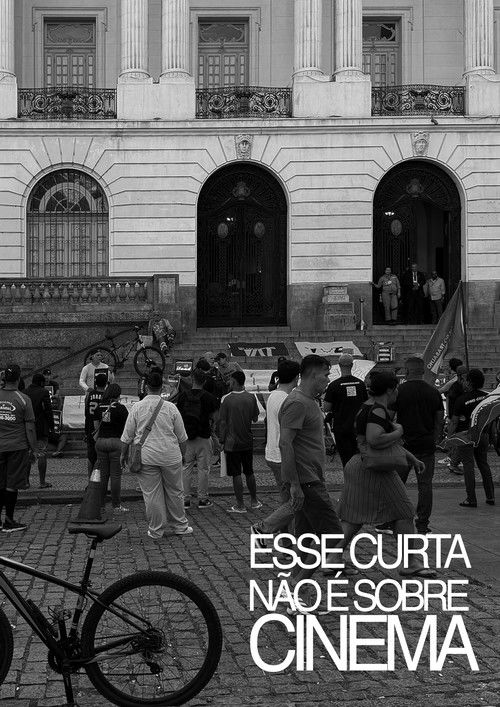
Short-film based in facts. How cinema became this big cultural phenomenon.
Isabella Lourenço
as Herself
Fernanda Sakoda
as Shadow Theatre Main Character
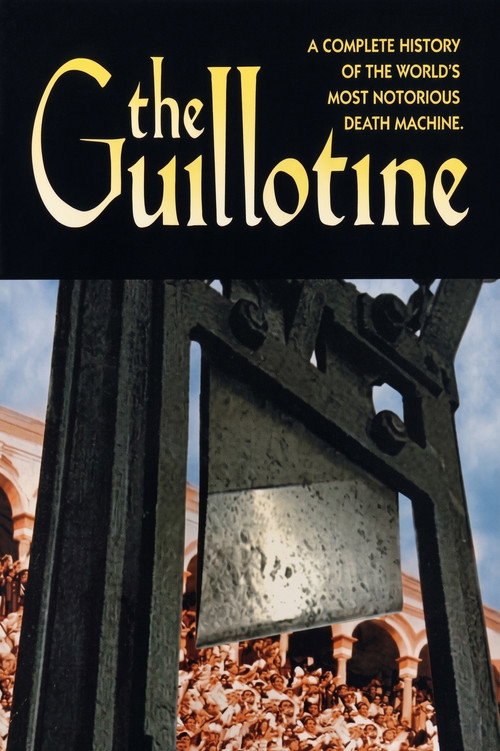
The Guillotine examines the fascinating and bizarre history of the "national razor" that started out strictly for execution and then became a source of entertainment and amusement. In Scotland they called it "the Maiden," in England "the Halifax Gibbet," and in France "the Machine," "the Widow," and "the Guillotine." It existed for hundreds of years, but found its home in France during the French Revolution and the Reign of Terror when nearly 20,000 men, women and children died beneath its blade. Through dramatic reenactments and archival documentation of famous executions, the program explores the early technology of the guillotine and its bloodstained career throughout Europe.
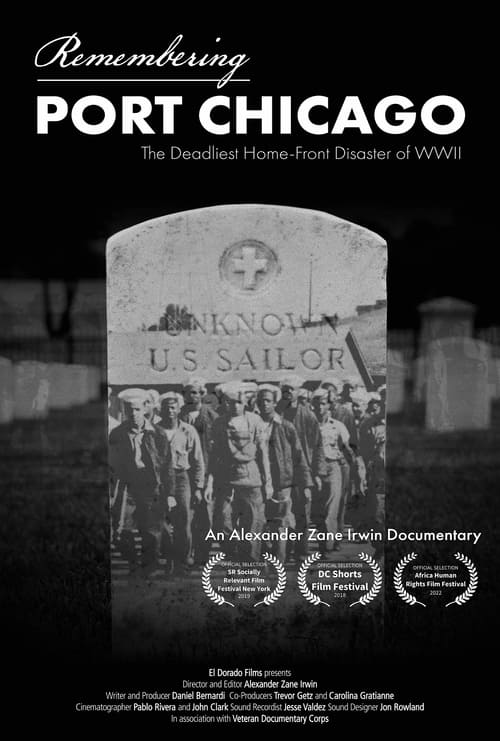
In California's Bay Area, a painful memory lingers of the Port Chicago disaster of WWII, when hundreds of the Navy's first Black Sailors perished, and the White officers in charge were protected by the chain of command.
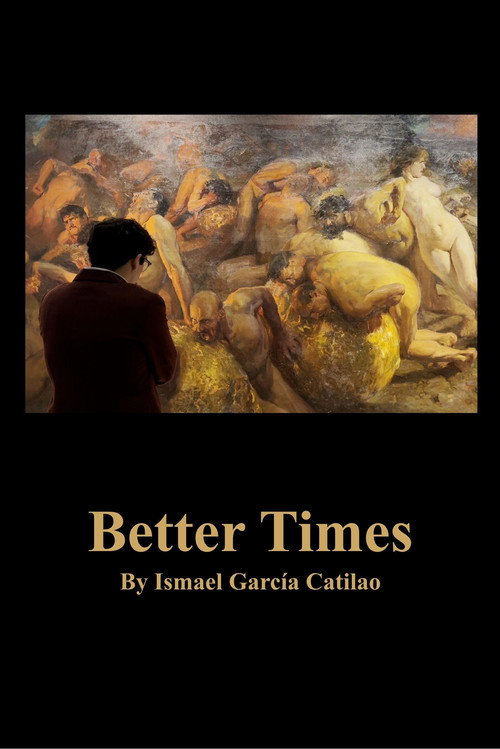
A tour through the Museum of "Bellas Artes" that dissects how political nostalgia, hybrid identity, and sexuality are "edited" by culture, revealing that the longing to return to "better times" is a deep fear of oblivion and death.
Punta del Este was built upon a small, treasurable port town still alive in the memories of former residents and visitors. However, talk of progress has arised in present times. A kind of progress involving physical, historical, spiritual destruction. Bajo la Arena poses a crossroads between the passage of time and its ever-present traces in the landscape and in people's affections.
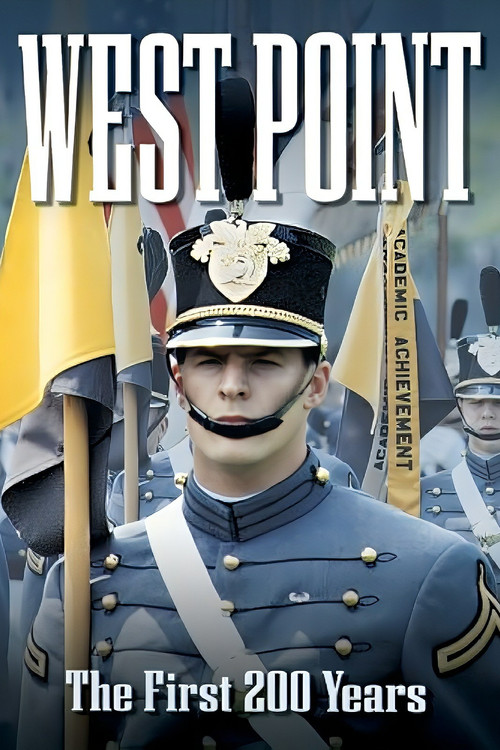
A documentary about the United States Military Academy at West Point that conveys the vibrancy, sense of fraternity and fierce loyalty that mark the West Point experience.
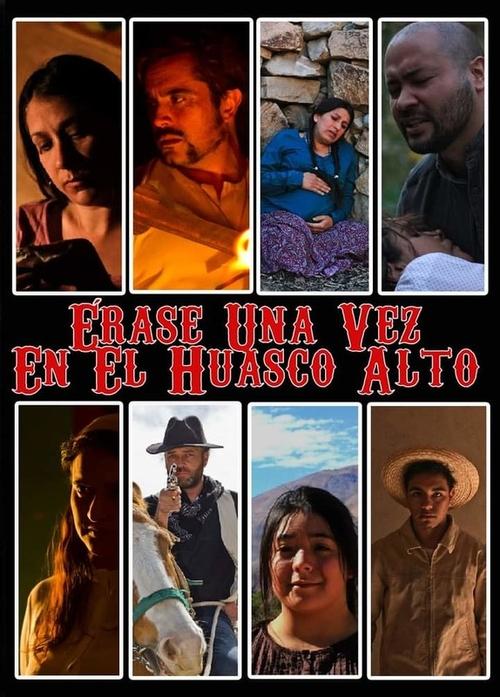
In a place in northern Chile where oral tradition, myths and history are mixed in a single mysterious universe, four stories take place surrounded by emotion, music and local identity.
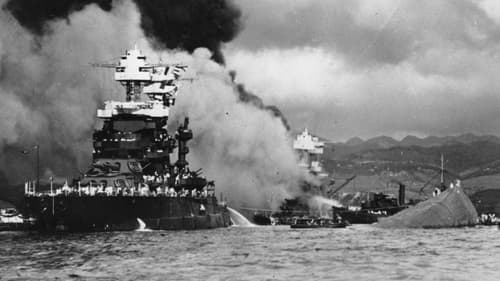
A look at the recently discovered fascinating behind the scenes footage shot by the legendary Hollywood director John Ford at Pearl Harbor in 1942 while filming his popular World War II documentaries December 7th and The Battle of Midway.
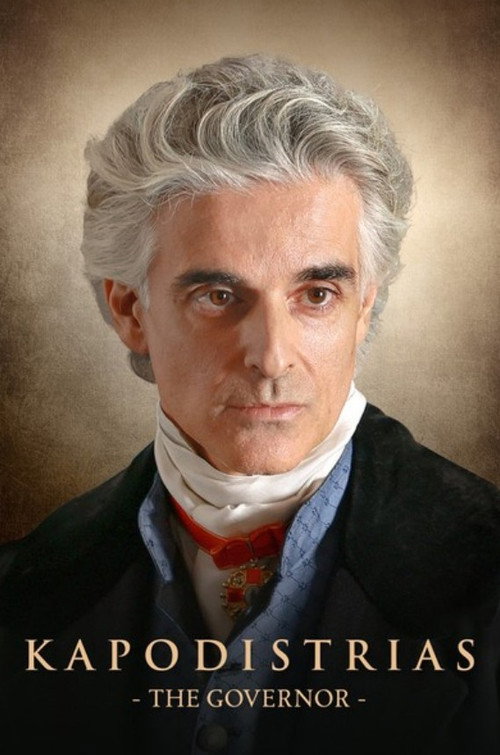
The story of the statesman Ioannis Kapodistrias from his time as foreign minister of Russia all the way to Greece's independence in the 1820s.
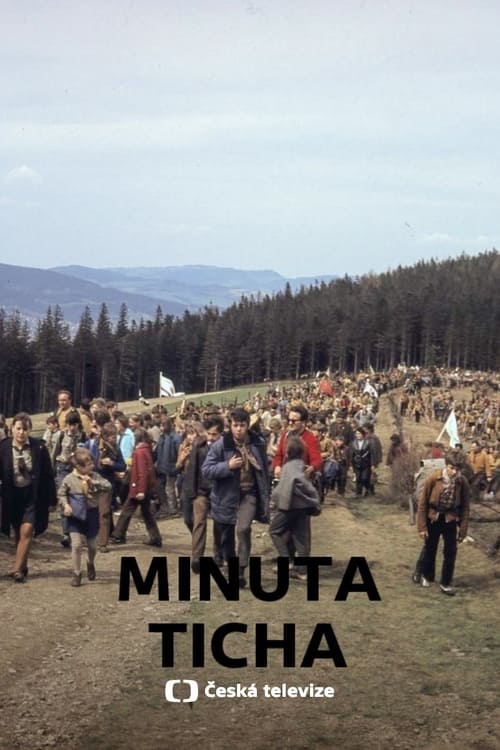
On November 25, 1973, the first of four car-free Sundays transformed West Germany's deserted highways into spaces for walking, cycling, and horse-drawn carriages, while towns and cities took on a festive atmosphere. Introduced during the oil crisis to conserve fuel after the Arab oil embargo and production cuts following the Yom Kippur War, the measure became an unforgettable collective experience. Beyond the immediate energy shortage, the crisis marked a turning point, ending the postwar economic boom and encouraging greater awareness of energy use, consumerism, and environmental issues.
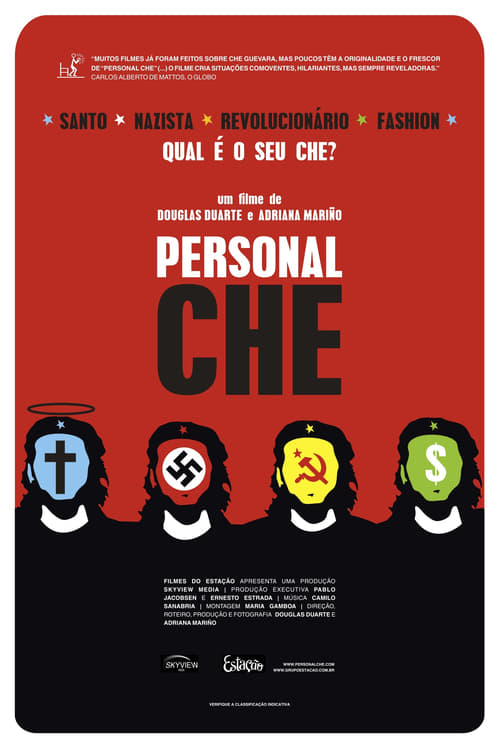
A documentary that explores the myth behind the truth. Different people around the globe reinterpret the legend of Che Guevara at will: from the rebel living in Hong Kong fighting Chinese domination, to the German neonazi preaching revolution and the Castro-hating Cuban. Their testimonies prove that the Argentinian revolutionary's historical impact reverberates still. But like with all legends, each sees what he will, in often contradictory perspectives.
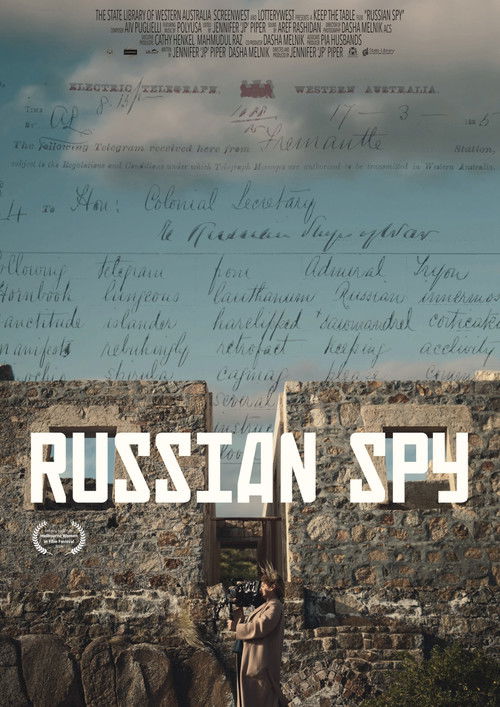
A Russian-Australian cinematographer travels to Albany to find out about the time when a 19th Century town at the end of the world was put on high alert of a Russian invasion.
Clynnog Morris is a local historian of great renown locally. In April of 2023 he was fortunate enough to be commissioned by the Arfon Historical Society to make a short film about his local park. 'Parc Chwiad' (Duck Park) is the resulting film.