Raymond Devos
as Self (archive footage)
Born to an Algerian father and a Sicilian mother in Tunisia, I have always been wealthy of three cultures. This motherland is where were born my Algerian ancestors when it was called Ifriqya but also my Sicilian grand-parents whose parents were part of the important migration flux of the beginning of the last century. A reservoir of workforce by the thousands reached the shores of this "promised land". A hundred years later, I embark on a quest to rediscover my Sicilian family, exiled for the past sixty years, scattered between Italy and France.
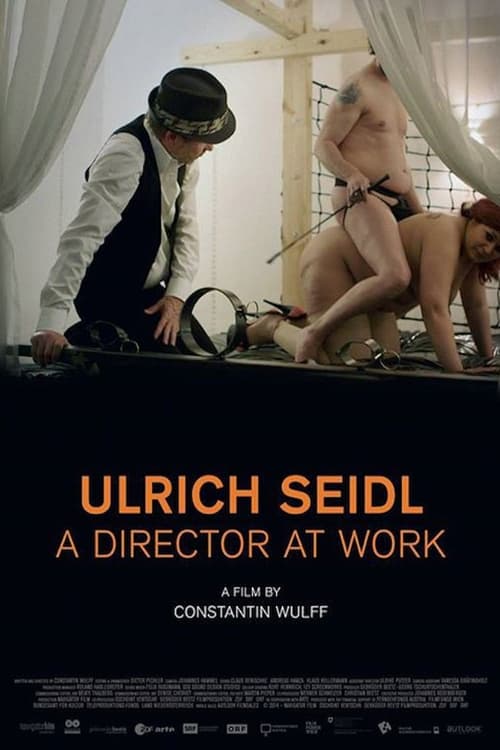
This cinematic portrait shows the Austrian filmmaker Ulrich Seidl at work. The much-discussed ‘Seidl method’ is conveyed here vividly and directly: The camera watches over Seidl’s shoulder during the filming of his new production IM KELLER, and observes him at the rehearsals for his latest theatre production ‘Böse Buben / Fiese Männer’. The film paints the picture of a fascinating and exceptional artist using a combination of extensive interviews and excerpts from earlier works.
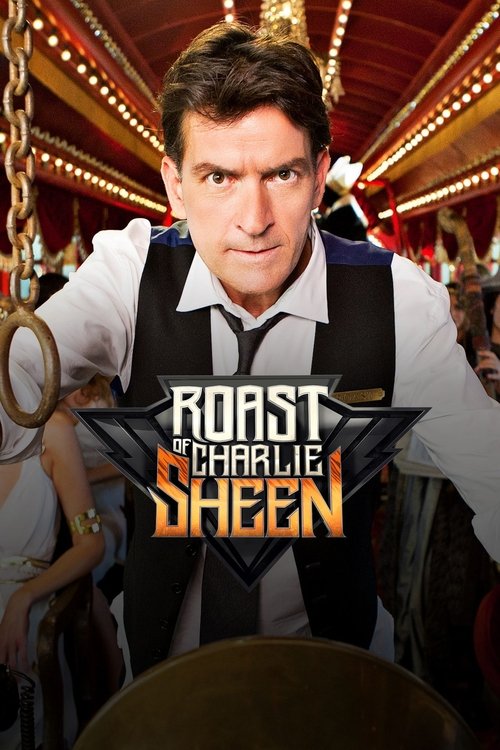
It's Charlie Sheen's turn to step in to the celebrity hot seat for the latest installment of The Comedy Central Roast.
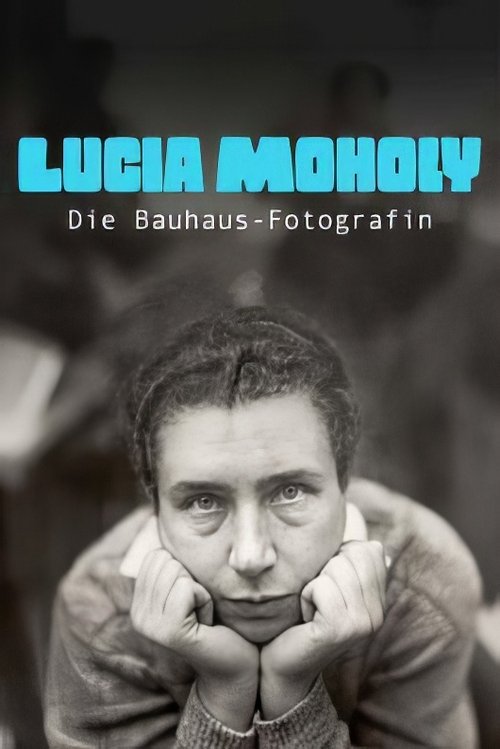
As a Bauhaus photographer, Lucia Moholy (1894-1989) was a pioneer of New Objectivity. Her husband László Moholy-Nagy was appointed to the Bauhaus in 1923. They worked there together and László became famous as the inventor of the photogram, a photo without film. Lucia's contribution to this only became known later. When the Czech-born Jew was forced to leave Germany in 1933 after the Nazis seized power, she was unable to take her most important possession, her glass negatives, with her. She struggled to keep her head above water in London and worked for the British secret service on the microfilming of valuable documents. With her vision of microfilm as freely accessible information for all, she is now regarded as a pioneer of the Internet. After the war, Lucia set out in search of her glass negatives.
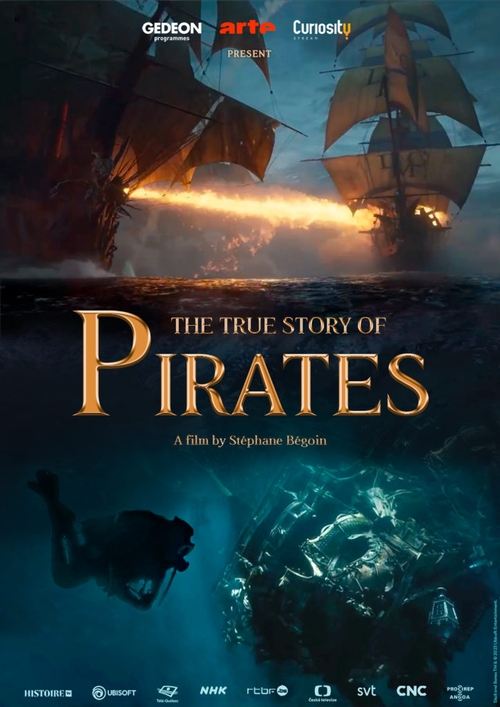
Thanks to new excavations in Mauritius and Madagascar, as well as archival and museum research in France, Spain, England and Canada, a group of international scholars paint a new portrait of the world of piracy in the Indian Ocean.
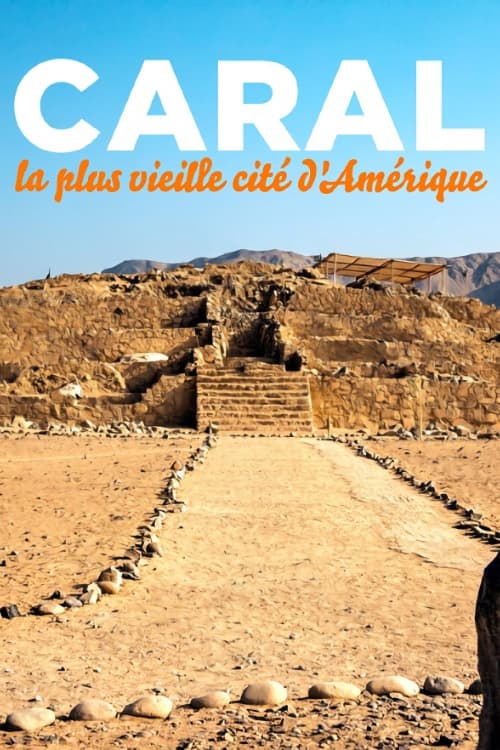
The Sacred City of Caral or Caral-Supe is the capital of the Norte Chico Civilization of Supe located in the Supe Valley, 200 km (124 miles) north of Lima. The Sacred City of Caral is the earliest known civilization in the Americas, it dates to the Late Archaic period. Radiocarbon analysis performed by the Caral-Supe Special Archaeological Project (PEACS) dates its development between 3000 to 1800 B.C.. It is believed that this civilization started by the merging of small villages based on trade of agricultural and fishing products. Its importance rests on the success of techniques of domestication of cotton, beans, potatoes, chilis, squash among other products. Success in agriculture was due to the development of water canals, reservoirs and terraces. They used guano, bird excrement, and anchovies as fertilizer.
This is Bill Hicks' LIVE final televised interview where he appeared on the Austin, Texas public access television show CapZeyeZ, hosted by Metal Dave. He appeared on this interview prior to his performance at the Laff Stop at which his album "Rant in E Minor" was recorded. With this interview we are privileged with some of Hicks' intuitive criticisms and some "fresh" material.
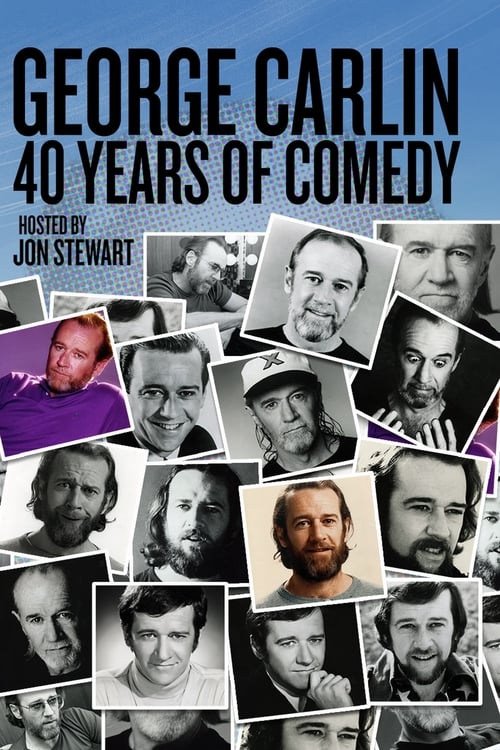
George Carlin celebrates 40 years of comedy and here, he presents 2 new standup bits, comedian Jon Stewart gives an interview with him, and we look at his old comedy work through the last 4 decades.
George's Best Stuff is a compilation of Carlin's legendary routines, including "A Place For My Stuff," "Dogs and Cats," Vitamins," "Baseball and Football," "Losing Things," "Al Sleet the Hippie-Dippie Weather Man," the notorious "Seven Words You Can't Say on Television," and many more. A great collection of some of the best standup comedy ever performed.
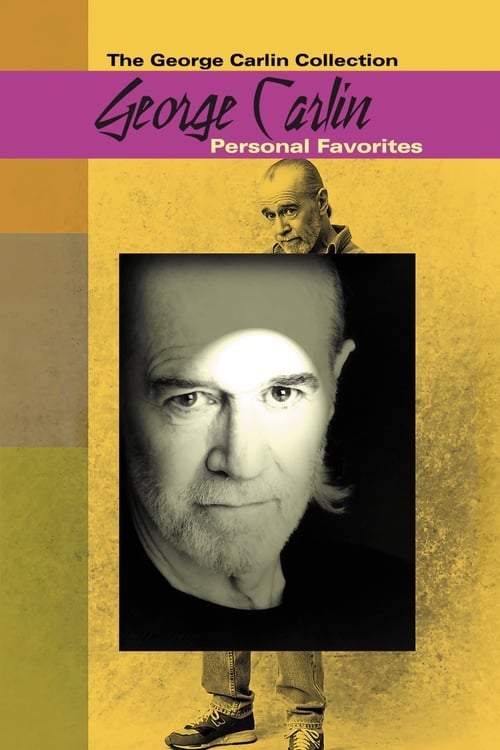
After starring in a dozen or so HBO Special Presentations, comedian George Carlin has amassed a substantial body of work in the cable channel's vaults. Personal Favorites is a greatest-hits package, a selection of some of Carlin's best moments on HBO from 1977 to 1998 and, not coincidentally, some of his most enduring comic routines from any medium.
George Carlin changes his act by bringing politics into the act, but also talks about the People he can do without, Keeping People Alert, and Cars and Driving part 2.
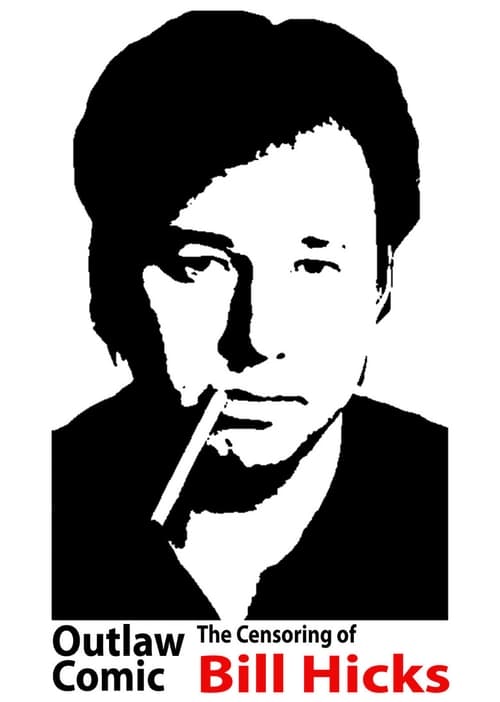
A biographical documentary on the late great comedian Bill Hicks and his career; in particular the censorship by Letterman that scarred it.
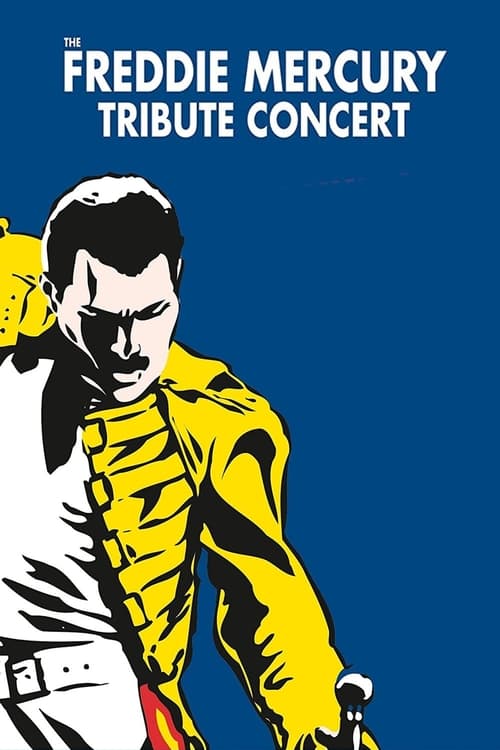
A live concert in tribute to Freddie Mercury, former lead singer of Queen. Mercury died of AIDS and so some of the proceeds of this concert went to AIDS research. Features performers such as Metallica, Def Leppard, Elton John, Axl Rose, Extreme, George Michael, and many others. Performers alternate between doing their own hits, covering Queen songs, or jamming with the surviving members of Queen.
A documentary looking back on the making of Shunji Iwai's TV play Fireworks, Should We See it from the Side or the Bottom?.
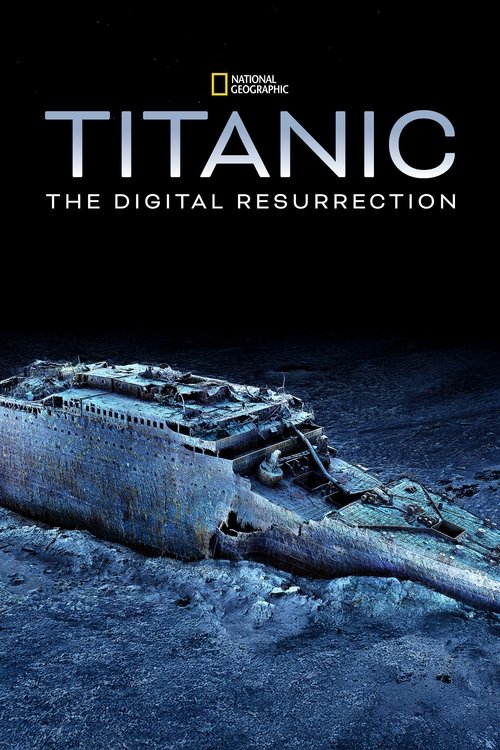
Using cutting-edge scanning technology and state-of-the-art CGI, a team of experts creates the first high-resolution 3D digital twin of the Titanic wreck. Through a groundbreaking immersive investigation, they uncover the ship’s final moments, shedding light on the acts of heroism and cowardice aboard—and revealing the true story behind the sinking of the “unsinkable” ship.